Being told that you need a colonoscopy can bring up a lot of questions.
Why do I need it?
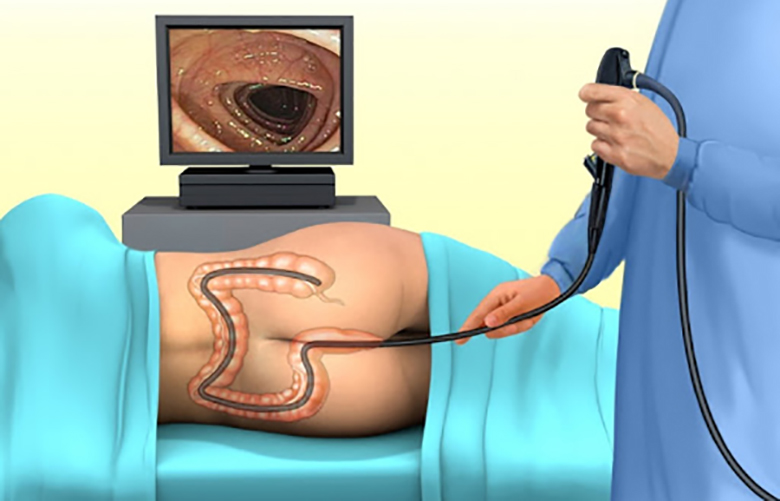
What will happen during the procedure?
How should I prepare?
What if the doctor finds a polyp?
Are there risks?
And do I really need to have one now?
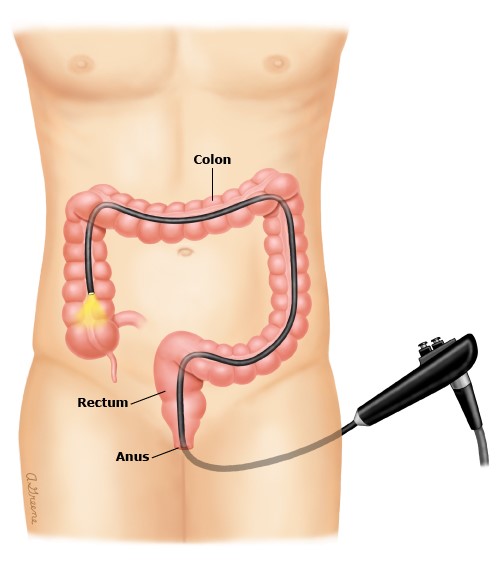
These are reasonable questions. A colonoscopy is an important medical procedure that allows a healthcare professional to examine the lining of the rectum and colon using a flexible camera. It can be used to investigate symptoms, look for abnormalities, and in many cases remove precancerous polyps during the same procedure.
Rather than approaching the appointment with fear—or deciding to avoid it based on something you read online—the most useful step is to have a clear conversation with your doctor.
Here are important questions to ask before your colonoscopy and why the answers matter.
1. “Why Do You Recommend a Colonoscopy for Me?”
This is an excellent place to start.
Colonoscopies can be recommended for different reasons. Some people have one because they are due for colorectal cancer screening. Others may need an examination because of symptoms such as unexplained rectal bleeding, persistent changes in bowel habits, abdominal symptoms, unexplained iron-deficiency anemia, or other findings that require investigation.
Your doctor should be able to explain the specific reason in your situation.
Ask:
“What are you looking for with this colonoscopy?”
Understanding the purpose can make the procedure feel much less mysterious.
2. “Is This a Screening Colonoscopy or a Diagnostic Colonoscopy?”
The distinction is important.
A screening colonoscopy is performed in someone who does not necessarily have symptoms, with the goal of detecting colorectal cancer or precancerous growths.
A diagnostic colonoscopy is generally performed because there is a symptom, abnormal test result, or other medical concern that needs investigation.
The preparation and procedure may be similar, but understanding which category applies to you helps clarify what your doctor is trying to accomplish.
It can also help you understand what might happen afterward.
3. “What Will the Preparation Involve?”
For many people, the bowel preparation is the part they are most concerned about.
Before a colonoscopy, the colon needs to be sufficiently clean so that the doctor can see the intestinal lining clearly.
Your healthcare team may give you instructions involving dietary changes and a bowel-cleansing preparation.
Ask your doctor:
-
What foods can I eat before the procedure?
-
When do I need to switch to clear liquids?
-
What bowel preparation should I use?
-
When should I take it?
-
Should I split the preparation into two doses?
-
What should I do if I vomit after taking it?
-
What should I do if I cannot finish the preparation?
Do not improvise the bowel preparation. Follow the instructions provided by your medical team because inadequate preparation can make it difficult to see important abnormalities and may result in the procedure needing to be repeated.
4. “What Medications Should I Stop or Continue?”
This is one of the most important questions to ask.
Certain medications and supplements can affect the safety or preparation of a colonoscopy.
These may include:
-
Blood thinners
-
Aspirin or other antiplatelet medications
-
Diabetes medications
-
Insulin
-
Certain blood-pressure medications
-
Iron supplements
-
Some weight-management or diabetes medications
-
Herbal supplements
However, never stop a prescribed medication on your own simply because you are having a colonoscopy.
Some medications can be dangerous to stop suddenly, while others may require specific timing adjustments.
Give your doctor or endoscopy team a complete list of everything you take, including prescription drugs, over-the-counter medicines, vitamins, and supplements.
5. “What Kind of Sedation Will I Receive?”
Many patients receive medication to make them comfortable during the procedure, but sedation practices vary.
Ask what type of sedation or anesthesia is planned and what you should expect.
You may also want to ask:
“Will I be awake?”
“Will I feel the procedure?”
“How long will it take for the medication to wear off?”
The answers depend on the medical facility, your health, the planned procedure, and the sedation approach being used.
Knowing what to expect can reduce anxiety significantly.
6. “Will I Need Someone to Take Me Home?”
If you receive sedation, you may not be able to drive yourself afterward.
Ask your medical team about transportation requirements before the appointment.
You may also need someone to stay with you for a period of time after the procedure, depending on the type of sedation and your facility's instructions.
Do not assume you will be able to drive home simply because you feel relatively alert.
Sedative medications can temporarily affect reaction time, judgment, coordination, and memory.
7. “What Are the Risks?”
A colonoscopy is generally considered a safe procedure, but like any medical procedure, it carries potential risks.
Possible complications can include bleeding, infection, reactions to sedation, or injury to the colon. The risk can vary depending on the individual, the procedure performed, whether polyps are removed, and other factors.
Ask your doctor:
“What complications are most relevant to me?”
This makes the discussion personal rather than relying on general statistics you may find online.
Your doctor can explain both the potential risks and the reasons they believe the benefits of the procedure outweigh those risks in your situation.
8. “What Happens If You Find a Polyp?”
This is another useful question.
Polyps are growths that develop on the lining of the colon or rectum. Some types can eventually become cancerous, while others have little or no malignant potential.
If a polyp is discovered during a colonoscopy, the doctor may often be able to remove it during the procedure.
The removed tissue can then be sent to a laboratory for examination.
Ask:
“If you find a polyp, will you remove it immediately?”
And:
“When will I receive the pathology results?”
The laboratory findings can help determine what type of polyp it was and whether additional surveillance is recommended.
9. “What If the Preparation Isn't Good Enough?”
A clean colon is important because stool or residual material can obscure the intestinal lining.
If the bowel is not adequately prepared, the doctor may not be able to examine everything properly.
Ask:
“What happens if my colon isn't completely clear?”
Depending on the circumstances, the doctor may recommend repeating the examination at another time.
This is one reason preparation instructions should be followed carefully.
If you are having difficulty with the preparation, contact the medical team rather than simply giving up.
10. “How Long Will the Procedure Take?”
The actual examination may not take very long, although the total time at the facility is generally longer because of preparation, check-in, sedation, recovery, and discharge instructions.
Ask your facility how much time you should plan to spend there.
This is particularly important if you need to arrange transportation, childcare, or time away from work.
11. “When Can I Eat Normally Again?”
Most people can gradually return to their normal diet after the procedure, but the exact instructions can depend on what happened during the examination and whether any intervention was performed.
Ask:
“What should I eat after the colonoscopy?”
“Are there any foods or drinks I should avoid?”
Your medical team can provide instructions based on your individual circumstances.
12. “What Symptoms After the Procedure Are Normal?”
It is useful to know what to expect once you return home.
Some people may experience temporary bloating, gas, or mild abdominal discomfort after a colonoscopy.
But your doctor should also explain which symptoms are not expected and require medical attention.
Seek urgent medical advice if you develop concerning symptoms such as significant or persistent abdominal pain, heavy rectal bleeding, fever, fainting, severe weakness, or other symptoms your medical team has specifically warned you about.
If you are uncertain whether a symptom is normal, contact the healthcare facility rather than guessing.
13. “When Will I Get My Results?”
Some findings may be discussed soon after the procedure.
However, if tissue samples or polyps are removed, laboratory analysis can take additional time.
Before leaving, ask:
“How and when will I receive my results?”
Also ask:
“Who will contact me if something abnormal is found?”
Knowing the follow-up process can prevent unnecessary anxiety while you wait.
14. “If Everything Looks Normal, When Will I Need Another Colonoscopy?”
A normal colonoscopy does not necessarily mean that you will never need another one.
The recommended interval depends on factors such as your age, personal medical history, family history, previous colonoscopy findings, the quality of the bowel preparation, and whether polyps were found.
If polyps are removed, the recommended follow-up interval may be different.
Rather than relying on a generic rule you find online, ask your doctor:
“Based on my results and risk factors, when should I be screened again?”
15. “Do My Family History or Personal History Change My Risk?”
Colorectal cancer risk is not the same for everyone.
Tell your doctor if you have a family history of colorectal cancer or certain types of polyps.
Also mention your own history of colorectal polyps, inflammatory bowel disease, previous abnormal tests, or other relevant conditions.
These details can influence screening recommendations and follow-up.
16. “Are There Alternatives to Colonoscopy in My Situation?”
It is reasonable to ask whether other tests are available.
Depending on why testing is being recommended and your individual risk, options may include stool-based screening tests or other forms of colorectal evaluation.
However, these alternatives are not interchangeable in every situation.
For example, if a stool test detects an abnormality, a colonoscopy may still be needed for further evaluation.
Likewise, someone with certain symptoms or risk factors may be better served by direct examination of the colon.
So the question should not simply be:
“Can I avoid a colonoscopy?”
A better question is:
“What testing options are appropriate for me, and what are the advantages and limitations of each?”
Don't Let Internet Advice Replace Your Doctor's Instructions
Colonoscopy preparation advice is everywhere online.
Some of it is useful.
Some of it is outdated.
Some of it is simply wrong.
Be particularly careful with advice telling you to stop prescription medications, dramatically change your diet, take unapproved substances, or use alternative cleansing methods without discussing them with your healthcare team.
Your preparation instructions should come from the professionals performing your procedure.
If something you read online conflicts with their instructions, ask them about it.
A Few Practical Questions People Often Forget
Before your appointment, consider asking:
“What time should I stop eating?”
“Which liquids are allowed?”
“Can I drink water up until the procedure?”
“What should I do about my regular medications?”
“What should I bring with me?”
“How long should I expect to stay at the facility?”
“When can I return to work or exercise?”
“Who should I contact if I have a problem afterward?”
Writing these questions down before your appointment can help because it is surprisingly easy to forget them once you're sitting in the doctor's office.
The Most Important Question: “Why Is This Recommended for Me?”
A colonoscopy is not something you should accept or reject based on a sensational headline.
It is a medical procedure with specific benefits, limitations, risks, and indications.
For one person, it may be recommended as routine colorectal cancer screening.
For another, it may be needed to investigate bleeding, unexplained anemia, persistent bowel changes, or another concern.
That distinction matters.
The best conversation with your doctor is not about finding a reason to be afraid of the procedure. It is about understanding why it has been recommended, what it can reveal, what the preparation involves, what the risks are, and what your alternatives might be.
Don't Be Afraid to Ask Questions
Feeling nervous before a colonoscopy is completely understandable.
The preparation can be inconvenient. The procedure itself may sound intimidating. And the possibility of discovering something abnormal can naturally create anxiety.
But uncertainty often makes fear worse.
Asking questions gives you information.
Before the procedure, make sure you understand:
-
Why you need the colonoscopy
-
How to prepare
-
Which medications to take or adjust
-
What sedation will be used
-
What risks apply to you
-
What happens if a polyp is found
-
When and how you'll receive results
-
What symptoms require medical attention afterward
-
When you'll need future screening
Most importantly, don't stop or change prescribed medications and don't cancel a recommended procedure solely because of something you read online.
Instead, have an informed conversation with your healthcare professional.
A colonoscopy may feel uncomfortable to think about, but for appropriate patients, it can be an important tool for detecting colorectal cancer and precancerous changes—and, in many cases, preventing cancer by allowing doctors to find and remove certain polyps before they become a serious problem.
The more you understand before the procedure, the more confidently you can make decisions about your health.