Falling in love after 60 can be exciting, deeply meaningful, and completely unexpected. But starting a new relationship later in life can also bring challenges that are easy to overlook—from financial complications and family tension to health concerns, loneliness, and the fear of being hurt again.
For many people, reaching their 60s does not mean the end of romance. In fact, it can be the beginning of a completely different kind of love.
By this stage of life, people often understand themselves better. They may know what they want, what they will no longer tolerate, and what kind of companionship makes them happy. Some are dating again after divorce. Others are rebuilding their lives after losing a spouse. Some simply spent decades focusing on careers, children, or responsibilities and are finally ready to make room for themselves.
Falling in love can bring renewed energy and optimism.
But love later in life is not always as simple as it looks.
The emotional stakes can be different. People may enter relationships with established homes, financial assets, adult children, health conditions, long-standing routines, and complicated family histories. A new partner is not simply entering a romantic relationship—they may also be entering a life that has already been built over many decades.
That is why understanding the less obvious risks can help people enjoy love without losing their independence, security, or peace of mind.
1. You May Fall in Love Before You Fully Know the Person
One of the biggest challenges of dating later in life is that strong emotions can develop surprisingly quickly.
After years of living independently, meeting someone who makes you feel seen, appreciated, and wanted can be powerful. A new relationship may seem especially meaningful when it arrives after grief, divorce, loneliness, or a long period without companionship.
That emotional intensity can sometimes make it harder to notice warning signs.
Someone may appear charming, attentive, generous, or deeply interested in your life. Those qualities can be genuine. But they can also make it tempting to overlook inconsistencies.
Healthy relationships still require time.
Before making major decisions, it is worth observing how a partner behaves when they are frustrated, disappointed, financially stressed, or told “no.” Character becomes much clearer over time than during the exciting early stages of romance.
Love can be real and still require patience.
2. Financial Risk Can Be Greater Than You Expect
Money may become a particularly sensitive issue after 60.
Many older adults have retirement savings, pensions, investments, property, insurance policies, or other accumulated assets. That can create vulnerabilities that are less common earlier in life.
A new partner who repeatedly asks for money, pressures you to combine finances quickly, requests access to accounts, or encourages unusual investments should be treated with caution.
Financial exploitation does not always begin with obvious theft.
It can start with small requests.
“Can you help me pay this bill?”
“Can you put this in your name?”
“Why don't we just share an account?”
“Why do you need separate finances if you trust me?”
These requests may sound harmless individually, but a pattern of financial pressure can become serious.
A romantic partner should not need to prove their love by gaining control over your money.
3. Adult Children May Have Strong Feelings About Your New Relationship
Falling in love does not happen in isolation.
You may have children, grandchildren, siblings, or close friends who have known you for decades. They may have strong opinions about who enters your life.
Sometimes those concerns are protective.
Sometimes they come from grief, fear, jealousy, or difficulty accepting change.
Adult children may worry about inheritance, family traditions, or whether a new partner is trustworthy. They may also be concerned that their parent is moving too quickly.
That does not necessarily mean they are right.
At the same time, dismissing every concern simply because you are in love can be a mistake.
A useful approach is to separate emotional objections from specific observations.
“I'm uncomfortable with him” is different from:
“He has asked Mom for money three times.”
“She has pressured Dad to change his will.”
“He refuses to let you see your friends.”
Specific behaviors deserve careful attention.
4. Your Independence Can Slowly Disappear
One of the most overlooked risks of a serious relationship is losing your independent life.
At first, spending nearly every day together may feel wonderful. Gradually, however, one person may stop seeing friends, participating in hobbies, exercising, traveling independently, or maintaining personal routines.
The relationship becomes the center of everything.
That can create emotional dependence.
A healthy partnership allows both people to have connections and interests outside the relationship.
Keep your friendships.
Continue your hobbies.
Maintain access to your own money and important documents.
Make time for activities you genuinely enjoy.
Love should add to your life, not replace your life.
5. Grief Can Make New Love Complicated
For someone who has lost a spouse or long-term partner, falling in love again can trigger unexpected emotions.
Happiness may coexist with guilt.
A person might think:
“Am I betraying the person I lost?”
“Should I be doing this?”
“Would they have wanted me to move on?”
These feelings are common in grief.
There is no universal timetable for falling in love after loss. Some people are ready relatively quickly, while others need years.
What matters is whether the new relationship is being chosen because it is meaningful or because the person feels unable to tolerate being alone.
There is a difference between finding love and using a relationship to escape unresolved grief.
Sometimes both can exist at the same time, which is why emotional honesty matters.
6. Health Differences Can Become More Important
When people date in their 20s or 30s, health may seem like a relatively minor relationship consideration.
After 60, it can become central.
One partner may have arthritis. Another may have diabetes, heart disease, hearing loss, vision problems, mobility limitations, sleep disorders, or other chronic conditions.
These realities do not prevent people from having wonderful relationships.
But they do require honest conversations.
Who helps with medical appointments?
What happens if one partner eventually needs daily assistance?
Are both people comfortable with caregiving responsibilities?
What happens if one person becomes significantly less independent?
These questions are not romantic, but they are important.
A relationship built only around the present can struggle when circumstances change.
7. Caregiving Can Change the Relationship
At some point, one partner may become a caregiver.
Sometimes that happens gradually. Other times it follows an unexpected illness, injury, or medical diagnosis.
Caregiving can deepen a relationship, but it can also create physical exhaustion, resentment, financial strain, and emotional stress.
The person receiving care may feel guilty about being dependent.
The caregiver may feel trapped or overwhelmed.
Neither reaction means the relationship has failed. It means caregiving changes the roles within the relationship.
Discussing expectations early can reduce confusion later.
8. Intimacy After 60 Has Its Own Considerations
Romantic and sexual intimacy does not disappear with age.
But sexual health can change.
Hormonal changes, medications, cardiovascular conditions, menopause, erectile dysfunction, pain, anxiety, and other health issues may affect intimacy.
These topics can feel awkward, particularly for people who grew up in generations where sexual health was rarely discussed openly.
Still, avoiding the conversation does not make the issue disappear.
There is also another important consideration: sexually transmitted infections can affect older adults too.
Being over 60 does not eliminate the need for safer-sex practices. A new relationship may be emotionally serious while both partners still need appropriate sexual-health precautions.
9. Online Dating Creates New Opportunities—and New Risks
Dating apps and social media have made it easier than ever to meet someone.
That can be wonderful.
It can also create opportunities for deception.
A person may present themselves differently online than they do in real life. Photos may be old or misleading. Important personal information may be concealed.
Older adults can also be targeted by romance scams, in which someone develops an emotional relationship and eventually asks for money.
Warning signs include rapidly intense declarations of love, reluctance to meet in person, elaborate emergencies, requests for gift cards or transfers, investment opportunities, or repeated explanations for why they cannot verify their identity.
Romance should never require secrecy, financial rescue, or unquestioning trust.
10. Moving In Together Can Create Unexpected Problems
Living together may seem like the natural next step.
But combining two established lives can be complicated.
Who owns the home?
Who pays the bills?
What happens if the relationship ends?
What happens to personal belongings?
Will one person's children feel displaced?
What happens if one partner dies?
These questions can sound unromantic, but discussing them before moving in can prevent painful misunderstandings later.
There is no requirement to combine households simply because a relationship becomes serious.
Some couples remain committed while maintaining separate homes.
For certain people, that arrangement may provide both companionship and independence.
11. Estate Planning Becomes More Important
When people in their 60s or older become serious about a relationship, legal and estate-planning questions may suddenly become relevant.
Wills, trusts, beneficiary designations, property ownership, powers of attorney, and healthcare directives can all become complicated when a new partner enters the picture.
This is especially important for people who have children from previous relationships.
A romantic relationship does not automatically answer legal questions about inheritance or medical decision-making.
Professional advice from an appropriately qualified attorney or financial professional can help ensure that decisions reflect your wishes rather than assumptions.
12. You May Discover That Your Values Are More Different Than You Thought
Chemistry is powerful, but chemistry does not guarantee compatibility.
Two people may enjoy each other's company while having very different views about money, family, politics, religion, travel, retirement, housing, or caregiving.
When people are younger, they may have decades ahead to negotiate differences.
Later in life, there may be less interest in radically changing established habits.
That makes compatibility especially important.
Ask yourself:
Can we disagree respectfully?
Do our long-term priorities fit together?
Do I feel comfortable being myself around this person?
Can we discuss difficult subjects without fear?
The answers can reveal more about a relationship than chemistry alone.
13. Loneliness Can Make Red Flags Easier to Ignore
This may be one of the most difficult truths about dating later in life.
Loneliness can be powerful.
When someone has spent months or years feeling isolated, receiving attention from another person can feel incredibly valuable.
That can make it tempting to accept behavior you would normally reject.
You may think:
“At least someone cares.”
“At least I’m not alone.”
“I don't want to start over.”
But being in a relationship and feeling emotionally safe are not the same thing.
Being alone can be painful. Being with the wrong person can be even more damaging.
A relationship should be evaluated by the quality of the connection, not simply by whether it fills an empty space.
14. Falling in Love Again Can Be Beautiful Too
Despite all these risks, there is another side to the story.
Falling in love after 60 can be deeply rewarding.
Older adults may bring greater emotional maturity, clearer boundaries, life experience, and a stronger understanding of what matters.
There may be less pressure to follow someone else's definition of a perfect relationship.
Instead of building a life around careers and raising children, couples may have more freedom to enjoy companionship, travel, shared interests, conversation, and everyday moments.
For some people, love later in life feels calmer.
There may be less drama and more appreciation.
A cup of coffee together.
A walk after dinner.
A shared joke.
A hand held during a difficult appointment.
A quiet morning beside someone who genuinely cares.
These ordinary moments can become extraordinarily meaningful.
How to Protect Yourself Without Closing Your Heart
Being cautious does not mean becoming cynical.
It means giving trust enough time to grow.
Take relationships slowly.
Keep control of your finances.
Maintain your own friendships and interests.
Meet a new partner's friends and family when appropriate.
Pay attention to how they respond to boundaries.
Discuss health, finances, living arrangements, and future expectations honestly.
Be cautious about making major financial or legal changes shortly after meeting someone.
And when something consistently feels wrong, don't automatically dismiss that feeling simply because you are emotionally attached.
At the same time, don't allow fear from past relationships to prevent you from experiencing something healthy and meaningful.
The goal is not to eliminate risk.
The goal is to recognize risk without giving up on love.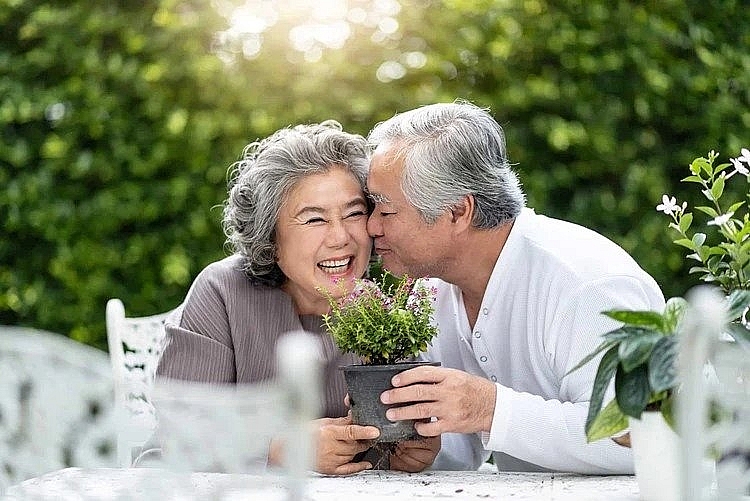
The Bottom Line
Falling in love after 60 can be one of life's most rewarding experiences, but it can also involve challenges that deserve more attention than romance stories usually give them.
The biggest risks are not necessarily about age itself. They are about entering a relationship with established finances, families, health considerations, emotional histories, and deeply rooted lives.
A healthy relationship should provide companionship without demanding control, intimacy without pressure, and support without destroying independence.
You do not have to choose between protecting yourself and opening your heart.
You can do both.
Love later in life is not something you need to apologize for, rush into, or fear. It simply deserves the same thing every good relationship needs: honesty, boundaries, patience, mutual respect, and enough time to discover whether the person you love is truly someone you can build a safe and peaceful future with.