Passing gas is one of the most natural functions of the human body, yet it's also one of the least talked about. Everyone does it, and in most cases, it's simply a normal part of digestion.
However, if you find yourself passing gas more than 25 times a day, especially if it's a new change or accompanied by other digestive symptoms, you may start wondering whether something more is going on.
The truth is that frequent gas is not always a sign of illness. Your diet, eating habits, gut bacteria, and even stress levels can all influence how much gas your body produces. On the other hand, persistent excessive gas—particularly when paired with abdominal pain, diarrhea, weight loss, or blood in the stool—may warrant medical evaluation.
Here's what experts say about why excessive gas happens and when it may be time to seek professional advice.
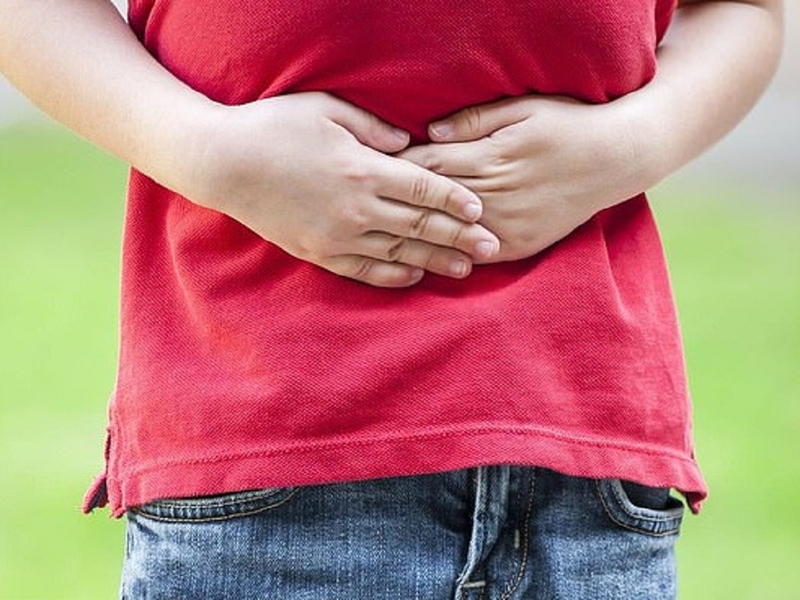
How Much Gas Is Normal?
Gas is produced every day as a natural result of digestion.
Most people pass gas between about 10 and 20 times per day, although normal varies from person to person. Some healthy individuals may pass gas more often depending on what they eat and how their digestive system functions.
Rather than focusing on an exact number, it's more useful to pay attention to changes from your usual pattern and whether the gas is associated with troublesome symptoms.
Where Does Intestinal Gas Come From?
Gas enters the digestive tract in two main ways:
1. Swallowed Air
Every time you:
-
Eat
-
Drink
-
Talk while eating
-
Chew gum
-
Drink through a straw
-
Smoke
you swallow small amounts of air.
Some of this air is released through burping, while some continues into the intestines.
2. Bacterial Fermentation
Much of the gas produced in the intestines comes from beneficial bacteria living in your colon.
These bacteria break down carbohydrates and fibers that your body cannot completely digest.
This fermentation naturally produces gases such as:
-
Hydrogen
-
Carbon dioxide
-
Methane (in some people)
This process is completely normal and actually reflects healthy bacterial activity.
1. You're Eating More Fiber Than Before
Fiber is one of the healthiest nutrients you can eat.
It's associated with:
-
Better digestive health
-
Improved cholesterol levels
-
Better blood sugar management
-
Increased fullness
However, increasing fiber too quickly can temporarily increase gas production.
Foods especially rich in fiber include:
-
Beans
-
Lentils
-
Chickpeas
-
Broccoli
-
Brussels sprouts
-
Whole grains
-
Apples
-
Pears
-
Oats
If you've recently switched to a healthier diet, your increased gas may simply reflect your gut adjusting.
Gradually increasing fiber while drinking enough water often helps.
2. Certain Vegetables Naturally Produce More Gas
Some vegetables contain carbohydrates that are more difficult to digest.
Examples include:
-
Cabbage
-
Cauliflower
-
Broccoli
-
Kale
-
Brussels sprouts
-
Onions
These vegetables are highly nutritious and should not automatically be avoided.
Instead, pay attention to your personal tolerance and adjust portion sizes if needed.
3. Beans and Legumes
Beans are famous for causing gas—and for good reason.
They contain oligosaccharides, carbohydrates that reach the large intestine where bacteria ferment them.
The good news is that your body often adapts over time if you eat beans regularly.
Simple strategies that may help include:
-
Soaking dried beans before cooking
-
Rinsing canned beans
-
Starting with smaller portions
-
Increasing intake gradually
4. Lactose Intolerance
If you experience gas shortly after consuming:
-
Milk
-
Ice cream
-
Soft cheeses
-
Milkshakes
you may have lactose intolerance.
People with lactose intolerance produce lower amounts of lactase, the enzyme needed to digest lactose, the natural sugar found in milk.
Undigested lactose reaches the colon, where bacteria ferment it and produce gas.
Other symptoms may include:
-
Bloating
-
Diarrhea
-
Abdominal cramps
-
Stomach rumbling

5. Eating Too Quickly
Fast eating doesn't just increase swallowed air.
It may also encourage overeating before your body's fullness signals have time to catch up.
Try:
-
Taking smaller bites
-
Chewing thoroughly
-
Eating more slowly
-
Avoiding talking while chewing
These simple habits may reduce both swallowed air and digestive discomfort.
6. Carbonated Drinks
Soft drinks, sparkling water, beer, and other fizzy beverages contain dissolved carbon dioxide.
Some of this gas escapes through burping, while some travels through the digestive tract.
If you notice increased gas after drinking carbonated beverages, reducing your intake may help.
7. Sugar Alcohols
Many "sugar-free" products contain sweeteners such as:
-
Sorbitol
-
Mannitol
-
Xylitol
-
Maltitol
-
Erythritol
Some sugar alcohols are only partially absorbed in the small intestine.
The remainder reaches the colon, where bacteria ferment them.
Large amounts may cause:
-
Gas
-
Bloating
-
Diarrhea
Check ingredient labels if symptoms appear after consuming sugar-free gum, candies, or beverages.
8. Irritable Bowel Syndrome (IBS)
IBS is a common digestive disorder characterized by symptoms such as:
-
Abdominal pain
-
Bloating
-
Gas
-
Diarrhea
-
Constipation
-
Alternating bowel habits
Many people with IBS report that gas feels particularly uncomfortable because their intestines are more sensitive.
Although IBS can significantly affect quality of life, it does not cause damage to the intestines.
A healthcare professional can help determine whether your symptoms fit IBS or another condition.
9. Food Intolerances Beyond Dairy
Not all food intolerances involve lactose.
Some people have difficulty digesting certain carbohydrates found in foods such as:
-
Wheat
-
Garlic
-
Onions
-
Apples
-
Watermelon
-
Certain legumes
These carbohydrates are often grouped under the term FODMAPs.
For some individuals—particularly those with IBS—a healthcare professional may recommend a short-term, supervised low-FODMAP diet followed by gradual reintroduction to identify personal triggers.
This approach should ideally be done with the guidance of a registered dietitian to avoid unnecessary dietary restrictions.
10. Changes in Your Gut Microbiome
Your digestive tract is home to trillions of microorganisms collectively known as the gut microbiome.
The composition of these bacteria can change because of:
-
Diet
-
Antibiotic use
-
Illness
-
Aging
-
Travel
These changes may temporarily alter gas production.
A diverse diet rich in fruits, vegetables, legumes, and whole grains generally supports a healthy gut microbiome.
11. Constipation
Constipation can contribute to increased gas.
When stool remains in the colon longer than usual, bacteria have more time to ferment its contents.
This can lead to:
-
Increased gas
-
Bloating
-
Abdominal discomfort
Increasing fluids, fiber (if appropriate), and physical activity may help some people improve bowel regularity.
Persistent constipation should be discussed with a healthcare professional.
12. Celiac Disease
Celiac disease is an autoimmune condition triggered by gluten in genetically susceptible individuals.
Possible symptoms include:
-
Chronic diarrhea
-
Gas
-
Bloating
-
Weight loss
-
Fatigue
-
Iron deficiency anemia
Importantly, people should not start a gluten-free diet before appropriate testing, as removing gluten beforehand can interfere with diagnosis.
13. Small Intestinal Bacterial Overgrowth (SIBO)
SIBO occurs when excessive numbers of bacteria grow in the small intestine.
Possible symptoms include:
-
Gas
-
Bloating
-
Diarrhea
-
Abdominal discomfort
-
Malabsorption in some cases
Diagnosis and treatment require medical evaluation, and SIBO is only one of many possible explanations for chronic digestive symptoms.
14. Stress and Anxiety
The connection between the brain and the digestive system is powerful.
Stress may influence:
-
Gut motility
-
Sensitivity to gas
-
Eating habits
-
Bowel function
Some people notice significantly more bloating or gas during periods of emotional stress.
Managing stress through sleep, exercise, relaxation techniques, or counseling may help improve digestive symptoms for some individuals.
15. Certain Medications
Some medications may contribute to increased gas, including certain:
-
Diabetes medications
-
Fiber supplements
-
Laxatives
-
Antibiotics (which can alter gut bacteria)
If you suspect a medication is contributing to symptoms, speak with your healthcare provider before making any changes.

When Frequent Gas May Be a Sign of Something More Serious
Gas alone is rarely an emergency.
However, seek medical evaluation if frequent gas is accompanied by:
-
Blood in the stool
-
Black, tarry stools
-
Persistent or severe abdominal pain
-
Ongoing vomiting
-
Fever
-
Unexplained weight loss
-
Difficulty swallowing
-
Persistent diarrhea
-
Symptoms that wake you from sleep
-
New symptoms after age 50
-
A family history of colorectal cancer, inflammatory bowel disease, or celiac disease
These symptoms do not automatically mean cancer or another serious illness, but they deserve prompt medical attention.
How Doctors Evaluate Excessive Gas
Depending on your symptoms, your healthcare provider may ask about:
-
Your diet
-
Recent changes in eating habits
-
Medications
-
Bowel movements
-
Family history
-
Recent travel
-
Weight changes
Additional evaluation may include:
-
Blood tests
-
Stool tests
-
Breath tests for lactose intolerance or SIBO
-
Imaging studies
-
Colonoscopy in selected individuals
The goal is to identify any underlying cause rather than simply treating the gas itself.
Practical Ways to Reduce Excessive Gas
If no serious medical condition is identified, these simple strategies may help:
Eat More Slowly
Chew thoroughly and avoid rushing meals.
Limit Carbonated Drinks
Reducing fizzy beverages may decrease swallowed gas.
Increase Fiber Gradually
Sudden increases in fiber are more likely to cause temporary bloating and gas.
Stay Hydrated
Adequate fluid intake supports healthy digestion, especially when increasing fiber.
Exercise Regularly
Walking after meals and regular physical activity can help promote normal bowel movement and reduce bloating in some people.
Keep a Food Diary
Tracking meals and symptoms may help identify personal triggers.
Do Probiotics Help?
Research on probiotics is mixed.
Some probiotic strains may help reduce bloating and gas in certain individuals, while others may not.
The effects appear to depend on:
-
The specific strain
-
The dose
-
The individual's gut microbiome
-
The underlying condition
If you're considering probiotics, discuss them with a healthcare professional, especially if symptoms are persistent.
Common Myths About Gas
Myth 1: Passing Gas Is Always a Sign of Poor Health
False.
Passing gas is a normal part of digestion.
Myth 2: Healthy Foods Always Reduce Gas
Not necessarily.
Many healthy foods, including beans and broccoli, naturally increase gas because they contain fermentable fibers.
Myth 3: You Should Stop Eating Fiber if You Have Gas
Usually not.
Most people benefit from fiber, but increasing it gradually may improve tolerance.
Myth 4: Gas Means You Have Colon Cancer
Gas alone is not a typical sign of colorectal cancer.
However, persistent changes in bowel habits or gas accompanied by alarm symptoms should be evaluated.
Myth 5: Everyone Should Have the Same Amount of Gas
False.
Normal varies considerably from one person to another.
The important question is whether your symptoms represent a change from your usual pattern.
Supporting a Healthy Digestive System
Healthy digestion depends on more than avoiding gas-producing foods.
Aim for a balanced lifestyle that includes:
-
Plenty of vegetables and fruits
-
Whole grains
-
Adequate hydration
-
Regular physical activity
-
Sufficient sleep
-
Stress management
-
Routine medical care when needed
Rather than eliminating nutritious foods, focus on identifying which foods your body tolerates best.
The Bottom Line
Passing gas is a normal part of digestion, and occasional increases are often related to changes in diet, fiber intake, swallowed air, or the natural activity of gut bacteria.
If you're passing gas more than 25 times a day but otherwise feel well, it may simply reflect what you've been eating or how your digestive system functions.
However, if frequent gas is new, persistent, worsening, or accompanied by symptoms such as weight loss, blood in the stool, persistent abdominal pain, fever, or ongoing diarrhea, it's important to seek medical evaluation.
The good news is that many causes of excessive gas are manageable once the underlying reason is identified.

Final Thoughts
Although frequent gas can be embarrassing, it's usually your digestive system doing exactly what it's designed to do. In many cases, simple changes - such as eating more slowly, limiting carbonated drinks, identifying food intolerances, or gradually increasing fiber can make a noticeable difference.
At the same time, don't ignore persistent digestive changes. Your body often provides subtle clues when something isn't quite right, and paying attention to patterns rather than isolated episodes can help you know when to seek medical advice.
Most importantly, remember that gas by itself is rarely dangerous. It's the combination of frequent gas with other concerning symptoms that deserves closer attention. If you're unsure what's causing your symptoms, a conversation with your healthcare provider is the best way to receive an accurate diagnosis and appropriate treatment.