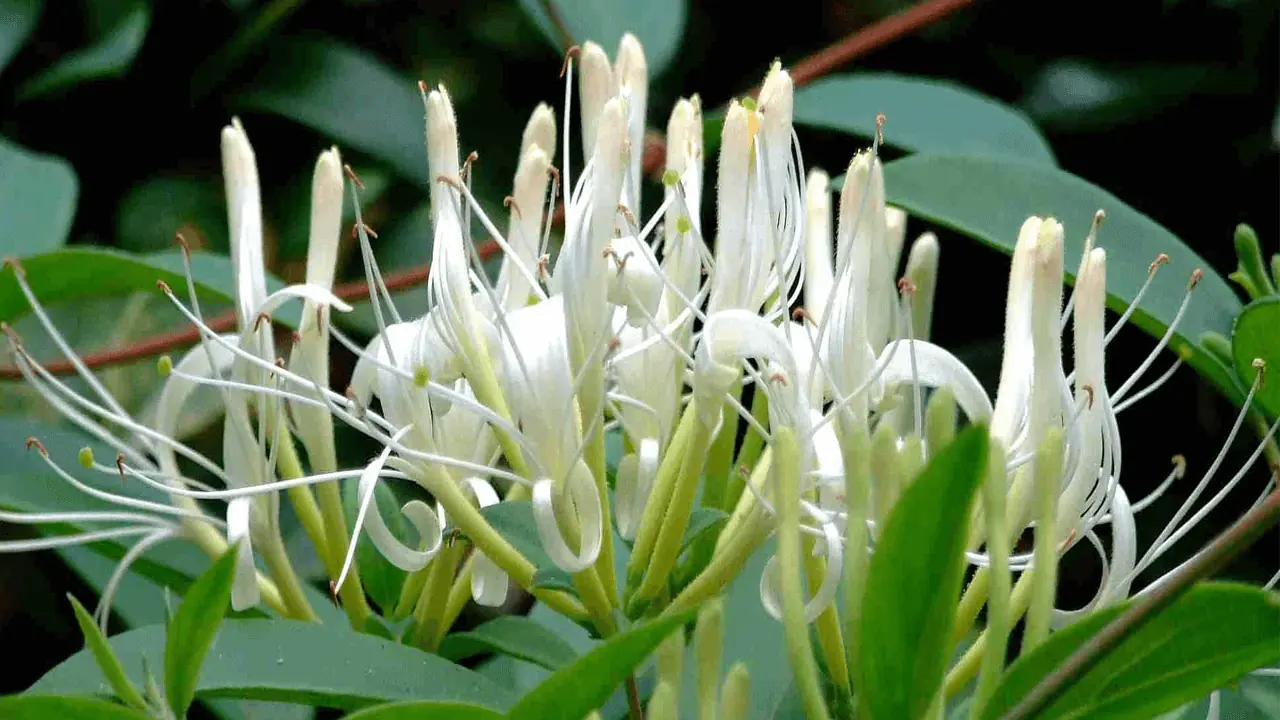
The health benefits and practical home uses of Japanese honeysuckle
A look at the health benefits and home remedies using Japanese honeysuckle
Health 27/03/2026 12:24
Fatty liver disease is becoming increasingly common worldwide, affecting people of all ages—even those who may not appear overweight or unhealthy. It occurs when excess fat builds up in liver cells, interfering with the liver’s ability to function properly. While early stages are often reversible, ignoring the condition can lead to serious complications over time.
Understanding the causes, recognizing the warning signs, and adopting the right lifestyle changes are essential steps in managing and improving this condition.
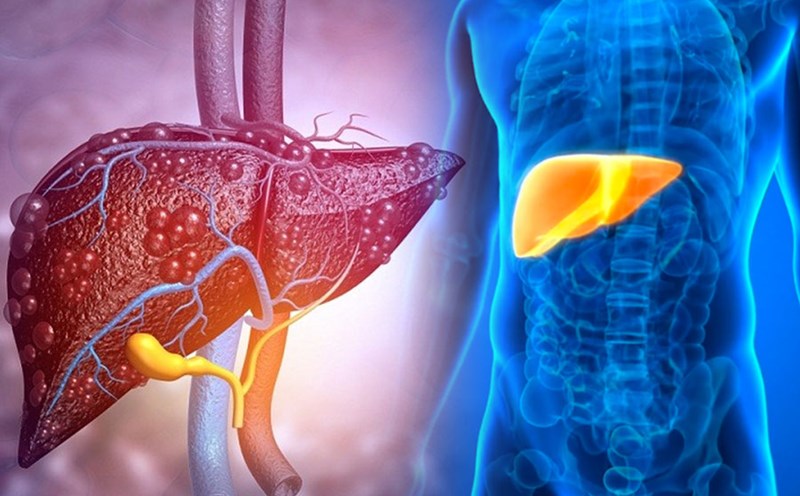
Fatty liver disease refers to the accumulation of fat in the liver. It is generally categorized into two main types:
In many cases, NAFLD is linked to modern lifestyle factors such as poor diet and lack of physical activity.
Diets high in sugar, refined carbohydrates, and unhealthy fats can lead to fat buildup in the liver. Sugary drinks, processed foods, and fast food are major contributors.
Carrying extra body fat—especially around the abdomen—is strongly associated with fatty liver disease. Fat stored in the body can also accumulate in the liver.
When the body becomes less responsive to insulin, blood sugar levels rise, and fat storage increases. This is a key factor in the development of NAFLD.
A sedentary lifestyle slows metabolism and promotes fat accumulation, including in the liver.
Alcohol can damage liver cells and promote fat buildup, leading to inflammation and more severe liver conditions.
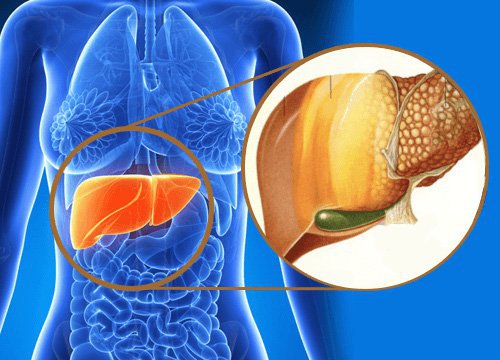
One of the challenges with fatty liver disease is that it often develops silently, especially in the early stages. However, as the condition progresses, certain symptoms may appear:
Persistent tiredness is one of the most common symptoms, as the liver struggles to function efficiently.
Mild pain or a feeling of fullness in the upper right side of the abdomen may occur due to liver enlargement.
Some individuals may experience weight gain related to metabolic issues, while others may notice unexpected weight loss in advanced stages.
Nausea, bloating, or poor appetite can be linked to liver dysfunction.
If the condition worsens, symptoms such as yellowing of the skin (jaundice), swelling, or confusion may appear—indicating serious liver damage.
Fatty liver disease is often reversible in its early stages. However, if left untreated, it can progress to more severe conditions such as:
Early detection and lifestyle changes can prevent these complications and restore liver health.
Focus on whole, nutrient-rich foods:
Reduce intake of sugar, processed foods, and saturated fats.
Gradual weight loss can significantly reduce liver fat. Even a 5–10% reduction in body weight can lead to noticeable improvements.
Physical activity helps improve metabolism and reduce fat accumulation.
Aim for:
Reducing or eliminating alcohol intake is crucial, especially for those with alcohol-related fatty liver disease.
Keeping blood sugar and cholesterol levels under control supports overall liver health and reduces the risk of progression.
Routine medical check-ups can help monitor liver function and detect changes early.
Unlike many other conditions, fatty liver disease often responds well to lifestyle changes. Small, consistent improvements in diet, activity, and daily habits can lead to significant long-term benefits.
It’s not about quick fixes, but about building sustainable routines that support your body’s natural healing processes.
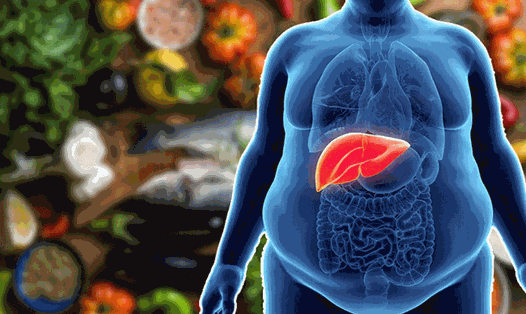
Fatty liver disease is a growing health concern, but it is also one of the most manageable when detected early. By understanding its causes, recognizing the warning signs, and making informed lifestyle choices, you can take control of your liver health.
Your liver works silently to keep your body functioning—taking care of it through balanced habits is one of the most important investments you can make in your long-term well-being.
A look at the health benefits and home remedies using Japanese honeysuckle

5 Warning Signs Your Colon Might Be in Danger

Turmeric Water: Hype or Health Miracle? Here’s What Science Says
10 Powerful Health Benefits of Avocados You Can’t Afford to Ignore

4 Groups of People Who Should Never Eat Garlic

An affordable vegetable that offers high nutritional value and plenty of calcium

Doctors advise that feeling your heartbeat at rest could be linked to an underlying health issue
The Effects of Coconut Water on Your Kidney Health

We often assume that sleep only “belongs” to the night. Yet, the truth is that humans are naturally designed to rest in short intervals throughout the day—just like many animals that nap in small bursts to stay alert and energized.
Ginger is often celebrated for its powerful anti-inflammatory and digestive benefits. It’s a popular home remedy for nausea, colds, and muscle pain — and for most people, it’s perfectly safe.

The One Morning Habit Sleep Doctors Say You Should NEVER Do

Luffa, also known as sponge gourd, is a highly nutritious vegetable that has long been valued in traditional diets for its wide range of health benefits.
Warning Signs Your Body Might Be Developing Cancer
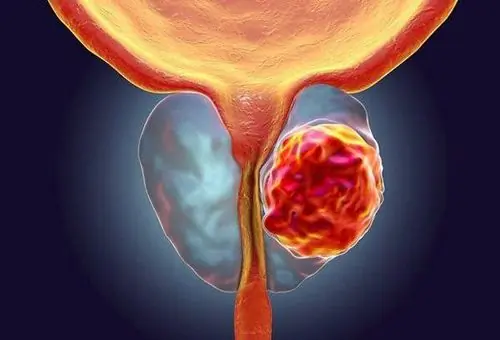
Bladder Cancer: 5 Symptoms You Need to Watch For

Physicians caution that daily habits may contribute to kidney dam.age earlier in life

How Many Eggs a Day Is Actually Healthy?
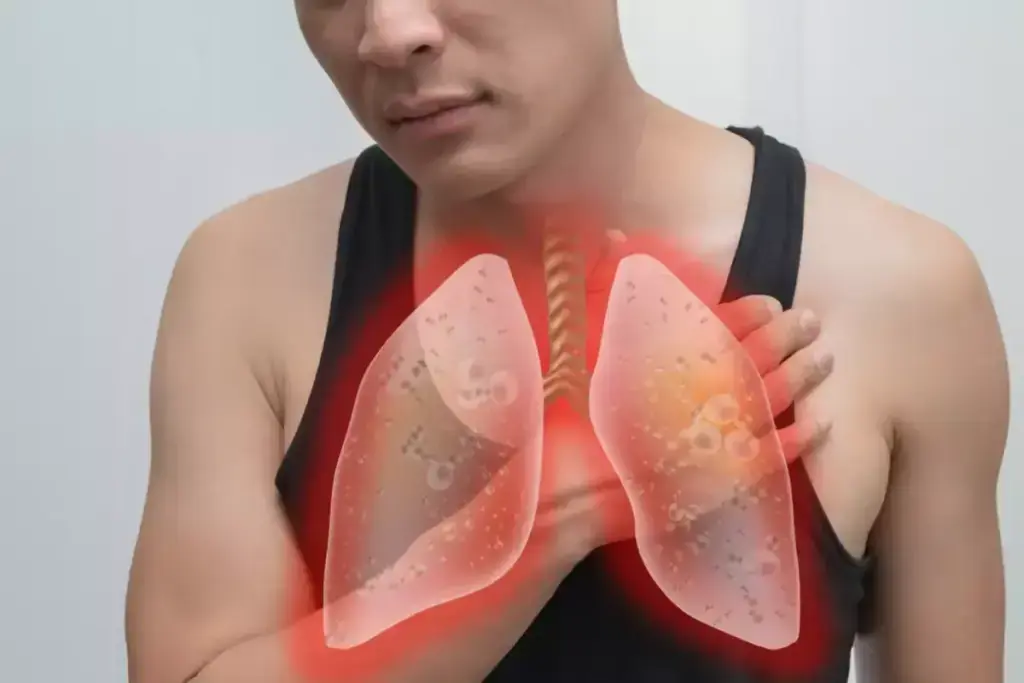
A simple cough could mean more than you think
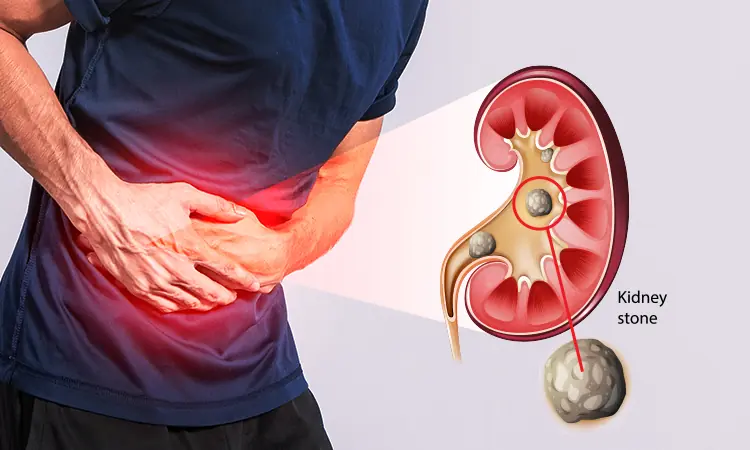
These 4 drinks may help dissolve kidney stones naturally
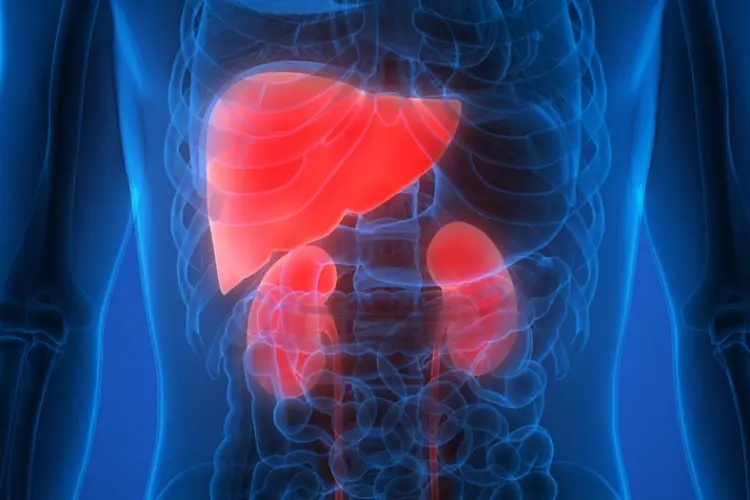
You drink water every day, but mistake #2 is silently damaging your liver and kidneys.

Why does eating trigger the urge to use the bathroom in some people?
A look at the health benefits and home remedies using Japanese honeysuckle
Eating Walnuts Can Do This to Your Body…See How
5 Warning Signs Your Colon Might Be in Danger
Turmeric Water: Hype or Health Miracle? Here’s What Science Says
10 Powerful Health Benefits of Avocados You Can’t Afford to Ignore
4 Groups of People Who Should Never Eat Garlic
An affordable vegetable that offers high nutritional value and plenty of calcium
Doctors advise that feeling your heartbeat at rest could be linked to an underlying health issue
The Effects of Coconut Water on Your Kidney Health
What Raw Cabbage Could Be Doing to Your Body
We often assume that sleep only “belongs” to the night. Yet, the truth is that humans are naturally designed to rest in short intervals throughout the day—just like many animals that nap in small bursts to stay alert and energized.
Ginger is often celebrated for its powerful anti-inflammatory and digestive benefits. It’s a popular home remedy for nausea, colds, and muscle pain — and for most people, it’s perfectly safe.
The One Morning Habit Sleep Doctors Say You Should NEVER Do
Luffa, also known as sponge gourd, is a highly nutritious vegetable that has long been valued in traditional diets for its wide range of health benefits.
Warning Signs Your Body Might Be Developing Cancer
Bladder Cancer: 5 Symptoms You Need to Watch For
Physicians caution that daily habits may contribute to kidney dam.age earlier in life
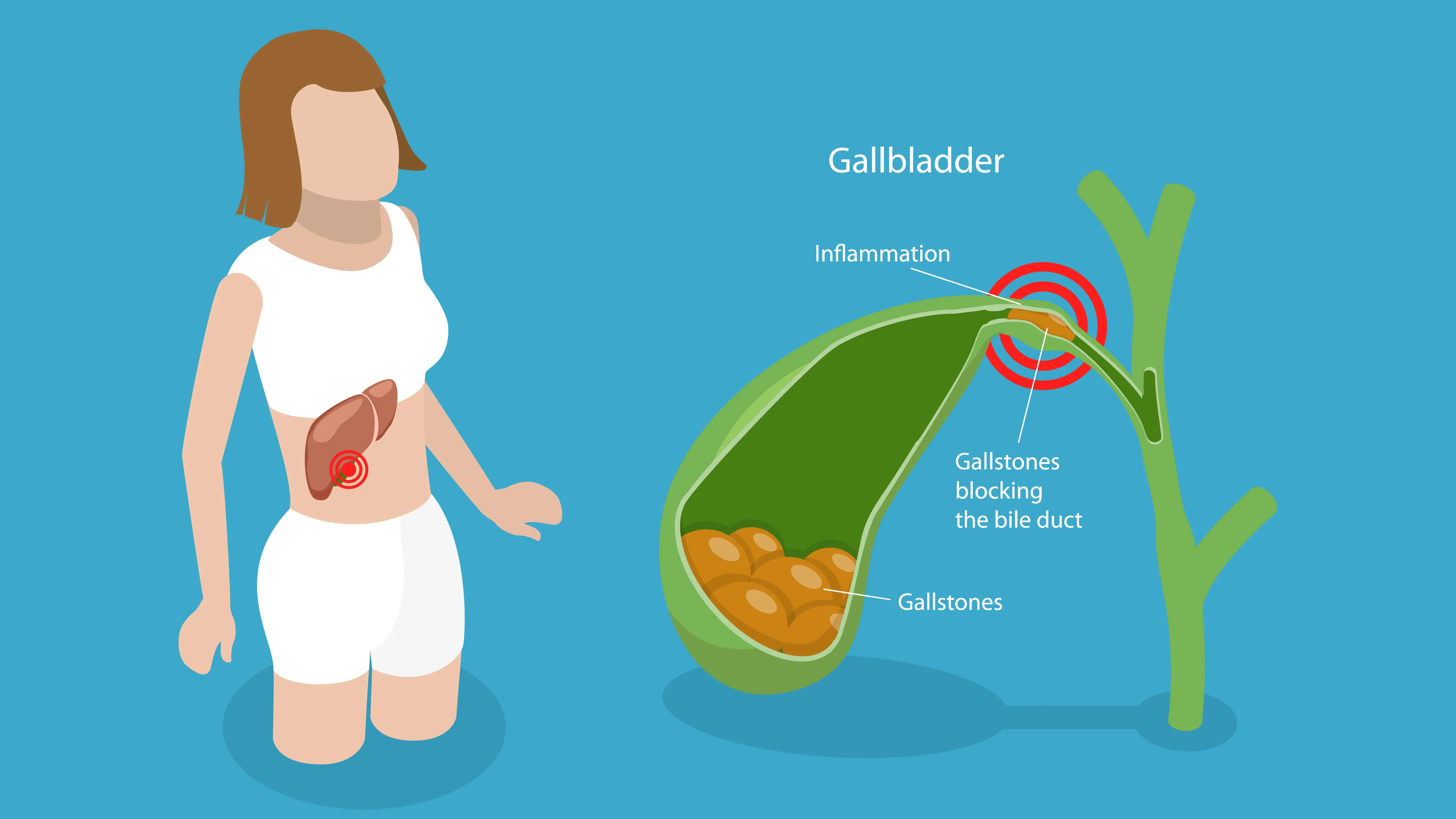
Gallbladder Cancer: 6 Subtle Symptoms to Watch For