Fatty liver disease is becoming increasingly common, yet many people don't realize they have it until a routine blood test or medical examination reveals a problem.
The condition occurs when excess fat accumulates in the liver. Today, the term metabolic dysfunction-associated steatotic liver disease (MASLD) is commonly used for fatty liver associated with metabolic risk factors such as obesity, insulin resistance, type 2 diabetes, and abnormal cholesterol levels.
One of the challenging things about fatty liver is that it often causes no obvious symptoms in its early stages.
However, as liver disease progresses - or when other metabolic or liver-related conditions occur alongside fatty liver - certain changes in the skin may become noticeable.
These signs are not diagnostic of fatty liver by themselves. Many can have completely unrelated causes. Still, recognizing them can help you know when it's worth discussing your overall health and liver function with a healthcare professional.
Here are seven skin changes worth knowing about.

1. Yellowing of the Skin or Eyes
One of the most recognizable liver-related changes is jaundice, which causes the skin or whites of the eyes to appear yellow.
Jaundice occurs when bilirubin, a yellow substance produced during the breakdown of red blood cells, accumulates in the bloodstream.
A healthy liver helps process bilirubin and facilitates its elimination through bile. When liver function or bile flow is significantly impaired, bilirubin can build up.
What might you notice?
You may see:
-
Yellowing of the whites of the eyes
-
Yellowish skin
-
Darker-than-usual urine
-
Pale stools
-
Generalized itching
However, jaundice is not a typical early sign of uncomplicated fatty liver.
It is more concerning for significant liver dysfunction or another condition affecting bilirubin metabolism.
If you suddenly develop yellow skin or eyes, seek medical evaluation rather than assuming it is simply fatty liver.
2. Itchy Skin
Persistent itching, medically known as pruritus, can occur with certain liver and bile-duct disorders.
The exact mechanism can vary depending on the underlying condition.
Some people describe the itching as:
-
Generalized
-
Worse at night
-
Present without an obvious rash
-
Difficult to relieve with ordinary moisturizers
It's important to understand that itching is extremely common and can result from many other causes, including:
-
Dry skin
-
Allergies
-
Eczema
-
Medication reactions
-
Kidney disease
-
Thyroid disorders
So itching alone does not mean you have fatty liver.
But persistent unexplained itching accompanied by jaundice, dark urine, abdominal symptoms, or other changes deserves medical attention.
3. Spider Angiomas or Spider Veins
Another skin finding associated with certain chronic liver diseases is the appearance of spider angiomas, also called spider nevi.
These are small blood vessels that look like a red spot in the center with tiny branches radiating outward.
They may resemble a small spider.
They can occur on the:
-
Face
-
Neck
-
Upper chest
-
Shoulders
-
Arms
If you press the center, the redness may temporarily fade and then return when you release the pressure.
Are spider angiomas caused by fatty liver?
Not necessarily.
They are more strongly associated with certain forms of advanced chronic liver disease and hormonal changes.
They can also occur in healthy people, particularly during pregnancy.
Therefore, having one or two spider angiomas doesn't mean your liver is failing.
Multiple new lesions combined with other signs of chronic liver disease deserve evaluation.
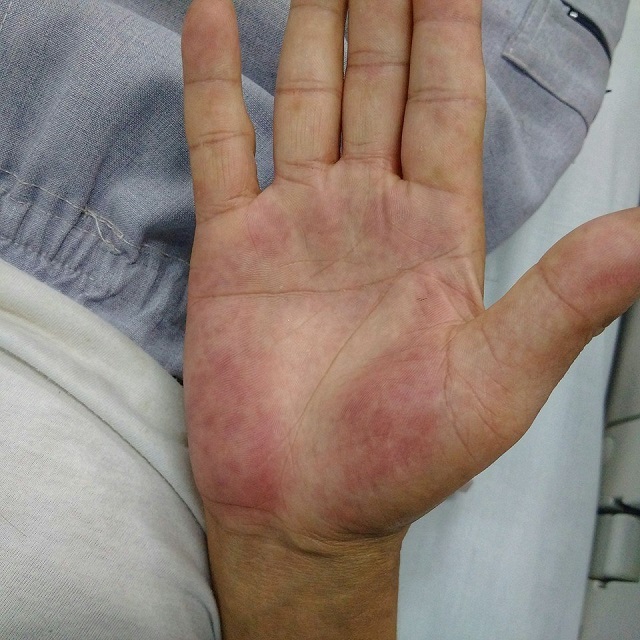
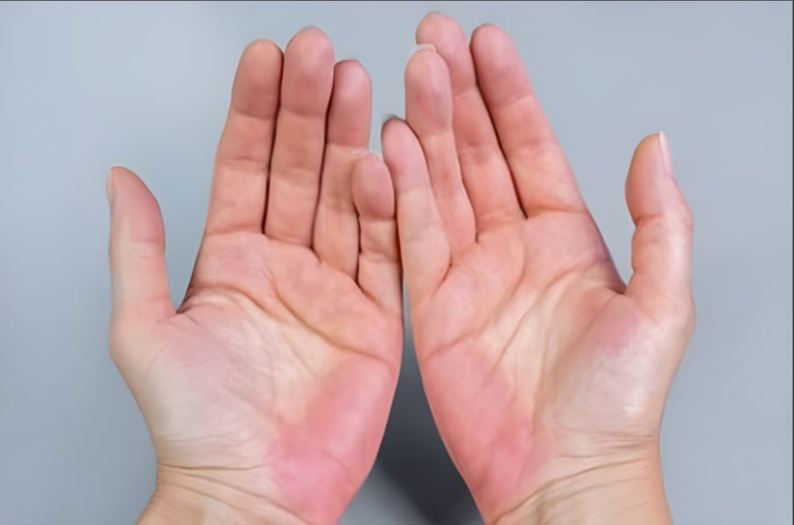
4. Red Palms
Another well-known liver-related skin finding is palmar erythema, which refers to unusual redness of the palms.
The redness can be especially noticeable around the fleshy areas near the base of the thumb and little finger.
You may notice that:
-
Both palms appear red
-
The redness is more obvious than usual
-
The palms feel warm
-
The color changes with temperature or pressure
Palmar erythema can occur in chronic liver disease, but it is not specific to liver problems.
Other possible causes include:
-
Pregnancy
-
Rheumatoid arthritis
-
Thyroid disorders
-
Certain medications
-
Normal variation
As with other skin signs, context matters.
A new persistent change combined with other symptoms should be evaluated rather than interpreted as proof of fatty liver.
5. Easy Bruising
Some people with advanced liver disease may bruise more easily.
The liver produces many proteins involved in blood clotting. Significant liver dysfunction can interfere with this process.
As a result, a person may notice bruises appearing after relatively minor bumps.
You might see unexplained bruises on:
-
Arms
-
Legs
-
Hands
-
Torso
However, easy bruising has many possible explanations.
It can also be associated with:
-
Aspirin or anticoagulant medications
-
Certain supplements
-
Nutritional deficiencies
-
Low platelet counts
-
Aging skin
-
Blood disorders
If bruising suddenly becomes much more frequent or severe, it's worth discussing with a healthcare professional.
6. Darkening or Changes in Skin Color
Changes in skin pigmentation can occur for many reasons.
In people with metabolic conditions, acanthosis nigricans may be particularly relevant.
This condition causes areas of skin to become:
-
Darker
-
Thicker
-
Velvety
-
More noticeable in skin folds
Common locations include:
-
Neck
-
Armpits
-
Groin
-
Elbows
-
Knees
Acanthosis nigricans is strongly associated with insulin resistance.
And insulin resistance is closely associated with metabolic dysfunction-associated steatotic liver disease.
This means acanthosis nigricans isn't a direct "fatty liver rash."
Instead, it can be a visible clue that metabolic health deserves attention.
If you notice a new velvety dark patch around your neck or armpits, consider discussing blood glucose and metabolic risk factors with a healthcare professional.
7. Dry or Unhealthy-Looking Skin
Some people with liver disease report changes such as:
-
Dryness
-
Scaling
-
Increased sensitivity
-
General skin discomfort
But dry skin is not a specific sign of fatty liver.
It can result from:
-
Cold weather
-
Low humidity
-
Frequent bathing
-
Harsh soaps
-
Eczema
-
Dehydration
-
Aging
-
Thyroid problems
-
Certain medications
Therefore, dry skin alone should not be used to diagnose liver disease.
If skin changes persist or occur alongside other symptoms, an examination can help determine the cause.
Why Can Liver Disease Affect the Skin?
The liver has a major role in regulating many processes throughout the body.
It helps:
-
Process nutrients
-
Metabolize hormones
-
Produce proteins
-
Regulate cholesterol and fats
-
Process bilirubin
-
Support blood clotting
-
Handle many medications and chemicals
When liver function becomes significantly impaired, changes in these systems can sometimes become visible in the skin.
However, the severity and type of skin findings depend heavily on the underlying liver condition and its stage.
This is why it is inaccurate to treat every skin change as a direct sign of fatty liver.
Fatty Liver Often Has No Skin Symptoms
This may be the most important point in the entire article.
Most people with early fatty liver don't develop a distinctive skin symptom that allows them to recognize the condition at home.
A person can have fatty liver while:
-
Feeling normal
-
Having normal-looking skin
-
Having no abdominal pain
-
Having no obvious jaundice
The condition may be discovered during:
-
Routine blood testing
-
An abdominal ultrasound
-
Evaluation of diabetes
-
Cholesterol testing
-
Investigation of abnormal liver enzymes
This is why people with metabolic risk factors should not wait for visible skin changes before discussing liver health with a healthcare professional.
What Increases the Risk of Fatty Liver?
Fatty liver is closely connected to metabolic health.
Risk factors can include:
Excess Body Weight
Particularly excess abdominal fat.
Insulin Resistance
The body's cells don't respond normally to insulin.
Type 2 Diabetes
Diabetes is strongly associated with fatty liver disease.
High Triglycerides
Elevated blood triglycerides can accompany metabolic dysfunction.
High Blood Pressure
Hypertension frequently occurs alongside other metabolic risk factors.
Sedentary Lifestyle
Low physical activity can contribute to insulin resistance and weight gain.
Unhealthy Dietary Patterns
A diet high in added sugars, highly processed foods, and excess calories can contribute to metabolic dysfunction.
Can Thin People Develop Fatty Liver?
Yes.
Fatty liver isn't exclusively a condition affecting people with obesity.
People with a normal body mass index can also develop fatty liver, sometimes referred to as lean MASLD.
Risk can be influenced by:
-
Genetics
-
Insulin resistance
-
Diet
-
Visceral fat
-
Metabolic health
-
Certain medications
-
Other medical conditions
This is why body weight alone doesn't determine whether someone has liver disease.
What Happens if Fatty Liver Progresses?
Fatty liver exists on a spectrum.
Some people have fat accumulation without significant inflammation or scarring.
Others develop liver inflammation and injury.
Over time, some people can develop:
Steatohepatitis → fibrosis → cirrhosis
Not everyone follows this progression.
But persistent liver injury can increase the risk of advanced liver disease.
Once significant scarring develops, complications become more likely.
What Is Liver Fibrosis?
Fibrosis refers to the formation of scar tissue in the liver.
Repeated inflammation or injury can stimulate the liver to produce excessive connective tissue.
Early fibrosis may cause no obvious symptoms.
As fibrosis progresses, liver structure and function can become increasingly impaired.
Doctors can evaluate fibrosis using blood-based scores, imaging, elastography, and sometimes other tests.
What Is Cirrhosis?
Cirrhosis is advanced scarring that significantly alters the structure of the liver.
Possible complications include:
-
Ascites
-
Leg swelling
-
Jaundice
-
Variceal bleeding
-
Confusion
-
Liver failure
-
Increased risk of liver cancer
Cirrhosis can have many causes, including fatty liver disease, viral hepatitis, alcohol-associated liver disease, and autoimmune or inherited conditions.
Other Symptoms to Watch For
If you are concerned about liver health, pay attention to the overall pattern rather than focusing only on your skin.
Possible symptoms can include:
Persistent Fatigue
Unusual tiredness can occur with many medical conditions.
Right Upper Abdominal Discomfort
Some people with fatty liver report discomfort in the upper-right abdomen, although many have no pain.
Unexplained Weight Changes
Unexpected weight loss or gain deserves evaluation.
Loss of Appetite
This can occur in more advanced illness.
Nausea
Persistent nausea has many possible causes but shouldn't be ignored when combined with other symptoms.
Abdominal Swelling
Fluid accumulation can occur in advanced liver disease.
Leg and Ankle Swelling
This can also occur in advanced liver disease, although heart, kidney, and venous conditions are other common causes.
Dark Urine and Pale Stool Can Be Important
Changes in urine and stool can sometimes occur when bilirubin or bile flow is abnormal.
You may notice:
-
Tea-colored or unusually dark urine
-
Pale or clay-colored stools
These findings aren't specific to fatty liver, but they can indicate a problem involving the liver or biliary system.
If they persist, seek medical evaluation.
Why Liver Blood Tests Matter
A healthcare professional may order blood tests to evaluate liver health.
Common tests include:
-
ALT
-
AST
-
Alkaline phosphatase
-
Bilirubin
-
Albumin
-
Platelet count
Elevated liver enzymes can suggest liver injury, but they don't always tell you exactly what's causing it.
Some people with fatty liver can have normal liver enzyme levels.
That's another reason why blood tests need to be interpreted alongside medical history and, when appropriate, imaging.
Ultrasound Can Detect Fat in the Liver
An abdominal ultrasound is commonly used to evaluate the liver.
It can sometimes show evidence of excess fat.
Other imaging techniques, including specialized ultrasound-based elastography or MRI, may provide additional information about liver fat and fibrosis.
The appropriate test depends on your risk factors and clinical situation.
How Can You Reduce the Risk of Fatty Liver?
There isn't a single miracle food or supplement that prevents fatty liver.
The most effective approach is to improve overall metabolic health.
1. Maintain a Healthy Weight
If you have excess body weight, gradual weight loss can reduce liver fat.
Even modest weight loss can be beneficial, while greater sustained weight loss may provide larger improvements for some people.
2. Exercise Regularly
Physical activity can improve insulin sensitivity and reduce liver fat, even when weight doesn't change dramatically.
Aim for a sustainable combination of:
-
Walking
-
Cycling
-
Swimming
-
Strength training
-
Other enjoyable activities
3. Reduce Added Sugar
Excessive intake of sugar-sweetened beverages and highly processed foods can contribute to metabolic dysfunction.
Consider limiting:
-
Soda
-
Sweetened tea
-
Energy drinks
-
Candy
-
Cakes
-
Sweetened desserts
Whole fruit is different from sugary beverages because it provides fiber and other nutrients.
4. Choose More Whole Foods
A liver-friendly eating pattern can include:
-
Vegetables
-
Fruits
-
Whole grains
-
Beans
-
Lentils
-
Fish
-
Nuts
-
Seeds
-
Lean proteins
-
Unsaturated fats
A Mediterranean-style eating pattern is one evidence-supported example of an overall healthy dietary approach.
5. Be Careful With Alcohol
Alcohol can contribute to liver injury.
If you have known liver disease, discuss alcohol consumption with your healthcare professional.
Depending on the type and severity of liver disease, complete avoidance may be recommended.
6. Manage Diabetes and Cholesterol
Blood glucose, triglycerides, cholesterol, and blood pressure are all connected to metabolic health.
Keeping these factors under appropriate control can help reduce the risk of liver disease progression.
Follow prescribed medications and attend recommended medical checkups.
7. Don't Rely on "Liver Detox" Products
Many supplements are marketed as liver cleanses.
But your liver already performs its normal metabolic and detoxification functions.
Some supplements can actually cause drug-induced liver injury.
Be cautious about products promising to:
-
Cleanse the liver
-
Melt liver fat
-
Repair the liver overnight
-
Reverse cirrhosis
-
Detox the body
Talk to a healthcare professional before starting supplements marketed for liver health.
When Should You See a Doctor?
Consider making an appointment if you notice persistent or unexplained:
-
Yellowing of the skin or eyes
-
Multiple new spider angiomas
-
Significant palm redness
-
Unexplained bruising
-
Persistent itching
-
Dark urine
-
Pale stools
-
Abdominal swelling
-
Leg swelling
-
Unusual fatigue
You should also consider evaluation if you have major risk factors for fatty liver, even if you feel completely healthy.
When Is It an Emergency?
Seek urgent medical care if you develop symptoms such as:
-
Vomiting blood
-
Black, tarry stools
-
Severe confusion
-
Loss of consciousness
-
Severe abdominal swelling
-
Sudden significant jaundice
-
Severe abdominal pain
-
New neurological symptoms
These can indicate serious complications that require immediate evaluation.
A Simple Liver-Health Checklist
You don't need to obsess over every skin change.
Instead, ask yourself:
Do I have risk factors for fatty liver?
Have my blood glucose and cholesterol been checked?
Do I have unexplained changes in my skin or eyes?
Have I noticed persistent fatigue or abdominal symptoms?
Do I regularly drink excessive amounts of alcohol?
Am I taking medications or supplements that could affect the liver?
Have I had a liver-function test when medically appropriate?
These questions can be much more useful than trying to diagnose fatty liver from a photograph of your hands or arms.
The Bottom Line
Certain skin changes can occur in people with chronic liver disease, but they are not reliable standalone signs of fatty liver.
Seven changes worth knowing about include:
-
Yellowing of the skin or eyes
-
Persistent itching
-
Spider angiomas
-
Red palms
-
Easy bruising
-
Dark, velvety skin changes associated with insulin resistance
-
Dryness or other nonspecific skin changes
Some of these are more closely associated with advanced liver disease or related metabolic conditions than with uncomplicated early fatty liver.
That's why the most important message is not to diagnose yourself based on your skin.
Fatty liver can exist without obvious symptoms.
If you're concerned about your liver, proper evaluation may include blood tests, a medical examination, and imaging when appropriate.
Final Thoughts
Your skin can sometimes provide clues about what's happening inside your body, but it is not a substitute for medical testing.
A red palm, itchy skin, or a new spot on your arm doesn't automatically mean you have fatty liver.
However, if several changes appear together—or if skin changes occur alongside jaundice, unusual fatigue, abdominal swelling, dark urine, unexplained bruising, or other symptoms—it's worth getting checked.
The good news is that fatty liver is often closely connected to modifiable metabolic factors.
Improving diet, increasing physical activity, managing blood sugar and cholesterol, maintaining a healthy weight, and avoiding excessive alcohol can all play important roles in protecting liver health.
Don't wait for your skin to become your first warning sign. Regular medical care and attention to metabolic health can identify liver problems much earlier.