Fatty liver disease is one of the most common liver conditions worldwide, affecting an estimated one in four adults in many populations. It occurs when excess fat accumulates in the liver cells, often without causing noticeable symptoms in its early stages. Because the liver is remarkably resilient, many people are unaware they have fatty liver disease until it is discovered during routine blood tests or imaging studies.
While early-stage fatty liver disease is often reversible, leaving it untreated may increase the risk of inflammation, liver scarring (fibrosis), cirrhosis, and, in some cases, liver failure or liver cancer. Fortunately, many people can significantly improve their liver health through healthy lifestyle changes and appropriate medical care.
This guide explores the early warning signs, common causes, diagnosis, treatment options, and practical prevention strategies for fatty liver disease.
What Is Fatty Liver Disease?
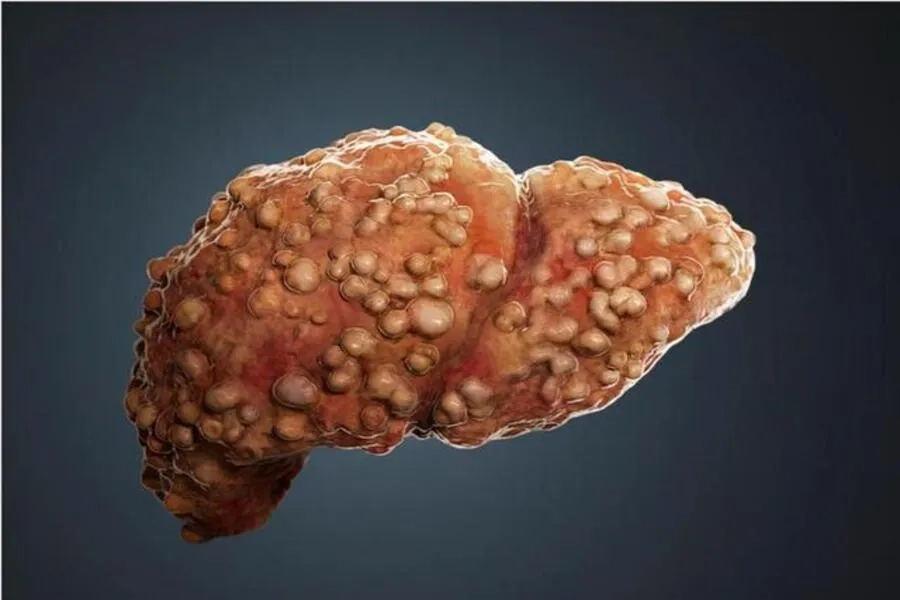
Fatty liver disease occurs when excess fat builds up inside liver cells.
Normally, the liver contains a small amount of fat. However, when fat accounts for more than approximately 5% of the liver's weight, it is generally considered fatty liver disease.
There are two main types:
1. Alcohol-Related Liver Disease (ALD)
This form is caused by excessive alcohol consumption over time.
2. Metabolic Dysfunction-Associated Steatotic Liver Disease (MASLD)
Previously known as Non-Alcoholic Fatty Liver Disease (NAFLD), this condition develops in people who drink little or no alcohol and is strongly linked to metabolic risk factors such as obesity and type 2 diabetes.
Why the Liver Is So Important
The liver performs more than 500 essential functions, including:
-
Filtering toxins from the blood
-
Processing nutrients
-
Producing bile for digestion
-
Regulating blood sugar
-
Storing vitamins and minerals
-
Producing proteins needed for blood clotting
-
Helping metabolize medications
Because the liver is involved in so many body systems, keeping it healthy is essential for overall well-being.
Who Is at Risk?
Several factors increase the likelihood of developing fatty liver disease.
These include:
-
Overweight or obesity
-
Type 2 diabetes
-
Prediabetes
-
High cholesterol
-
High triglycerides
-
High blood pressure
-
Metabolic syndrome
-
Physical inactivity
-
Sleep apnea
-
Polycystic ovary syndrome (PCOS)
-
Family history of liver disease
Although excess weight is a major risk factor, fatty liver disease can also occur in people with a normal body weight.
Early Signs of Fatty Liver Disease
One of the biggest challenges is that fatty liver disease often causes no symptoms in its early stages.
When symptoms do occur, they may include:
-
Persistent fatigue
-
Feeling unusually tired
-
Mild discomfort in the upper right abdomen
-
Reduced energy
-
Difficulty concentrating
Because these symptoms are nonspecific, many people do not realize they may have liver disease.
Symptoms of More Advanced Disease
As liver damage progresses, symptoms may become more noticeable.
These can include:
-
Unexplained weight loss
-
Loss of appetite
-
Weakness
-
Swelling in the legs
-
Swelling of the abdomen (ascites)
-
Yellowing of the skin or eyes (jaundice)
-
Easy bruising
-
Confusion or difficulty thinking clearly
These symptoms require prompt medical evaluation.
What Causes Fatty Liver Disease?
Fatty liver develops when the liver stores more fat than it can process or remove.
Several factors contribute.
Insulin Resistance
Insulin resistance is one of the most important drivers of fatty liver disease.
When the body's cells become less responsive to insulin, fat is more likely to accumulate in the liver.
Excess Calories
Consistently consuming more calories than the body needs can increase fat storage throughout the body, including the liver.
High Intake of Added Sugars
Large amounts of added sugars—particularly fructose found in many sugar-sweetened beverages and processed foods—may contribute to fat buildup in the liver.
Excess Alcohol
Alcohol places additional stress on the liver and may lead to alcohol-related fatty liver disease.
Certain Medications
Some medications may contribute to fatty liver in certain individuals.
Always discuss concerns with your healthcare provider before stopping any medication.
How Is Fatty Liver Diagnosed?
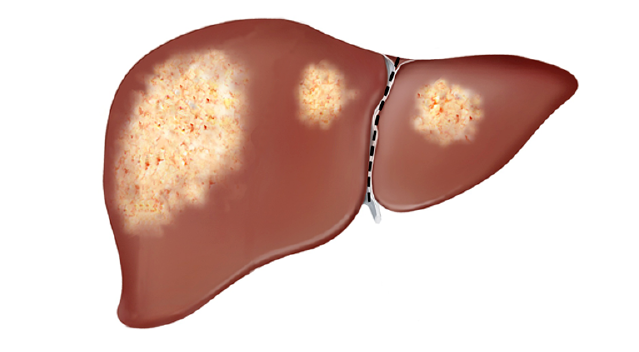
Because symptoms are often absent, diagnosis frequently begins with routine testing.
Your healthcare provider may recommend:
Blood Tests
These may include:
-
ALT
-
AST
-
GGT
-
Bilirubin
-
Albumin
It's important to remember that normal liver enzyme levels do not always rule out fatty liver disease.
Ultrasound
Ultrasound is one of the most common imaging tests used to detect excess fat in the liver.
FibroScan (Transient Elastography)
This specialized ultrasound measures liver stiffness and helps estimate the degree of liver scarring.
CT Scan or MRI
These imaging studies may provide additional information when needed.
Liver Biopsy
In selected cases, a liver biopsy may be recommended to determine the severity of inflammation and fibrosis.
Can Fatty Liver Be Reversed?
In many cases, yes.
Early fatty liver disease can often improve or even resolve through lifestyle changes.
However, advanced cirrhosis is generally not reversible, making early diagnosis especially important.
Treatment Options
There is currently no single medication approved specifically to cure most cases of MASLD/NAFLD.
Instead, treatment focuses on addressing the underlying causes.
1. Weight Loss
Weight loss is one of the most effective treatments for fatty liver disease in people who are overweight or obese.
Research suggests that gradual weight loss may:
-
Reduce liver fat
-
Improve liver inflammation
-
Slow or reverse early fibrosis
Rapid weight loss is generally not recommended because it may temporarily worsen liver problems in some cases.
2. Healthy Eating
A balanced diet supports liver health.
Many healthcare providers recommend dietary patterns similar to the Mediterranean diet, which emphasizes:
-
Vegetables
-
Fruits
-
Whole grains
-
Beans
-
Nuts
-
Olive oil
-
Fish
-
Lean poultry
Limiting highly processed foods and added sugars may also help.
3. Regular Physical Activity
Exercise benefits the liver even if weight loss is modest.
Aim for at least:
150 minutes of moderate-intensity physical activity each week, unless advised otherwise by your healthcare provider.
Both aerobic exercise and strength training offer benefits.
4. Manage Diabetes
Good blood sugar control helps reduce stress on the liver.
People with diabetes should follow their prescribed treatment plan and attend regular medical appointments.
5. Control Cholesterol and Blood Pressure
Managing cholesterol and blood pressure helps reduce the overall burden of metabolic disease and supports long-term liver health.
6. Limit or Avoid Alcohol
People with fatty liver disease are often advised to limit or avoid alcohol, particularly if liver inflammation or fibrosis is present.
Discuss individualized recommendations with your healthcare provider.
Foods That Support Liver Health
Although no single food can cure fatty liver disease, a balanced diet may include:
Leafy Green Vegetables
Examples:
-
Spinach
-
Kale
-
Arugula
These provide fiber, vitamins, and antioxidants.
Whole Grains
Such as:
-
Oats
-
Brown rice
-
Whole wheat
-
Barley
Whole grains provide fiber and may support healthy blood sugar control.
Fatty Fish
Examples include:
-
Salmon
-
Sardines
-
Mackerel
These provide omega-3 fatty acids, which support heart health and are being studied for their potential role in liver health.
Nuts
Nuts provide healthy fats, fiber, and plant compounds.
Moderation is important because they are calorie-dense.
Coffee
Research suggests that regular coffee consumption (without excessive sugar or cream) may be associated with a lower risk of liver fibrosis and certain chronic liver diseases in many adults.
Coffee may not be appropriate for everyone, so discuss your individual situation with your healthcare provider.
Foods and Drinks to Limit
People with fatty liver disease may benefit from limiting:
-
Sugar-sweetened beverages
-
Highly processed snacks
-
Refined carbohydrates
-
Excess desserts
-
Fried foods
-
Large amounts of saturated fat
-
Excess alcohol
Occasional treats can often fit into a balanced diet, but consistency matters.
The Importance of Sleep
Poor sleep has been linked to metabolic disorders that may contribute to fatty liver disease.
Aim for:
-
7–9 hours of quality sleep each night (for most adults)
Good sleep also supports weight management and blood sugar regulation.
Can Supplements Cure Fatty Liver?
Many supplements are marketed as "liver cleansers."
However, there is currently no strong scientific evidence that supplements alone can cure fatty liver disease.
Some supplements may even cause liver injury.
Always consult your healthcare provider before taking herbal or dietary supplements.
Common Myths About Fatty Liver
Myth 1: Only People Who Drink Alcohol Get Fatty Liver
False.
MASLD/NAFLD occurs in people who consume little or no alcohol and is closely linked to metabolic health.
Myth 2: Fatty Liver Always Causes Symptoms
Most people have no symptoms during the early stages.
Myth 3: A Liver Detox Drink Can Reverse Fatty Liver
No "detox" beverage has been proven to reverse fatty liver disease.
Long-term lifestyle changes remain the foundation of treatment.
Myth 4: Only Overweight People Develop Fatty Liver
Although obesity increases the risk, people with a healthy body weight can also develop fatty liver disease.
How to Help Prevent Fatty Liver Disease
Healthy daily habits can significantly reduce your risk.
Consider:
-
Maintaining a healthy weight
-
Exercising regularly
-
Eating a balanced diet
-
Limiting sugary drinks
-
Avoiding smoking
-
Limiting alcohol
-
Managing diabetes and blood pressure
-
Getting regular health checkups
These habits also support heart health and overall metabolic wellness.
When Should You See a Doctor?
Schedule a medical evaluation if you experience:
-
Persistent fatigue
-
Ongoing discomfort in the upper right abdomen
-
Unexplained weight loss
-
Yellowing of the skin or eyes
-
Swelling in the legs or abdomen
-
Abnormal liver blood test results
-
Risk factors such as diabetes or obesity
Early diagnosis provides the best opportunity to slow or reverse disease progression.
The Bottom Line
Fatty liver disease is common, but it often develops silently. Many people have no symptoms until the condition becomes more advanced. Fortunately, early fatty liver disease can often improve through healthy lifestyle changes, including weight management, regular physical activity, a balanced diet, and good control of blood sugar and cholesterol.
While there is no single cure for most cases of MASLD/NAFLD, working closely with your healthcare provider can help prevent complications and protect long-term liver health.
Final Thoughts
Your liver works continuously to support digestion, metabolism, detoxification, and countless other vital functions. Taking care of it doesn't require expensive supplements or trendy detox programs—it starts with everyday habits.
Choosing nutrient-rich foods, staying active, maintaining a healthy weight, limiting alcohol, and managing chronic conditions such as diabetes and high blood pressure are among the most effective ways to protect your liver.
If you have risk factors for fatty liver disease or notice persistent symptoms, don't wait until problems become severe. Talk with your healthcare provider about appropriate screening and personalized treatment options. Early action can make a meaningful difference in preserving liver function and supporting your overall health for years to come.