Fatty liver disease has become increasingly common worldwide, affecting millions of people - many of whom may not even realize they have it. One reason this condition is often called “silent” is because it can develop gradually with few obvious symptoms in the early stages.
Doctors warn that fatty liver disease may progress quietly for years before noticeable health problems appear. While many people with fatty liver never develop severe complications, untreated cases may sometimes lead to:
- Liver inflammation
- Scarring
- Cirrhosis
- Increased metabolic health risks
The good news is that early lifestyle changes may significantly improve liver health in many individuals.
What Is Fatty Liver Disease?
Fatty liver disease occurs when excess fat accumulates inside liver cells.
The condition is commonly divided into two major categories:
- Alcohol-related fatty liver disease
- Nonalcoholic fatty liver disease (NAFLD)
NAFLD is especially associated with:
- Obesity
- Diabetes
- High cholesterol
- Insulin resistance
- Sedentary lifestyle
Because the liver plays such a major role in metabolism and detoxification, liver health affects the entire body.
Why Fatty Liver Disease Often Goes Unnoticed
The liver is highly resilient and may continue functioning even while damage slowly develops.
Many people discover fatty liver accidentally during:
- Routine blood tests
- Ultrasound scans
- Health checkups
before symptoms become obvious.
However, some individuals may begin noticing subtle warning signs as the condition progresses.
1. Persistent Fatigue
One of the most commonly reported symptoms is ongoing fatigue.
People may feel:
- Tired constantly
- Low on energy
- Mentally drained
- Weak without clear explanation
Fatigue linked to liver problems may feel different from normal tiredness because it often persists despite rest.
Why It Happens
The liver plays a major role in:
- Energy regulation
- Metabolism
- Nutrient processing
When liver function becomes impaired, energy levels may decline.
2. Discomfort in the Upper Right Abdomen
Some individuals experience mild pain or pressure in the upper right side of the abdomen where the liver is located.
People may describe:
- Fullness
- Dull aching
- Tightness
- Mild discomfort
The sensation may become more noticeable after eating heavy meals.
3. Unexplained Weight Changes
Fatty liver disease is often associated with metabolic imbalance.
Some people notice:
- Difficulty losing weight
- Increased abdominal fat
- Unexpected weight changes
In more advanced cases, unexplained weight loss may occur.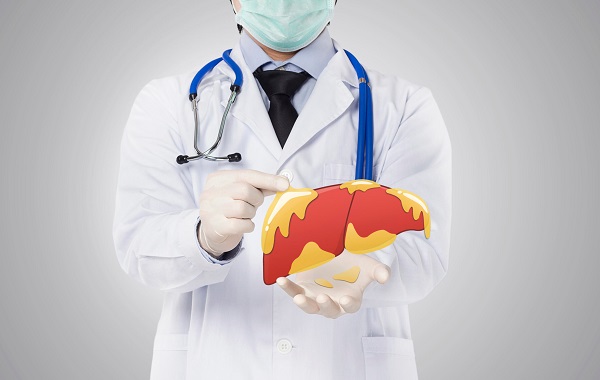
4. Increased Belly Fat
Excess abdominal fat is strongly associated with fatty liver disease.
Doctors often pay close attention to:
- Waist size
- Visceral fat
- Metabolic syndrome signs
because these factors may increase liver risk.
5. Brain Fog and Poor Concentration
Some individuals report:
- Difficulty focusing
- Forgetfulness
- Mental fog
- Reduced concentration
Researchers continue studying how liver health may affect brain function and inflammation.
6. Elevated Blood Sugar or Cholesterol
Fatty liver disease frequently overlaps with:
- Type 2 diabetes
- Insulin resistance
- High triglycerides
- High cholesterol
These conditions often influence one another.
People with metabolic syndrome are at significantly higher risk.
7. Yellowing Skin or Skin Changes
In more advanced liver disease, some individuals may develop:
- Yellowing skin
- Yellow eyes
- Itchy skin
- Dark urine
These symptoms require prompt medical attention because they may signal worsening liver dysfunction.
Fatty Liver Is Often Linked to Lifestyle Factors
Several factors may increase risk, including:
- Poor diet
- Excess sugar intake
- Sedentary lifestyle
- Obesity
- Heavy alcohol use
Modern diets high in:
- Sugary beverages
- Ultra-processed foods
- Refined carbohydrates
may contribute to metabolic problems associated with fatty liver.
Why Sugar and Processed Foods Matter
Excess sugar, especially fructose from sugary drinks, may contribute to:
- Fat accumulation in the liver
- Insulin resistance
- Increased triglycerides
This is one reason doctors encourage reducing:
- Soda
- Sweetened beverages
- Highly processed snacks
Can Fatty Liver Be Reversed?
In many cases, yes.
Early fatty liver disease may improve significantly through lifestyle changes such as:
- Weight loss
- Exercise
- Healthier eating
- Reduced alcohol intake
- Better blood sugar control
Even moderate weight reduction may positively affect liver fat levels.
Exercise Plays a Major Role
Physical activity may help:
- Improve insulin sensitivity
- Reduce liver fat
- Support metabolism
- Improve cardiovascular health
Doctors often recommend:
- Walking
- Cycling
- Strength training
- Consistent movement
rather than extreme short-term programs.
Most People With Fatty Liver Have No Symptoms
This is extremely important.
Many people feel completely normal despite having fatty liver disease.
This is why preventive healthcare and regular checkups matter so much.
Doctors may identify fatty liver through:
- Blood tests
- Ultrasound imaging
- Liver enzyme evaluation
before complications develop.
Why Early Detection Matters
Untreated fatty liver disease may sometimes progress into:
- Liver inflammation
- Fibrosis
- Cirrhosis
However, many people can slow or even reverse progression with early action.
Healthy Habits That Support Liver Health
Doctors often recommend:
- Maintaining healthy weight
- Eating more vegetables
- Reducing processed foods
- Staying active
- Limiting alcohol
- Managing diabetes and cholesterol
Small consistent changes often matter more than extreme diets.
Final Thoughts
Fatty liver disease may begin quietly with symptoms such as fatigue, abdominal discomfort, brain fog, belly fat, metabolic changes, and digestive issues. Because the condition often develops silently, many people may not realize their liver health is being affected until routine testing reveals a problem.
Doctors emphasize that awareness, healthy lifestyle habits, preventive screenings, and early intervention remain essential for protecting long-term liver health and reducing the risk of serious complications.