Chapter 1: The Warning Signs You May Notice Before You Realize Your Liver Is in Trouble
Most people rarely think about their liver when they look down at their feet.
They may notice that their shoes feel tighter than usual, that their ankles appear slightly swollen after a long day, that their feet seem unusually itchy, or that their skin has developed a strange color. These changes are often attributed to aging, standing too long, hot weather, uncomfortable footwear, or simply the natural effects of a busy day.
And in many cases, those explanations may be correct.
But certain changes involving the feet and lower legs can sometimes be connected to problems affecting the body's internal organs—including the liver.
Fatty liver disease is particularly important because it can develop quietly for years. Many people have fat accumulating inside their liver cells without experiencing obvious symptoms. They may feel perfectly normal, continue working, eating, exercising, and living their daily lives without realizing that changes are taking place inside their bodies.
The liver is one of the body's most important organs. It helps process nutrients, metabolize medications, regulate certain substances in the bloodstream, produce proteins, store energy, and support numerous processes necessary for survival.
When fat begins accumulating in liver cells, the condition may initially cause little or no noticeable disruption.
However, in some people, fatty liver disease can progress. Inflammation may develop, liver cells may become damaged, and scar tissue may gradually form. Over time, extensive scarring can interfere with the liver's normal structure and function.
This is when the situation becomes more serious.
Advanced liver disease may begin producing signs that appear far away from the liver itself. The feet and lower legs can sometimes provide clues because changes in fluid balance, circulation, protein production, and other bodily processes may affect these areas.
One of the symptoms that may attract attention is swelling.
A person might notice that their ankles appear puffier than usual, that socks leave deeper marks around their legs, or that the skin around their feet feels stretched. Shoes that once fit comfortably may suddenly feel tight by the evening.
These symptoms can be easy to dismiss.
Someone might assume that they simply walked too much that day. Another person may blame sitting at a desk for several hours. A third might believe that swelling is an unavoidable part of getting older.
But persistent, unexplained swelling deserves attention.
The liver helps produce albumin, a protein that plays an important role in maintaining fluid balance within blood vessels. When advanced liver disease significantly reduces albumin production, fluid may be more likely to move out of blood vessels and accumulate in surrounding tissues.
At the same time, advanced liver disease can affect circulation and contribute to changes in pressure within the blood vessels connected to the liver.
Together, these processes may contribute to swelling in the lower legs and feet.
Still, swollen feet do not automatically mean someone has fatty liver disease.
Heart problems, kidney disease, venous insufficiency, certain medications, prolonged sitting or standing, injuries, and other conditions can also cause swelling.
This is why the location of a symptom is not enough to determine its cause.
The important question is whether the change is persistent, unexplained, worsening, or accompanied by other symptoms.
Fatty liver disease can remain silent for a long time. In some people, the first clues may come from routine blood tests, imaging examinations, or symptoms that appear only when the disease has progressed.
Understanding what the feet may reveal—and what they cannot reveal—can help people recognize warning signs without jumping to frightening conclusions.
The feet are not a diagnostic tool for liver disease.
But sometimes, changes in the feet may be a reason to pay closer attention to the body's overall health.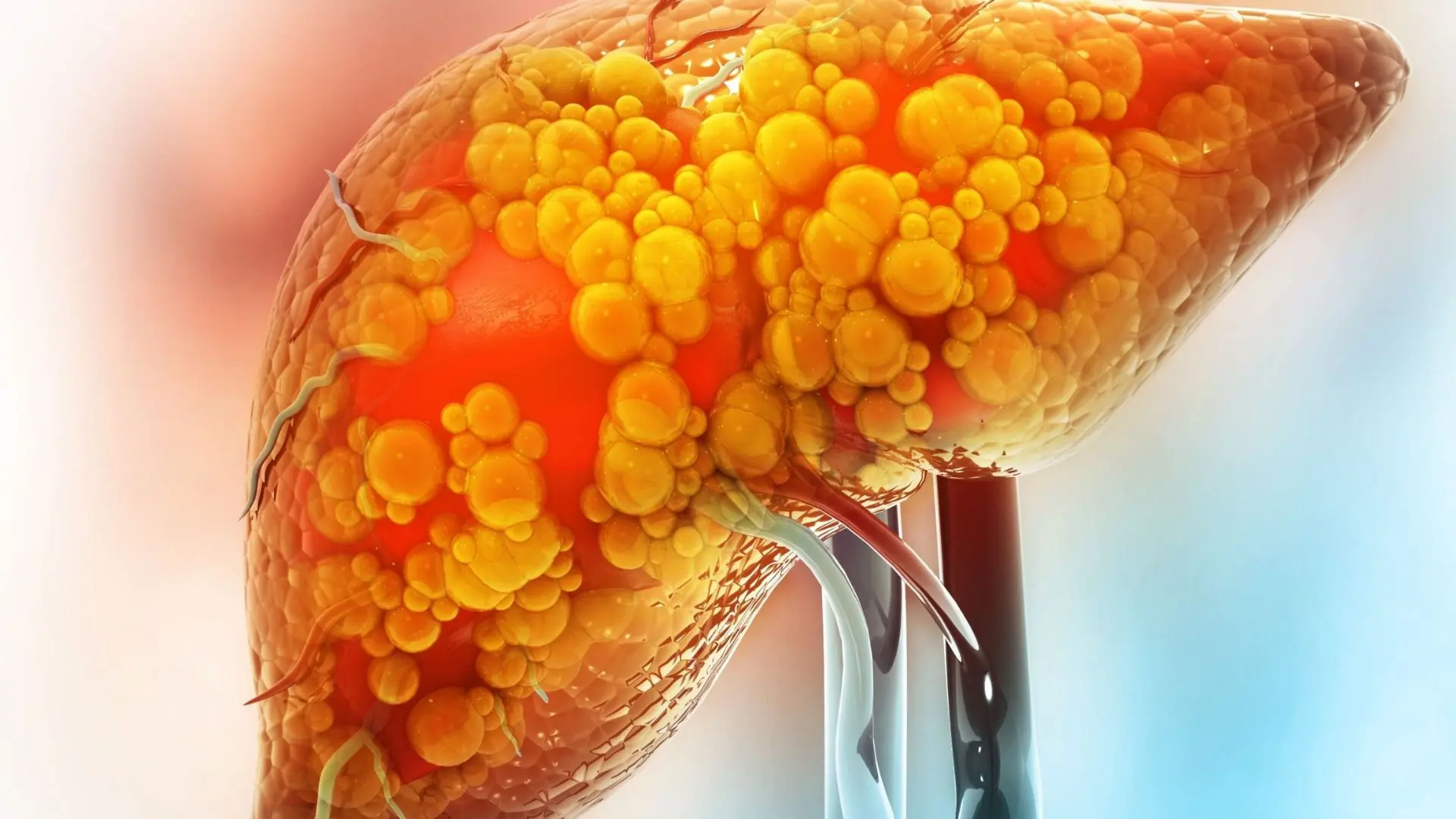
Chapter 2: Swollen Feet and Ankles—When Fluid Accumulation May Become a Warning Sign
One of the most important changes to understand is swelling in the feet and ankles.
Medically, this type of swelling is often referred to as edema.
Edema occurs when excess fluid accumulates in tissues. It may affect the feet, ankles, lower legs, or other areas of the body, depending on the underlying cause.
For many people, mild swelling can happen after prolonged standing or sitting. Gravity encourages fluid to accumulate in the lower portions of the body, particularly when someone has been relatively inactive for several hours.
This type of swelling may improve after resting, elevating the legs, or moving around.
However, swelling associated with more serious medical conditions may behave differently.
When advanced liver disease develops, several changes can interfere with the body's normal ability to maintain fluid balance.
The liver produces albumin, an important protein that helps keep fluid within the bloodstream. If liver function becomes significantly impaired, albumin levels may decline.
When albumin levels are low, the balance of forces that normally keep fluid inside blood vessels can change. Fluid may move more easily into surrounding tissues.
This can contribute to swelling in the ankles and feet.