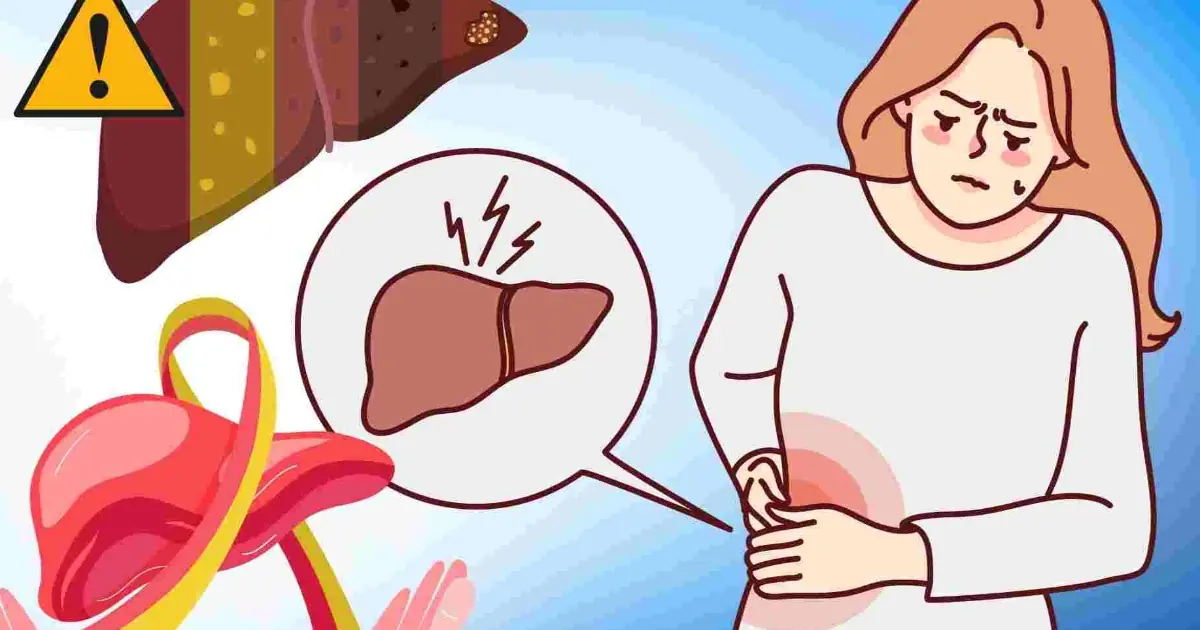
7 “Silent” Symptoms of Fatty Liver Disease You Should Know
Your liver works quietly every day, helping your body process nutrients, store energy, and remove substances it doesn't need.
But here's something many people don't realize:
Fatty liver disease often develops without obvious symptoms.
Many people can have fat accumulating in their liver and feel completely normal. According to the National Institute of Diabetes and Digestive and Kidney Diseases (NIDDK), fatty liver disease—also known as metabolic dysfunction-associated steatotic liver disease (MASLD)—usually causes few or no symptoms.
That is why certain subtle changes are worth paying attention to, particularly if you also have risk factors such as overweight or obesity, type 2 diabetes, insulin resistance, high triglycerides, or metabolic syndrome.
Here are 7 possible signs and clues to know about.
1. Persistent Fatigue
Do you feel unusually tired even after getting what seems like enough sleep?
Fatigue can occur in people with fatty liver disease, although it is a very nonspecific symptom. Many other conditions—including sleep problems, anemia, thyroid disorders, stress, and infections—can also cause persistent tiredness.
Still, if unexplained fatigue continues, especially alongside other health changes, it's worth discussing with a healthcare professional.
Feeling tired doesn't automatically mean your liver is the problem—but persistent unexplained fatigue shouldn't simply be ignored.
2. Discomfort Under the Right Ribs

Some people with fatty liver experience a mild ache, pressure, or discomfort in the upper-right part of the abdomen, beneath the ribs.
That's roughly where the liver is located.
NIDDK and NHS guidance both list upper-right abdominal discomfort as a possible symptom in people with fatty liver disease.
However, abdominal discomfort has many possible causes, including gallbladder problems, digestive disorders, muscle strain, and other conditions.
So don't assume that pain in this area means you have fatty liver.
3. Feeling Generally Unwell
Some people with fatty liver disease report a vague feeling of being unwell rather than one specific symptom.
You might feel that you're simply “not yourself”—low in energy, uncomfortable, or generally under the weather.
This type of symptom is extremely nonspecific, so it cannot be used to diagnose fatty liver disease.
But when it persists or appears together with other unexplained changes, it can be a reason to speak with your doctor.
4. Unexplained Changes in Weight
Changes in body weight can sometimes be associated with metabolic conditions that increase the risk of fatty liver.
In particular, excess weight—especially fat around the waist—is an important risk factor for MASLD. Type 2 diabetes, insulin resistance, high triglycerides, and metabolic syndrome are also associated with a higher likelihood of developing the condition.
But weight change alone does not diagnose fatty liver.
If you experience significant unexplained weight loss or gain, your healthcare professional can help determine the underlying cause.
5. A Larger Waistline or Increasing Abdominal Fat
This isn't really a “symptom” of fatty liver itself—but it can be an important risk clue.
Fatty liver disease is strongly associated with metabolic health. People who are overweight or obese, particularly those carrying excess fat around the abdomen, are more likely to develop MASLD.
This is why looking at the bigger picture matters.
A growing waistline combined with high blood sugar, high triglycerides, high blood pressure, or insulin resistance may indicate that it's time to take metabolic health more seriously.
6. Signs of Insulin Resistance or Metabolic Problems
Fatty liver doesn't always announce itself through liver-related symptoms.
Sometimes, the clues come from the metabolic conditions that commonly occur alongside it.
Type 2 diabetes, insulin resistance, high triglycerides, abnormal cholesterol levels, obesity, and metabolic syndrome are all associated with an increased risk of fatty liver disease.
For example, if you've recently been told that your blood sugar or triglycerides are high, it may be worth asking your healthcare professional whether your liver should also be evaluated.
7. Yellowing, Swelling, or Easy Bruising—A More Serious Warning
This point needs an important clarification.
Jaundice, swelling of the abdomen or legs, easy bruising or bleeding, confusion, and other signs of advanced liver disease are not typical early symptoms of simple fatty liver.
They can occur when liver disease has progressed to significant scarring or cirrhosis.
If you notice yellow skin or eyes, significant abdominal swelling, unusual bleeding, confusion, or rapidly worsening symptoms, seek medical attention promptly.
These signs should not be dismissed as “just fatty liver.”
The Biggest Problem With Fatty Liver? You May Feel Completely Fine
This is perhaps the most important thing to understand.
You can have fatty liver disease without obvious symptoms.
In fact, many people discover it only after having blood tests or imaging for another reason.
That means waiting for symptoms isn't a reliable strategy.
Doctors may use your medical history, physical examination, blood tests, and imaging studies to evaluate whether fatty liver is present and whether there may be liver damage.
Who Should Pay Extra Attention?

You may have a higher risk of fatty liver if you have:
- Overweight or obesity
- Type 2 diabetes
- Insulin resistance
- High triglycerides
- Abnormal cholesterol levels
- Metabolic syndrome
- A diet high in added sugars
- Low levels of physical activity
These factors don't mean you definitely have fatty liver—but they can increase your risk.
And fatty liver isn't exclusively a condition of people with obesity. It can also occur in people who are lean, so body weight alone cannot rule it out.
What Can You Do to Protect Your Liver?
The good news is that lifestyle changes can play an important role in managing metabolic fatty liver disease.
If you are overweight or have obesity, your doctor may recommend gradual weight loss. Healthy eating, appropriate portion sizes, and regular physical activity can also help improve metabolic health.
Rather than looking for a “liver detox,” focus on sustainable habits:
Eat a balanced diet.
Stay physically active.
Maintain a healthy weight.
Limit excessive alcohol.
Keep blood sugar, cholesterol, and triglycerides under control.
And if you have risk factors for fatty liver, ask your healthcare professional whether you need testing.
The Bottom Line
Fatty liver disease is often called a “silent” condition for a reason.
You may experience fatigue or mild discomfort under the right ribs—but you may also have no symptoms at all.
So don't wait for your liver to “hurt” before taking your health seriously.
If you have persistent unexplained symptoms or several risk factors for fatty liver, talk with a healthcare professional. Blood tests and appropriate imaging can help determine whether further evaluation is needed.
Your liver may be quiet—but that doesn't mean it isn't worth paying attention to.