You're finally lying down after a long day when you suddenly notice something you barely felt during the day:
Your heart is beating.
Maybe it feels stronger than usual. Perhaps you can feel each beat against your chest, hear a faint pulsing sensation in your ears, or even notice your heartbeat when you place your hand on your chest.
For some people, this can be unsettling.
The good news is that being aware of your heartbeat at night does not automatically mean something is wrong with your heart. In many cases, the sensation is related to factors such as body position, stress, caffeine, dehydration, a large meal, or simply having fewer distractions when you're trying to sleep.
However, a pounding, racing, fluttering, or irregular heartbeat can sometimes represent palpitations, which have many possible causes.
Understanding the difference between a normal awareness of your heartbeat and a symptom that deserves medical attention can help you know what to do next.
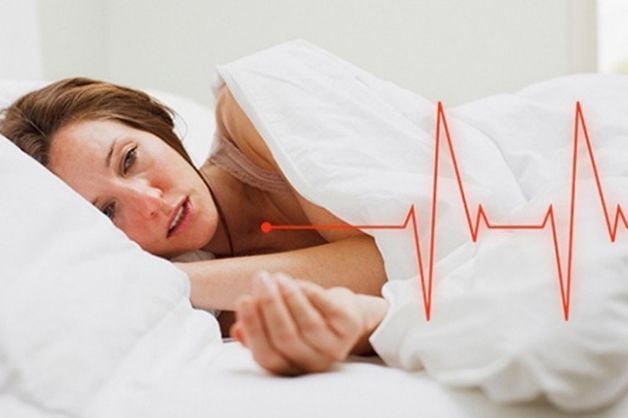
Why Do You Notice Your Heartbeat More at Night?
During the daytime, your attention is constantly being pulled in different directions.
You're working, talking, walking, driving, using your phone, doing household tasks, or simply thinking about everything that needs to get done.
When you finally lie down in a quiet room, those distractions disappear.
Suddenly, internal sensations that were always there can become much more noticeable.
Your heartbeat may not actually be dramatically stronger than it was earlier in the day. You may simply be more aware of it.
Several other factors can contribute as well.
Your position changes when you lie down, your surroundings become quieter, and your nervous system begins transitioning toward sleep.
For some people, this combination makes their heartbeat feel much more prominent.
1. Your Sleeping Position May Make Your Heartbeat Easier to Feel
Body position can influence how strongly you perceive your heartbeat.
When you're lying down—particularly on your side—the heart may be positioned in a way that makes its movement more noticeable through the chest wall.
This doesn't necessarily mean your heart is beating abnormally.
You may simply be more aware of a normal heartbeat.
Some people notice this especially when lying on their left side, although the experience varies.
If changing position makes the sensation disappear or become much less noticeable, that can be reassuring.
However, positional symptoms should still be considered in the context of other symptoms.
2. Stress and Anxiety Can Make Your Heart Pound
One of the most common reasons people experience noticeable heartbeats at night is stress or anxiety.
Even if you feel relatively calm during the day, worries can become much more noticeable once you are alone in bed.
Your mind may start replaying:
-
Conversations from the day
-
Financial concerns
-
Work problems
-
Family issues
-
Health worries
-
Tomorrow's responsibilities
-
Unresolved decisions
Stress activates the body's sympathetic nervous system—the system involved in the "fight-or-flight" response.
This can increase heart rate and make each heartbeat feel stronger.
And once you notice your heartbeat, you may become concerned about it.
That concern can increase adrenaline and make your heartbeat feel even more noticeable.
This can create a cycle:
Notice heartbeat → become worried → adrenaline increases → heartbeat feels stronger → become even more worried.
Breaking that cycle can sometimes reduce the sensation.
3. Caffeine May Be Responsible
That afternoon or evening coffee may be contributing more than you realize.
Caffeine is a stimulant that can increase alertness and, in some people, contribute to palpitations or a noticeable heartbeat.
Common sources include:
-
Coffee
-
Energy drinks
-
Black tea
-
Green tea
-
Cola
-
Pre-workout products
-
Certain supplements
-
Chocolate
Sensitivity varies significantly from person to person.
Someone might drink coffee in the evening and sleep normally, while another person may notice a racing or pounding heartbeat several hours later.
Caffeine can also make anxiety and difficulty falling asleep worse, which can indirectly increase awareness of your heartbeat.
If nighttime pounding occurs regularly, consider tracking when you consume caffeine and whether the symptoms follow.
4. Dehydration Can Affect Your Heartbeat
Not drinking enough fluids can sometimes contribute to a faster or more noticeable heartbeat.
When you're dehydrated, your circulating blood volume can decrease. Your cardiovascular system may compensate by increasing heart rate.
Dehydration can occur because of:
-
Heavy exercise
-
Hot weather
-
Fever
-
Vomiting
-
Diarrhea
-
Excessive sweating
-
Alcohol consumption
-
Simply drinking too little throughout the day
You may also notice other symptoms such as:
-
Dry mouth
-
Darker urine
-
Headache
-
Dizziness
-
Fatigue
-
Increased thirst
Staying adequately hydrated throughout the day is generally more useful than drinking a large amount of water immediately before bed.
5. Alcohol Can Make Your Heartbeat Feel Different
Alcohol can affect the cardiovascular system in several ways.
Some people notice a stronger or faster heartbeat after drinking, particularly after consuming larger amounts.
Alcohol can also interfere with sleep, which means you may become more aware of physical sensations during nighttime awakenings.
Additionally, alcohol can contribute to dehydration and may worsen snoring or sleep-disordered breathing in susceptible people.
If you consistently notice nighttime palpitations after drinking alcohol, that pattern is worth paying attention to.
Reducing alcohol intake or avoiding it close to bedtime may help determine whether there is a connection.
6. A Large Meal Before Bed May Contribute
What you eat—and when you eat it—can sometimes influence how you feel at night.
A very large meal shortly before lying down may cause:
-
Fullness
-
Bloating
-
Increased body temperature
-
Heartburn
-
Reflux
-
General physical discomfort
Some people become more aware of their heartbeat after eating a large meal.
Spicy foods, alcohol, caffeine, and other individual triggers can also contribute to reflux or discomfort.
In addition, lying down soon after eating can make acid reflux more noticeable.
If your pounding heartbeat occurs mainly after large evening meals, experiment with eating dinner earlier and choosing a smaller portion.
7. Acid Reflux Can Make the Sensation More Noticeable
Heartburn and palpitations can sometimes occur around the same time, although reflux does not necessarily mean that the heart itself is causing the symptoms.
When you're lying down after eating, stomach acid can move upward into the esophagus.
This can cause:
-
Burning in the chest
-
Sour taste
-
Regurgitation
-
Chest discomfort
-
Coughing
-
Throat irritation
Chest sensations can make you more aware of your heartbeat and may be particularly alarming when you're already worried about your health.
However, never assume that chest discomfort is simply acid reflux, particularly when it is new, severe, or accompanied by other concerning symptoms.
8. Lack of Sleep Can Affect Your Heartbeat
Poor sleep and an irregular sleep schedule can influence the body's stress-response systems.
If you've been sleeping poorly for several nights, you may become more sensitive to physical sensations and more likely to notice:
-
A racing heart
-
Pounding heartbeat
-
Muscle tension
-
Anxiety
-
Restlessness
Sleep deprivation can also increase reliance on caffeine, creating another potential cycle:
Poor sleep → more caffeine → greater alertness at night → poorer sleep → more caffeine the next day.
Breaking that cycle may help reduce nighttime symptoms.
9. Hormonal Changes Can Cause Palpitations
Hormonal fluctuations can influence heart rate and the perception of heartbeat.
This can occur during several stages of life, including:
-
Menopause and perimenopause
-
Pregnancy
-
Menstrual cycle-related hormonal changes
-
Certain endocrine disorders
For example, some people experience palpitations alongside hot flashes or night sweats during menopause.
Hormonal changes aren't the only explanation, however.
If palpitations are new, frequent, or accompanied by other symptoms, they deserve proper evaluation rather than automatically being attributed to hormones.
10. Thyroid Problems Can Affect Your Heart Rate
The thyroid produces hormones that influence metabolism and cardiovascular function.
An overactive thyroid, or hyperthyroidism, can cause symptoms such as:
-
Rapid heartbeat
-
Palpitations
-
Sweating
-
Heat intolerance
-
Trembling
-
Anxiety
-
Difficulty sleeping
-
Unexplained weight loss
-
Increased bowel movements
An underactive thyroid can produce a different collection of symptoms and may be associated with a slower heart rate in some people.
If nighttime palpitations occur together with several unexplained changes in weight, temperature tolerance, energy, sleep, or bowel habits, thyroid testing may be appropriate.
11. Certain Medications and Supplements Can Cause Palpitations
Some medications can influence heart rate or increase the sensation of a heartbeat.
Potential contributors include certain:
-
Decongestants
-
Asthma medications
-
Stimulant medications
-
Thyroid medications when the dose is too high
-
Weight-loss products
-
Pre-workout supplements
-
Herbal products containing stimulants
This is one reason it's important to tell a healthcare professional about everything you're taking, including over-the-counter medications and supplements.
Don't stop a prescribed medication simply because you suspect it is causing palpitations.
Instead, discuss the symptom with the prescriber.