Figs may look like a simple, naturally sweet fruit, but behind their soft texture and distinctive flavor is a surprisingly rich nutritional profile.
For thousands of years, figs have been enjoyed throughout the Mediterranean, the Middle East, and other parts of the world. They can be eaten fresh or dried, added to salads and oatmeal, paired with cheese, blended into smoothies, or enjoyed as a simple snack.
Today, figs are attracting renewed attention because they contain fiber, minerals, antioxidants, and naturally occurring plant compounds that may support several aspects of health.
That doesn't mean figs are a miracle food or that eating them can prevent or cure disease. But as part of a balanced diet, they can be a nutritious addition to the menu.
So what makes figs worth paying attention to?
Let's take a closer look.

What Makes Figs Nutritionally Interesting?
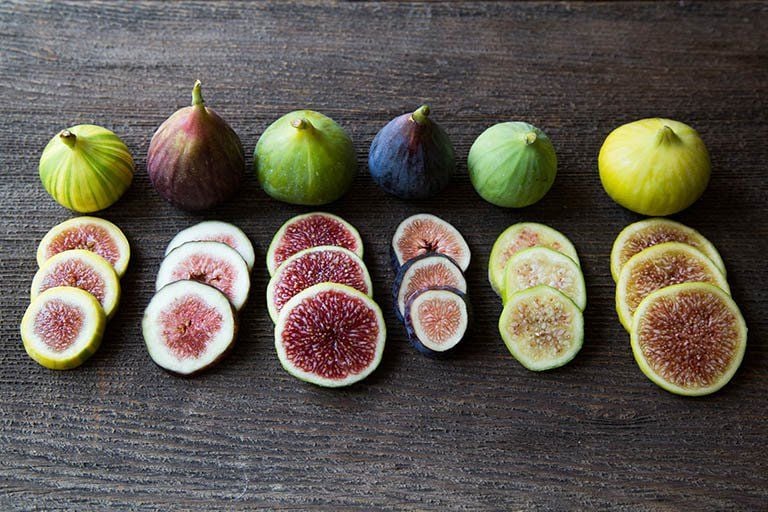
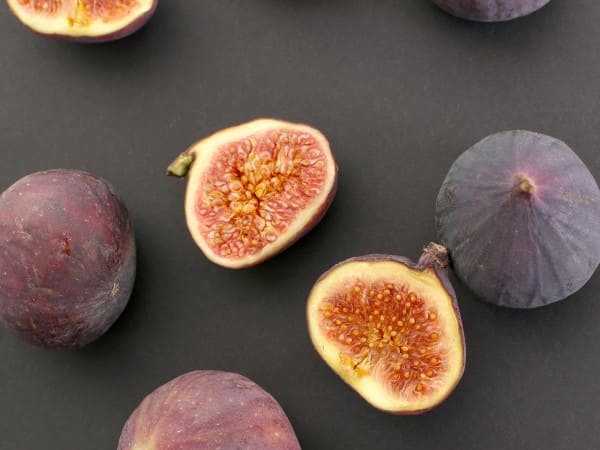
Figs are the edible fruit of the Ficus carica tree.
Fresh figs contain a considerable amount of water, while dried figs have much less water and therefore provide nutrients and calories in a more concentrated form.
Figs can provide:
-
Dietary fiber
-
Potassium
-
Calcium
-
Magnesium
-
Copper
-
Vitamin K
-
Antioxidant compounds
-
Naturally occurring carbohydrates
The exact nutritional profile depends on whether you're eating fresh or dried figs, as well as the serving size.
Dried figs, in particular, are much more concentrated in natural sugars and calories than fresh figs.
That's an important distinction when deciding how much to eat.
1. Figs Are a Good Source of Dietary Fiber
One of the best-known nutritional features of figs is their fiber content.
Dietary fiber is important for maintaining normal digestive function and supporting overall gut health.
Fiber can help add bulk to stool and support regular bowel movements. It can also contribute to feelings of fullness after eating.
This makes figs a useful option for people looking for naturally sweet foods that also provide fiber.
However, eating a large amount at once isn't necessarily better.
If your usual diet is relatively low in fiber, suddenly consuming a lot of figs may cause bloating or digestive discomfort.
A gradual increase in fiber, along with adequate fluids, is generally easier for the digestive system to handle.
2. They May Support Digestive Health
The combination of fiber and water in fresh figs can be particularly helpful as part of a diet that supports regular digestion.
Dried figs contain more concentrated fiber, but they also contain more concentrated carbohydrates.
Some people enjoy eating a few dried figs with breakfast or as a snack because they provide both sweetness and fiber.
For people experiencing persistent constipation, however, figs shouldn't replace medical evaluation when symptoms are severe, prolonged, or accompanied by warning signs.
A healthy digestive system depends on much more than one food.
Adequate fluids, physical activity, overall fiber intake, and a varied diet all matter.
3. Figs Provide Important Minerals
Figs contain several minerals involved in normal body functions.
Among them is potassium, an essential mineral involved in fluid balance, nerve signaling, and muscle function.
They also provide smaller amounts of:
-
Calcium
-
Magnesium
-
Copper
-
Manganese
The amounts you get depend on portion size and whether you're eating fresh or dried fruit.
Because dried figs are concentrated, their mineral content per serving can be relatively substantial.
Still, they should be viewed as one contributor to a balanced diet rather than a replacement for other nutrient-rich foods.
4. Figs Contain Plant Antioxidants
Figs contain various plant compounds with antioxidant activity.
Antioxidants help protect cells from oxidative stress by interacting with reactive molecules produced naturally during metabolism and in response to environmental factors.
Different parts of the fig contain different compounds, and research has identified several classes of polyphenols and other phytochemicals in figs.
The darker skin of some fig varieties may contain particularly high concentrations of certain antioxidant compounds.
This is one reason eating the whole fruit, when appropriate and well washed, can be nutritionally useful.
5. Their Natural Sweetness Can Make Healthy Eating Easier
Figs are naturally sweet.
That can be helpful for people trying to make nutritious foods more enjoyable.
Instead of reaching for highly processed sweets, you might pair a few figs with:
-
Plain yogurt
-
Nuts
-
Oatmeal
-
Whole-grain toast
-
Cottage cheese
-
Fresh fruit
This creates a snack or breakfast with a combination of carbohydrates, fiber, protein, and healthy fats.
The goal isn't to eliminate sweet foods completely.
It's to make choices that provide more nutritional value alongside sweetness.
6. Figs May Support Heart-Healthy Eating Patterns
Figs can fit comfortably into eating patterns designed to support cardiovascular health.
Their fiber and potassium content can contribute to an overall nutrient-rich diet.
But it's important to keep the claim realistic.
Eating figs by themselves hasn't been proven to prevent heart disease.
Instead, figs can be one component of a broader dietary pattern that includes:
-
Fruits
-
Vegetables
-
Whole grains
-
Beans
-
Nuts
-
Seeds
-
Fish or other healthy protein sources
The overall pattern matters far more than any single food.
7. Potassium Is Important for Blood Pressure Regulation
Potassium plays an important role in maintaining normal blood pressure.
It helps counterbalance some of the effects of sodium and contributes to normal fluid balance.
Figs provide potassium, although many other foods are also excellent sources.
Bananas, potatoes, beans, leafy greens, avocados, and various fruits and vegetables can all contribute potassium to the diet.
So figs can help you increase potassium intake, but they shouldn't be viewed as a special treatment for high blood pressure.
Anyone with hypertension should follow the advice of their healthcare professional.
8. Figs May Help You Feel Full
Fiber contributes to satiety.
When you eat fiber-rich foods, they can take longer to digest and may help you feel satisfied after eating.
This is one reason whole fruit can be a useful alternative to highly processed snacks.
However, dried figs require a little more attention.
Because the water has been removed, it's easy to eat several dried figs quickly.
A small handful can contain considerably more calories and sugar than the same visual volume of fresh fruit.
Portion size matters.
9. Fresh Figs and Dried Figs Are Not the Same
This is one of the most important things to understand.
Fresh figs contain a lot of water.
Dried figs contain much less.
As a result, dried figs are more concentrated in:
-
Calories
-
Natural sugars
-
Carbohydrates
-
Fiber
-
Minerals
That doesn't make dried figs unhealthy.
It simply means they're more energy-dense.
A few dried figs can be a convenient snack, especially when paired with protein or healthy fats.
But if you're monitoring calorie or carbohydrate intake, portion size becomes especially important.
10. What About Blood Sugar?
Figs contain naturally occurring sugars, so people with diabetes or blood-sugar concerns should consider portion size.
The fiber in whole figs can influence how quickly carbohydrates are digested, but it does not eliminate the carbohydrate content.
Dried figs are particularly concentrated.
That means eating a large serving can provide a significant amount of carbohydrate.
People managing diabetes can often incorporate fruit into a balanced eating pattern, but individual needs vary.
If you have diabetes or take glucose-lowering medication, it's best to discuss appropriate portions with a qualified healthcare professional or dietitian.
11. Figs May Contribute to Bone Health
Figs provide minerals such as calcium, magnesium, and potassium.
These nutrients all play roles in maintaining normal bodily functions, and calcium and magnesium are particularly relevant to bone health.
However, figs aren't a substitute for the major pillars of bone health.
Strong bones also depend on:
-
Adequate calcium intake
-
Vitamin D
-
Protein
-
Physical activity
-
Healthy body weight
-
Avoiding smoking
Figs can contribute nutrients, but they are only one small part of the picture.
12. Copper Is Another Nutrient Found in Figs
Copper doesn't receive as much attention as calcium or potassium, but it's an essential trace mineral.
It contributes to normal energy production, connective tissue formation, iron metabolism, and nervous-system function.
Dried figs can provide a useful amount of copper because their nutrients are concentrated.
Again, this doesn't mean you need to eat large quantities.
A varied diet usually provides copper from several sources, including nuts, seeds, seafood, legumes, and whole grains.
13. Figs Contain Vitamin K
Vitamin K is involved in normal blood clotting and bone metabolism.
Figs provide some vitamin K, although they aren't among the richest sources.
For most people, getting vitamin K from a variety of vegetables, fruits, and other foods is preferable to focusing on one ingredient.
If you're taking warfarin or another medication affected by vitamin K intake, don't suddenly make major changes to your diet without discussing them with your healthcare professional.
Consistency in vitamin K intake can be important for some people taking anticoagulants.
14. Figs Fit Well Into a Mediterranean-Style Diet
Figs have long been associated with Mediterranean cuisine.
They're often paired with foods such as:
-
Olive oil
-
Nuts
-
Yogurt
-
Cheese
-
Whole grains
-
Fresh vegetables
-
Fish
This combination can create meals that are both flavorful and nutritionally balanced.
For example, a few fresh figs with plain Greek yogurt and walnuts provide carbohydrates, fiber, protein, and healthy fats.
That's a much more balanced snack than eating a large portion of dried fruit by itself.
15. They Can Make Breakfast More Interesting
If you're tired of the same breakfast every day, figs can add natural sweetness and texture.
Try slicing fresh figs over:
Greek yogurt + oats + walnuts
or adding chopped figs to:
Whole-grain oatmeal + cinnamon + seeds
For a savory option, pair fresh figs with:
Whole-grain toast + soft cheese + a few nuts
The fruit provides sweetness without requiring a large amount of added sugar.
16. Figs and the Gut Microbiome
The fiber in figs can also become part of the food supply for bacteria in the large intestine.
Some types of dietary fiber are fermented by gut microbes, producing compounds such as short-chain fatty acids.
Research into the gut microbiome is still developing, and scientists are learning more about how dietary patterns influence these microbial communities.
It's therefore more accurate to say that figs provide fiber that can contribute to a gut-supportive diet rather than claiming they dramatically "detox" or "heal" the gut.
17. What About Inflammation?
You may see claims online that figs are a powerful anti-inflammatory food.
The reality is more nuanced.
Figs contain antioxidant and polyphenolic compounds that researchers are studying for their biological activity.
Laboratory and preliminary research can be interesting, but findings from test tubes or animal studies don't automatically mean that eating figs produces the same effect in humans.
A diet rich in fruits, vegetables, legumes, whole grains, nuts, and other minimally processed foods is consistently associated with better overall health.
Figs can be part of that pattern.
18. Can Figs Help With Weight Management?
Figs can be included in a weight-conscious diet, particularly when they replace highly processed desserts.
Their fiber content may help with fullness.
However, figs aren't a fat-burning food.
And dried figs are calorie-dense enough that large portions can make it easy to consume more calories than intended.
A practical strategy is to enjoy a modest serving alongside protein or healthy fats.
For example:
2–3 dried figs + a small handful of nuts
can be more satisfying than eating dried fruit alone.
19. Why Portion Size Matters With Dried Figs
Imagine eating a whole bowl of fresh figs.
Because they're high in water, you may feel full before consuming a huge amount of calories.
Dried figs are different.
Removing water makes them smaller and easier to eat quickly.
That means it's possible to consume several servings without realizing it.
A simple solution is to portion them before eating rather than taking an entire bag to the couch.
20. Can Everyone Eat Figs?
For most people, figs are a normal food that can be included in a balanced diet.
But there are exceptions.
Some people may have:
-
Fig allergies
-
Latex-fruit syndrome
-
Digestive sensitivities
-
Blood-sugar concerns
-
Kidney disease requiring potassium restriction
People with certain medical conditions may need individualized dietary advice.
Also, anyone taking medications affected by vitamin K or potassium should discuss major dietary changes with a healthcare professional.
21. What Is Latex-Fruit Syndrome?
Figs are among several foods that can sometimes cross-react with latex allergies.
This phenomenon is known as latex-fruit syndrome.
Not everyone with a latex allergy reacts to figs, but some people may experience reactions to certain fruits because of shared proteins.
If you've previously experienced allergic reactions to latex or certain fruits, it's worth discussing potential cross-reactivity with an allergy specialist.
And if eating figs causes symptoms such as swelling, hives, difficulty breathing, or other signs of a serious allergic reaction, seek appropriate medical care.
22. Are Fig Leaves Healthy Too?
Fig leaves are used in some culinary traditions.
They can be cooked, wrapped around foods, or used to add aroma to dishes.
Research has also investigated compounds in fig leaves, but evidence regarding specific health benefits is much less established than the nutritional benefits of eating the fruit itself.
It's best not to assume that traditional use automatically means a plant product has been scientifically proven to treat a health condition.
23. How to Choose Fresh Figs
When shopping for fresh figs, look for fruit that is:
-
Plump
-
Soft but not mushy
-
Free of extensive bruising
-
Fragrant
-
Intact
A ripe fig is usually somewhat soft when gently pressed.
Because figs are delicate, they don't always have a long shelf life.
It's generally best to refrigerate ripe figs and consume them relatively soon.
24. How to Eat More Figs Without Overdoing It
You don't need to eat figs every day to benefit from them.
A few practical ideas include:
Breakfast
Add sliced figs to yogurt or oatmeal.
Snack
Pair a few dried figs with almonds or walnuts.
Salad
Combine fresh figs with leafy greens, nuts, and a modest amount of cheese.
Dessert
Serve fresh figs with plain yogurt and cinnamon.
Savory dishes
Pair figs with roasted vegetables, poultry, or cheese.
The key is variety.
25. Figs Are a Food, Not a Miracle Cure
This is perhaps the most important point.
Online articles sometimes describe certain foods as if they can independently solve major health problems.
Figs shouldn't be presented that way.
They don't "detox" the body.
They don't cure diabetes.
They don't melt belly fat.
They don't replace medication.
They don't prevent every disease.
What they can do is provide useful nutrients as part of an overall healthy eating pattern.
That's already valuable.
26. Fresh vs. Dried: Which Is Better?
Neither is automatically better.
Fresh figs
Pros:
-
Higher water content
-
Lower calorie density
-
Naturally sweet
-
Soft texture
Dried figs
Pros:
-
Convenient
-
Longer shelf life
-
Concentrated fiber and minerals
-
Easy to carry as a snack
The best choice depends on your goals and eating habits.
If you're watching calorie or carbohydrate intake, fresh figs may be easier to portion generously.
If you're traveling or need a shelf-stable snack, dried figs can be convenient.
27. The Sweetness Comes Naturally
One reason figs are so appealing is that they can taste almost like dessert.
Their natural sweetness comes from carbohydrates and sugars present in the fruit.
That's different from eating a dessert made primarily from refined sugar and added fats.
However, "natural sugar" doesn't mean sugar doesn't count.
Your body still processes the carbohydrates.
That's why portion size remains relevant, especially with dried fruit.
28. A Simple Fig Snack
One of the easiest ways to enjoy figs is surprisingly simple.
Take:
-
A few fresh fig slices
-
Plain Greek yogurt
-
A small handful of walnuts
-
A sprinkle of cinnamon
That's it.
You get sweetness from the fruit, protein from the yogurt, healthy fats from the walnuts, and additional texture and flavor from the cinnamon.
It's a simple example of how a single fruit can become part of a balanced snack.
29. Why Traditional Foods Sometimes Deserve a Second Look
Figs have been cultivated and eaten for thousands of years.
Ancient cultures valued them as both food and a practical source of energy.
Modern nutrition research now gives us tools to examine their nutrient composition more carefully.
That doesn't mean every traditional belief about figs is scientifically correct.
But it does show that traditional foods can sometimes have genuine nutritional value that deserves attention.
Figs are a good example.
30. The Bigger Picture Matters Most
It's tempting to search for one "superfood" that will dramatically improve health.
But nutrition doesn't work that way.
Health is influenced by the overall pattern of what you eat, how active you are, how much you sleep, your stress levels, genetics, environment, and access to healthcare.
Adding figs to an otherwise poor diet won't magically transform your health.
But replacing highly processed snacks with whole fruit, including figs, can be one small improvement.
And small improvements can add up.
Final Thoughts
Figs may be small, but they offer a surprisingly interesting combination of fiber, minerals, antioxidants, and natural sweetness.
Their fiber can support regular digestion and contribute to feelings of fullness. Their potassium and other minerals contribute to a nutrient-rich diet, while their plant compounds are being studied for their antioxidant properties.
Fresh figs and dried figs can both be nutritious choices, but they're not nutritionally identical. Dried figs are much more concentrated, so portions matter, particularly for people watching calories or carbohydrate intake.
The most important takeaway is not that figs are a miracle food.
It's that they are a flavorful, nutrient-dense fruit that can fit naturally into a balanced eating pattern.
Try them with yogurt and nuts at breakfast. Add fresh figs to a salad. Enjoy a few dried figs as a snack. Or simply eat a ripe fig on its own and appreciate its unique sweetness.
And remember: no single food can guarantee perfect health.
What matters most is the overall pattern.
Still, the next time you see a basket of fresh figs at the market, it may be worth taking a closer look.
This ancient fruit isn't just delicious - it can also be a surprisingly nutritious addition to a varied, balanced diet.