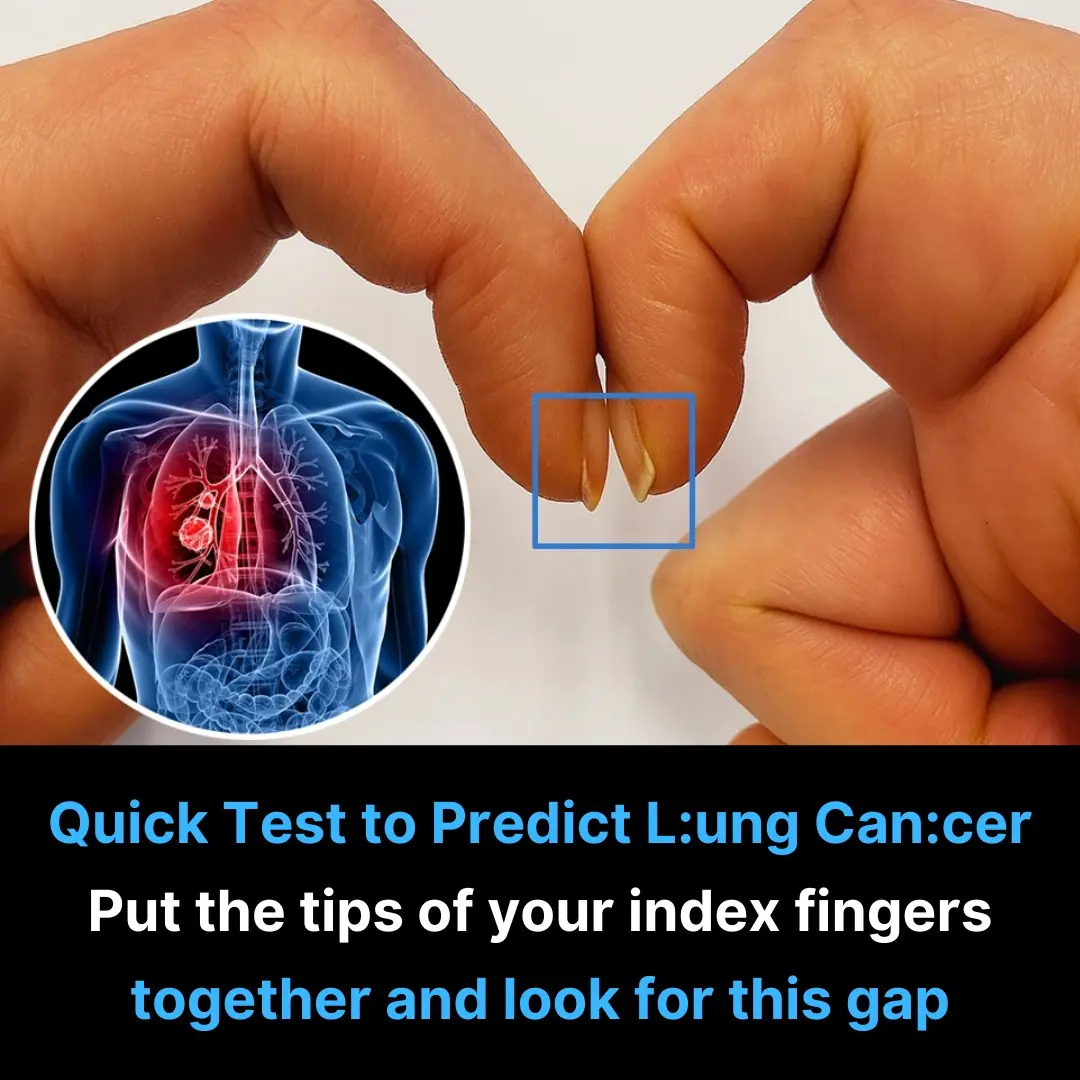
Most people think lung cancer only shows symptoms when it’s already advanced. But surprisingly, your fingertips might reveal early warning signs long before severe symptoms appear. Doctors call this the finger test or the Schamroth window test, and it’s one of the simplest ways to check for a condition linked to lung cancer: digital clubbing.
This test is quick, free, painless, and takes less than 10 seconds - yet it can help you spot risks that shouldn’t be ignored.
What Is the Finger Test for Lung Cancer?
The finger test checks for clubbing, a change in the shape of the fingers and fingernails caused by low oxygen levels in the blood. When your lungs are unable to deliver enough oxygen to the body, your tissues respond by growing abnormally - especially in the fingertips.
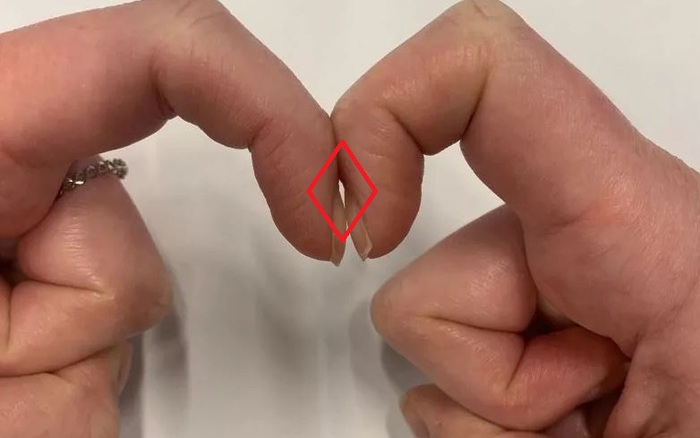
To do the test, you simply press the nails of your index fingers together and look for a tiny diamond-shaped gap between them.
If the gap is missing, it may be a sign of clubbing, which can indicate lung disease, including lung can.cer.
How to Perform the Finger Test (Schamroth Test)
Step 1:
Place the tips of your index fingers together, nail to nail.
Step 2:
Hold them up to the light.
Step 3:
Look for the diamond-shaped window between the nails.
Results:
-
Normal: You see a tiny diamond-shaped gap.
-
Abnormal (Possible Clubbing): No gap. The nails press flat against each other.
It’s that simple - but the meaning behind this test can be serious.
Why the Finger Test Matters
Clubbing is caused by reduced oxygen delivery, which makes the tissues under the nails swell and change shape. Many conditions can cause clubbing, but lung cancer is one of the most serious.
Clubbing Occurs in About 30–35% of Lung Cancer Patients
Doctors emphasize that clubbing does not always mean can.cer, but it is one of the body’s earliest visible signs that something is wrong with your lungs or heart.
What Causes Finger Clubbing?
Digital clubbing happens when:
1. Blo.od vessels under the nails widen
2. More fluid and tissue grow there
3. The fingertips become rounder, softer, and swollen
This usually happens over weeks or months.
Common medical causes of clubbing:
1. Lung-related causes
-
Lung cancer
-
Chronic lung infections
-
Pulmonary fibrosis
-
Tuberculosis
-
Bronchiectasis
-
COPD (in some severe cases)
2. Heart-related causes
-
Congenital heart disease
-
Infective endocarditis
-
Heart defects causing chronic low oxygen
3. Other causes
-
Liver disease
-
Inflammatory bowel disease
-
Thyroid disorders
Signs of Clubbing You Should Not Ignore
You may notice:
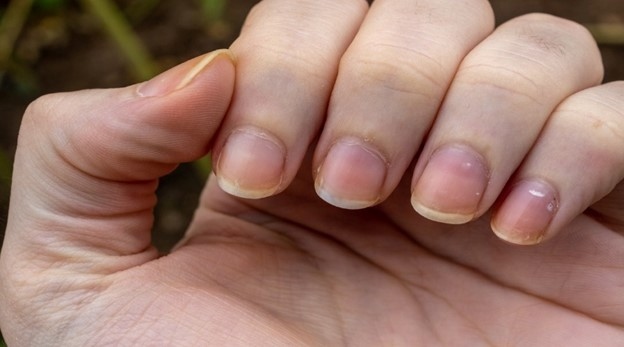
1. Nails that curve downward like a spoon
The nail looks rounded or bulging.
2. Fingertips that look swollen or puffy
They may feel soft or spongy.
3. Nails that grow at a steeper angle
The angle between the nail and skin increases.
4. Loss of the diamond gap (finger test fails)
This is the clearest sign.
5. Increased warmth in fingertips
More blood flow equals more warmth.
If you notice multiple signs, it’s important to see a doctor.
Is the Finger Test a Diagnosis for Lung Can.cer?
No - the finger test does not diagnose lung cancer.
Instead, it signals that your body is not getting enough oxygen, which could be due to lung cancer or other serious conditions.
If your finger test is abnormal, doctors may order:
-
Chest X-ray
-
CT scan
-
Lung function tests
-
Blood tests
-
Heart evaluations
The goal is to find the underlying cause.
Other Symptoms of Lung Cancer to Watch For
Even early-stage lung cancer may cause:
-
Persistent cough
-
Coughing up blood
-
Shortness of breath
-
Chest pain
-
Hoarse voice
-
Unexplained weight loss
-
Fatigue
-
Chronic respiratory infections
If these symptoms appear with a failed finger test, urgent evaluation is recommended.
Who Should Perform This Test Regularly?
The finger test is especially helpful for people with:
High lung cancer risk factors:
-
Long-term smokers
-
Former smokers
-
People exposed to secondhand smoke
-
People working in polluted or chemical environments
-
Individuals with chronic lung disease
-
People with a family history of lung cancer
Even if you feel healthy, doing this test occasionally is smart if you’re in a high-risk group.
How to Reduce Your Lung Can.cer Risk
Here are proven ways to protect your lungs and reduce can.cer risk:
1. Avoid smoking
The biggest risk factor.
Stopping smoking dramatically lowers your risk - even after years of smoking.
2. Limit secondhand smoke exposure
Smoke from others increases lung cancer risk by up to 30%.
3. Test your home for radon
Radon is the second leading cause of lung cancer.
4. Improve indoor air quality
Use air purifiers, ventilate your home, avoid burning incense excessively, and reduce dust.
5. Wear protective masks in polluted environments
Construction sites, factories, and high-pollution cities expose lungs to harmful particles.
6. Maintain a healthy diet
Antioxidants from fruits and vegetables support lung health.
7. Exercise regularly
Increases lung capacity and oxygen exchange.
8. Get screened if you’re high risk
Annual low-dose CT scans save lives.
9. Manage chronic lung conditions
Asthma, COPD, and lung infections need proper treatment to avoid long-term damage.
When to See a Doctor Immediately
Seek urgent medical care if you have:
-
A failed finger test combined with breathing problems
-
Sudden shortness of breath
-
Chest pain
-
Persistent cough
-
Coughing blood
-
Unexplained rapid weight loss
-
Severe fatigue
Early diagnosis dramatically increases survival chances.
Conclusion
The Finger Test for Lung Cancer is a simple tool that can alert you to possible underlying lung or heart conditions. While it’s not a diagnostic test, it’s a useful early warning sign - especially for people at high risk.
If you notice changes in your fingernails, swelling in your fingertips, or a missing diamond gap during the test, it’s important to get checked by a healthcare professional. Early action can save lives.