👣 “FISH EYES” — THEY ARE NOT CALLUSES
Many people believe the painful thick skin under their feet is just a normal callus.
At first glance, they may look similar — rough, hardened, and slightly raised.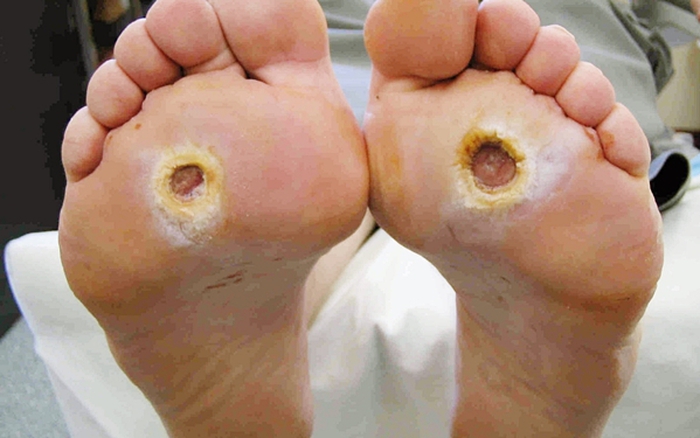
But in reality, what many people call a “callus” is often something completely different: a plantar corn, commonly known as a “fish eye.”
And unlike ordinary calluses, fish eyes can become surprisingly painful over time.
A regular callus usually develops when the skin thickens to protect itself from repeated friction or pressure. It tends to stay on the surface of the skin and often causes little to no pain.
A fish eye, however, goes deeper.
It forms a hard central core that pushes inward beneath the skin, almost like a small spike pressing into the foot every time you walk.
That’s why many people describe the pain as sharp, burning, or feeling like they are stepping on a tiny stone.
👣 Common signs of a fish eye:
• A small round thickened area on the foot
• A hardened center in the middle
• Pain when standing or walking
• Sensitivity when pressed directly
• Often appears on pressure points such as the heel, ball of the foot, or toes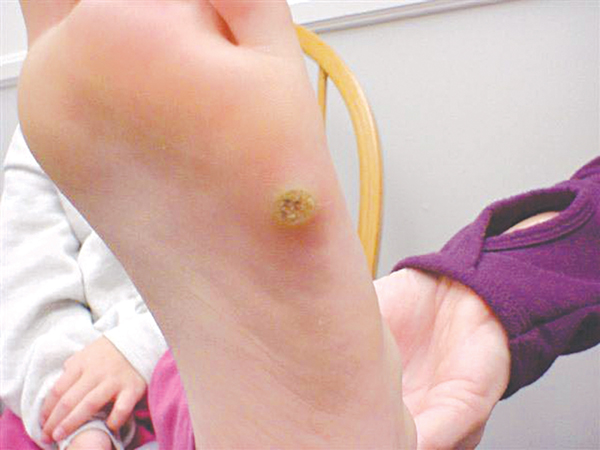
Many people try to shave, cut, or scrape them off at home because they think it’s only dead skin. Unfortunately, this often removes only the surface while the deeper core remains underneath. In some cases, repeated trimming can irritate the area even more and increase discomfort.
Fish eyes are commonly linked to:
• Tight or poorly fitted shoes
• Constant pressure on certain areas of the foot
• Long periods of standing or walking
• Foot structure and gait problems
• Repeated friction over time
Ignoring them may lead to worsening pain, changes in walking posture, and recurring skin thickening.
The good news is that proper foot care, pressure relief, and professional treatment can help remove the core safely and reduce the chance of recurrence.
Your feet support your entire body every single day.
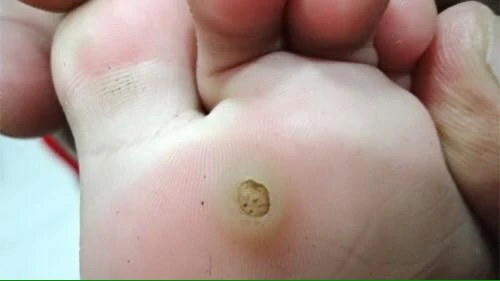
If something feels painful with every step, don’t ignore it just because it “looks like a callus.”
Sometimes, the smallest spot can cause the biggest discomfort. 👣
Sources:
American Academy of Dermatology (AAD)
Mayo Clinic
Cleveland Clinic
National Health Service (NHS)
Bài viết này nên chỉnh một điểm y khoa quan trọng trước khi mở rộng: “fish eye” thường được dùng để chỉ mắt cá chân (corn), nhưng đôi khi mọi người cũng dùng nhầm để gọi mụn cóc lòng bàn chân (plantar wart). Hai tình trạng này có thể trông giống nhau nhưng nguyên nhân và cách điều trị khác nhau. Mắt cá thường hình thành do áp lực hoặc ma sát kéo dài, còn mụn cóc lòng bàn chân do virus HPV gây ra.
Dưới đây là phiên bản tiếng Anh được biên tập theo hướng bài sức khỏe chuyên sâu, dễ đọc, có hướng dẫn chăm sóc an toàn và tránh khuyến khích tự cắt da tại nhà.
“FISH EYES” ON YOUR FEET: CORNS OR PLANTAR WARTS? HOW TO TELL THE DIFFERENCE
Have you ever felt a sharp pain under your foot while walking, almost as if a tiny stone were pressing into your skin?
You might notice a small, round patch of hardened skin on your heel, the ball of your foot, or one of your toes. At first, it may seem like nothing more than an ordinary callus. But as the discomfort becomes more noticeable, standing and walking can turn into an unpleasant experience.
Many people refer to these painful spots as “fish eyes.” However, this everyday term can describe different conditions, including corns and plantar warts. Although they may look similar, they have different causes and may require different treatments.
Understanding the difference is important. Treating the wrong condition—or trying to cut it out yourself—can damage the skin, cause bleeding, and increase the risk of infection.
1. What Is a “Fish Eye” on the Foot?
The term “fish eye” is commonly used in some places to describe a corn: a small, localized area of thickened skin that develops in response to repeated pressure or friction.
Corns are especially common on the tops and sides of the toes and on weight-bearing areas of the feet. They often have a hard central core that presses into the underlying skin, making them uncomfortable when pressure is applied.
Unlike a broad callus, which usually spreads across a larger area, a corn tends to be smaller and more clearly defined.
However, a painful, round growth on the sole of the foot could also be a plantar wart, a skin growth caused by certain types of human papillomavirus (HPV). Because the pressure of walking can push a plantar wart inward beneath thickened skin, it may resemble a corn or callus.
The two conditions should not be confused.