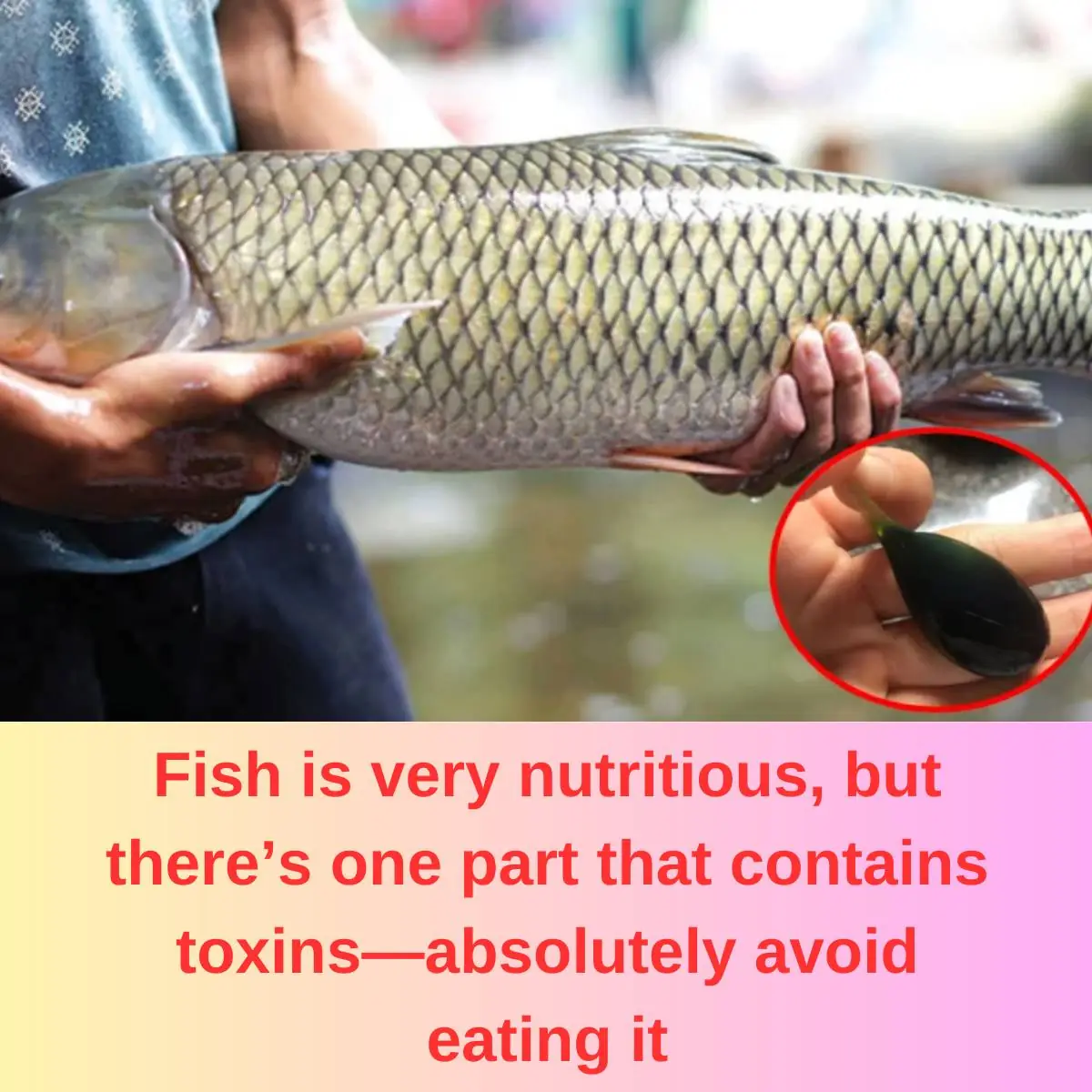
 Fish is a food rich in high-quality protein and low in fat. It is especially abundant in omega-3 fatty acids, vitamins like D and B2, as well as calcium, phosphorus, and various minerals such as iron, zinc, iodine, magnesium, and potassium. Fish is highly beneficial for heart health, helping to lower blood pressure and reduce the risk of heart attacks and strokes. The American Heart Association recommends eating fish at least twice a week.
However, not all parts of the fish are edible.
The toxic part of fish you should avoid eating
The part in question is the fish's gallbladder. Most fish gallbladders are toxic. While not every type of fish gallbladder poses life-threatening risks, it is generally advised to avoid consuming this part of the fish."
The toxins in a fish's gallbladder typically include harmful compounds such as bile acids (steroid acids), histamine, hydrocyanic acid, sodium carpyl sulfate alcohol, and others. When ingested, these substances can cause nausea, vomiting, stomach pain, and damage to multiple internal organs. In particular, the bile of certain fish species can be life-threatening in a very short time.
The toxins in a fish's gallbladder are not easily broken down by high temperatures or alcohol. Therefore, consuming fish bile, whether raw or cooked, is dangerous.
Two other parts of fish to reconsider eating
Aside from the gallbladder, there are two other parts of the fish that should be consumed with caution. These parts are not toxic but offer low nutritional value and are difficult for the body to absorb.
Fish Head
Many people believe that eating the fish head is beneficial for brain health. The fish head does contain significant amounts of EPA (eicosapentaenoic acid) and DHA (docosahexaenoic acid), which are good for children's brain development. However, it is also high in protein and fatty acids. Compared to fish meat, the fish head does not have a notable nutritional advantage. Therefore, there is no significant distinction between the nutritional value of the fish head and the fish meat, and either can be eaten depending on preference, as both offer health benefits.
Fish Scales
Fish scales are rich in collagen. For example, in grass carp, common carp, and herbivorous fish, the collagen content in the scales can range from 11% to 38%. However, this collagen is not easily absorbed by the body. Additionally, fish scale collagen lacks essential amino acids, and the absorption rate of this collagen is low, providing limited benefits for beauty or skincare.