Noticing foam or bubbles in your urine can be surprising and sometimes worrying. In many cases, it’s harmless and temporary. In others, it can be a useful signal that something in your body needs attention. The key is understanding patterns, persistence, and accompanying symptoms.
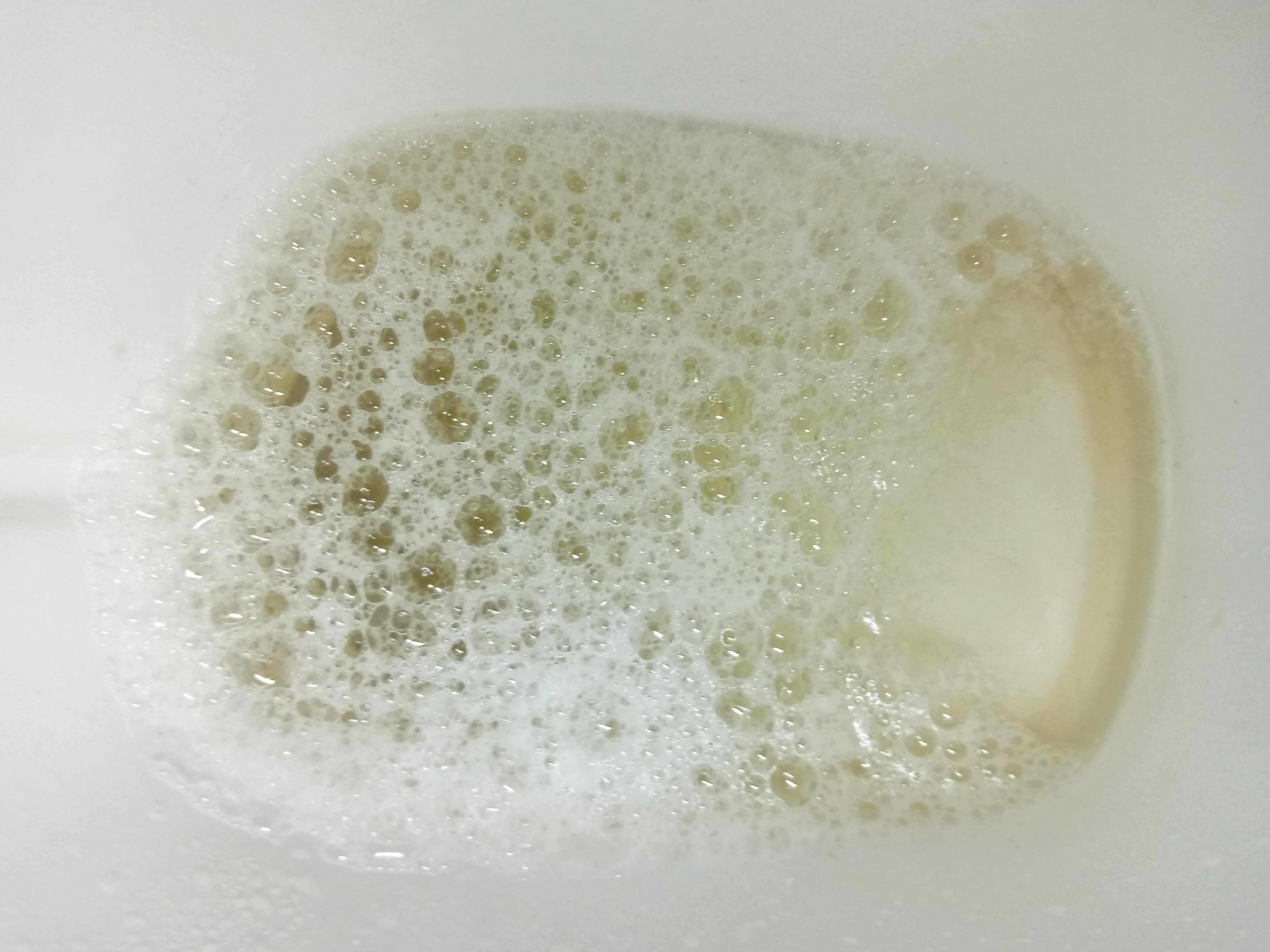
🧠 What Counts as “Foamy” Urine?
A few bubbles right after urinating - especially if the stream is strong are normal and usually disappear quickly.
Foamy urine tends to:
- Look like soap suds
- Persist for several minutes
- Appear repeatedly over time
When foam is consistent, it’s worth looking deeper.
⚠️ Common (Usually Harmless) Causes
🚿 1. Strong Urine Stream
A fast stream hitting the toilet water can create temporary bubbles.
Clue: foam disappears quickly and doesn’t happen every time.
💧 2. Dehydration
Concentrated urine (darker color) can produce more visible foam.
Clue: improves after drinking water.
🧼 3. Toilet Cleaning Residue
Cleaning agents in the bowl can react with urine and create bubbles.
Clue: foam appears even with small amounts of urine and vanishes quickly.
🥗 4. Diet and Supplements
High protein intake or certain supplements may change urine characteristics.

🚨 Medical Causes to Consider
If foamy urine is persistent, it may indicate underlying issues.
🧬 1. Protein in the Urine (Proteinuria)
This is one of the most important causes.
Normally, kidneys prevent protein from leaking into urine. If they’re not functioning properly, protein can pass through—creating foam.
Possible link:
- Early kidney dysfunction
- Damage to filtering units in the kidneys
🧂 2. Kidney-Related Conditions
Issues affecting kidney filtration can lead to:
- Protein leakage
- Changes in urine appearance
Persistent foamy urine may be an early sign that kidney function needs evaluation.
🦠 3. Urinary Tract Issues
Infections or inflammation can sometimes alter urine consistency.
Watch for:
- Burning sensation
- Frequent urination
- Cloudy urine
🧪 4. Diabetes or Blood Sugar Imbalance
High blood sugar over time can affect kidney function, leading to protein in urine.
🚹 5. Retrograde Ejaculation (in Men)
A condition where semen enters the bladder instead of exiting the body, which may cause foamy urine.
🧠 What Your Body Might Be Telling You
Foamy urine is not a diagnosis—it’s a signal.
It may reflect:
- Hydration status
- Temporary physical factors
- Or early changes in kidney filtration
The context matters more than the symptom alone.
🛠️ What You Can Do
✔️ Stay Well Hydrated
Clear, pale urine is generally a good sign.
✔️ Observe Patterns
Ask yourself:
- Does it happen every time?
- Does it last longer than a few days?
- Are there other symptoms?
✔️ Maintain a Balanced Diet
Avoid excessive protein intake unless medically advised.
✔️ Monitor Your Health
Regular check-ups (especially blood sugar and kidney function) are important.
🚨 When to See a Doctor
Seek medical advice if:
- Foam is persistent over several days
- You notice swelling (feet, hands, face)
- Urine appears cloudy or dark
- You feel fatigued or unwell
A simple urine test can detect protein and help identify the cause early.
💡 Final Thoughts
Foamy or bubbly urine is often harmless - but not always. Occasional foam is usually nothing to worry about. However, persistent foam can be an early warning sign, especially related to kidney health.
The goal isn’t to panic - it’s to pay attention.
Because sometimes, small changes in your body are the first clues that something deeper needs care.