Leftovers can be a convenient, economical, and delicious way to reduce food waste. Many meals taste just as good—or even better—the next day. However, not all leftovers are created equal. The real issue isn't whether food has been stored overnight; it's how it was stored, how long it remained at room temperature, and whether it was reheated safely.
Foodborne illnesses affect millions of people every year, and improper food storage is one of the leading causes. Harmful bacteria can multiply quickly when food is left in the "danger zone" - temperatures between 40°F and 140°F (4°C to 60°C). Some bacteria even produce toxins that are not destroyed by reheating.
Fortunately, following a few simple food safety practices can greatly reduce your risk. Here are five common foods that deserve extra attention when storing and reheating overnight.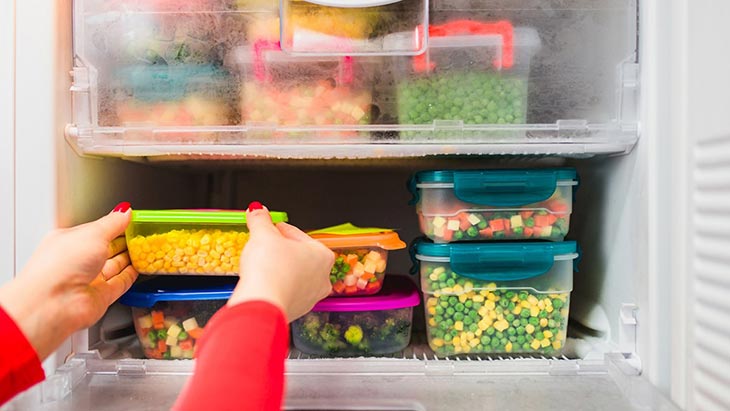
Why Proper Food Storage Matters
After food is cooked, bacteria can begin multiplying if it is left at room temperature for too long.
Food safety experts recommend:
-
Refrigerating leftovers within 2 hours of cooking (or within 1 hour if the room temperature is above 90°F or 32°C).
-
Keeping your refrigerator at 40°F (4°C) or below.
-
Storing leftovers in shallow containers so they cool more quickly.
-
Reheating food until it reaches an internal temperature of 165°F (74°C).
These simple habits are far more important than the type of food itself.
1. Cooked Rice
Rice often surprises people because it can become unsafe if handled improperly.
Why?
Uncooked rice may contain spores of Bacillus cereus, a bacterium that can survive cooking.
If cooked rice is left at room temperature for several hours, the spores may grow into bacteria that produce toxins capable of causing food poisoning.
Symptoms may include:
-
Nausea
-
Vomiting
-
Diarrhea
-
Stomach cramps
Safe Storage Tips
-
Refrigerate rice as soon as possible after cooking.
-
Divide large portions into shallow containers.
-
Eat refrigerated rice within 3 to 4 days.
-
Reheat thoroughly before serving.
2. Seafood
Fish and shellfish are highly nutritious but also highly perishable.
Because they spoil quickly, improper storage increases the risk of bacterial growth.
Examples Include
-
Salmon
-
Shrimp
-
Crab
-
Mussels
-
Clams
-
Tuna
Safe Storage Tips
-
Refrigerate within two hours of cooking.
-
Store in airtight containers.
-
Consume within 1 to 2 days.
-
Reheat thoroughly before eating.
If seafood develops an unusual smell, slimy texture, or discoloration, discard it.
3. Cooked Chicken and Other Poultry
Chicken is one of the most common foods associated with foodborne illness if handled improperly.
Raw poultry may carry bacteria such as:
-
Salmonella
-
Campylobacter
Although proper cooking kills these bacteria, contamination can occur again if cooked chicken is left out too long or handled with unclean utensils.
Safe Storage Tips
-
Refrigerate promptly.
-
Avoid leaving cooked chicken at room temperature.
-
Store separately from raw meats.
-
Reheat until steaming hot throughout.
Proper hygiene is just as important as proper refrigeration.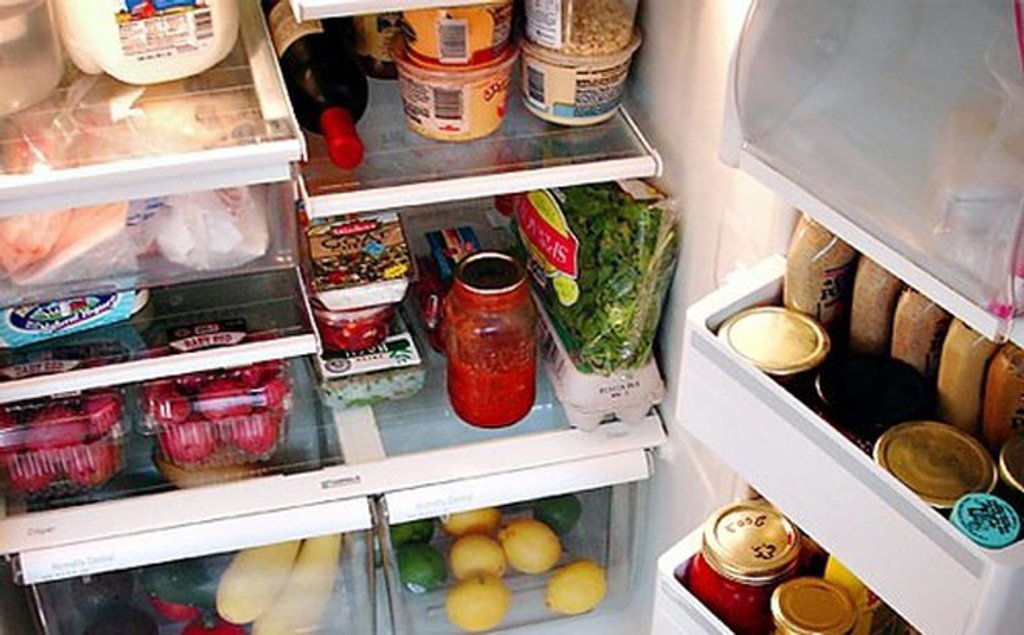
4. Leafy Vegetables and Cooked Vegetable Dishes
Cooked vegetables are generally safe to refrigerate, but they should not remain at room temperature for extended periods.
Examples include:
-
Spinach
-
Kale
-
Bok choy
-
Cabbage
-
Mixed vegetable dishes
Some vegetables naturally contain nitrates. Although concerns about reheating nitrate-rich vegetables are often exaggerated, the greater food safety concern is improper storage, not reheating itself.
Safe Storage Tips
-
Cool vegetables quickly.
-
Refrigerate promptly.
-
Eat within several days.
-
Reheat only the portion you plan to eat.
Avoid repeatedly cooling and reheating the same food.
5. Cream-Based Dishes and Dairy Products
Foods containing milk, cream, cheese, or eggs can spoil quickly if not refrigerated.
Examples include:
-
Cream soups
-
Alfredo pasta
-
Cheese casseroles
-
Custards
-
Quiches
-
Cream sauces
These foods provide excellent conditions for bacterial growth when left unrefrigerated.
Safe Storage Tips
-
Refrigerate soon after serving.
-
Keep containers tightly sealed.
-
Reheat thoroughly.
-
Discard leftovers if they have been left out too long.
How Long Can Leftovers Stay Out?
Food safety guidelines recommend:
-
No more than 2 hours at room temperature.
-
Only 1 hour if the surrounding temperature exceeds 90°F (32°C).
After that, bacteria can multiply rapidly—even if the food still looks and smells normal.
Can You Tell If Food Has Gone Bad?
Not always.
Many dangerous bacteria do not change the:
-
Taste
-
Smell
-
Appearance
-
Texture
That means food can look perfectly normal while still containing harmful bacteria.
If you're unsure how long food has been sitting out, it's safest to throw it away.
How to Reheat Leftovers Safely
Reheating food correctly is just as important as storing it properly.
Experts recommend reheating leftovers to an internal temperature of 165°F (74°C).
When using a microwave:
-
Stir food halfway through heating.
-
Allow standing time after heating.
-
Check that all parts are thoroughly hot.
Cold spots may allow bacteria to survive.
Common Food Safety Mistakes
Many cases of food poisoning occur because of simple mistakes.
Examples include:
-
Leaving food on the counter overnight.
-
Cooling large pots of food too slowly.
-
Reheating leftovers multiple times.
-
Using the same cutting board for raw meat and cooked food.
-
Forgetting leftovers in the refrigerator for a week or longer.
Small habits can make a big difference.
Tips for Storing Leftovers Properly
To maximize food safety:
-
Refrigerate leftovers promptly.
-
Use shallow storage containers.
-
Label containers with the date.
-
Keep refrigerator temperature at or below 40°F (4°C).
-
Freeze leftovers you won't eat within several days.
-
Avoid overfilling the refrigerator, as air needs to circulate for proper cooling.
Common Myths About Overnight Food
Myth 1: All Overnight Food Is Dangerous
False.
Properly refrigerated leftovers are generally safe to eat within the recommended storage time.
Myth 2: Reheating Always Makes Food Safe
Not necessarily.
Some bacteria produce toxins that are not destroyed by reheating.
That's why safe storage is just as important as proper reheating.
Myth 3: If It Smells Fine, It's Safe
False.
Dangerous bacteria often produce no noticeable smell or visible changes.
When in doubt, throw it out.
Building Safe Food Habits
Food safety doesn't require complicated equipment.
Simple habits include:
-
Wash hands before handling food.
-
Separate raw and cooked foods.
-
Refrigerate leftovers quickly.
-
Reheat thoroughly.
-
Clean kitchen surfaces regularly.
-
Follow recommended storage times.
These steps significantly reduce the risk of foodborne illness.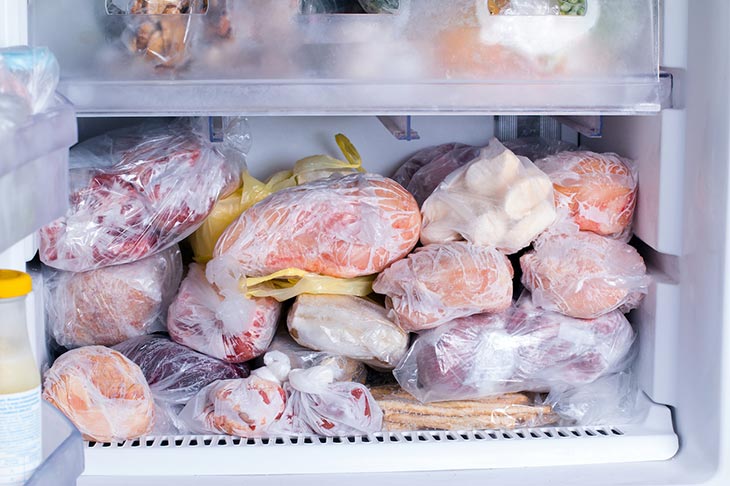
Final Thoughts
Leftovers can be a healthy, convenient, and economical part of your weekly meals - but only when handled properly. Foods such as cooked rice, seafood, poultry, cooked vegetables, and cream-based dishes require extra attention because improper storage can allow harmful bacteria to grow.
The most important lesson is that the danger isn't simply eating food that was stored overnight - it's storing or handling it incorrectly. By refrigerating leftovers promptly, keeping your refrigerator at the proper temperature, reheating food thoroughly, and discarding anything that has been left out too long, you can enjoy leftovers safely while reducing food waste.
Good food safety starts with smart habits, and those habits begin the moment your meal is finished.