HOW TO KNOW IF YOU HAVE NEUROPATHY IN YOUR FEET (AND WHAT IT REALLY FEELS LIKE)
4
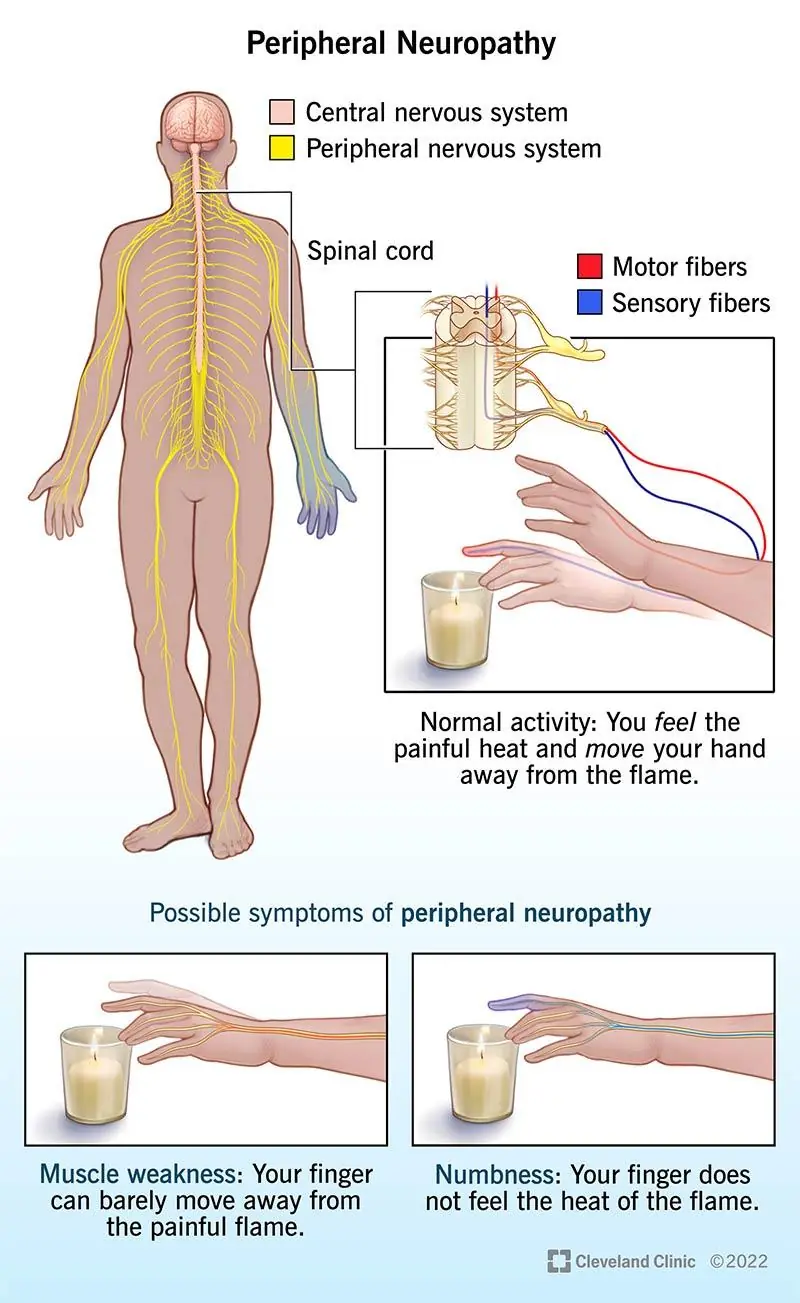
Neuropathy sounds technical, but the idea is simple:
it’s nerve damage—often starting in the feet—and your body does give signals early.
The problem? Those signals are subtle, weird, and easy to ignore.
Let’s break it down clearly.
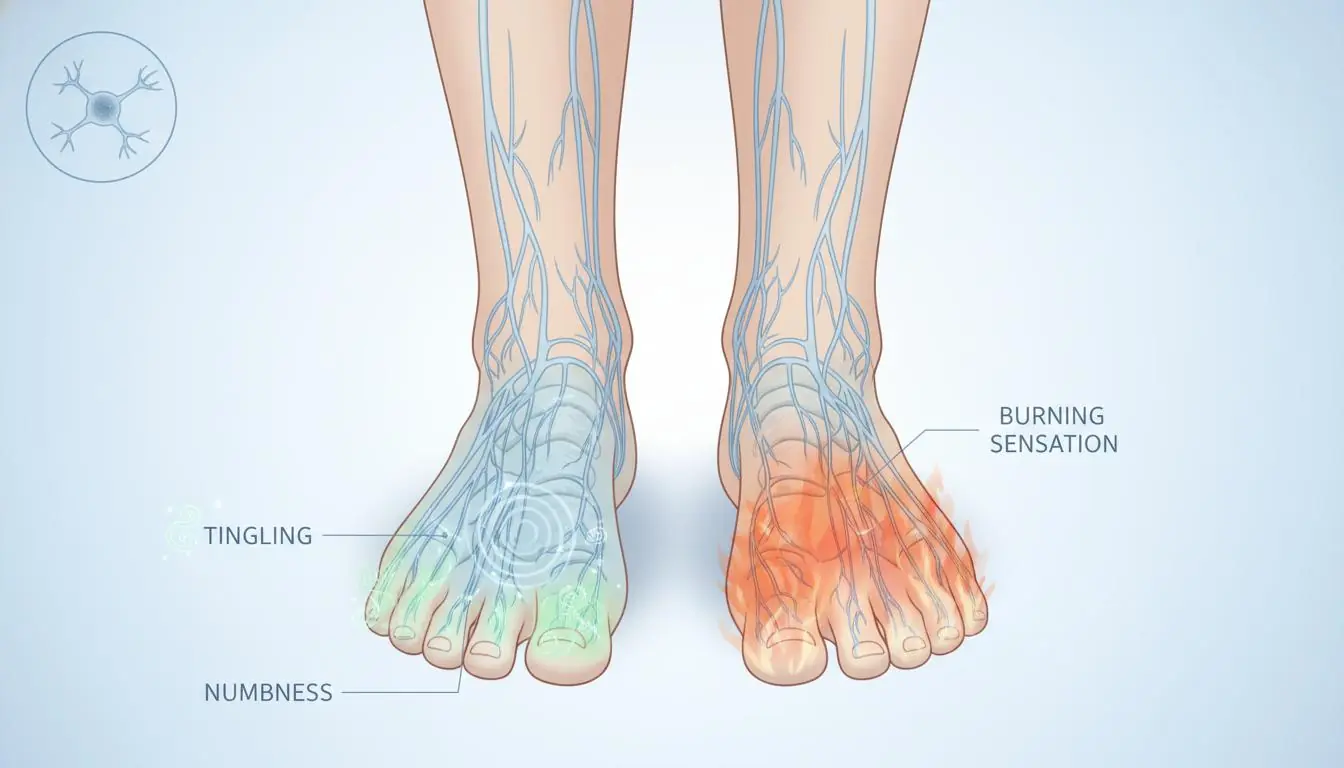
1. TINGLING OR “PINS AND NEEDLES”
That buzzing or prickling feeling in your toes?
- Comes and goes at first
- Often worse at night
- Feels like your foot is “asleep”
If it keeps happening → not just normal circulation.
2. NUMBNESS (RED FLAG)


4
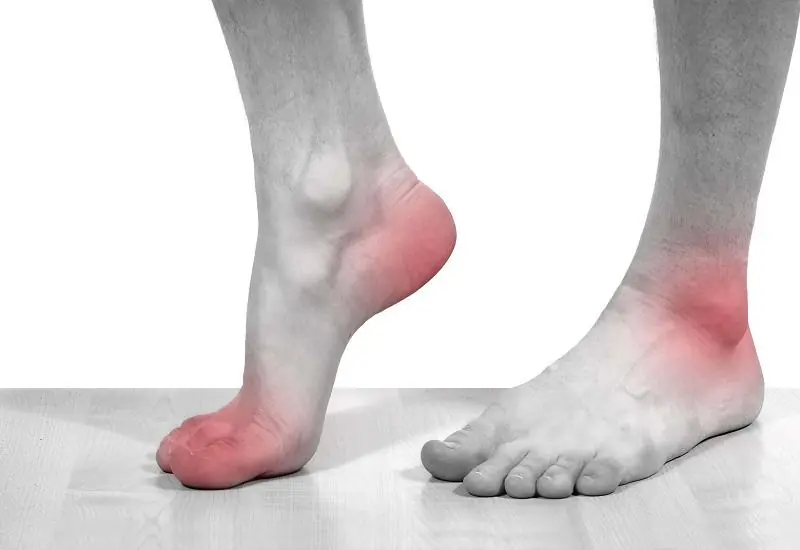
This is more serious.
- Reduced ability to feel touch, heat, or pain
- You might not notice small injuries
This is why neuropathy can lead to hidden wounds.
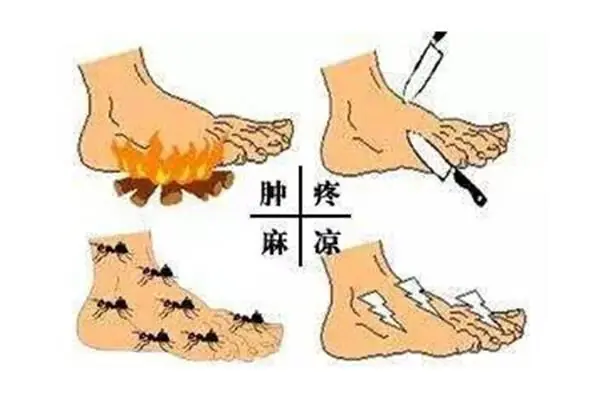
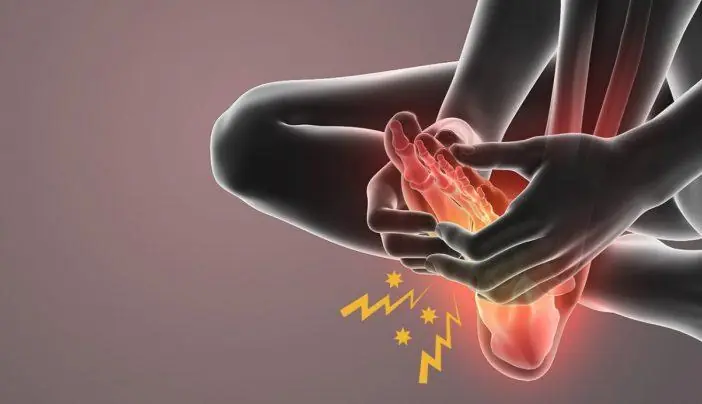
3. BURNING OR SHARP PAIN
4
Common description:
→ “My feet feel like they’re on fire”
- Burning
- Stabbing
- Electric-like pain
Often worse when resting.
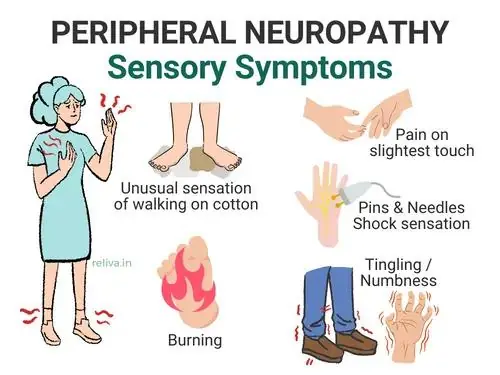
4. EXTREME SENSITIVITY (EVEN LIGHT TOUCH HURTS)

4
Even:
- Bedsheets
- Socks
- Light contact
…can feel painful.
This is called allodynia—a classic nerve issue.
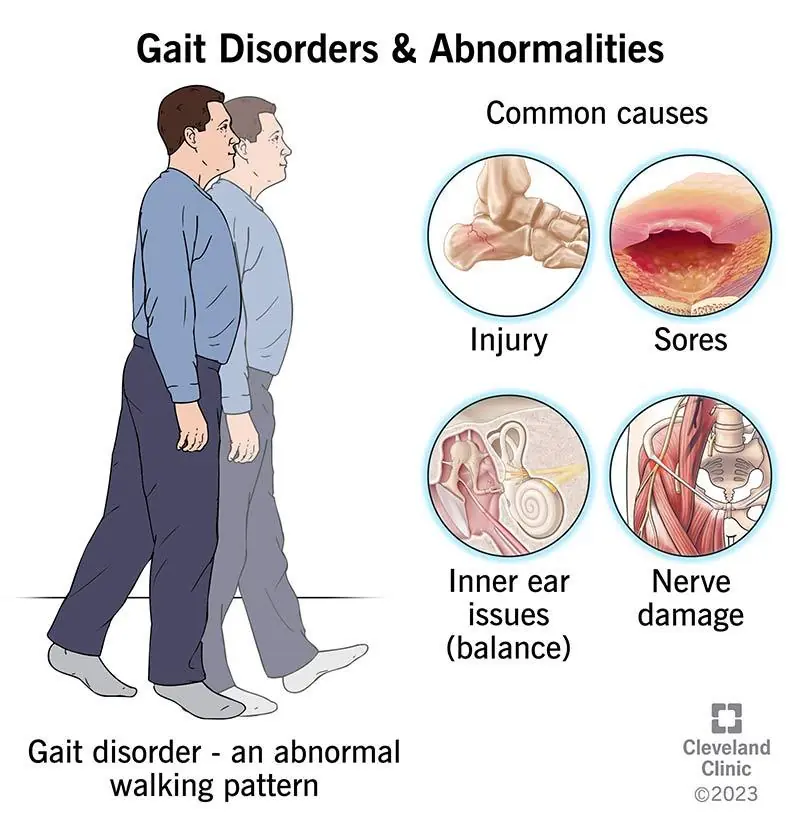
5. MUSCLE WEAKNESS OR BALANCE ISSUES


4
Because nerves control muscles too, you may notice:
- Trouble balancing
- Feeling unsteady
- Weakness in feet or ankles
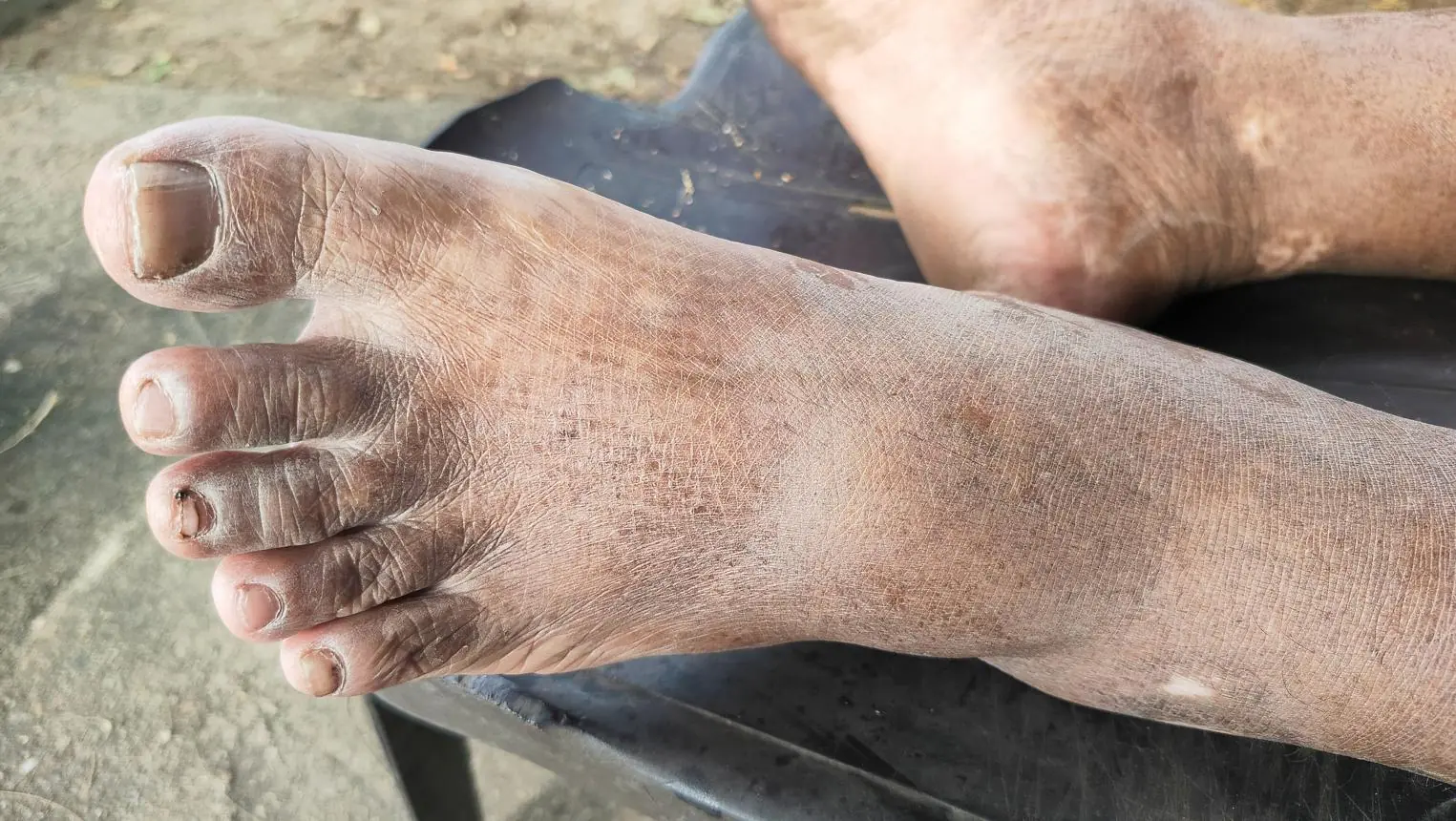
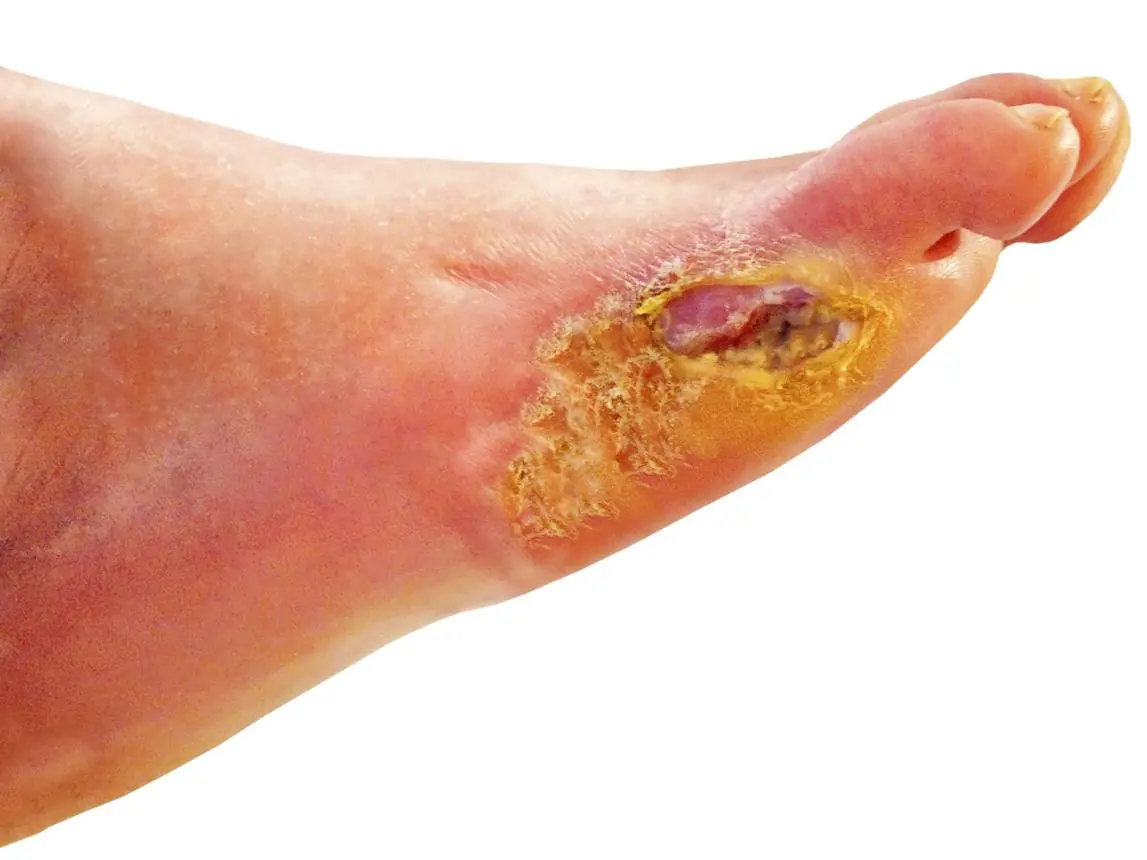
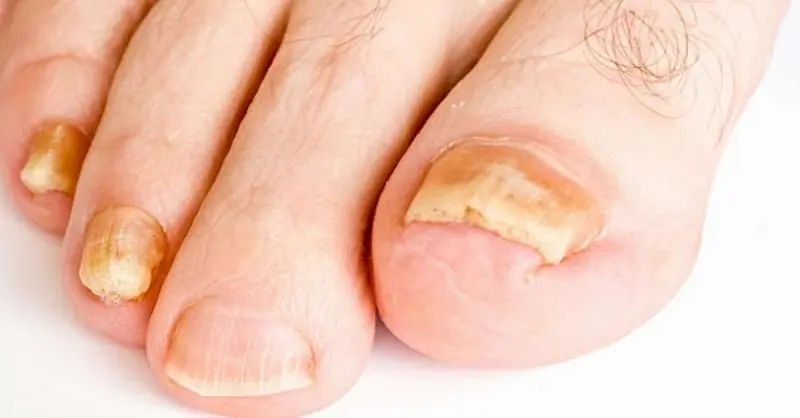
6. CHANGES IN SKIN OR NAILS
4
Nerve damage can affect blood flow and sweat glands:
- Dry, cracked skin
- Slow-healing wounds
- Changes in nail growth
7. SYMPTOMS START IN TOES AND MOVE UP
This pattern matters a lot.
Neuropathy often:
- Starts in toes
- Moves upward (feet → ankles → legs)
Doctors call this a “stocking pattern”.
COMMON CAUSES (THE REAL DRIVERS)
Most cases are linked to:
- Diabetes (most common)
- Vitamin B deficiencies
- Alcohol overuse
- Nerve compression or injury
- Certain medications
WHEN SHOULD YOU GET CHECKED?
Don’t wait if:
- Symptoms are persistent or worsening
- You have diabetes + any foot changes
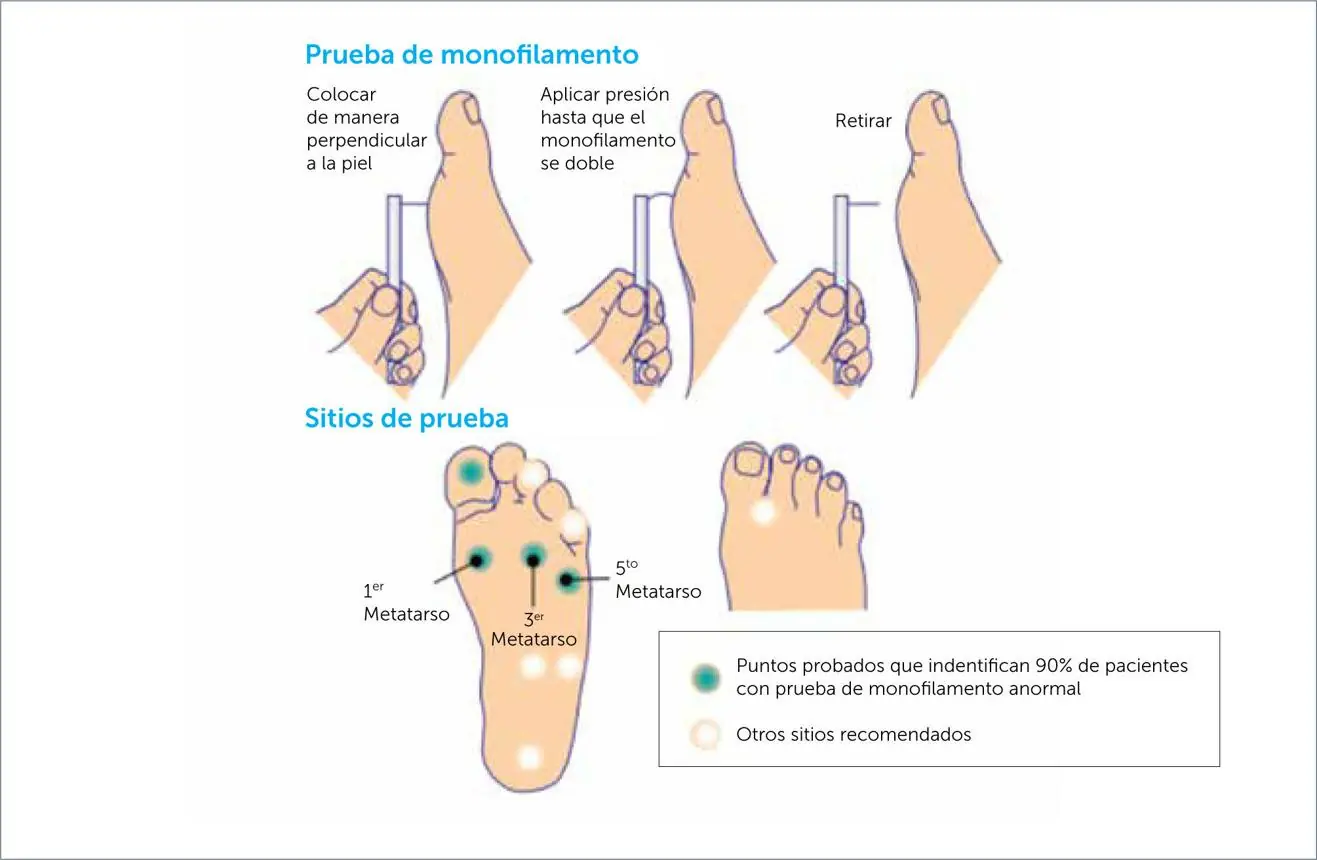
- You feel numbness (not just tingling)
Early testing can prevent complications.
REAL TALK
Neuropathy doesn’t usually hit suddenly.
It builds slowly—and quietly.
FINAL TAKE
Those weird foot sensations?
Not always harmless.
Your nerves are talking—the question is whether you catch it early or late.
BOTTOM LINE
- Tingling → early signal
- Numbness → warning
8. WHY DOES NEUROPATHY OFTEN GET WORSE AT NIGHT?
One of the most frustrating experiences for people with peripheral neuropathy is that their symptoms may become more noticeable when they go to bed.
During the day, you may feel only mild tingling or occasional numbness. But at night, when everything becomes quiet, the sensations can seem much stronger.
Some people describe:
-
Burning sensations in the soles of their feet.
-
Electric shocks traveling through their toes.
-
A feeling of insects crawling under the skin.
-
Sudden stabbing pains that interrupt sleep.
-
Discomfort that makes it difficult to keep their feet under the blankets.
Why does this happen?
There is no single explanation for nighttime neuropathy symptoms.
One possibility is that daytime activities distract people from mild discomfort. When they lie down and become less occupied, they may notice abnormal sensations more clearly.
Changes in temperature, bedding pressure, and the position of the legs may also influence discomfort.
In addition, some people experience neuropathic pain because damaged nerves send abnormal signals to the brain, even when there is no actual injury occurring.
This can create a cycle:
Pain makes it difficult to sleep, poor sleep increases sensitivity to pain, and increased sensitivity makes the next night even more uncomfortable.
If nighttime foot pain happens regularly, it is worth discussing with a healthcare professional.
Do not assume that it is simply a normal consequence of getting older.
9. DIABETES: ONE OF THE MOST COMMON CAUSES OF FOOT NEUROPATHY
Diabetes is one of the leading causes of peripheral neuropathy.
When blood glucose remains elevated over long periods, it can damage nerves and the small blood vessels that supply them.
This condition is known as diabetic peripheral neuropathy.
It often begins in the toes and feet before gradually affecting other areas.
The risk generally increases with the duration of diabetes and the degree of long-term blood glucose control. However, neuropathy can sometimes develop even in people whose diabetes has not yet been diagnosed.
Some warning signs include:
-
Tingling or burning in both feet.
-
Reduced sensation in the toes.
-
Pain that becomes worse at night.
-
Difficulty detecting hot or cold surfaces.
-
Feeling as though you are walking on cotton.
-
Small foot injuries that go unnoticed.
One particularly dangerous aspect of diabetic neuropathy is that it can reduce protective sensation.
Imagine stepping on a small piece of glass or developing a blister inside your shoe without feeling it.
Normally, pain tells you to stop and protect the injured area. But when the nerves responsible for sensation are damaged, that warning system may not work properly.
A minor injury can therefore become an infected wound if it is not discovered and treated.
For people with diabetes, regular foot examinations are essential.
Blood glucose management, appropriate footwear, and early treatment of foot injuries can help reduce the risk of serious complications.
10. VITAMIN B12 DEFICIENCY: A HIDDEN CAUSE OF NERVE DAMAGE
Not all neuropathy is caused by diabetes.
Vitamin B12 deficiency is another important condition that can affect the nervous system.
Vitamin B12 helps maintain the health of nerve cells and supports the formation of myelin, the protective covering surrounding many nerves.
When the body does not receive or absorb enough vitamin B12, nerve function may become impaired.
Possible symptoms include:
-
Tingling in the hands and feet.
-
Numbness in the toes.
-
Muscle weakness.
-
Difficulty maintaining balance.
-
Unusual fatigue.
-
Problems with memory or concentration.