You turn on the bathroom light late at night and notice something moving quickly across the floor.
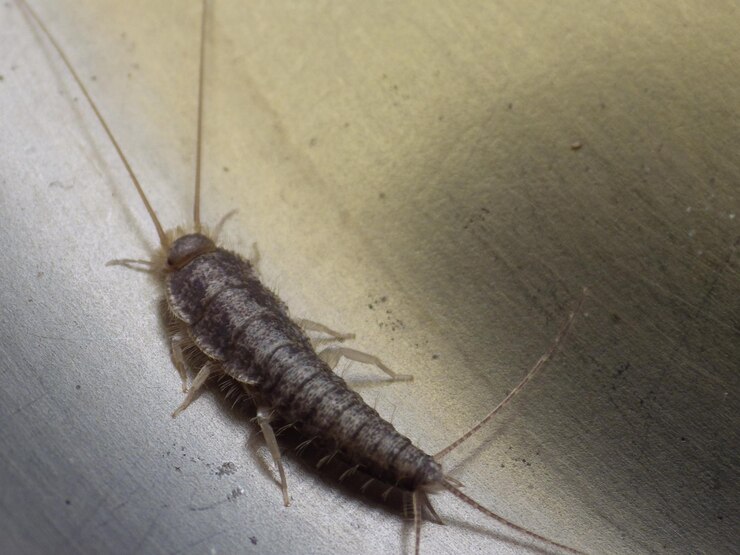
It is small, silvery, and strangely shaped, with a tapered body and tiny bristles at the back. Before you can get a closer look, it disappears beneath a cabinet or slips into a crack.
If you've experienced this, you may have encountered a silverfish.
Silverfish are among the most common insects found indoors, particularly in damp, dark, and relatively undisturbed areas. Their unusual appearance can make them seem alarming, but the good news is that silverfish are not generally considered dangerous to people or pets.
Still, finding them repeatedly in your home is something worth paying attention to.
Their presence can sometimes indicate excess moisture, humidity, hidden leaks, or an environment that provides plenty of food and shelter.
So what exactly are silverfish, why are they appearing in your house, and what can you do about them?
Let's take a closer look.

What Exactly Is a Silverfish?
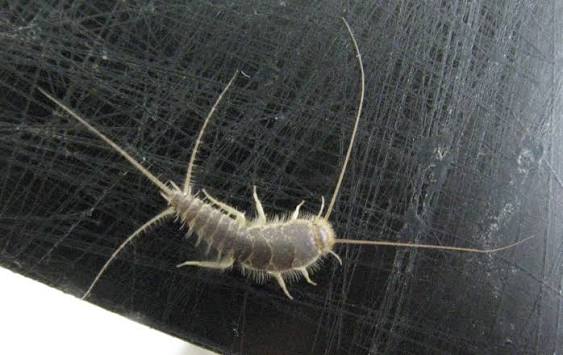
Silverfish are small, wingless insects recognized by their silvery-gray appearance and elongated, flattened bodies.
Their scientific name is Lepisma saccharinum.
They are called silverfish because of two distinctive characteristics:
Their silver-colored scales
and
their fish-like, wiggling movement.
Adult silverfish are typically around 12–19 millimeters long, although their size can vary.
They have three long, tail-like appendages at the rear of the body and long antennae at the front.
Despite their somewhat intimidating appearance, silverfish aren't aggressive insects.
They don't sting.
They don't bite people under normal circumstances.
And they aren't known for transmitting diseases to humans.
Their main concern is that they can become household pests when populations grow.
Why Do Silverfish Come Inside?
Silverfish generally prefer environments that are:
-
Damp
-
Humid
-
Dark
-
Cool or moderately warm
-
Undisturbed
That's why they are frequently discovered in places such as:
Bathrooms
Basements
Laundry rooms
Kitchens
Attics
Closets
Storage areas
They can hide behind furniture, beneath sinks, around pipes, inside wall voids, and in cracks or gaps.
If you've recently started seeing silverfish, take a look at the environment around where you found them.
The insect itself may not be the main problem.
The conditions attracting it may be.
Humidity Is One of the Biggest Clues
Silverfish thrive in humid environments.
A home with persistent moisture provides the kind of conditions they prefer.
This can happen because of:
-
Poor bathroom ventilation
-
Condensation
-
Plumbing leaks
-
Damp basements
-
Roof leaks
-
Wet crawl spaces
-
High indoor humidity
-
Poorly ventilated storage areas
If silverfish are appearing regularly, checking the humidity and moisture levels in your home is a sensible first step.
You don't necessarily need to panic.
You simply need to investigate.
One Silverfish Doesn't Mean You Have an Infestation
This is an important distinction.
Seeing one silverfish occasionally doesn't automatically mean your home is infested.
A single insect may have entered through a small gap, been brought inside with an object, or simply wandered into your home.
However, repeated sightings are more meaningful.
If you're seeing them several times a week—or noticing them in multiple rooms—it may indicate that your home provides favorable conditions for them to survive and reproduce.
Why You Often See Them at Night
Silverfish are primarily nocturnal.
During the day, they tend to remain hidden in dark, sheltered locations.
At night, they become more active.
That's why many people discover them when they:
-
Turn on the bathroom light
-
Walk into the kitchen at night
-
Open a closet
-
Move stored boxes
-
Enter a basement
-
Use a laundry room
The sudden movement can make them appear surprisingly fast.
They are capable of moving quickly across smooth surfaces and disappearing into tiny cracks.
What Do Silverfish Eat?
This is one of the main reasons silverfish can become household pests.
Silverfish feed on materials containing starches and carbohydrates, as well as various organic materials.
Depending on their environment, they may consume:
-
Paper
-
Cardboard
-
Book bindings
-
Wallpaper paste
-
Glue
-
Some fabrics
-
Starchy food residues
-
Dead insects
-
Certain household materials
They can sometimes damage books, documents, wallpaper, photographs, and other items.
This is particularly concerning if you have valuable books or important paper records stored in a damp area.
Could Silverfish Damage Your Books?
Yes.
Silverfish are notorious for feeding on materials associated with books.
They may nibble at:
-
Paper
-
Glue
-
Binding materials
-
Book covers
-
Wallpaper
A single silverfish probably won't destroy an entire library.
But a persistent population can cause noticeable damage over time.
If you've discovered silverfish near stored books, consider moving those materials to a dry, well-ventilated location.
Reducing humidity can make the environment much less attractive to the insects.
What About Clothes?
Silverfish can sometimes damage fabrics, particularly materials containing starch, adhesives, or other organic residues.
However, they aren't the same type of pest as clothes moths.
If you find holes in clothing, don't automatically assume silverfish are responsible.
Other insects can cause fabric damage.
If you're seeing both insect activity and unexplained damage, identifying the actual pest is important before choosing a treatment.
Silverfish vs. Firebrats
Silverfish are sometimes confused with another related household pest called the firebrat.
Both insects have elongated bodies and three tail-like appendages.
But their preferred environments differ.
Silverfish generally prefer cooler, damp conditions.
Firebrats tend to prefer warmer environments, especially areas near heating equipment, ovens, boilers, or other warm locations.
Knowing the difference can help explain why a particular insect is appearing in your home.
Are Silverfish Dangerous to Humans?
Generally, no.
Silverfish are considered nuisance pests rather than dangerous household insects.
They don't have stingers.
They aren't known for attacking people.
They don't generally bite humans.
Their biggest concern is property damage and the conditions that allow them to thrive.
So if you see one, there is no need to panic.
Instead, ask:
Why is this insect comfortable here?
That question can lead you toward the real solution.
Can Silverfish Be a Sign of a Moisture Problem?
Sometimes.
Silverfish don't necessarily mean that your home has a serious water leak.
But repeated sightings in damp areas can be a useful clue.
Check around:
-
Bathroom sinks
-
Toilets
-
Shower plumbing
-
Washing machines
-
Pipes
-
Basement walls
-
Windows
-
Ceilings
-
Roof areas
Look for:
-
Water stains
-
Peeling paint
-
Damp odors
-
Mold
-
Condensation
-
Soft or damaged wood
If you find evidence of a leak, fixing the moisture source is more important than simply killing individual insects.
Why Killing One Silverfish May Not Solve the Problem
You can spray or remove a silverfish and feel like the problem is solved.
But if your home remains humid and provides food and shelter, other silverfish may continue to appear.
Think of it this way:
The insect is the symptom.
The environment may be the cause.
That's why effective pest management often starts with changing the conditions that make your home attractive to the insects.
How to Make Your Home Less Attractive to Silverfish
Fortunately, several practical steps can help.
1. Reduce Excess Humidity
If indoor humidity is consistently high, consider using:
-
A dehumidifier
-
Bathroom exhaust fans
-
Better ventilation
-
Air conditioning when appropriate
Keeping damp areas dry can make the environment less favorable for silverfish.
2. Fix Leaks Quickly
Don't ignore a dripping pipe or slow plumbing leak.
Even small amounts of persistent moisture can contribute to damp conditions.
Check under sinks and around appliances regularly.
3. Improve Bathroom Ventilation
Bathrooms naturally produce a lot of moisture.
Use an exhaust fan during showers and for some time afterward.
If possible, allow moisture to escape rather than letting it accumulate on walls, ceilings, and floors.
4. Avoid Excessive Clutter
Silverfish prefer dark, undisturbed hiding places.
Stacks of cardboard boxes, old papers, and cluttered storage areas can provide shelter.
Organize stored materials and keep them off damp floors whenever possible.
5. Store Books and Documents Properly
Important documents and books should ideally be kept in a dry environment.
Avoid storing valuable paper materials in damp basements, garages, or poorly ventilated storage rooms.
Use appropriate sealed containers when needed, while still making sure moisture isn't trapped inside with the materials.
6. Seal Cracks and Gaps
Silverfish can move through surprisingly small spaces.
Inspect areas around:
-
Baseboards
-
Pipes
-
Windows
-
Doors
-
Cabinets
-
Utility openings
Sealing unnecessary gaps can reduce potential entry and hiding points.
What Should You Do If You Find One?
If you see a single silverfish, simply remove it and inspect the area.
Then ask yourself:
Was the room unusually humid?
Are there leaks?
Is there a lot of cardboard or paper nearby?
Have I seen more than one?
If the answer to several of these questions is yes, investigate further.
When Should You Take the Problem More Seriously?
Repeated sightings are a reason to take action.
Pay particular attention if:
-
You see silverfish regularly
-
They appear in several rooms
-
You find them during the day
-
You notice damaged books or paper
-
There is persistent moisture
-
You find many insects in storage areas
-
The problem continues despite cleaning and drying the area
A large or persistent infestation may require professional pest-control assistance.
Don't Immediately Reach for Strong Chemicals
It's tempting to spray every insect you see.
But indiscriminate pesticide use isn't always the best first step.
If the underlying issue is moisture, killing individual insects won't address the reason they keep returning.
Start with environmental control:
Dry the area.
Fix leaks.
Remove clutter.
Seal gaps.
Store paper products properly.
If the infestation persists, consider consulting a licensed pest-control professional about appropriate treatment.
What About Natural Remedies?
You'll find many online suggestions involving essential oils, herbs, or household ingredients.
Some may have limited insect-repellent effects, but they shouldn't be considered guaranteed solutions for an established infestation.
The most reliable approach is usually integrated pest management, which focuses on identifying the pest, removing food and shelter, reducing moisture, sealing entry points, and using targeted treatment when necessary.
Could Silverfish Mean You Have Mold?
Not necessarily.
Silverfish prefer humid environments, and mold can also develop under humid conditions.
That means both can sometimes occur in the same environment.
But seeing a silverfish does not prove that mold is present.
If you notice musty odors, visible mold, condensation, or water damage, investigate the moisture source.
The Hidden Message Behind a Silverfish Sighting
Perhaps the most useful way to think about silverfish is as a clue rather than a catastrophe.
One tiny insect crawling across your bathroom floor doesn't automatically mean your house is infested.
But repeated sightings can tell you something about the environment.
Maybe a basement is too humid.
Maybe a bathroom isn't ventilating properly.
Maybe old cardboard boxes have been sitting untouched for years.
Maybe a small leak has gone unnoticed.
The insect may simply be taking advantage of conditions your home is providing.
A Simple Silverfish Prevention Checklist
If you want to reduce the likelihood of silverfish becoming a recurring problem, keep these habits in mind:
✔ Keep damp areas dry
✔ Repair plumbing and roof leaks
✔ Improve bathroom ventilation
✔ Reduce excessive indoor humidity
✔ Store books and documents in dry areas
✔ Avoid unnecessary cardboard clutter
✔ Seal cracks and gaps
✔ Clean food residues
✔ Inspect dark storage spaces periodically
✔ Consider professional pest control for persistent infestations
These steps can also discourage several other household pests.
Final Thoughts
Finding a silverfish in your home can be unsettling, especially when it suddenly darts across the floor and disappears into a crack.
But there's usually no reason to panic.
Silverfish aren't generally dangerous to people or pets, and a single sighting doesn't automatically indicate an infestation.
What matters is the pattern.
If you repeatedly see them, especially in bathrooms, basements, closets, or other damp areas, take the opportunity to inspect your home.
Look for excess moisture.
Check for leaks.
Improve ventilation.
Reduce clutter.
Protect books and paper products.
Seal cracks and gaps.
And if the problem continues, consider getting help from a qualified pest-control professional.
The most important lesson is simple:
Don't just focus on the insect. Look at the environment that attracted it.
A silverfish may be nothing more than an unwanted visitor.
But if you keep seeing them, it could be your home's quiet way of telling you that something—particularly moisture or humidity—deserves a closer look.