Knowing the difference can help explain why a particular insect is appearing in your home.
Are Silverfish Dangerous to Humans?
Generally, no.
Silverfish are considered nuisance pests rather than dangerous household insects.
They don't have stingers.
They aren't known for attacking people.
They don't generally bite humans.
Their biggest concern is property damage and the conditions that allow them to thrive.
So if you see one, there is no need to panic.
Instead, ask:
Why is this insect comfortable here?
That question can lead you toward the real solution.
Can Silverfish Be a Sign of a Moisture Problem?
Sometimes.
Silverfish don't necessarily mean that your home has a serious water leak.
But repeated sightings in damp areas can be a useful clue.
Check around:
-
Bathroom sinks
-
Toilets
-
Shower plumbing
-
Washing machines
-
Pipes
-
Basement walls
-
Windows
-
Ceilings
-
Roof areas
Look for:
-
Water stains
-
Peeling paint
-
Damp odors
-
Mold
-
Condensation
-
Soft or damaged wood
If you find evidence of a leak, fixing the moisture source is more important than simply killing individual insects.
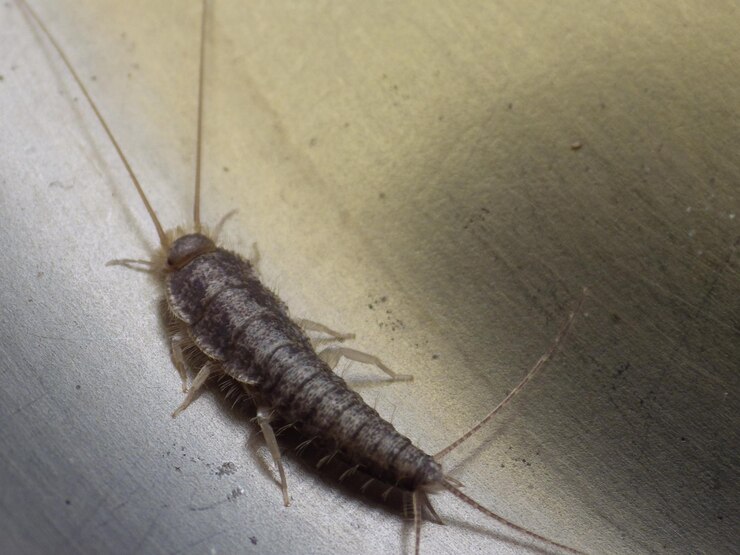
Why Killing One Silverfish May Not Solve the Problem
You can spray or remove a silverfish and feel like the problem is solved.
But if your home remains humid and provides food and shelter, other silverfish may continue to appear.
Think of it this way:
The insect is the symptom.
The environment may be the cause.
That's why effective pest management often starts with changing the conditions that make your home attractive to the insects.
How to Make Your Home Less Attractive to Silverfish
Fortunately, several practical steps can help.
1. Reduce Excess Humidity
If indoor humidity is consistently high, consider using:
-
A dehumidifier
-
Bathroom exhaust fans
-
Better ventilation
-
Air conditioning when appropriate
Keeping damp areas dry can make the environment less favorable for silverfish.
2. Fix Leaks Quickly
Don't ignore a dripping pipe or slow plumbing leak.
Even small amounts of persistent moisture can contribute to damp conditions.
Check under sinks and around appliances regularly.
3. Improve Bathroom Ventilation
Bathrooms naturally produce a lot of moisture.
Use an exhaust fan during showers and for some time afterward.
If possible, allow moisture to escape rather than letting it accumulate on walls, ceilings, and floors.