Finding an unfamiliar insect inside your home can be an unsettling experience. You may notice something crawling across the bathroom floor, hiding beneath a piece of furniture, or moving along a windowsill, and your first reaction may be to wonder where it came from—and whether there are more hiding nearby.
That reaction is completely understandable. However, seeing a single unfamiliar insect does not automatically mean your home has an infestation.
Insects can enter houses for many ordinary reasons. They may be searching for food, water, warmth, shelter, or a suitable place to hide. Sometimes they simply wander inside through an open door, damaged screen, or tiny gap around a window.
Instead of immediately reaching for insecticide, the better approach is to slow down, identify what you've found, and then determine why it may have entered your home.
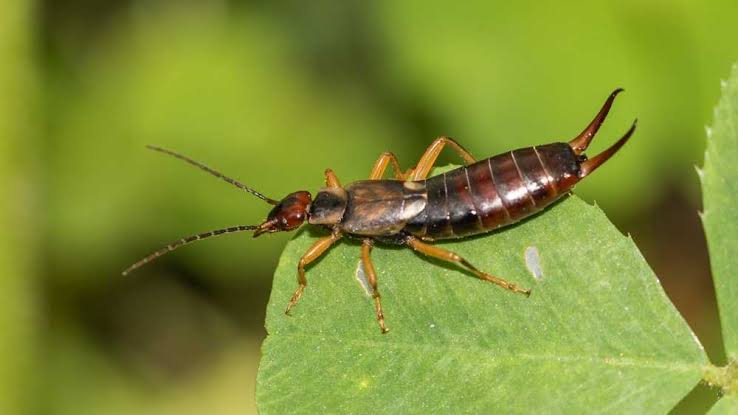
Start by Identifying the Insect
The first step is also one of the most important: find out what you're dealing with.
Different insects have completely different habits. A harmless occasional visitor requires a very different response from an insect that damages wood, contaminates food, spreads rapidly, or indicates excess moisture.
If you can safely do so, take a clear, well-lit photograph of the insect.
Try to capture:
-
Its overall body shape
-
Color and markings
-
Number and appearance of its legs
-
Antennae
-
Wings, if present
-
Approximate size
-
Where you found it
A photo taken from several angles can make identification much easier.
You can then compare the insect with reliable identification resources or ask a local university extension service, entomologist, or licensed pest-management professional for assistance.
Accurate identification can prevent unnecessary worry and unnecessary treatment.
Not Every Bug Is a Household Pest
It's easy to assume that any insect found indoors must be something you need to eliminate immediately.
But homes aren't completely isolated from the outside environment.
Doors open.
Windows are opened.
Pets come inside.
Packages and groceries enter the house.
Firewood, plants, boxes, clothing, and outdoor equipment can occasionally carry insects indoors.
A single beetle, moth, spider, or other small creature may simply be an accidental visitor.
In other words, one insect isn't necessarily evidence of a larger problem.
The pattern is much more informative than the individual sighting.
Ask Yourself Where You Found It
The location can provide valuable clues.
Bathroom
Bathrooms offer moisture, warmth, and dark hiding places. Insects that prefer humid environments may occasionally be found around sinks, drains, tubs, or cabinets.
Kitchen
Kitchens provide potential food sources, including crumbs, spilled liquids, pet food, and improperly stored food.
Basement
Basements can be cool, dark, damp, and relatively undisturbed—conditions that attract certain insects.
Laundry Room
Washing machines, plumbing, condensation, and humidity can create favorable conditions for moisture-loving pests.
Garage
Garages offer easy access to the outdoors and often contain cardboard, firewood, gardening supplies, and other materials that can shelter insects.
Where the insect appears can therefore tell you something about what may be attracting it.
Look for Food and Water Sources
Once you've identified—or at least narrowed down—the type of insect, inspect the surrounding area.
Even a seemingly clean home can provide tiny food sources.
Crumbs beneath appliances.
Pet food left overnight.
Fruit sitting on a countertop.
An overflowing garbage bin.
Sticky spills inside a cabinet.
These small sources can be enough to attract certain insects.
Water is another major factor.
A dripping faucet, leaking pipe, condensation around a window, or small puddle beneath an appliance may create an environment that insects find attractive.
Removing the resource can be more effective than simply removing the insect.
Moisture Is One of the Biggest Clues
If you repeatedly find insects in bathrooms, basements, kitchens, or laundry rooms, take a closer look at moisture.
Check for:
-
Leaking pipes
-
Dripping faucets
-
Damp walls
-
Condensation
-
Water stains
-
Musty odors
-
Poor ventilation
-
Standing water
-
Excessive indoor humidity
Moisture doesn't necessarily mean you have a serious structural problem.
But persistent dampness can make a home more attractive to certain pests and may also contribute to mold and material damage.
Fixing the source is therefore an important part of long-term pest prevention.
Keep Food Properly Stored
One of the simplest ways to make your home less attractive to insects is to limit access to food.
Store dry goods such as flour, cereal, rice, pasta, and pet food in sealed containers.
Don't leave food uncovered for extended periods.
Clean spills promptly.
Wipe down countertops after preparing meals.
Sweep or vacuum areas where crumbs accumulate.
Pay particular attention to spaces beneath refrigerators, ovens, and cabinets, where food debris can remain unnoticed.
These aren't complicated measures, but they can make a significant difference over time.
Don't Forget About Pet Food
Pet food is an easily overlooked source of nutrition for household pests.
If you leave bowls of dry food out throughout the day, insects may have a convenient food source available.
Depending on your pet's routine, consider storing unused food in a sealed container and cleaning the feeding area regularly.
This doesn't mean you need to completely change your pet's feeding routine.
The goal is simply to avoid leaving unnecessary food accessible to pests.
Garbage Can Attract Insects Too
Garbage contains exactly the kinds of organic materials many insects seek.
Fruit peels.
Food scraps.
Meat packaging.
Sugary residue.
Wet materials.
Keep garbage containers closed when possible and empty them regularly.
Clean the inside of the bin if spills or residue accumulate.
If insects are repeatedly appearing around your garbage area, inspect the container and surrounding floor carefully.
Inspect the Outside of Your Home
Sometimes the reason insects are getting inside isn't obvious from the interior.
Walk around the outside of your house and look for potential entry points.
Pay particular attention to:
-
Gaps around doors
-
Damaged window screens
-
Cracks around utility pipes
-
Openings around vents
-
Foundation cracks
-
Gaps beneath garage doors
-
Damaged weather stripping
Even very small openings can provide access to insects.
You don't need to seal every tiny crack in your house immediately, but repairing obvious gaps can reduce opportunities for pests to enter.

Check Your Door and Window Screens
A damaged window screen may not seem important.
But a small tear can become an easy entrance for insects.
Inspect screens periodically, particularly before warmer months when insect activity increases.
Repair holes or replace badly damaged screens.
Also check door sweeps and weather stripping.
These simple barriers can help reduce indoor insect activity without the need for chemical treatments.
Your Garden Can Also Affect What Enters the House
Outdoor landscaping can sometimes influence insect activity around a home.
Dense vegetation directly against exterior walls can provide shelter for insects.
Leaves and organic debris can accumulate around foundations.
Standing water can attract mosquitoes and other organisms.
Firewood piles can harbor insects.
Keeping vegetation trimmed, removing accumulated debris, and eliminating unnecessary standing water can help create a less attractive environment around the house.
You don't need a perfectly manicured yard.
A little maintenance can go a long way.
Cleanliness Helps, But It's Not the Whole Story
People sometimes assume that finding insects means their house isn't clean.
That's not necessarily true.
Even extremely clean homes can have occasional insects.
Pests are attracted by more than dirt.
They may be responding to:
-
Humidity
-
Temperature
-
Shelter
-
Outdoor conditions
-
Seasonal changes
-
Structural openings
-
Nearby vegetation
So don't immediately blame yourself if you discover an unfamiliar insect.
Instead, use the discovery as information.
Pay Attention to Repeated Sightings
One insect is one thing.
Five insects of the same type over several days is another.
If you repeatedly find the same species, particularly in multiple rooms, investigate more closely.
Look for:
-
Eggs
-
Larvae
-
Droppings or frass
-
Damaged food
-
Damaged fabrics
-
Wood damage
-
Multiple insects hiding in the same area
-
Unusual odors or moisture
These signs can provide evidence that you're dealing with more than an accidental visitor.
Daytime Sightings Can Sometimes Be a Clue
Many household insects are more active at particular times.
Some are primarily nocturnal and may normally remain hidden during the day.
If you suddenly see large numbers of insects during daylight hours, it can sometimes indicate increased activity or disturbance of a hiding area.
This isn't a diagnosis by itself.
But combined with repeated sightings, it may be worth investigating.
Avoid Randomly Spraying Pesticides
When people see an unfamiliar insect, the natural reaction can be:
"Kill it immediately."
But spraying an unidentified insect with pesticide may not solve the underlying problem.
Different pests respond to different control methods.
Some treatments are ineffective against certain species.
Others can expose people and pets to unnecessary chemicals when used incorrectly.
And if the real issue is moisture or a structural entry point, pesticide use doesn't address the source.
Identify first. Treat second.
That's generally a much more sensible approach.
Why Correct Identification Matters
Imagine finding a small insect near a wooden window frame.
You might assume it's harmless.
But if it turns out to be a wood-damaging pest, the appropriate response could involve a much closer inspection.
Alternatively, you might mistake a harmless outdoor insect for something dangerous and spend money on unnecessary pest treatments.
Correct identification helps answer three important questions:
What is it?
Why is it here?
Does it require treatment?
Without those answers, you're essentially guessing.
When Professional Help Makes Sense
You don't need to call a pest-control company every time you see a bug.
But professional assistance can be useful when:
-
The insects keep returning
-
You see large numbers
-
Multiple rooms are affected
-
You find evidence of reproduction
-
You notice property damage
-
You can't identify the insect
-
You suspect termites or another destructive pest
-
DIY measures aren't working
A licensed pest-management professional can identify the insect and determine where it is coming from.
A good inspection should focus on the source of the problem, not simply treating every visible insect.
Don't Ignore Signs of Water Damage
Sometimes insects are the first visible clue that something else is happening.
If you repeatedly find bugs near a particular wall, ceiling, cabinet, or plumbing area, inspect that location for moisture.
Look for:
Discoloration
Peeling paint
Soft materials
Musty smells
Condensation
Visible mold
These signs may warrant further investigation even if the insects themselves are harmless.
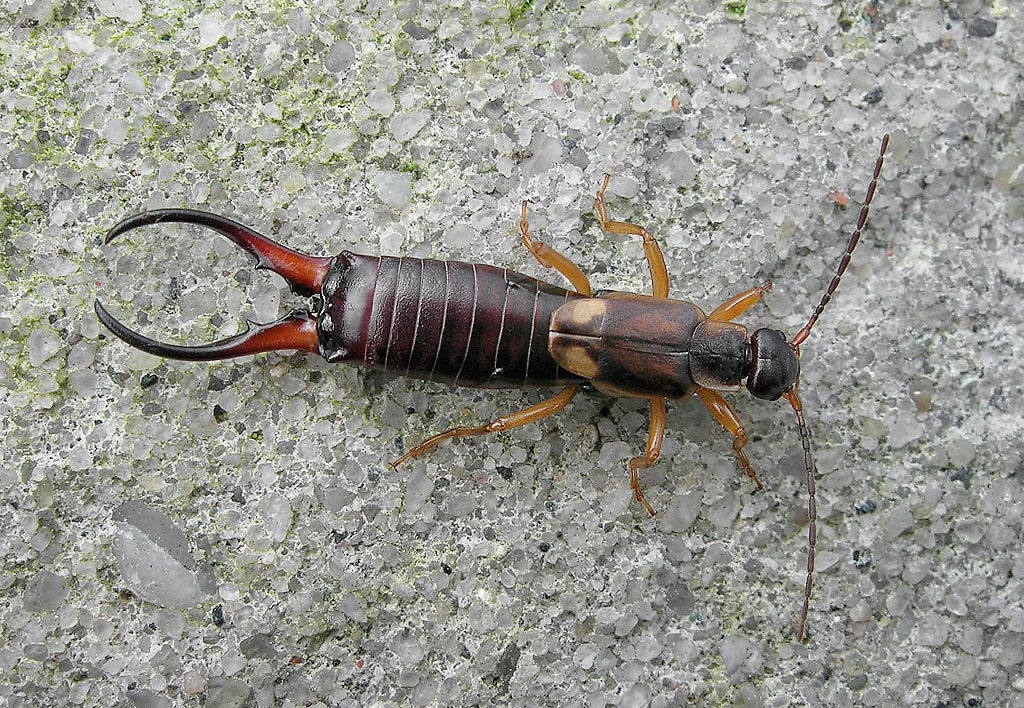
Seasonal Changes Can Bring More Insects Indoors
It's also normal for indoor insect activity to change throughout the year.
During colder weather, some insects may seek shelter indoors.
During warm and humid seasons, other species may become more active.
Heavy rainfall can also influence insect behavior by changing outdoor moisture levels and driving some organisms toward drier shelter.
So if you suddenly notice an occasional insect after a major weather change, it doesn't automatically mean your home has developed an infestation.
A Simple Routine for Keeping Insects Out
You don't need an extreme cleaning schedule.
A few consistent habits can help:
Keep kitchens clean
Wipe surfaces and clean food spills promptly.
Store food securely
Use airtight containers for dry goods.
Reduce excess moisture
Repair leaks and improve ventilation.
Empty garbage regularly
Don't allow food waste to accumulate.
Vacuum regularly
Pay attention to corners, baseboards, and areas beneath furniture.
Inspect entry points
Repair damaged screens and seal obvious gaps.
Keep storage areas organized
Reduce piles of cardboard, paper, and clutter.
Maintain the exterior
Trim vegetation and remove standing water near the home.
Together, these habits make the environment less attractive to many common household pests.
What If You Can't Identify the Insect?
Don't worry.
Not everyone can distinguish one small insect from another.
Take a sharp photograph and record:
-
Where you found it
-
The approximate size
-
Whether it was alone
-
Whether you've seen others
-
Whether it was moving quickly or slowly
-
Whether you found any damage nearby
This information can make identification much easier.
If necessary, bring the information to a local extension service or qualified pest professional.
The Most Important Thing Is Not to Panic
An unfamiliar insect can look frightening when you don't know what it is.
But uncertainty doesn't automatically mean danger.
Instead of immediately assuming the worst, take a methodical approach:
Observe it.
Identify it.
Inspect the area.
Look for food, water, and shelter.
Check for entry points.
Monitor whether more appear.
Take targeted action if necessary.
This approach is calmer, safer, and usually more effective than reacting with random chemicals.
Final Thoughts
Finding an unfamiliar insect inside your home can certainly be unpleasant, but one unexpected bug does not automatically mean you have an infestation.
Insects enter homes for countless reasons. They may be looking for food, water, warmth, shelter, or simply taking advantage of a small opening.
The smartest response is to focus on the bigger picture.
Identify the insect before treating it.
Inspect the area where you found it.
Remove accessible food and water sources.
Reduce excess moisture.
Store food properly.
Seal obvious cracks and gaps.
Keep outdoor areas around the home reasonably maintained.
And if you begin seeing the same insect repeatedly or discover evidence of a larger population, don't guess at the solution. Consider contacting a qualified pest-management professional who can identify the species and recommend an appropriate treatment.
A clean, dry, well-maintained home won't guarantee that you'll never see a bug.
But it can make your home far less attractive to unwanted visitors.
Sometimes, the tiny insect you find on the floor isn't a warning of something terrible.
It may simply be a small clue—one that gives you an opportunity to look a little closer at your home and make a few simple changes before a minor nuisance becomes a bigger problem.