If you discover a tick attached to your pet, use a veterinarian-recommended removal method or contact your veterinarian if you are unsure how to proceed. Monitor the animal for changes in appetite, energy, or behavior after a suspected bite.
A tick found on a person or pet may be an isolated incident. However, checking everyone helps you determine whether the problem is limited to one accidental introduction or may involve a larger source.
4. Inspect Your Pet's Bedding and Favorite Resting Areas
Pets are one of the possible ways ticks enter a home. Dogs and cats that spend time outdoors may carry parasites on their fur, even if they appear clean and healthy.
Once inside, ticks may detach and crawl into nearby hiding places.
Start by inspecting the areas where your pet spends the most time. These may include:
-
Pet beds and blankets.
-
Cushions and upholstered furniture.
-
Rugs near sleeping areas.
-
Cracks along the edges of flooring.
-
Corners near kennels or pet crates.
-
Spaces beneath furniture where animals regularly rest.
Remove washable pet bedding and launder it according to the fabric's care instructions. Use a dryer on an appropriate high-heat setting when the material permits, because heat can help kill ticks.
Vacuum the surrounding floor, carpet, and furniture thoroughly. Empty the vacuum contents into a sealed bag and dispose of them promptly according to the appliance manufacturer's instructions.
Do not assume that washing a pet's bedding alone will solve an ongoing infestation. If ticks continue to appear, the animal may need veterinary-approved parasite prevention, and the surrounding environment may require professional assessment.
Some species, including the brown dog tick, can infest indoor environments and kennels under suitable conditions. When this happens, treating the pet alone may not eliminate the entire problem because ticks at different life stages may be present in the environment.
A veterinarian can recommend appropriate prevention products based on your pet's species, age, weight, and health. Never use a product intended for dogs on a cat unless the label specifically permits it. Some dog parasite products contain ingredients that are highly toxic to cats.
5. Vacuum Carpets, Rugs, and Upholstered Furniture Thoroughly
Carpets and upholstered furniture can conceal ticks that have fallen from clothing or animals. Although ticks do not behave exactly like fleas, they may crawl into protected spaces and remain difficult to notice.
Vacuuming is a practical first step when you find ticks indoors.
Concentrate on areas where people and pets spend the most time. Move furniture where practical, vacuum along baseboards, and pay attention to gaps around furniture legs, carpet edges, and floor transitions.
Do not overlook the underside of cushions, the seams of upholstered furniture, or the area beneath pet beds.
After vacuuming, dispose of the collected material in a sealed bag if your vacuum uses disposable bags. If your vacuum has a reusable container, empty it carefully outdoors into a sealed waste bag and clean the container according to the manufacturer's instructions.
Vacuuming removes many ticks that are present on accessible surfaces, but it should not be considered a guaranteed solution for an established infestation.
Ticks may hide in inaccessible crevices, and eggs or immature stages may be present in areas that are difficult to reach. Repeated sightings may indicate that additional measures are necessary.
If ticks continue appearing despite careful cleaning, consider arranging an inspection by a qualified pest-control professional rather than repeatedly treating the same surfaces without identifying the source.
6. Wash Clothing, Blankets, and Other Potentially Contaminated Items
Ticks can enter a home on clothing, backpacks, shoes, outdoor equipment, and other objects brought inside after outdoor activities.
If you suspect that clothing has been exposed, inspect it carefully before placing it on furniture or in a laundry basket.
For dry clothing that can safely tolerate it, a high-heat tumble-dryer cycle can help kill ticks. Public health guidance commonly recommends at least 10 minutes on high heat for dry clothing, with additional time needed for damp items.
If clothing needs to be washed first, use hot water when the fabric's care instructions permit. Cold or medium-temperature washing alone may not reliably kill ticks.
Do not apply heat to materials that could melt, shrink, or otherwise become damaged. Check the manufacturer's care instructions before using a dryer.
Inspect backpacks, outdoor cushions, blankets, shoes, and equipment that may have been in tall grass or wooded environments.
If you have been hiking, gardening, camping, or working around animals, establish a routine of checking your belongings before bringing them into bedrooms or living areas.
These simple habits can reduce the chance of accidentally introducing ticks into the home.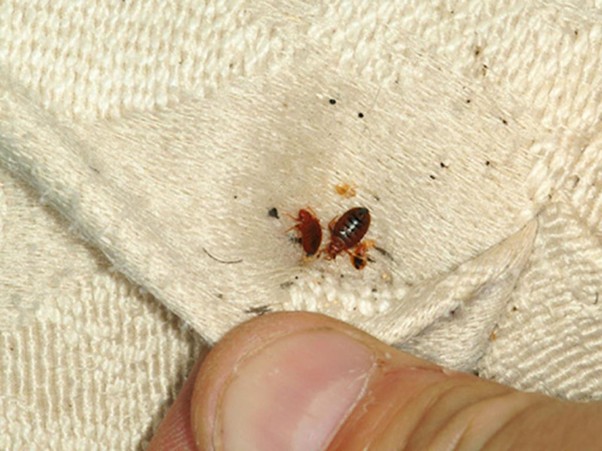
7. Understand Where Ticks May Be Hiding
Ticks do not all behave the same way. Their preferred habitats and indoor survival patterns vary by species, life stage, humidity, temperature, and access to hosts.
Some ticks that enter a home are simply passing through. Others may seek protected locations where they can wait for a suitable host.
When inspecting your house, focus on places where ticks may enter, crawl, or find shelter.
Entry points
Check around exterior doors, window frames, utility openings, and areas where people frequently bring outdoor equipment inside.
A tick may arrive on a person or animal and then crawl away from the entry point. Finding one near a door does not necessarily mean it entered through a gap in the building.
Pet areas
Inspect kennels, pet bedding, crates, and the spaces beneath furniture where animals rest.
If ticks repeatedly appear near the same animal's sleeping area, consider whether the pet needs a veterinary examination and a suitable parasite-prevention plan.
Cracks and protected spaces
Look along baseboards, around floor transitions, beneath furniture, and in other sheltered areas.
Some species may hide in cracks and crevices, especially when an indoor infestation has become established.