Have you ever opened your trash can expecting to throw something away, only to discover tiny white creatures squirming around inside?
It can be an unpleasant and honestly pretty shocking surprise.
At first glance, those tiny white worms may look mysterious. Some people immediately wonder where they came from, whether they are dangerous, or why they seem to have appeared almost overnight.
In most cases, however, the explanation is much simpler than it looks.
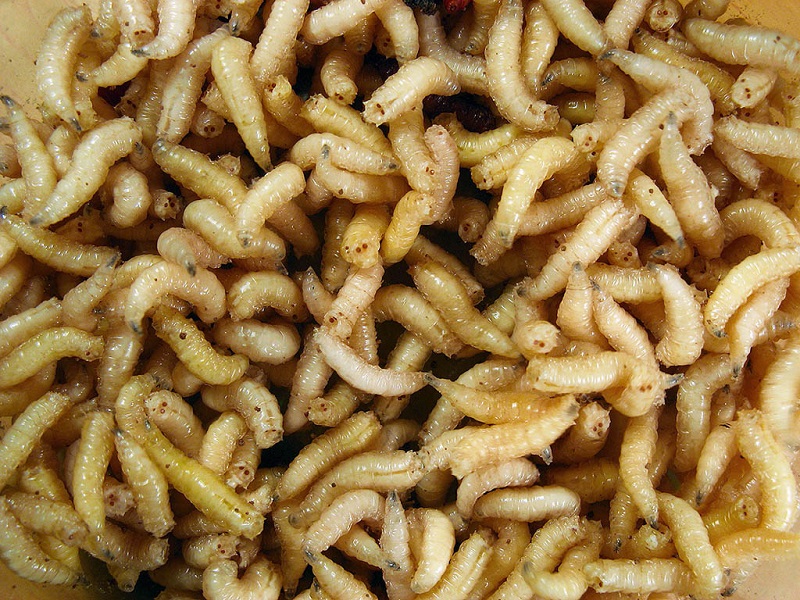
Those tiny white creatures are often maggots - the larvae of flies.
And while seeing them in your kitchen trash can be disgusting, their presence usually means that flies have found a suitable food source and begun their natural life cycle.
The good news?
Maggots are usually easy to deal with once you remove the source that attracted the flies in the first place.
Here's why they appear, what you should do when you find them, and how to make your trash can much less inviting to insects.
What Exactly Are Those Tiny White Creatures?
Maggots are the immature, larval stage of flies.
Adult flies search for suitable places to lay their eggs. Decaying organic material is particularly attractive because it can provide food for the larvae after they hatch.
Once the eggs hatch, the tiny larvae begin feeding on the organic material around them.
This is why maggots are commonly found in:
-
Food scraps
-
Meat leftovers
-
Spoiled fruit
-
Vegetables
-
Pet food
-
Greasy food waste
-
Dirty paper towels
-
Other decomposing organic material
They don't simply appear from nowhere.
There is almost always a food source or breeding opportunity nearby.
Why Does It Seem Like They Appeared Overnight?
This is one of the strangest things about discovering maggots.
You may take the trash out one evening and everything seems completely normal.
Then the next morning, you open the lid and suddenly see dozens of tiny white larvae moving around.
So what happened?
Flies can reproduce relatively quickly, especially when environmental conditions are favorable.
A female fly may lay eggs on suitable organic material. Under warm conditions, those eggs can hatch quickly, and the larvae become visible as they begin feeding.
The process can therefore seem incredibly sudden.
But the insects didn't actually materialize overnight.
The eggs were likely already there before you noticed the larvae.
Your Trash Can Can Be the Perfect Environment
Think about what's inside an average household garbage bin.
There may be:
-
Food scraps
-
Moisture
-
Warmth
-
Darkness
-
Leftover meat
-
Fruit peels
-
Vegetable waste
-
Used napkins
-
Food containers
-
Grease
For flies, that's an excellent environment.
A trash can provides both shelter and a readily available food source.
During warm weather, the situation can develop even faster.
Heat can accelerate decomposition and create stronger odors, making the garbage more attractive to flies.
This is one reason households may notice more fly activity and maggots during the warmer months.
Warm Weather Can Make the Problem Worse
Temperature plays an important role in insect development.
When the weather is warm, food decomposes more quickly.
That produces odors that can attract flies.
At the same time, warmer conditions can allow fly eggs and larvae to develop more rapidly.
This creates a cycle:
Warm temperatures → faster decomposition → stronger odors → more fly activity → more eggs → more maggots.
That is why a trash can that seems perfectly manageable during cooler weather can become a completely different situation during a hot summer week.
If your home gets particularly warm, taking food waste out more frequently can make a noticeable difference.
Where Are the Maggots Coming From?
If you see maggots inside the trash bag, the source is usually obvious.
But sometimes they appear outside the bag or underneath it.
That's because liquid from decomposing food can leak out of the bag and collect at the bottom of the trash can.
Flies may also lay eggs around:
-
The rim
-
The lid
-
The bottom of the bin
-
Food residue
-
Cracks
-
Seams
-
Sticky areas around the bag
So simply replacing the garbage bag may not completely solve the problem.
If organic residue remains inside the bin, flies may continue to be attracted to the area.
That's why cleaning the container itself is an important part of dealing with an infestation.
What Should You Do If You Find Maggots?
Don't panic.
The most important step is to remove the source.
If the maggots are inside a garbage bag, close the bag securely.
Avoid leaving it sitting inside the home.
Take the bag outside and place it in the appropriate outdoor waste container.
If possible, keep children and pets away from the affected area while you're handling the garbage.
The goal is to remove the food source that is allowing the larvae to survive.
Once the infested waste is gone, you can focus on cleaning the bin.

Step 1: Empty the Trash Completely
Remove everything from the trash can.
Check carefully for food scraps or pieces of organic waste that may have fallen outside the bag.
Don't forget to look underneath the bag.
This is especially important if you have noticed liquid or sticky residue at the bottom of the bin.
Even a small amount of decomposing food can continue attracting flies.
Step 2: Clean the Entire Trash Can
Once the garbage is removed, thoroughly clean the container.
Use hot water and ordinary household detergent or another appropriate cleaning product.
Pay attention to areas that are easy to overlook:
The bottom
Food residue and liquid often accumulate here.
The sides
Greasy material can stick to the interior walls.
The lid
Flies may land around the lid or rim.
The rim
This area can collect residue from leaking garbage bags.
Cracks and seams
Small amounts of organic material can become trapped in these areas.
You don't need to use increasingly harsh chemicals simply because the situation looks unpleasant.
Thorough cleaning and removal of the organic material are the important steps.
Always follow the label instructions when using household cleaning products, and never mix bleach with ammonia or other incompatible cleaners.
Step 3: Rinse Thoroughly
After cleaning, rinse the trash can to remove detergent and loosened debris.
Make sure no food residue remains.
If the bin has a removable lid, clean that separately.
For bins with wheels, handles, or other areas that are frequently touched, clean those surfaces as well.
The goal is to remove both the visible residue and the odors that may continue attracting insects.
Step 4: Let the Bin Dry Completely
This step is easy to overlook.
After washing the trash can, allow it to dry thoroughly before putting a new bag inside.
A damp, dirty environment is much less desirable than a clean, dry one.
If possible, place the empty bin somewhere with good airflow while it dries.
Once it's completely dry, insert a fresh garbage bag.
What If Maggots Are Still Appearing?
If you've removed the garbage and cleaned the bin but continue finding maggots, don't immediately assume the cleaning failed.
There may be another source nearby.
Check surrounding areas for:
-
Forgotten food
-
Leaking garbage
-
Spoiled produce
-
Pet food
-
Pet waste
-
Dirty recycling containers
-
Food underneath appliances
-
Organic debris outdoors
Flies don't necessarily need the trash can itself.
They simply need access to a suitable food source.
If the source is elsewhere, the insects may continue appearing even after the bin has been cleaned.
Don't Forget Your Recycling Bin
Recycling containers can also contain food residue.
A soda bottle, meat tray, sauce container, or food packaging may retain small amounts of organic material.
If recyclables are stored indoors for several days, those residues can attract flies.
Rinsing containers when practical and keeping recycling areas clean can reduce the likelihood of attracting insects.
Pet Food Can Also Attract Flies
If you have pets, don't overlook their food.
Wet pet food, leftover food in bowls, and food residue around feeding areas can attract flies.
During hot weather, don't leave wet food sitting out for extended periods.
Clean food bowls regularly and dispose of uneaten food appropriately.
Pet waste can also attract flies, particularly if garbage or waste containers are not sealed properly.
What About the Smell?
The smell coming from a trash can isn't just unpleasant for you.
It's also a signal to insects.
As organic material breaks down, it releases various compounds and odors.
Flies use these environmental cues to locate potential food and breeding sites.
That's why simply spraying air freshener around a dirty trash can isn't a real solution.
You don't want to cover up the smell.
You want to remove the source creating it.
Clean the bin.
Remove decomposing material.
Keep food waste contained.
And prevent residue from accumulating.
How to Prevent Maggots From Coming Back
Prevention is much easier than dealing with an infestation.
A few simple habits can significantly reduce the chances of finding maggots in your trash.
Take Out Food Waste Regularly
Don't allow food scraps to sit inside the home for long periods, particularly during hot weather.
If your garbage contains meat, seafood, or other highly perishable organic material, consider taking it outside sooner rather than later.
Keep Garbage Bags Properly Sealed
Make sure bags are tied securely before they're removed from the trash can.
A loosely tied bag can allow odors to escape and insects to access the contents.
A well-sealed bag also reduces the chance of leakage.
Don't Put Warm Food Directly Into the Trash
Allow appropriate leftovers to cool before disposing of them, while still following normal food-safety practices.
Hot food can contribute to warmth and moisture inside the trash bag.
The combination of food, heat, and moisture can create an attractive environment for flies.
Keep the Trash Can Dry
Moisture is one of the biggest contributors to unpleasant garbage conditions.
If a bag leaks, clean the bin promptly.
Don't simply place another bag on top of the mess.
That residue can continue producing odors and attracting insects.
Rinse Food Containers When Appropriate
Before throwing away containers that held food, sauces, meat, dairy products, or other organic material, rinse them when practical.
This is particularly useful for containers that will remain indoors for several days.
The less food residue available, the less attractive the garbage becomes to flies.
Keep the Lid Closed
If your trash can has a lid, use it.
A closed container creates an additional barrier between flies and the waste inside.
A lid won't make the garbage completely insect-proof, but it can make access more difficult and reduce odors escaping into the room.
Don't Ignore Outdoor Garbage
Sometimes the source isn't inside the kitchen.
Outdoor trash containers can also attract large numbers of flies.
Keep outdoor garbage bins closed and clean them periodically.
If liquid leaks from garbage bags, clean the affected area rather than allowing waste residue to accumulate.
Are Maggots Dangerous?
The sight of maggots can certainly make your stomach turn, but finding fly larvae in household garbage doesn't automatically mean your home is dangerous.
Their presence usually indicates that flies have found decomposing organic material.
The bigger concern is the decomposing waste itself and the hygiene conditions around it.
That's why proper cleanup is important.
Remove the waste.
Clean the container.
Wash your hands afterward.
And avoid allowing food waste to remain exposed.
If maggots are appearing somewhere unusual—such as on food that was supposedly protected, in a wound, or in an area unrelated to garbage—that is a different situation and should be evaluated appropriately.
What If You See Maggots on Your Body or in a Wound?
This is very different from finding them in the trash.
Maggots associated with human tissue can occur under certain circumstances and require medical attention.
If you ever find larvae in or around a wound, don't treat it as a normal household pest problem.
Seek medical care promptly.
Likewise, if an unexplained infestation is occurring somewhere in your home that doesn't contain obvious decomposing food, professional pest-control advice may be appropriate.
Why You Shouldn't Just Ignore the Problem
It may be tempting to close the lid and hope the maggots disappear.
But leaving the underlying food source in place gives flies exactly what they need to continue their life cycle.
Even if the larvae eventually disappear, more flies may be attracted to the same location.
That's why cleaning the trash can after removing the garbage is so important.
Treat the source, not just what you can see.
A Simple Trash-Can Cleaning Routine
You don't need to wait until you see maggots.
A regular cleaning routine can help prevent the problem.
Every so often:
-
Empty the trash completely.
-
Inspect the bottom of the bin.
-
Remove any food residue.
-
Wash the inside with household detergent.
-
Rinse thoroughly.
-
Clean the lid and rim.
-
Dry the bin completely.
-
Insert a fresh garbage bag.
If you have a household with frequent food waste, pets, or hot weather, you may need to clean the bin more often.
What If You Keep Seeing Flies?
If flies continue appearing despite keeping your garbage clean and sealed, look beyond the trash can.
There may be another breeding source.
Check:
-
Fruit bowls
-
Recycling containers
-
Compost
-
Pet food
-
Pet waste
-
Drains
-
Forgotten food
-
Outdoor garbage
-
Areas underneath appliances
-
Damp or dirty areas
Persistent fly activity can sometimes indicate a hidden source that isn't immediately obvious.
Finding that source is usually more effective than repeatedly spraying insects.
The Bottom Line
Finding tiny white creatures crawling through your garbage can be seriously unpleasant.
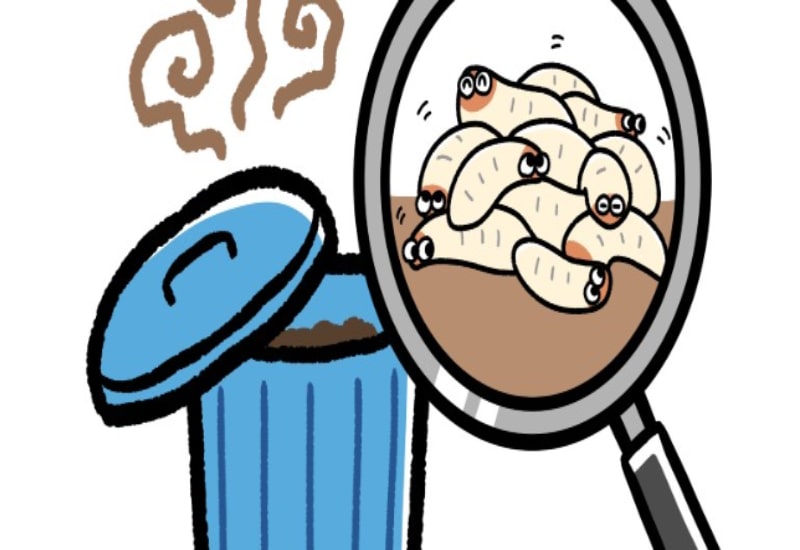
But in most household situations, those creatures are maggots—the larval stage of flies.
They usually appear because adult flies have found a suitable source of decaying organic material where they can lay eggs.
Warm temperatures, moisture, food residue, and exposed garbage can create ideal conditions for the process to happen quickly.
If you discover maggots, the most important steps are straightforward:
Remove the infested garbage.
Seal it securely and take it outside.
Clean the trash can thoroughly.
Remove food residue from the bottom, sides, rim, and lid.
Let the container dry completely.
Keep future food waste sealed and remove it regularly.
And remember, the appearance of maggots isn't some mysterious phenomenon.
It's nature doing what nature does.
The real lesson is that a clean, dry, well-sealed trash can gives flies far fewer opportunities to turn your kitchen garbage into their nursery.
So the next time you lift the lid and see those tiny white larvae moving around, don't panic.
Find the food source, remove it, clean the bin thoroughly, and make the environment less attractive to flies.
A few simple habits can go a long way toward keeping your trash can and your kitchen - maggot-free.