Drooling while sleeping might seem harmless or even embarrassing, but medical experts warn that frequent drooling can sometimes indicate underlying health problems. Occasional drooling is normal, especially when you’re deeply relaxed, but if it happens often, it’s worth paying attention.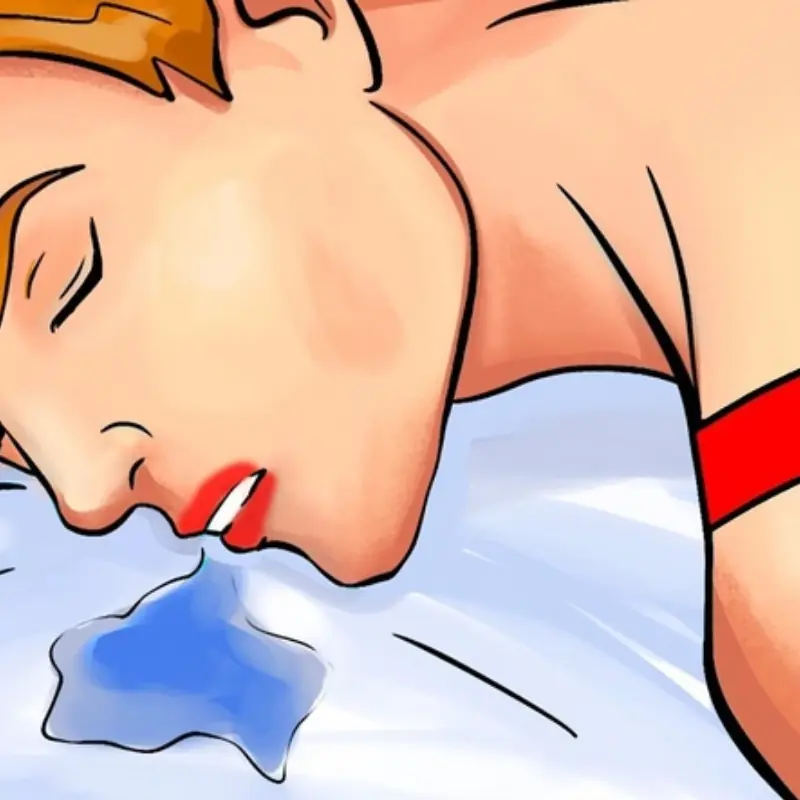
Here are six possible health issues linked to excessive drooling during sleep:
1. Sinus or nasal congestion
Blocked nasal passages force you to breathe through your mouth, causing saliva to build up and leak out during sleep.
2. Sleep apnea
People with sleep apnea often have difficulty breathing properly at night, leading to mouth breathing and drooling. This condition can be serious if left untreated.
3. Gastroesophageal reflux disease (GERD)
Acid reflux can irritate your throat and stimulate excess saliva production, making drooling more likely.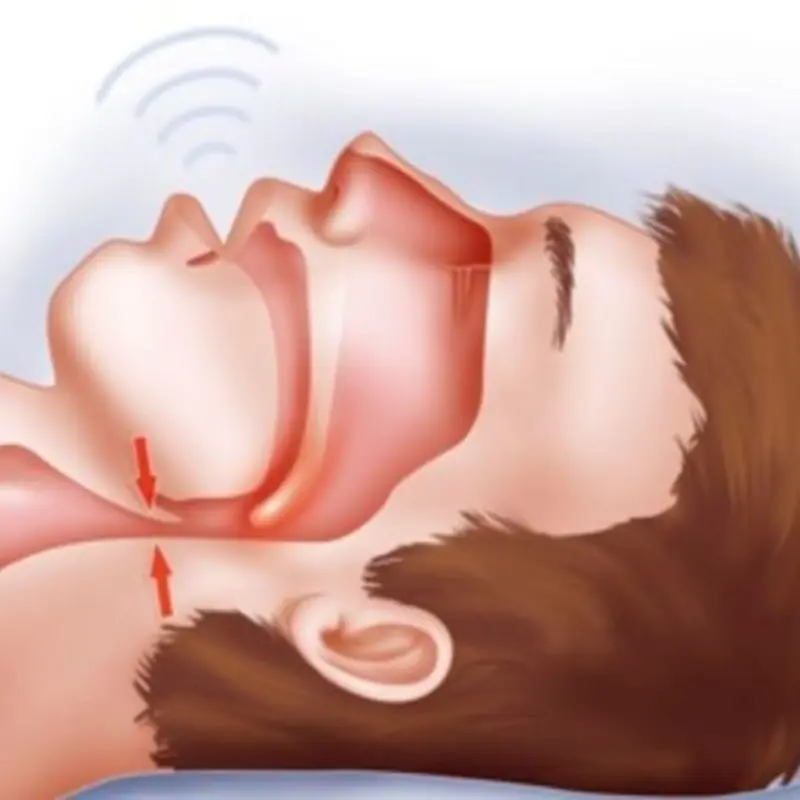
4. Allergies or infections
Seasonal allergies, colds, or throat infections can cause inflammation and increased saliva secretion.
5. Neurological conditions
Certain neurological disorders, such as Parkinson’s disease or stroke, can affect muscle control and swallowing, leading to drooling even during sleep.
6. Side effects of medication
Some medications — especially those for mental health, allergies, or blood pressure — can increase saliva production as a side effect.
When to See a Doctor
If you find yourself drooling frequently and also experience snoring, fatigue, or breathing difficulties at night, you should see a doctor. Identifying the root cause early can help prevent more serious health complications.