
Your Body May Show These 7 Warning Signs Before a Heart Attack. Here's What Experts Want You to Know
These 7 Symptoms Could Signal a Higher Risk of a Heart Attack—Know When to Seek Medical Care. 👇
Waking up in the middle of the night with a sudden, painful leg cramp can be both frustrating and alarming. For many people, these cramps happen occasionally and disappear quickly. But when they become frequent, your body may be trying to signal that something deeper is going on.
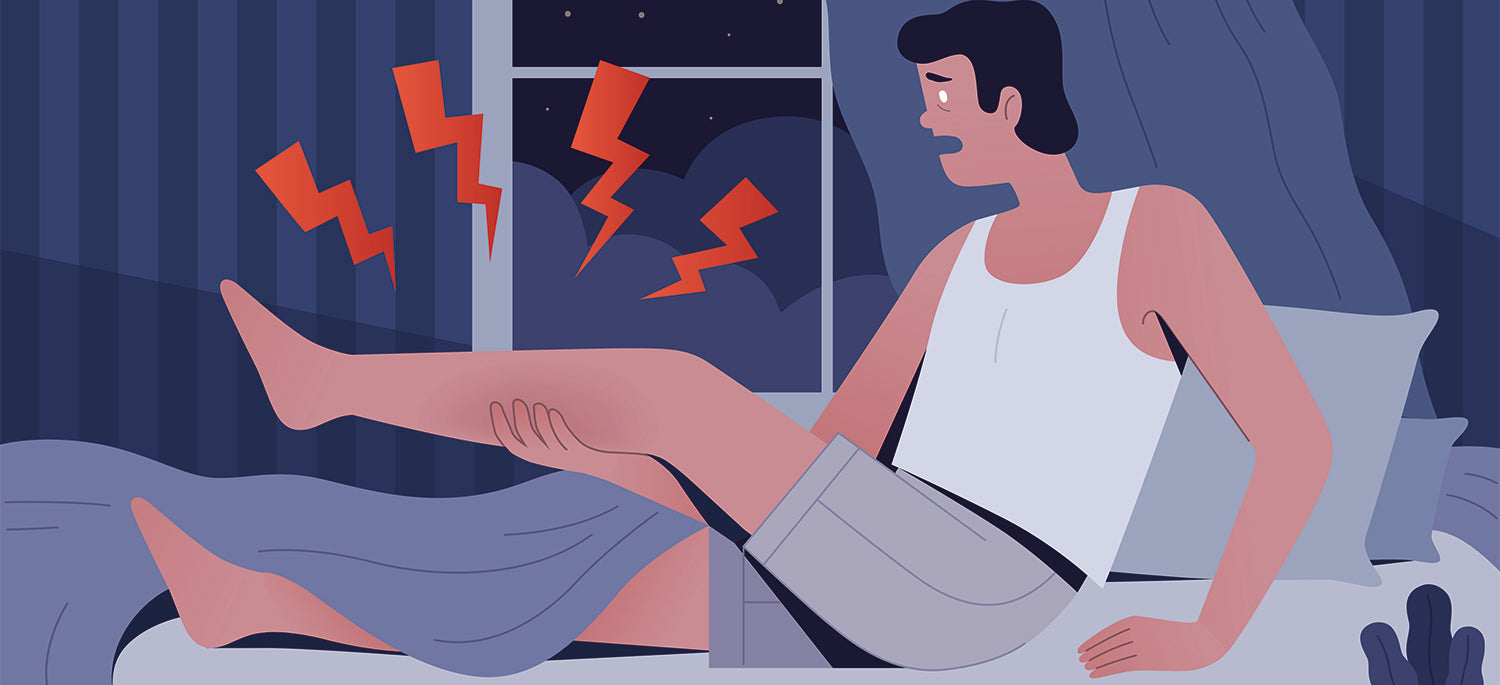
Nighttime leg cramps are sudden muscle contractions that usually affect the calves, feet, or thighs. The pain can last from a few seconds to several minutes, sometimes leaving the muscles sore afterward. Although they are common — especially as people get older — frequent cramps should not always be ignored.
One possible cause is dehydration. When the body lacks enough fluids, muscles may become more sensitive and prone to spasms. Not drinking enough water during the day, especially in hot weather or after exercise, can increase the risk of nighttime cramps.
Mineral imbalances may also play a role. Low levels of magnesium, potassium, or calcium can affect normal muscle function and trigger painful contractions. Poor diet, excessive sweating, or certain medications may contribute to these deficiencies.
Poor blood circulation is another potential reason. If blood flow to the legs is reduced, muscles may not receive enough oxygen, leading to cramping — particularly during periods of rest at night. In some cases, underlying conditions such as diabetes or nerve disorders may also contribute to frequent leg cramps.
People who spend long hours standing, sitting, or exercising intensely may experience muscle fatigue that increases the likelihood of cramps. Pregnancy can also make nighttime cramps more common due to changes in circulation and mineral needs.

Certain medications, including diuretics and cholesterol-lowering drugs, have been associated with muscle cramps as well. If the symptoms started after beginning a new medication, it may be worth discussing with a healthcare professional.
There are a few simple ways to help reduce nighttime cramps. Staying hydrated, stretching the legs before bed, maintaining a balanced diet, and avoiding prolonged sitting can all help support healthy muscle function. Gentle massage or applying warmth to the affected muscle may also provide relief during a cramp episode.
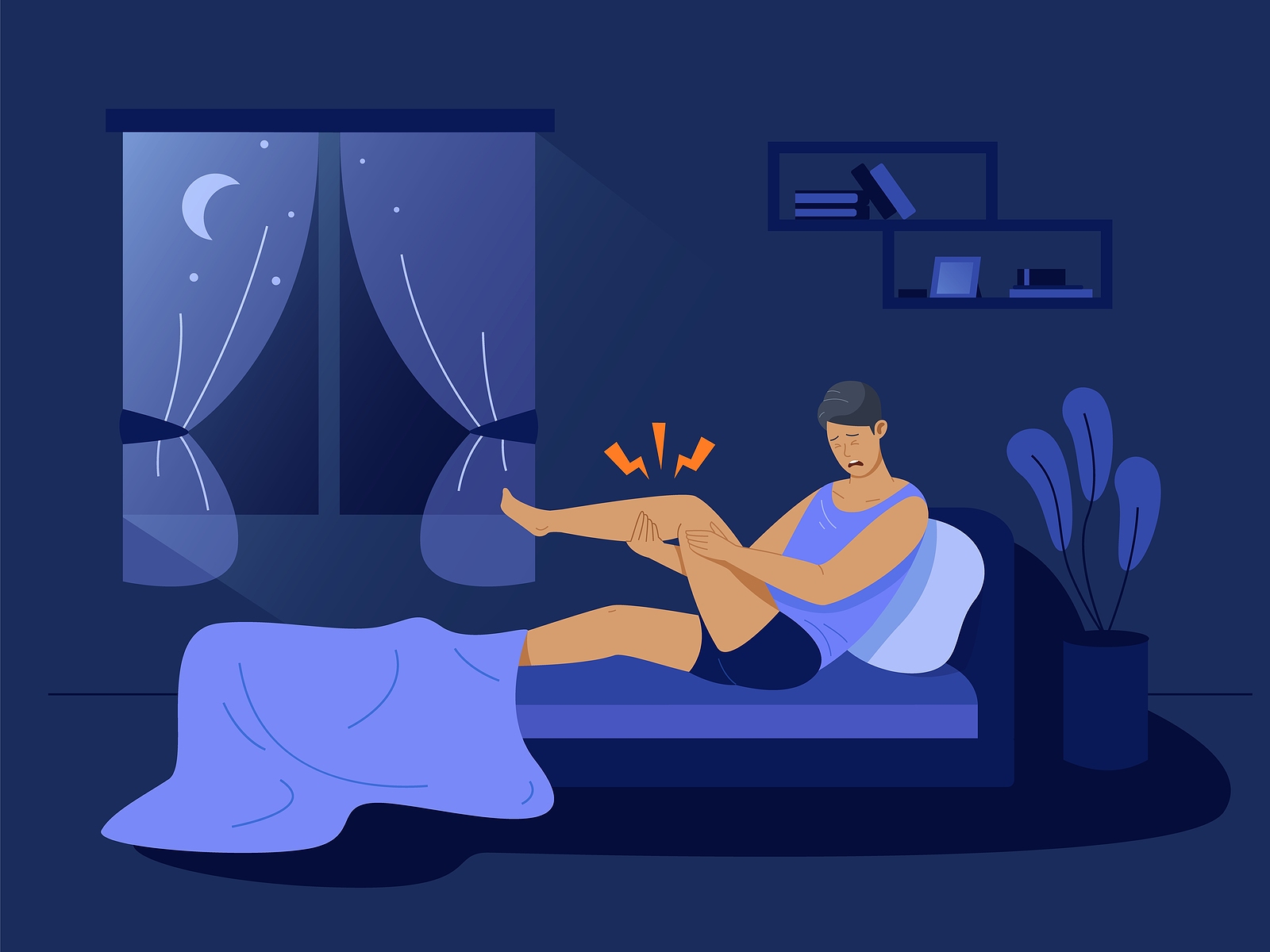
However, if the cramps happen frequently, become severe, or are accompanied by swelling, weakness, numbness, or changes in skin color, medical evaluation is important. Persistent leg cramps can sometimes be linked to underlying health conditions that require proper treatment.
Your body often sends warning signs in subtle ways. Frequent nighttime leg cramps may seem minor, but they could be a signal that your body needs more attention.Don't Ignore Nighttime Leg Cramps—Here's What Experts Say

These 7 Symptoms Could Signal a Higher Risk of a Heart Attack—Know When to Seek Medical Care. 👇

A Lump Behind Your Ear Could Have Several Causes

What Your Swollen Feet and Ankles Might Be Saying About Your Health.

Think You Know Okra? Here Are 16 Surprising Facts

Bruises That Appear Out of Nowhere? Here's What Medical Experts Recommend.

Your Feet Could Be Telling You More About Your Health Than You Realize. Here's Why.

Too Much of a Good Thing? What Excess Peanut Consumption May Do to Your Body.

What Makes These Perfect Square Waves So Incredibly Dangerous?

Garlic's Hidden Risks Most People Never Hear About

Are These Hard Bumps on Your Fingers a Warning Sign?

Brittle nails may reflect lifestyle habits, aging, or hidden health conditions.

Raw ginger is healthy, but poor hygiene may increase contamination risks.

Night leg cramps may signal dehydration, muscle strain, or health issues.

A rare infant case highlights symptoms parents should never ignore early.

A colorful vegetable-rich diet may help support long-term health naturally.

Bed bug bites can be itchy—early detection helps stop infestations fast.

💙 A Colonoscopy Can Be an Important Screening Test—Here's What to Know Beforehand... Check the 1st Comment

🌿 Could Cucumbers Be One of the Healthiest Salad Ingredients? Here's What Experts Say... See More

💡 6 Foods That May Be Making It Harder for Your Thyroid to Function Properly

An Aneurysm Can Be Silent—But These Symptoms May Be Important.

A Lunch Filled with Kindness

These 7 Symptoms Could Signal a Higher Risk of a Heart Attack—Know When to Seek Medical Care. 👇

A Lump Behind Your Ear Could Have Several Causes

What Your Swollen Feet and Ankles Might Be Saying About Your Health.

Think You Know Okra? Here Are 16 Surprising Facts

Bruises That Appear Out of Nowhere? Here's What Medical Experts Recommend.

Your Feet Could Be Telling You More About Your Health Than You Realize. Here's Why.

Too Much of a Good Thing? What Excess Peanut Consumption May Do to Your Body.

The Price of Judgment

What Makes These Perfect Square Waves So Incredibly Dangerous?

Garlic's Hidden Risks Most People Never Hear About

Don't Let This Meat Trick Fool You at the Supermarket

Are These Hard Bumps on Your Fingers a Warning Sign?

Brittle nails may reflect lifestyle habits, aging, or hidden health conditions.

Raw ginger is healthy, but poor hygiene may increase contamination risks.

Night leg cramps may signal dehydration, muscle strain, or health issues.

A rare infant case highlights symptoms parents should never ignore early.

A colorful vegetable-rich diet may help support long-term health naturally.