From Common Warts to Plantar Warts: 6 Types, Their Symptoms, Causes, and Treatment Options
Warts are one of the most common skin conditions worldwide. They are small, non-cancerous growths caused by certain strains of the human papillomavirus (HPV). While most warts are harmless, they can be uncomfortable, unsightly, and sometimes difficult to get rid of.
Because different types of warts can appear on different parts of the body, recognizing the type you have can help you choose the most appropriate treatment and know when it's time to seek medical advice.
What Causes Warts?
:format(webp)/mun_coc_co_nguy_hiem_khong_chan_doan_va_dieu_tri_mun_coc_1_498c9b857d.jpg)
Warts develop when HPV enters the skin through tiny cuts, scratches, or other breaks in the skin's surface. Once inside, the virus causes cells to grow more rapidly than normal, creating a raised bump or rough patch.
HPV can spread through direct skin-to-skin contact or by touching contaminated surfaces, such as locker room floors, public showers, or shared personal items.
Not everyone exposed to HPV develops warts. Factors such as age, skin injuries, and immune system function can influence a person's risk.
1. Common Warts
Common warts are the type most people are familiar with. They usually appear on the fingers, hands, knees, or elbows.
Symptoms
- Rough, grainy texture
- Raised, rounded bumps
- Flesh-colored, gray, or slightly brown appearance
- Tiny black dots that may resemble seeds
Causes
Common warts are typically caused by HPV strains that infect the outer layer of the skin through small cuts or abrasions.
Treatment Options
- Over-the-counter salicylic acid treatments
- Cryotherapy (freezing with liquid nitrogen)
- Prescription medications
- Laser therapy for stubborn cases
2. Plantar Warts
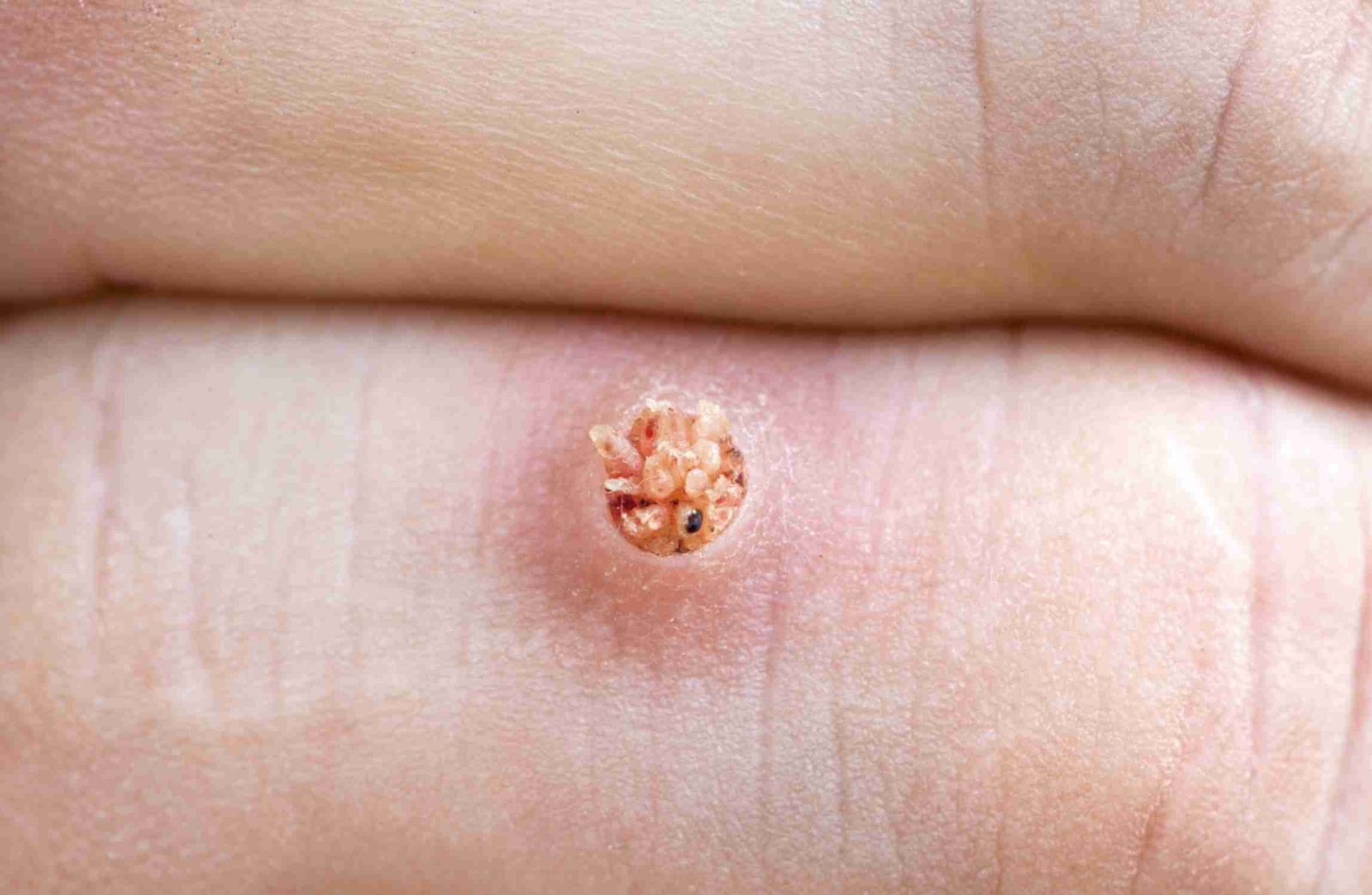
Plantar warts develop on the soles of the feet. Unlike other warts, they often grow inward because of pressure from standing and walking.
Symptoms
- Thickened skin resembling a callus
- Pain or tenderness while walking
- Small black dots within the wart
- A rough lesion on the bottom of the foot
Causes
The virus often enters through tiny cracks in the skin of the feet, especially in warm, moist environments such as swimming pools and locker rooms.
Treatment Options
- Salicylic acid preparations
- Cryotherapy
- Prescription treatments
- Minor surgical procedures for resistant cases
3. Flat Warts
Flat warts are smaller and smoother than most other types of warts. They are especially common among children and teenagers.
Symptoms
- Small, flat-topped bumps
- Smooth surface
- Often appear in clusters
- Usually found on the face, neck, arms, or legs
Causes
Flat warts are caused by specific HPV strains and can spread easily through shaving or scratching.
Treatment Options
- Topical prescription creams
- Chemical peels
- Cryotherapy
- Laser treatment when necessary
4. Filiform Warts
Filiform warts have a distinctive appearance and tend to grow quickly.
Symptoms
- Long, narrow, finger-like projections
- Flesh-colored growths
- Commonly appear around the eyes, nose, mouth, and neck
- Usually painless but may become irritated
Causes
These warts develop when HPV infects delicate skin around facial areas.
Treatment Options
- Professional removal by a dermatologist
- Cryotherapy
- Electrosurgery
- Laser removal
Because of their location, filiform warts should not be treated aggressively at home.
5. Periungual Warts
Periungual warts develop around or underneath fingernails and toenails.
Symptoms
- Rough, irregular growths around the nail
- Cracked or thickened skin
- Pain or discomfort
- Nail distortion in severe cases
Causes
Nail biting, cuticle picking, and frequent trauma around the nails can increase the risk of infection.
Treatment Options
- Cryotherapy
- Prescription medications
- Laser treatment
- Surgical removal in difficult cases
6. Genital Warts
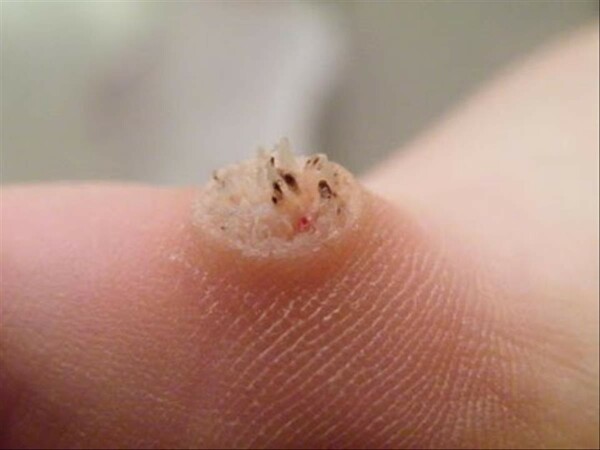
Genital warts are a sexually transmitted form of HPV infection and require medical evaluation.
Symptoms
- Small flesh-colored bumps in the genital or anal area
- Single growths or clusters resembling cauliflower
- Itching or discomfort in some cases
- Sometimes no symptoms at all
Causes
Genital warts are spread primarily through sexual contact with an infected person.
Treatment Options
- Prescription topical medications
- Cryotherapy
- Laser treatment
- Surgical removal when necessary
Medical evaluation is important because some HPV strains are associated with a higher risk of certain cancers.
Home Care Tips
Some warts may disappear on their own over time as the immune system fights the virus. However, treatment may speed recovery and reduce the risk of spreading the infection.
Helpful measures include:
- Avoid picking or scratching warts.
- Keep affected areas clean and dry.
- Do not share towels, razors, or nail clippers.
- Wear sandals in public showers and pool areas.
- Follow treatment instructions carefully.
When Should You See a Doctor?
Consult a healthcare professional if:
- The wart becomes painful or bleeds.
- It changes in appearance rapidly.
- It spreads to multiple areas.
- Home treatments fail.
- The wart is located on the face or genital area.
- You have diabetes or a weakened immune system.
The Bottom Line
Warts are common skin growths caused by HPV, but not all warts look or behave the same way. Common warts, plantar warts, flat warts, filiform warts, periungual warts, and genital warts each have unique characteristics and treatment approaches.
Understanding the differences can help you recognize symptoms early, prevent the spread of infection, and choose the most effective management option. If you're unsure whether a skin growth is a wart or if it continues to worsen, seeking medical advice is always the safest choice.