Feeling unusually thirsty lately? Running to the bathroom more often than usual? Maybe you're constantly tired even after a full night's sleep—or you've noticed that small cuts seem to take forever to heal.
Individually, these symptoms can have many explanations. But when several occur together and persist, they may point to a problem with blood sugar regulation, including diabetes.
Diabetes is a chronic condition that affects how the body uses glucose, one of its primary sources of energy. According to major health organizations, type 2 diabetes can develop gradually, and some people may live with elevated blood sugar for years before realizing something is wrong.
That's one reason understanding the potential warning signs matters.
However, symptoms alone cannot diagnose diabetes. Some people with diabetes experience noticeable symptoms, while others have almost none. Blood testing is required to determine whether your glucose levels are actually abnormal.
Here are 9 possible signs worth knowing.
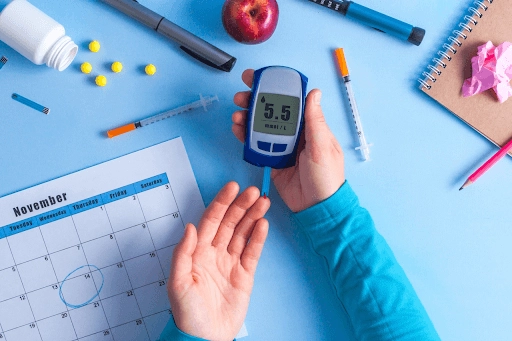
What Happens to Your Body When You Have Diabetes?
When you eat carbohydrates, your digestive system breaks many of them down into glucose.
Glucose enters your bloodstream and can then be used by cells for energy.
A hormone called insulin, produced by the pancreas, plays a central role in this process. Insulin helps glucose move from the bloodstream into cells.
In diabetes, this system doesn't work normally.
With type 1 diabetes, the immune system destroys the pancreatic beta cells responsible for producing insulin, resulting in severe insulin deficiency.
With type 2 diabetes, the body's cells become resistant to insulin, and over time the pancreas may not produce enough insulin to compensate.
The result can be chronically elevated blood glucose.
And that's where many symptoms begin.
1. You're Thirsty All the Time
Persistent excessive thirst is called polydipsia, and it is a classic possible symptom of diabetes.
Everyone gets thirsty.
You may need more water after:
-
Exercising
-
Spending time in hot weather
-
Eating salty foods
-
Sweating heavily
-
Not drinking enough during the day
But diabetes-related thirst may feel different.
You may drink repeatedly and still feel unusually thirsty.
Why Does This Happen?
When blood glucose becomes sufficiently elevated, the kidneys try to remove excess glucose through the urine.
Glucose in the urine pulls additional water with it.
As more fluid leaves the body, you can become dehydrated—and your brain responds by increasing thirst.
This can create a cycle:
High blood sugar → increased urination → fluid loss → increased thirst
If you're constantly thirsty despite drinking adequate fluids, particularly when accompanied by frequent urination, consider getting your blood glucose checked.
2. You're Urinating More Frequently
Frequent urination, medically called polyuria, is another classic diabetes symptom.
You may notice yourself:
-
Visiting the bathroom more frequently
-
Producing larger amounts of urine
-
Waking multiple times at night to urinate
-
Feeling unable to go as long between bathroom visits
Again, the kidneys are central to the explanation.
Normally, glucose is filtered through the kidneys and largely reabsorbed.
But when blood glucose rises sufficiently, glucose begins spilling into the urine.
Water follows it.
The result can be increased urine production.
Why Nighttime Urination Matters
Waking once during the night to urinate doesn't automatically mean diabetes.
You may simply have consumed a large drink before bed.
Other causes of nighttime urination include:
-
Diuretic medications
-
Alcohol
-
Caffeine
-
Bladder conditions
-
Prostate enlargement
-
Sleep apnea
-
Certain cardiovascular or kidney problems
But if you suddenly begin waking several times every night and you're also unusually thirsty, diabetes becomes one possibility worth investigating.
3. You're Constantly Tired
Fatigue is incredibly common.
Stress, insufficient sleep, anemia, thyroid disorders, depression, infections, nutritional deficiencies, and many other problems can make you exhausted.
Diabetes is another possibility.
When glucose regulation isn't working properly, your body's ability to efficiently use its primary fuel source may be affected.
Dehydration caused by increased urination can make fatigue worse.
Poor sleep can contribute too—especially if you're repeatedly waking to drink water or use the bathroom.
You may experience:
-
Low energy
-
Physical weakness
-
Difficulty concentrating
-
Reduced exercise tolerance
-
Feeling exhausted despite sleeping
Fatigue Alone Doesn't Diagnose Diabetes
This is important.
Being tired doesn't automatically mean your blood sugar is high.
But fatigue becomes more meaningful when it occurs alongside symptoms such as:
Excessive thirst + frequent urination + unexplained weight changes.
4. You're Losing Weight Without Trying
For many people, losing weight requires deliberate changes to diet and physical activity.
So unexplained weight loss deserves attention.
This symptom can be particularly noticeable in type 1 diabetes, although it can occur in other circumstances.
When the body cannot adequately use glucose, it may increasingly break down stored fat and muscle for energy.
At the same time, calories can be lost through glucose in the urine.
The result can be weight loss despite normal—or sometimes increased—food intake.
Never Ignore Significant Unexplained Weight Loss
Diabetes is only one possible explanation.
Unintentional weight loss can also occur with:
-
Thyroid disease
-
Gastrointestinal disorders
-
Chronic infections
-
Certain cancers
-
Other medical conditions
If you're losing significant weight without changing your diet or activity level, seek medical evaluation.
5. You're Hungrier Than Usual
Another possible symptom is excessive hunger, known medically as polyphagia.
You may eat a normal meal but feel hungry again unusually quickly.
Why?
Even though plenty of glucose may be circulating in the bloodstream, insulin deficiency or insulin resistance can interfere with normal glucose utilization.
The body's energy-regulation systems are complex, but abnormal glucose metabolism can contribute to increased hunger in some people.
This creates an unusual combination:
Eating more while sometimes losing weight.
That pattern is particularly concerning when accompanied by excessive thirst and urination.
6. Your Vision Becomes Blurry
Suddenly finding text harder to read doesn't necessarily mean you need new glasses.
Changes in blood glucose can temporarily affect vision.
Elevated glucose levels can alter fluid balance within tissues of the eye, potentially affecting focusing ability.
This may result in blurred or fluctuating vision.
Some people notice that their vision seems clearer on certain days and blurrier on others.
Long-Term Diabetes Can Affect the Eyes Too
Persistent diabetes can damage small blood vessels in the retina, resulting in diabetic retinopathy.
Over time, diabetes can also increase the risk of other eye problems.
That's why regular eye examinations are particularly important for people diagnosed with diabetes.
Don't Ignore Sudden Vision Loss
Sudden significant loss of vision, new flashes or a curtain-like shadow over vision requires urgent medical attention.
Don't assume a dramatic vision change is simply “high sugar.”
7. Cuts and Wounds Seem to Heal Slowly
Have you noticed that a small cut seems to stick around much longer than expected?
Poorly controlled diabetes can interfere with wound healing.
Chronically elevated blood glucose can affect:
-
Blood vessels
-
Circulation
-
Immune function
-
Nerves
Together, these changes can make tissue repair more difficult and increase susceptibility to infection.
The feet are particularly important.
People with long-standing diabetes may develop both poor circulation and reduced sensation in the feet.
A tiny blister or cut can therefore become more serious if it goes unnoticed.
Why Foot Care Is So Important
If you have diabetes, inspect your feet regularly for:
-
Cuts
-
Blisters
-
Redness
-
Swelling
-
Cracks
-
Areas of unusual warmth
-
Skin discoloration
Don't ignore wounds that aren't healing normally.
Early treatment can prevent complications.
8. You Experience Tingling or Numbness
Persistently elevated blood glucose can damage nerves over time.
This complication is known as diabetic neuropathy.
Symptoms often begin in the feet and legs and may eventually affect the hands.
People may describe:
-
Tingling
-
Burning
-
Pins and needles
-
Numbness
-
Shooting pain
-
Increased sensitivity
-
Reduced ability to feel temperature or pain
This typically develops after prolonged exposure to elevated blood glucose rather than appearing immediately when diabetes begins.
Why Numbness Can Be Dangerous
Pain is a protective signal.
If sensation in your feet becomes reduced, you might not notice:
-
A blister
-
A cut
-
A sharp object inside your shoe
-
A burn
-
An infected wound
That's one reason diabetic foot complications require careful prevention.
9. You're Getting Frequent Infections
High blood glucose can create conditions that make certain infections more likely.
People with poorly controlled diabetes may experience recurrent:
-
Skin infections
-
Urinary tract infections
-
Yeast infections
-
Gum problems
High glucose levels can interfere with aspects of immune function, while glucose-rich environments can favor the growth of certain microorganisms.
Repeated infections don't automatically mean diabetes.
But when they occur alongside thirst, frequent urination, fatigue, or unexplained weight changes, checking blood glucose may be sensible.
Other Possible Signs of Diabetes
The nine symptoms above are among the better-known signs, but diabetes can affect the body in other ways.
Some people may experience:
-
Dry mouth
-
Itchy or dry skin
-
Headaches
-
Irritability
-
Difficulty concentrating
-
Sexual dysfunction
-
Gum problems
Another possible physical clue is acanthosis nigricans.
What Is Acanthosis Nigricans?
Acanthosis nigricans causes areas of skin to become darker, thicker, and sometimes velvety.
It commonly appears around:
-
The back of the neck
-
Armpits
-
Groin
-
Other skin folds
Acanthosis nigricans can be associated with insulin resistance, although it has other possible causes.
Someone with this skin change may have prediabetes or an increased risk of developing type 2 diabetes.
It doesn't mean diabetes is definitely present.
A healthcare professional can help determine whether blood glucose testing is appropriate.
Can You Have Diabetes Without Any Symptoms?
Absolutely.
This is one of the most important facts about type 2 diabetes.
Blood glucose can gradually rise without producing dramatic symptoms.
A person may feel completely normal while abnormal glucose levels are discovered during routine blood testing.
This is why relying entirely on symptoms can miss diabetes.
People with significant risk factors may need screening even if they feel perfectly healthy.
Type 1 and Type 2 Diabetes Can Look Different
Although both conditions involve abnormal blood glucose, their onset can differ considerably.
Type 1 Diabetes
Symptoms may develop relatively quickly—sometimes over days or weeks.
Possible signs include:
-
Extreme thirst
-
Frequent urination
-
Weight loss
-
Increased hunger
-
Fatigue
Type 1 diabetes can occur at any age, although it often begins in children, teenagers, or younger adults.
People with type 1 diabetes require insulin.
Type 2 Diabetes
Type 2 diabetes usually develops more gradually.
Some people may have insulin resistance and elevated glucose for years before diagnosis.
Symptoms may be mild enough to overlook.
Type 2 diabetes is influenced by a complex combination of:
-
Genetics
-
Age
-
Body composition
-
Physical activity
-
Diet
-
Metabolic health
-
Other factors
It is not simply a consequence of “eating too much sugar.”

What Is Prediabetes?
Prediabetes means blood glucose is higher than normal but hasn't reached the diagnostic threshold for diabetes.
It is an important warning stage because it indicates increased risk of developing type 2 diabetes.
Prediabetes also frequently causes no obvious symptoms.
Many people discover it only after a blood test.
The good news is that lifestyle changes can significantly reduce the risk of progression to type 2 diabetes for many people.
Who Is More Likely to Develop Type 2 Diabetes?
Risk factors can include:
-
Family history of type 2 diabetes
-
Increasing age
-
Overweight or obesity
-
Physical inactivity
-
Prediabetes
-
History of gestational diabetes
-
Polycystic ovary syndrome (PCOS)
-
High blood pressure
-
Abnormal cholesterol or triglyceride levels
-
Certain ethnic or population backgrounds
Having one or more risk factors doesn't guarantee that you'll develop diabetes.
It simply means screening may become more important.
Does Eating Sugar Cause Diabetes?
This question deserves nuance.
Eating sugar doesn't directly and automatically cause diabetes.
Type 1 diabetes is an autoimmune disease.
Type 2 diabetes develops through complex interactions between genetic susceptibility, insulin resistance, pancreatic function, body composition, lifestyle, and other factors.
However, regularly consuming excessive calories and large quantities of sugar-sweetened beverages can contribute to weight gain and metabolic problems, which may increase type 2 diabetes risk.
So the relationship is more complicated than:
“Sugar = diabetes.”
How Is Diabetes Diagnosed?
You cannot reliably diagnose diabetes by looking at symptoms.
Healthcare professionals use blood tests.
Common tests include:
A1C Test
A1C provides an estimate of average blood glucose exposure over approximately the previous two to three months.
Generally:
-
Below 5.7%: normal range
-
5.7%–6.4%: prediabetes range
-
6.5% or higher: diabetes range
Diagnosis usually requires appropriate confirmation unless there are unequivocal symptoms and clearly abnormal glucose levels.
Fasting Plasma Glucose
This test measures blood glucose after fasting.
Common diagnostic thresholds are:
-
Below 100 mg/dL: normal
-
100–125 mg/dL: prediabetes
-
126 mg/dL or higher: diabetes range
Again, results should be interpreted by a healthcare professional.
Oral Glucose Tolerance Test
Another option measures how the body handles glucose after consuming a standardized glucose drink.
This test is particularly relevant in certain clinical situations, including pregnancy.
Random Blood Glucose
A random glucose test can sometimes help diagnose diabetes when classic symptoms are present and glucose is markedly elevated.
Testing is far more reliable than trying to determine whether you have diabetes from thirst or fatigue alone.
Why Early Diagnosis Matters
Untreated high blood glucose can gradually damage blood vessels and nerves.
Over time, diabetes may affect the:
-
Heart
-
Brain
-
Kidneys
-
Eyes
-
Nerves
-
Feet
This doesn't mean everyone with diabetes will develop these complications.
Modern diabetes management can substantially reduce risk.
The earlier the condition is recognized and appropriately managed, the more opportunities there are to protect long-term health.
Diabetes and Heart Health
Diabetes is an important cardiovascular risk factor.
People with diabetes may also have other risk factors such as:
-
High blood pressure
-
Elevated LDL cholesterol
-
High triglycerides
-
Obesity
-
Smoking
Diabetes care therefore involves much more than controlling glucose.
Doctors may also focus on:
-
Blood pressure
-
Cholesterol
-
Kidney function
-
Smoking cessation
-
Physical activity
-
Nutrition
The goal is overall cardiovascular and metabolic protection.
Diabetes and Kidney Health
The kidneys contain tiny blood vessels that filter waste from the bloodstream.
Over time, persistently elevated glucose can damage these filtering structures.
Diabetes is a major cause of chronic kidney disease.
Early kidney damage may cause no noticeable symptoms, which is why people with diabetes are often screened using blood and urine tests.
Waiting until kidney disease causes obvious symptoms can mean missing an important window for intervention.
Diabetes and Eye Health
Diabetes can damage retinal blood vessels.
Early diabetic retinopathy may not cause noticeable symptoms.
As the disease progresses, vision can become affected.
Regular dilated eye examinations can identify changes before a person notices significant vision loss.
If you have diabetes, follow your healthcare professional's recommended eye-exam schedule.
Can Type 2 Diabetes Be Prevented?
Not every case is preventable.
Genetics and other nonmodifiable factors matter.
However, for many people at high risk, lifestyle changes can significantly reduce the likelihood of developing type 2 diabetes.
Important strategies include:
-
Regular physical activity
-
Maintaining an appropriate body weight
-
Eating a nutrient-rich diet
-
Avoiding smoking
-
Getting adequate sleep
-
Managing blood pressure and cholesterol
Small sustainable changes are generally more useful than extreme short-term diets.
What Should You Eat?
There isn't one universal “diabetes diet.”
A balanced pattern may emphasize:
Non-Starchy Vegetables
Examples include:
-
Broccoli
-
Spinach
-
Peppers
-
Tomatoes
-
Green beans
Protein Sources
Such as:
-
Fish
-
Eggs
-
Poultry
-
Tofu
-
Beans
-
Lentils
Fiber-Rich Carbohydrates
Including:
-
Whole grains
-
Beans
-
Lentils
-
Whole fruits
Healthy Fats
From foods such as:
-
Nuts
-
Seeds
-
Avocado
-
Olive oil
Portion size and total dietary pattern matter.
Whole Fruit Isn't the Same as Sugary Drinks
People diagnosed with diabetes sometimes become afraid of all fruit because it contains natural sugar.
But whole fruit also provides:
-
Fiber
-
Vitamins
-
Minerals
-
Phytochemicals
Fruit juice is different because it can deliver a larger carbohydrate load quickly with much less fiber.
For many people, whole fruit is preferable to fruit juice.
Individual glucose responses and dietary needs vary, so personalized nutrition advice may be useful.
Exercise Can Improve Insulin Sensitivity
Physical activity helps muscles use glucose and can improve insulin sensitivity.
Adults generally benefit from a combination of:
-
Aerobic activity
-
Resistance training
-
Less prolonged sitting
Even walking after meals can be useful for some people.
You don't necessarily need intense workouts.
Consistency matters.
If you have diabetes complications or significant cardiovascular disease, discuss major changes in exercise with your healthcare team.
Sleep Matters More Than Many People Realize
Poor sleep can influence:
-
Appetite
-
Hormones
-
Insulin sensitivity
-
Food choices
-
Physical activity
Sleep disorders such as obstructive sleep apnea are also common among people with type 2 diabetes.
A healthy lifestyle therefore isn't only about food and exercise.
Sleep deserves attention too.
Don't Fall for “Diabetes Cure” Drinks
Social media is full of recipes claiming that combinations such as cinnamon, lemon, ginger, okra water, or herbal teas can “reverse diabetes overnight.”
Be cautious.
Some foods and plant compounds have been studied for metabolic effects, but no homemade drink should replace proven diabetes treatment.
Stopping medication or insulin in favor of an online remedy can be dangerous.
Nutrition can support diabetes management.
It isn't a substitute for necessary medical care.
When High Blood Sugar Becomes an Emergency
Extremely high blood glucose can lead to serious complications.
One particularly dangerous condition is diabetic ketoacidosis (DKA), which occurs most commonly in people with type 1 diabetes but can occur in other situations.
Possible warning signs include:
-
Extreme thirst
-
Frequent urination
-
Nausea
-
Vomiting
-
Abdominal pain
-
Deep or rapid breathing
-
Fruity-smelling breath
-
Severe fatigue
-
Confusion
DKA is a medical emergency.
Seek urgent medical attention if these symptoms occur, especially in someone with diabetes or suspected new-onset type 1 diabetes.
9 Signs to Remember
The possible warning signs discussed in this article are:
1. Persistent excessive thirst
2. Frequent urination
3. Ongoing fatigue
4. Unexplained weight loss
5. Increased hunger
6. Blurred or fluctuating vision
7. Slow-healing cuts and wounds
8. Tingling, burning, or numbness in the hands or feet
9. Frequent infections
One symptom alone usually isn't enough to indicate diabetes.
But several appearing together deserve attention.
When Should You Get Tested?
Consider talking to a healthcare professional about diabetes testing if you experience persistent:
Thirst + frequent urination
or:
Thirst + frequent urination + unexplained weight loss
You should also consider appropriate screening if you have significant risk factors even without symptoms.
Don't wait until all nine warning signs appear.
In fact, many people with type 2 diabetes will never experience all nine.
The Bottom Line
Diabetes doesn't always announce itself dramatically.
For some people, the first clues are subtle:
You're thirstier than usual.
You're waking at night to urinate.
You're constantly tired.
Your vision occasionally becomes blurry.
A small wound isn't healing as quickly as expected.
Individually, these problems have many possible causes.
Together, however, they can form a pattern worth investigating.
The only way to know whether diabetes is responsible is through appropriate medical testing.
![Giải đáp] Bệnh tiểu đường có chữa khỏi được không](https://storage4.pca-tech.online/Sites_5/Post/HT%C4%90/Tieu-duong-Lieu-nguoi-benh-co-the-chua-khoi-duoc-hoan-toan-.jpg)
Final Thoughts
Perhaps the most important thing to understand about diabetes is that you don't need to feel sick to have it.
Type 2 diabetes can develop gradually, and elevated blood glucose may remain unnoticed for a considerable period.
That's why symptoms such as constant thirst, frequent urination, unexplained fatigue, unexpected weight loss, blurred vision, recurrent infections, and slow-healing wounds shouldn't simply be ignored when they persist.
At the same time, don't panic because you recognize one item on this list.
Being tired doesn't automatically mean diabetes.
Getting thirsty doesn't automatically mean diabetes.
Having blurry vision doesn't automatically mean diabetes.
The pattern, persistence, risk factors, and blood test results are what matter.
If several warning signs sound familiar—or you have significant risk factors—consider discussing an A1C or blood glucose test with a healthcare professional.
A simple test can provide an answer that symptoms alone cannot.