Doctors Warn: Hidden Food Storage Habits That May Harm Your Liver
Improper food storage may quietly increase risks to your health.
⏱️ 1 min read 08/08/2026 12:30
Cooking transforms raw ingredients into delicious, safe, and satisfying meals. However, how we cook food can also influence the formation of certain chemical compounds. Some of these compounds have been studied because, at sufficiently high levels or with repeated exposure, they may contribute to health risks.
This doesn't mean you need to be afraid of grilled vegetables, roasted potatoes, or an occasional barbecue. The goal is not to eliminate these foods, but to understand how cooking methods can affect them and make a few practical adjustments.
Some compounds of concern include acrylamide, which can form in certain carbohydrate-rich foods cooked at high temperatures, and heterocyclic amines (HCAs) and polycyclic aromatic hydrocarbons (PAHs), which can form when meat is cooked at high temperatures or exposed to smoke.
Here are eight common cooking mistakes that may increase exposure to these potentially harmful compounds and simple ways to reduce them.
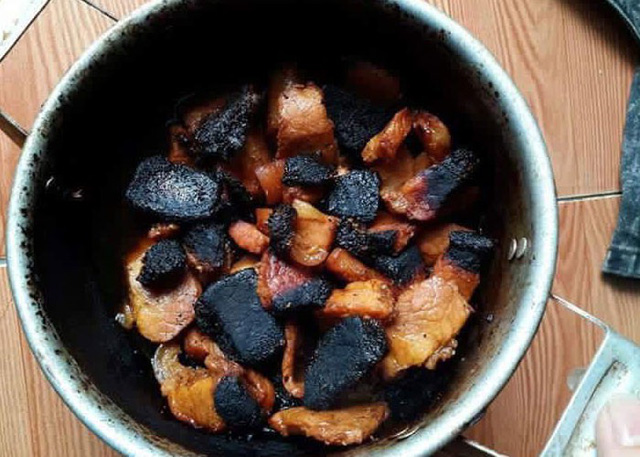
One of the simplest rules to remember is:
When food becomes severely burned or charred, chemical reactions become more intense and can produce potentially harmful compounds.
This can happen with:
Burned meat
Blackened toast
Over-roasted vegetables
Heavily charred potatoes
Burned pizza crust
You don't need to throw away every slightly browned piece of food.
The concern is primarily with frequent consumption of heavily charred or burned foods.
Cook food until it is properly done and pleasantly browned, but avoid allowing it to become extensively blackened.
If a portion of food is visibly burned, trimming away the charred section is a simple precaution.
High temperatures are useful when searing meat or quickly stir-frying vegetables.
However, extremely high temperatures can encourage the formation of certain compounds, particularly when cooking meat.
The surface of food can become much hotter than the temperature of boiling water, especially when using:
Grills
Broilers
Open flames
Very hot frying pans
The longer food remains at extremely high temperatures, the more opportunity there may be for undesirable compounds to form.
Use the lowest temperature that still allows you to cook the food properly.
For many meals, moderate heat provides excellent results while reducing excessive browning and burning.
Potatoes, bread, crackers, and some other carbohydrate-rich foods can form acrylamide when they are cooked at high temperatures, particularly through frying, baking, roasting, or toasting.
Acrylamide formation is associated with the reaction between certain sugars and the amino acid asparagine at high temperatures.
This process is known as the Maillard reaction, which also creates the appealing brown color and roasted flavors people enjoy.
The issue isn't that browned food is automatically dangerous.
The concern is that very dark or heavily browned starchy foods can contain substantially more acrylamide than lightly browned versions.
Aim for:
Golden yellow rather than dark brown or burnt.
For example, when making toast or roasted potatoes, stop cooking once they reach a light golden color instead of waiting until they become very dark.
Reusing cooking oil several times—especially at high temperatures—can cause the oil to undergo oxidation and degradation.
Repeated heating may produce various breakdown products.
The amount and type depend on:
The type of oil
Cooking temperature
Cooking duration
Exposure to oxygen
Food particles left in the oil
This is particularly relevant in deep-frying.
Avoid repeatedly reheating the same oil.
If you do deep-fry occasionally:
Don't let the oil smoke.
Keep the temperature controlled.
Remove food particles between batches.
Discard oil that has become very dark, thick, foamy, or develops an unpleasant smell.
For everyday cooking, methods such as baking, steaming, roasting, and sautéing often require much less oil.
Grilling meat can produce flavorful results, but there is an important chemical process to understand.
When fat drips onto a hot flame, it can create smoke.
That smoke contains PAHs, which can then settle back onto the surface of the food.
High-temperature cooking of meat can also produce HCAs, particularly when meat is cooked directly over intense heat.
This doesn't mean grilled meat must be avoided completely.
You can reduce exposure by:
Avoiding excessive flames.
Moving meat away from direct flames when possible.
Turning meat frequently.
Removing heavily charred portions.
Using a grill pan or indirect-heat cooking method.
Preventing excessive fat from dripping directly onto the fire.
These small adjustments can make grilling a healthier cooking method without eliminating it from your diet.
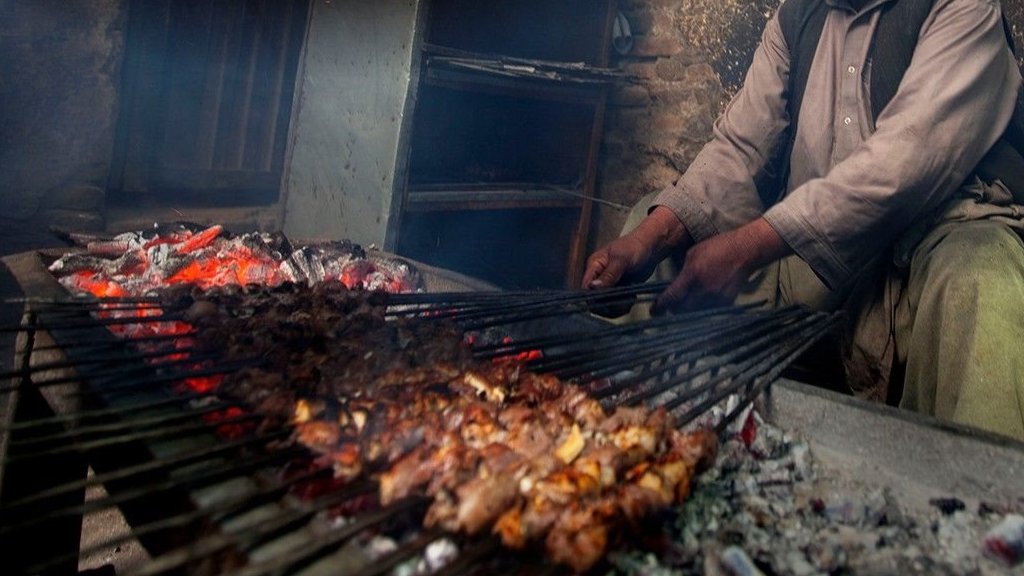
Meat cooked at very high temperatures for long periods can develop greater amounts of HCAs.
This is especially relevant for:
Beef
Pork
Poultry
Fish
The longer the surface remains exposed to intense heat, the more opportunity there is for these compounds to form.
However, there's an important balance:
You should never undercook meat simply to avoid browning.
Foodborne infections can be much more immediate and dangerous.
Use a food thermometer to determine when meat has reached a safe internal temperature rather than relying entirely on surface color.
Then avoid unnecessarily burning or charring the exterior.
If your cooking oil is visibly smoking, the temperature is too high for that particular oil and cooking method.
Smoking indicates that the oil is undergoing thermal breakdown.
Different oils have different smoke points, and factors such as refining and repeated use can influence their behavior.
Heat oil gradually and avoid leaving an empty pan over high heat for extended periods.
If oil starts smoking heavily:
Remove the pan from the heat.
Allow it to cool safely.
Start again at a lower temperature with fresh oil if needed.
Never add water to a pan containing hot oil, as this can cause dangerous splattering and grease fires.
One of the easiest ways to reduce exposure to heat-generated compounds is simply to vary your cooking methods.
Instead of grilling, frying, or roasting everything, incorporate:
Steaming
Boiling
Poaching
Stewing
Slow cooking
Pressure cooking
Microwaving
These methods generally use lower temperatures than direct high-heat cooking and can reduce the formation of certain heat-related compounds.
For example, boiling potatoes before roasting them can shorten the amount of time they spend exposed to very high temperatures.
A carcinogen is a substance or exposure that can contribute to the development of cancer.
However, the presence of a potentially carcinogenic compound in food does not automatically mean that eating that food will cause cancer.
Risk depends on factors such as:
Dose
Frequency of exposure
Duration
Individual susceptibility
Overall diet and lifestyle
This distinction is extremely important.
Online health content sometimes turns a complicated scientific finding into a frightening headline.
The reality is usually much more nuanced.
Acrylamide has attracted considerable attention because it can form naturally when certain plant-based foods are cooked at high temperatures.
Foods that may contain acrylamide include:
French fries
Potato chips
Toast
Crackers
Cookies
Some roasted or baked products
Research has established that very high exposures can cause harm in laboratory animals, while the relationship between typical dietary exposure in humans and cancer risk is more complicated.
Rather than eliminating these foods completely, practical steps include:
Avoiding excessive browning.
Reducing heavily fried foods.
Eating a varied diet.
Choosing whole or minimally processed foods more often.
HCAs can form when amino acids, sugars, and creatine react at high temperatures during meat cooking.
PAHs can form when fat and juices drip onto hot surfaces, creating smoke that deposits compounds onto food.
Both groups of compounds have been studied because some members can damage DNA under certain experimental conditions.
The practical takeaway isn't that you can never eat grilled meat.
Instead:
That is a much more realistic approach.
Interestingly, some research suggests that certain marinades containing ingredients such as herbs, spices, garlic, or acidic components may reduce the formation of some HCAs during cooking.
However, the effectiveness depends on the specific marinade and cooking conditions.
A simple marinade might include:
Lemon juice
Garlic
Herbs
Olive oil
Black pepper
Besides adding flavor, marinades can make it easier to enjoy meat without relying solely on very high temperatures.
Vegetables are generally excellent foods to include in your diet.
Cooking vegetables does not suddenly make them unhealthy.
In fact, cooking can improve the absorption of certain nutrients in some foods.
For example, cooking tomatoes can increase the bioavailability of lycopene.
The key is to avoid consistently burning vegetables or cooking them until they are heavily charred.
Try:
Steaming
Light roasting
Stir-frying
Sautéing
Grilling briefly
Boiling
And include plenty of vegetables prepared in different ways.
If you want one easy principle to remember, use this:
Food should be:
Properly cooked
Lightly browned when appropriate
Not excessively charred
Not cooked in visibly smoking oil
Prepared using a variety of cooking methods
This approach provides a practical balance between food safety, flavor, and long-term health.
You don't need to completely change the way you cook.
Instead, try a few simple adjustments:
Blackened toast
Choose:
Lightly golden toast
Meat directly over intense flames
Choose:
Indirect grilling or moderate heat
Repeatedly reheated oil
Choose:
Fresh oil or lower-oil cooking methods
Deep-frying everything
Choose:
Steaming, baking, roasting, or sautéing
Cooking until heavily charred
Choose:
Cooking until properly done with moderate browning
These changes are easy to incorporate into everyday meals.
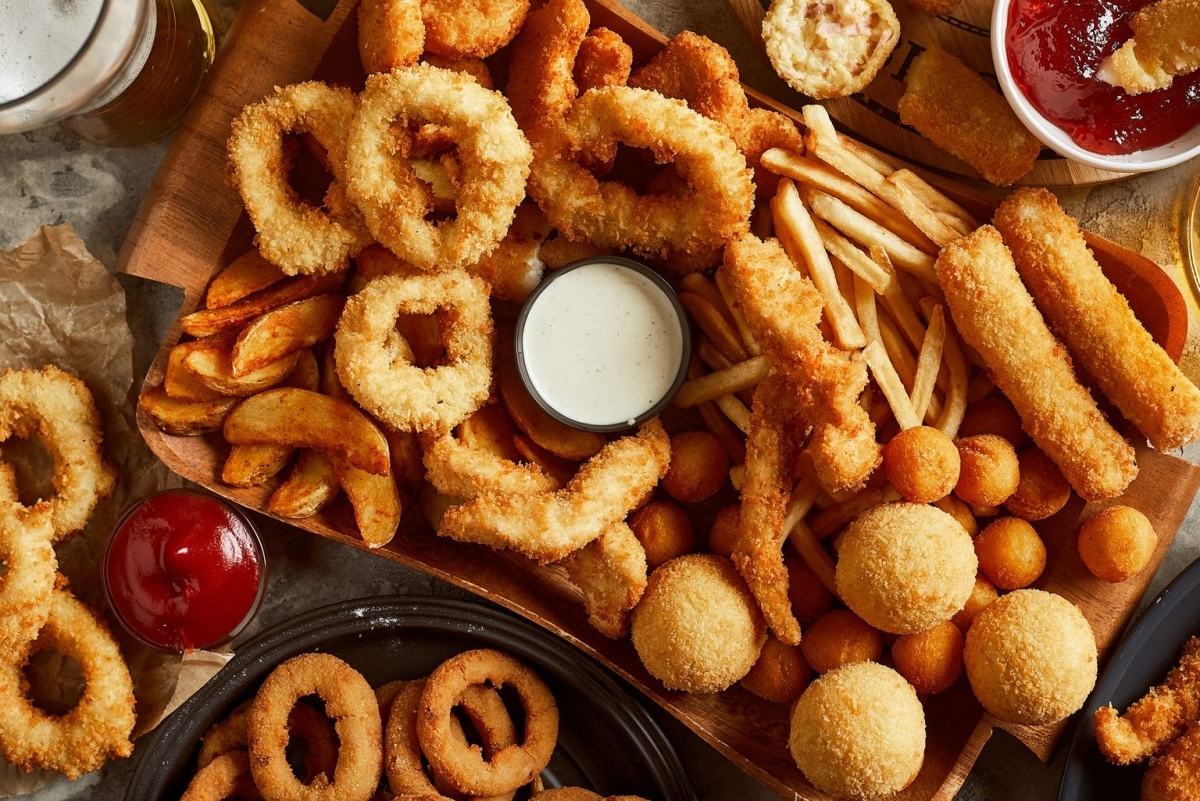
It's important not to become overly anxious about individual foods or cooking methods.
Cancer risk is influenced by many factors, including:
Tobacco use
Alcohol consumption
Body weight
Physical activity
Genetics
Environmental exposures
Age
Overall dietary pattern
Eating one piece of slightly over-toasted bread isn't going to determine your health.
What matters much more is your long-term pattern of eating and lifestyle habits.
A diet rich in vegetables, fruits, whole grains, beans, nuts, seeds, and other minimally processed foods is generally a better target than obsessing over one particular cooking mistake.
Cooking is an essential part of preparing nutritious and enjoyable meals, but certain high-temperature techniques can increase the formation of compounds that researchers continue to study for their potential health risks.
The biggest practical concerns include heavily charring food, cooking meat over intense flames, repeatedly heating cooking oil, and excessively browning starchy foods.
Fortunately, reducing exposure doesn't require giving up your favorite foods.
Use moderate cooking temperatures, avoid burning food, vary your cooking methods, limit heavily charred portions, use fresh oil when appropriate, and prioritize a diverse diet rich in whole and minimally processed foods.
The goal isn't perfection.
It's about making small, sustainable improvements that reduce unnecessary exposure while keeping food safe, nutritious, and enjoyable.
Improper food storage may quietly increase risks to your health.
A simple bedtime habit may lower heart attack risk significantly
niors should be cautious - this sleeping position may elevate str.oke risk
A Japanese woman shares 10 reasons why women in Japan live longer and stay fit
Stool color explained: what it may indicate about your health
The science of cloves: benefits, uses, and how they work
6 reasons you may feel pain on the right side of your body
Your Stool May Reveal More About Your Health Than You Think
What Looked Like an Ordinary Allergy Turned Out to Require Medical Attention

The Potential Benefits of Cloves Every Woman Should Know
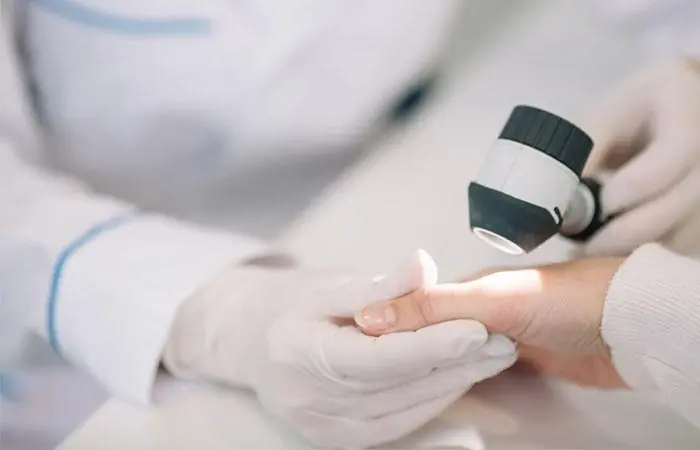
Why Experts Want You to Check Your Palms and Soles Today
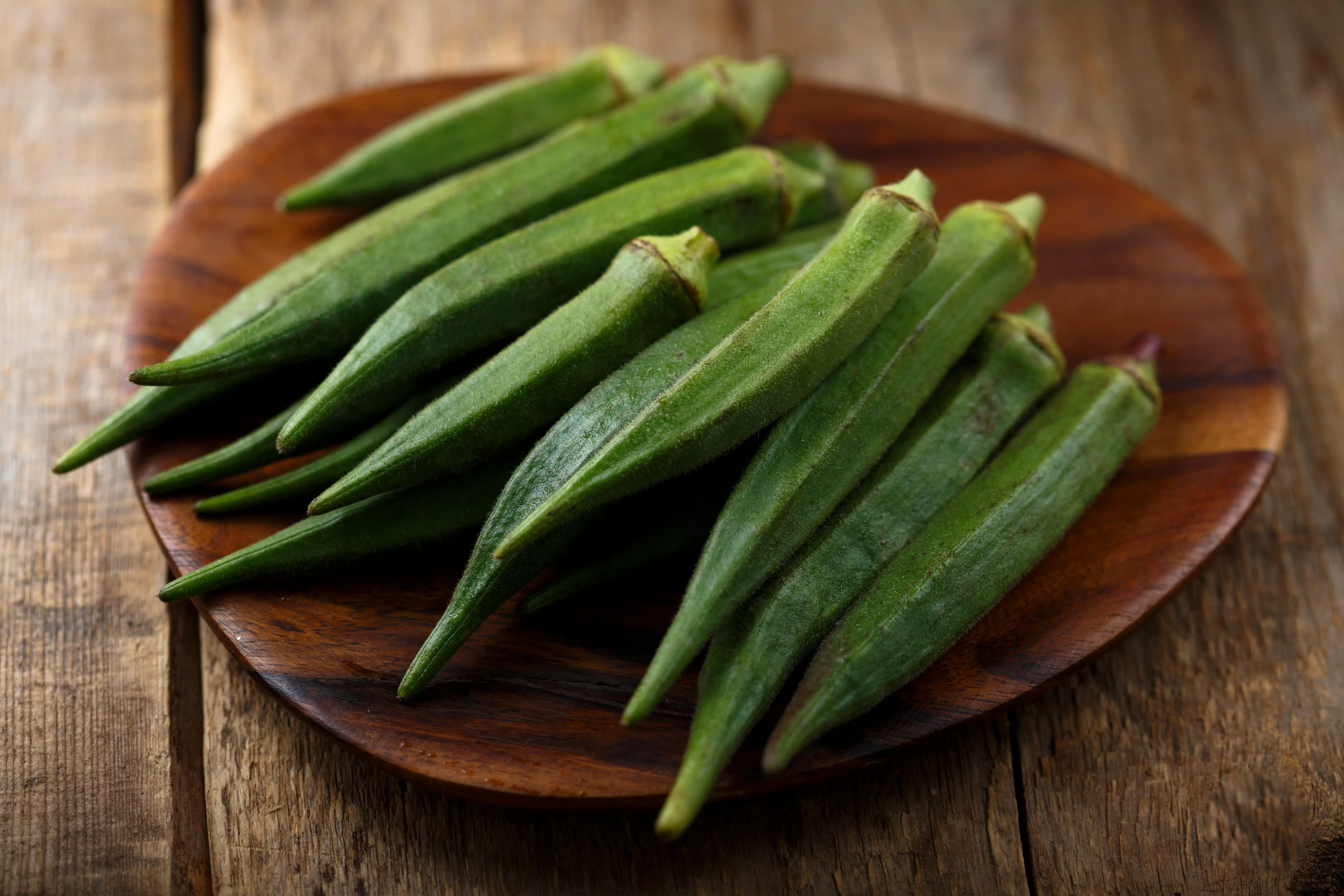
This nutrient-rich vegetable may support blood sugar and heart health.
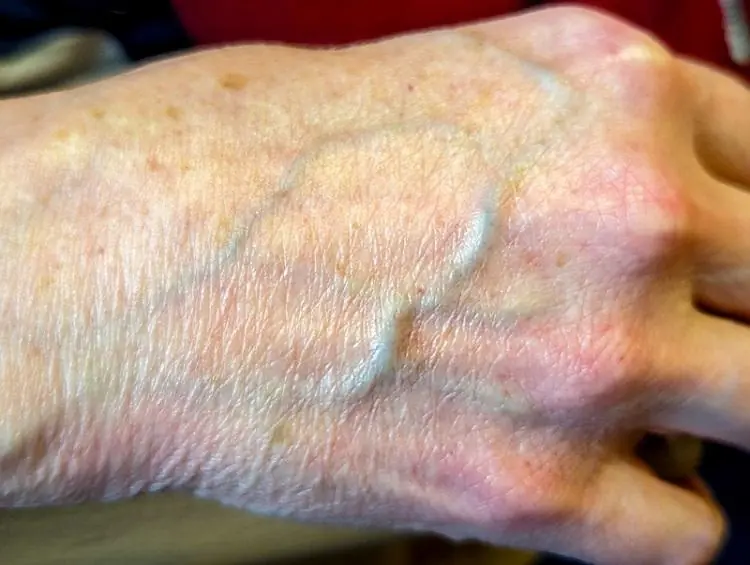
Your veins are suddenly visible? The reason may surprise you.
Hard-boiled eggs are nutritious, versatile, and full of surprising facts.
Cloves are more than a kitchen spice—they may offer surprising health benefits.
No single food prevents cancer, but healthy habits can lower your risk.
🥜 What Happens to Your Body When You Eat Too Many Peanuts? The Answer May Surprise You
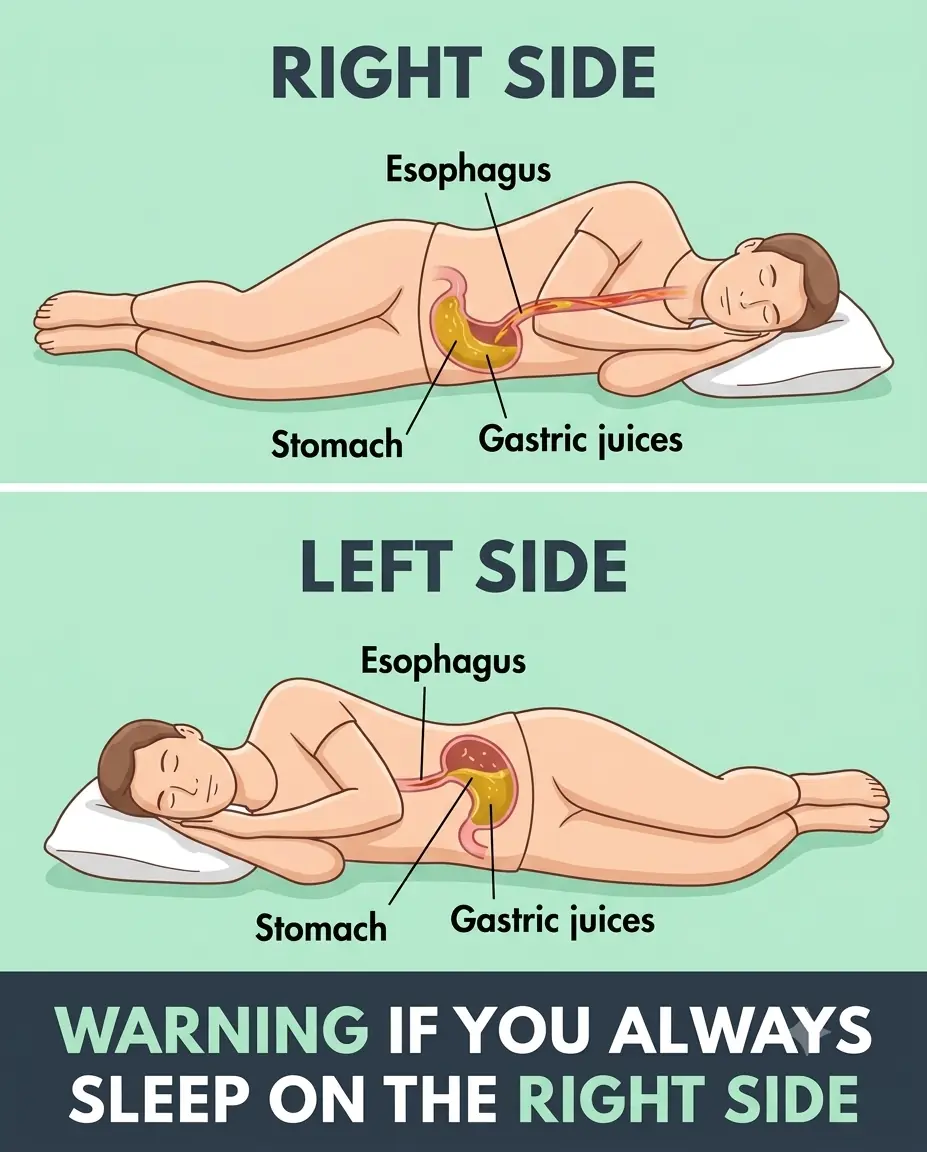
😳 You Always Sleep on Your Right Side? Doctors Say You Should Know This…
🌰 What Really Happens When You Eat Walnuts? The Answer May Surprise You… See More 👇
Improper food storage may quietly increase risks to your health.
Protect your garden from snakes the natural way with these 8 plants
A simple bedtime habit may lower heart attack risk significantly
niors should be cautious - this sleeping position may elevate str.oke risk
A Japanese woman shares 10 reasons why women in Japan live longer and stay fit
Stool color explained: what it may indicate about your health
The science of cloves: benefits, uses, and how they work
6 reasons you may feel pain on the right side of your body
This Simple Math Problem Is Surprisingly Easy to Get Wrong
Your Stool May Reveal More About Your Health Than You Think
The Chairman Recognized His Son by a Scar
Think You Can Get It Right on the First Try? Give It a Shot!
Purple Garlic vs. White Garlic: Key Differences Explained
THEY JUDGED THE WRONG MAN
What Looked Like an Ordinary Allergy Turned Out to Require Medical Attention
The Potential Benefits of Cloves Every Woman Should Know
The Day My Father Went Bankrupt
Why Experts Want You to Check Your Palms and Soles Today