Chapter 1: A Funeral Journey That Ended in Disaster
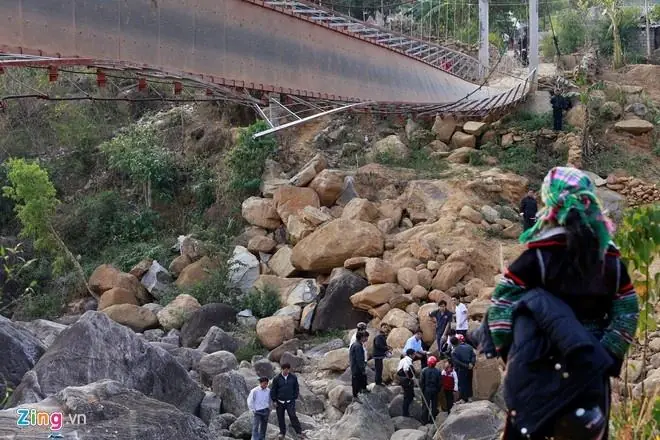
In the mountainous northern province of Lai Chau, Vietnam, a funeral procession was making its way toward a burial site on the morning of February 24, 2014. The mourners were traveling through the rural community of Son Binh, where narrow roads, hills, rocky streams, and suspension bridges form part of everyday life. What began as a solemn journey to honor someone who had died soon became another tragedy that the community would struggle to comprehend.
The procession needed to cross the Chu Va 6 suspension bridge, a pedestrian crossing connecting settlements in the area. Such bridges are especially important in mountainous communities, where rivers and deep valleys can make travel between villages difficult. For residents, a bridge is more than a piece of infrastructure. It is a link to neighbors, schools, markets, health services, and family gatherings.
That morning, the mourners were carrying a coffin across the bridge when the structure suddenly tilted and collapsed. Cables and supporting components failed, sending people and the coffin down into the rocky stream below. The fall was sudden, leaving little opportunity for those on the bridge to react.
News of the collapse spread quickly through the surrounding community. Residents and local authorities rushed to the scene to help the injured and find those who had fallen. The bridge, which had been open for only a little more than a year, was left severely damaged. Its twisted walkway and hanging support cables became a stark reminder of how vulnerable people can be when an essential structure fails without warning.
Initial reports confirmed that eight people had died and more than 30 were injured. The precise number of injured people varied across contemporary reports as information was collected and updated. Many victims required urgent medical attention, and the severity of their injuries placed considerable pressure on local health services.
The circumstances made the accident especially painful. A funeral is already a moment of grief, bringing relatives and neighbors together to accompany a loved one to their final resting place. Those attending the procession were there to mourn a death, not to face a sudden disaster of their own. Within moments, families found themselves confronting a second tragedy.
The bridge was reported to be approximately 54 metres long and about nine metres above the stream. It had opened to the public in December 2012. Its relatively recent construction made the collapse particularly alarming, raising immediate questions about the structure's design, construction quality, maintenance, and ability to carry the number of people crossing it.
As rescuers worked among the rocks below, the first priority was to reach the injured and transport them to medical facilities. Local residents played an important role in responding to the emergency, while authorities coordinated assistance and arranged further medical support for those who needed specialized treatment.
The disaster also drew attention from provincial and national officials. The loss of life on a bridge that had served the community for such a short time demanded more than an immediate rescue response. It required an investigation into how the structure had failed and whether the disaster could have been prevented.
Photographs of the collapsed bridge show the walkway bent sharply downward, with its metal surface and supporting framework lying among large rocks. In another view, residents gather near the damaged crossing, looking toward the remaining structure. The images convey the physical damage, but they cannot show the full impact on the families who lost relatives or on the injured people facing uncertain recoveries.
For the community, the morning changed from a shared act of mourning into an emergency that demanded immediate action. People who had come together to pay their respects instead found themselves helping the wounded, searching for relatives, and trying to understand what had happened.
The collapse of the Chu Va 6 bridge was not simply an isolated accident in a remote area. It exposed the consequences that can follow when a structure relied upon by ordinary people fails during an ordinary journey. It also raised a difficult question: how could a relatively new bridge collapse beneath a procession of mourners?
Finding the answer would require a careful investigation into the bridge's construction and the components that had held it together. The rescue operation addressed the immediate human crisis, but the work of understanding the failure was only beginning.
Chapter 2: The Desperate Race to Help the Injured
In the minutes after the Chu Va 6 bridge collapsed, the priority was clear: reach the people who had fallen and get medical help to those who were injured. The rocky stream below the bridge made the rescue difficult. Victims had fallen onto uneven ground, and the damaged structure left a dangerous scene for anyone trying to reach them.