A fungal skin infection can start with something that looks surprisingly ordinary: a small patch of redness, a little itching, or a dry area of skin that doesn't seem to go away.
Because many skin conditions can look alike, fungal infections are sometimes mistaken for eczema, allergies, irritation, or even ordinary dry skin.
The good news is that most superficial fungal skin infections are treatable, especially when recognized early. The key is knowing what symptoms to look for and understanding when self-care is appropriate—and when it's better to see a healthcare professional.
Here's what you should know.
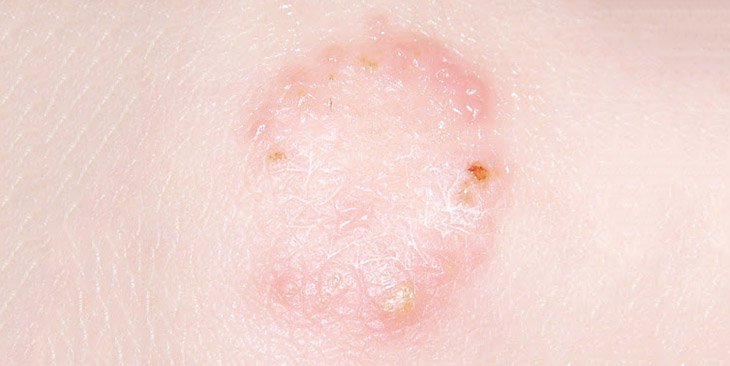
What Is a Fungal Skin Infection?
Fungal skin infections occur when certain fungi grow excessively on or within the outer layers of the skin.
Common examples include:
-
Ringworm (tinea corporis)
-
Athlete's foot (tinea pedis)
-
Jock itch (tinea cruris)
-
Fungal infections of the scalp
-
Yeast infections affecting skin folds
-
Tinea versicolor
Despite the name, ringworm isn't caused by a worm. It is a fungal infection that can produce a ring-shaped rash in some people.
Different fungal infections can look very different depending on where they occur.
1. Persistent Itching
One of the most common symptoms is itching.
The affected area may feel:
-
Itchy
-
Irritated
-
Burning
-
Uncomfortable
-
More noticeable after sweating
The itching can range from mild to intense.
However, itching alone doesn't prove that you have a fungal infection.
Eczema, allergies, insect bites, psoriasis, and other conditions can also cause itchy skin.
The pattern of the rash matters.
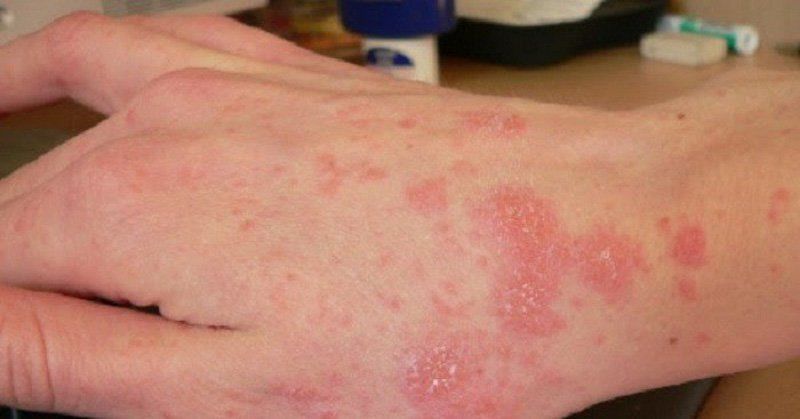
2. A Red or Discolored Rash
Fungal infections can cause areas of skin to become red, pink, brown, gray, or darker than the surrounding skin, depending on your natural skin tone.
The rash may appear:
-
On the arms
-
Legs
-
Chest
-
Back
-
Groin
-
Feet
-
Hands
-
Face
On darker skin, inflammation may appear more brown, purple, gray, or darker than the surrounding skin rather than bright red.
This is one reason photographs or descriptions online cannot reliably diagnose a fungal infection.
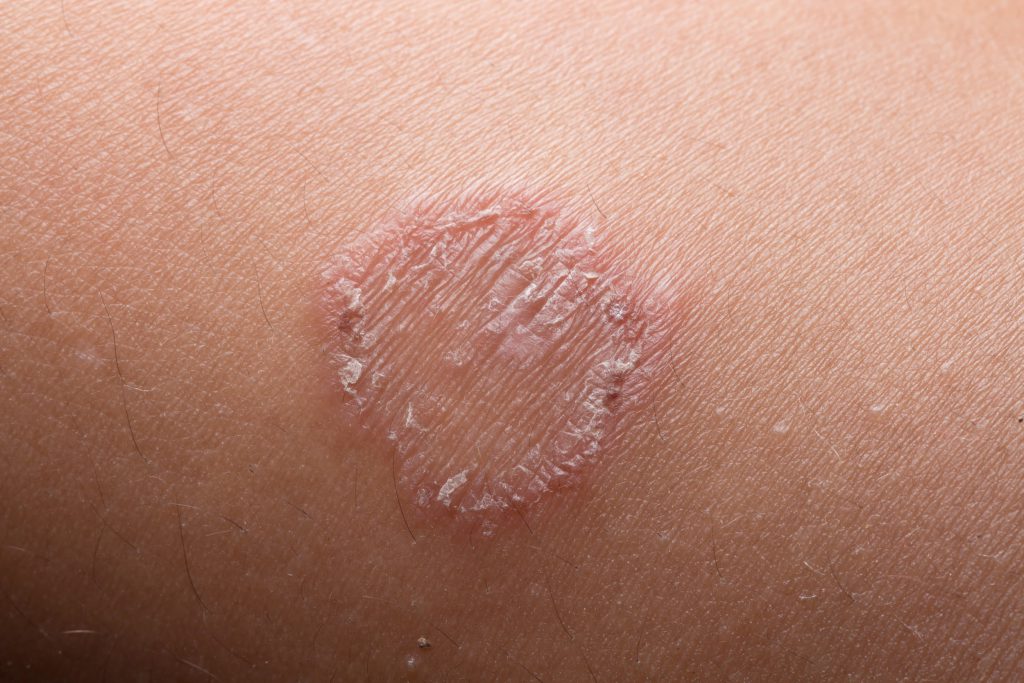
3. A Ring-Shaped Rash
Ringworm can produce a distinctive circular or ring-shaped rash.
The outer edge may be:
-
Red or darker than surrounding skin
-
Slightly raised
-
Scaly
-
More irritated than the center
The center can sometimes appear clearer than the border.
This pattern is one of the classic signs associated with ringworm.
But not every circular rash is ringworm.
Other conditions can create ring-shaped lesions as well.
4. Scaling or Flaking Skin
Another common sign is scaling.
The affected skin may become:
-
Dry
-
Flaky
-
Peeling
-
Rough
-
Powdery
This is particularly common with fungal infections affecting the feet.
You may notice flakes between the toes or around the soles and sides of the feet.
5. Cracked Skin
Fungal infections can sometimes cause cracks or fissures.
These are particularly common:
-
Between the toes
-
Around the soles of the feet
-
In moist skin folds
Cracked skin can become painful and may increase the risk of secondary bacterial infection.
If cracks become deep, swollen, warm, or produce pus, medical evaluation is important.
6. Burning or Stinging
Some fungal infections don't primarily itch.
Instead, they may cause:
-
Burning
-
Stinging
-
Tenderness
-
Rawness
This can happen particularly when the skin is already irritated or cracked.
If burning is severe or rapidly worsening, don't assume it's simply a fungal infection.
7. Symptoms That Get Worse With Heat and Sweating
Fungi generally thrive in warm, moist environments.
That's why certain fungal infections are more common in areas such as:
-
Between the toes
-
Groin
-
Armpits
-
Under the breasts
-
Other skin folds
You may notice symptoms becoming more uncomfortable after:
-
Exercise
-
Hot weather
-
Sweating
-
Wearing tight clothing
-
Spending time in damp footwear
Keeping affected areas clean and dry can be an important part of prevention and treatment.
8. A Rash in a Skin Fold
Yeast and fungal infections commonly affect moist skin folds.
For example, intertrigo can occur where skin rubs against skin.
You may notice:
-
Redness
-
Moist skin
-
Itching
-
Burning
-
Cracking
-
Small bumps around the affected area
Candida yeast can sometimes contribute to these infections.
People with diabetes, obesity, excessive sweating, or weakened immune systems may be more susceptible.
9. Peeling Between the Toes
Athlete's foot is one of the most common fungal infections.
A classic presentation involves:
Peeling, scaling, or cracking between the toes.
The area may also itch or burn.
Some people develop dry, scaly skin across the soles and sides of the feet instead.
Because athlete's foot can spread to other areas, treating it appropriately is important.
10. Thick or Discolored Toenails
Fungal infections can also affect the nails, a condition called onychomycosis.
An infected toenail may become:
-
Thick
-
Brittle
-
Yellowish
-
White
-
Brownish
-
Distorted
-
More difficult to trim
The nail may also separate partially from the nail bed.
However, nail discoloration isn't automatically caused by fungus.
Trauma, psoriasis, and other conditions can cause similar changes.
A healthcare professional can confirm the diagnosis when necessary.
11. An Itchy Rash in the Groin
Jock itch, or tinea cruris, commonly affects the groin and inner thighs.
It may cause:
-
Itching
-
Redness or discoloration
-
Scaling
-
A defined border
-
Burning or irritation
The rash may spread outward from the groin.
It's often associated with heat, sweating, and friction.
Wearing breathable clothing and keeping the area dry can help reduce the conditions that allow fungal growth.
12. Scalp Scaling or Hair Loss
Fungal infections can affect the scalp, particularly in children.
Tinea capitis can cause:
-
Scaling
-
Itching
-
Round patches
-
Broken hairs
-
Hair loss
-
Tender areas
Unlike many superficial fungal infections of the skin, scalp fungal infections often require prescription oral antifungal medication.
Over-the-counter creams alone generally aren't sufficient.
If someone develops unexplained patches of hair loss along with scaling or itching, medical evaluation is important.
13. Small Blisters or Fluid-Filled Bumps
Some fungal infections of the feet can produce small blisters.
These may be:
-
Itchy
-
Burning
-
Clustered
-
Located on the soles or sides of the feet
But blisters can also be caused by eczema, contact dermatitis, friction, infections, and other conditions.
Don't automatically assume that blisters are fungal.
14. A Rash That Slowly Expands
One clue that may suggest ringworm is a lesion that gradually expands outward.
The outer edge may become more noticeable while the center looks relatively less inflamed.
This can create the classic ring-like appearance.
However, other skin conditions can expand as well.
If a rash continues growing despite basic care, it's worth getting evaluated.
15. Multiple People in the Household Have Similar Symptoms
Some fungal skin infections are contagious.
They can spread through:
-
Direct skin-to-skin contact
-
Shared towels
-
Clothing
-
Bedding
-
Sports equipment
-
Shared footwear
-
Contaminated surfaces
If several members of a household develop similar itchy or scaly rashes around the same time, a contagious infection becomes more plausible.
Don't share personal items until the cause is understood.
How Do Fungal Skin Infections Spread?
Transmission depends on the type of fungus.
Some fungi spread through direct contact with an infected person or animal.
Others can be picked up from contaminated surfaces.
Common risk environments include:
-
Locker rooms
-
Public showers
-
Swimming-pool areas
-
Gyms
-
Shared changing rooms
Walking barefoot in damp communal areas can increase exposure to certain fungi that cause athlete's foot.
Who Is More Likely to Develop a Fungal Infection?
Anyone can develop one, but certain factors can increase susceptibility.
These include:
-
Frequent sweating
-
Hot and humid environments
-
Tight clothing
-
Damp footwear
-
Shared communal facilities
-
Diabetes
-
Certain immune-system conditions
-
Recent antibiotic use in some yeast infections
-
Skin-fold friction
-
Obesity
-
Close contact with an infected person or animal
Having one or more risk factors doesn't mean you will develop an infection.
Can Poor Hygiene Cause Fungal Infections?
Not necessarily.
Fungal infections can occur in people with excellent personal hygiene.
Warmth, moisture, skin contact, environmental exposure, and individual susceptibility all matter.
However, good hygiene can help reduce risk.
Useful habits include:
-
Washing regularly
-
Drying skin thoroughly
-
Changing sweaty clothes
-
Keeping feet dry
-
Washing towels regularly
-
Avoiding shared personal items
What Should You Do If You Suspect a Fungal Infection?
The first step is to avoid making the skin more irritated.
Keep the affected area:
Clean
Dry
Cool when possible
Free from unnecessary friction
Avoid scratching because broken skin can become infected with bacteria.
If the infection appears mild and is located on the skin rather than the scalp or nails, an appropriate over-the-counter antifungal may be an option.
Common topical antifungal ingredients include:
-
Clotrimazole
-
Miconazole
-
Terbinafine
Use products according to their labels.
Different infections require different treatment durations, so don't stop treatment immediately after symptoms improve unless the product instructions or healthcare professional tell you to.
Be Careful With Steroid Creams
One of the biggest mistakes people make with an unexplained rash is using a corticosteroid cream alone.
Steroids can reduce redness and itching temporarily.
But if the underlying problem is fungal, steroid treatment may sometimes mask or worsen the infection.
This can make the rash harder to recognize and treat.
If you're unsure whether a rash is fungal, ask a pharmacist or healthcare professional before using a steroid cream.
When Should You See a Doctor?
It's a good idea to seek medical advice if:
-
The rash is spreading quickly
-
The infection involves the scalp
-
Hair is falling out
-
Nails are affected
-
The skin is very painful
-
There is significant swelling
-
Pus or drainage develops
-
You have a fever
-
The rash keeps returning
-
Over-the-counter treatment isn't working
-
You have diabetes
-
Your immune system is weakened
-
You're unsure what the rash is
A healthcare professional may examine the skin and, when necessary, perform tests such as a skin scraping or other laboratory evaluation.
Why Diagnosis Matters
Several common skin conditions can resemble fungal infections.
For example:
Eczema
May cause itching, dryness, redness, scaling, and cracking.
Psoriasis
Can produce well-defined plaques and scaling.
Contact Dermatitis
Can develop after exposure to an irritating or allergenic substance.
Bacterial Infection
May cause redness, warmth, swelling, pain, or drainage.
Allergic Reactions
Can produce itching, redness, swelling, or hives.
Because these conditions can look similar, treating yourself with the wrong medication can delay proper treatment.
Can You Prevent Fungal Skin Infections?
You can't eliminate the risk completely, but several habits can help.
Keep Skin Dry
After bathing, dry carefully—especially between the toes and inside skin folds.
Change Sweaty Clothing
Don't remain in damp clothing for long periods.
Choose Breathable Fabrics
Loose-fitting clothing can reduce heat and moisture buildup.
Rotate Shoes
Allow footwear to dry completely before wearing it again.
Wear Footwear in Communal Showers
Use sandals or flip-flops in public locker rooms and showers.
Don't Share Towels
Personal towels, socks, shoes, and clothing should not be shared when fungal infection is suspected.
What About Pets?
Some fungal infections, particularly certain types of ringworm, can spread between animals and humans.
If your pet develops:
-
Bald patches
-
Scaly skin
-
Circular lesions
-
Excessive scratching
contact a veterinarian.
Don't assume that a skin problem in a pet is simply allergies.
If a household member has a suspected fungal infection and a pet also develops suspicious skin lesions, both may need evaluation.
Can Fungal Infections Go Away on Their Own?
Some minor fungal infections may improve, but many require treatment.
Waiting too long can allow an infection to:
-
Spread
-
Become more uncomfortable
-
Affect other body areas
-
Spread to other people
-
Become more difficult to treat
Scalp and nail infections in particular often require professional treatment.
Why Do Fungal Infections Keep Coming Back?
Recurrence can happen for several reasons.
Treatment Was Stopped Too Early
Symptoms may improve before the fungus is fully controlled.
The Area Remains Damp
Moisture can encourage fungal growth.
Shoes or Towels Remain Contaminated
Re-exposure can occur.
The Original Diagnosis Was Incorrect
The rash may not have been fungal in the first place.
An Underlying Risk Factor Exists
Diabetes, immune problems, or other conditions may increase susceptibility.
If infections repeatedly return, a healthcare professional can help identify the underlying reason.
A Simple Daily Routine for Healthier Skin
Morning
Wash as needed and dry the skin thoroughly.
Wear clean, breathable clothing.
During the Day
Change out of sweaty clothes when possible.
Keep feet dry.
Avoid sharing towels or personal items.
After Exercise
Shower and change clothes.
Dry carefully between the toes and around skin folds.
Evening
Check areas prone to moisture and irritation.
Apply prescribed or appropriate antifungal treatment if needed.
Keep bedding and towels clean.
10 Warning Signs to Remember
A possible fungal skin infection may involve:
1. Persistent itching
2. Red or discolored patches
3. Scaling or flaking
4. A ring-shaped rash
5. Cracked skin
6. Burning or irritation
7. Peeling between the toes
8. Thick or discolored nails
9. An itchy rash in the groin or skin folds
10. Scaling with patchy hair loss on the scalp
These signs aren't enough to confirm a fungal infection, but they can indicate that your skin needs closer attention.
The Bottom Line
Fungal skin infections are common, and many are successfully treated when recognized early.
Possible warning signs include persistent itching, scaling, peeling, cracking, ring-shaped patches, discoloration, burning, and changes to the nails or scalp.
But these symptoms aren't exclusive to fungal infections. Eczema, psoriasis, allergies, bacterial infections, and other conditions can look very similar.
If you have a mild rash on the skin that appears consistent with a common fungal infection, an appropriate over-the-counter antifungal may help. Use it exactly as directed.
However, don't assume every itchy or red rash is fungus, and be especially cautious about using steroid creams without knowing the cause.
Seek professional care if the rash is spreading, painful, recurrent, involves the scalp or nails, causes hair loss, produces drainage, or doesn't improve with appropriate treatment.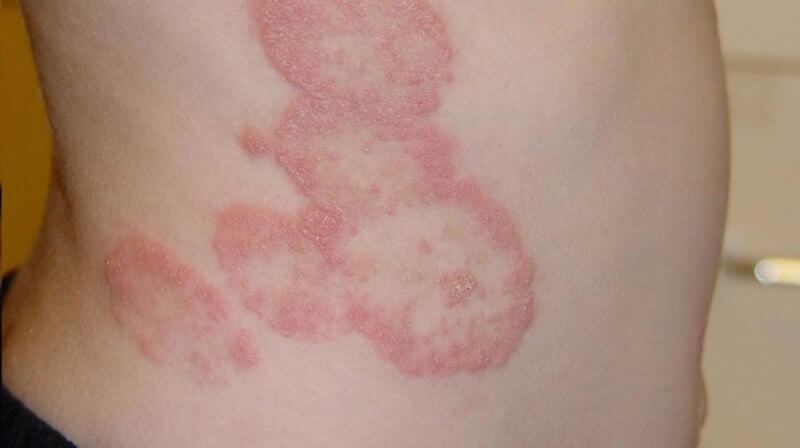
Final Thoughts
Your skin often gives you clues when something isn't quite right.
A patch that keeps itching, a rash that slowly expands, peeling between the toes, or persistent scaling shouldn't automatically be dismissed as dry skin.
At the same time, there's no reason to panic when you notice an unusual patch.
The key is recognizing the pattern, avoiding unnecessary irritation, and getting the correct diagnosis when symptoms persist.
With the right treatment and good skin-care habits, most superficial fungal infections can be managed effectively.
If a skin rash keeps coming back or doesn't respond to appropriate treatment, it's time to stop guessing and have it evaluated by a healthcare professional.