Garlic has been used in cooking and traditional wellness practices for centuries. Its strong aroma and distinctive flavor come from a collection of sulfur-containing compounds, including allicin, which forms when fresh garlic is chopped, crushed, or chewed.
Today, garlic continues to attract attention because researchers have explored its potential effects on immune function, inflammation, cardiovascular health, and respiratory wellness.
But there is an important distinction between supporting health and treating disease. Garlic is a nutritious food that may contribute to a healthy diet, but it is not a replacement for antibiotics, prescribed medications, vaccines, or medical care.
With that in mind, here are 12 ways garlic may support immune and respiratory health as part of an overall healthy lifestyle.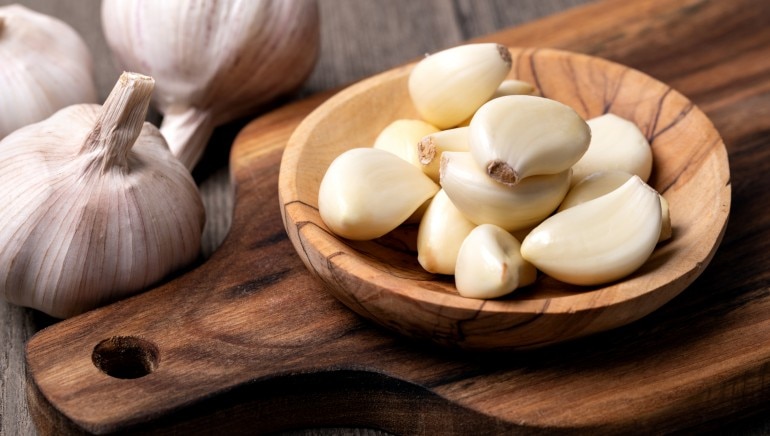
1. Garlic Provides Sulfur Compounds With Biological Activity
One of the main reasons garlic is so widely studied is its sulfur-containing compounds.
When a garlic clove is damaged, an enzyme called alliinase helps produce allicin. Allicin is responsible for much of fresh garlic's characteristic smell and has been investigated for its antimicrobial and antioxidant properties.
Other sulfur compounds are also formed as garlic is prepared, cooked, or metabolized.
These compounds are part of what makes garlic more than simply a flavorful ingredient.
However, the amount and activity of these compounds can vary depending on how garlic is prepared, how much is consumed, and whether it is fresh, aged, cooked, or processed.
2. It May Support Normal Immune Function
The immune system depends on a variety of cells, tissues, signaling molecules, and nutrients working together.
A healthy diet provides many of the nutrients needed for normal immune function, and garlic can be one small part of that dietary pattern.
Studies have investigated whether garlic and its compounds can influence certain immune responses, including the activity of immune cells and inflammatory signaling.
This does not mean that eating garlic will “boost” immunity instantly or prevent every infection. Instead, it may help support the body's normal physiological processes when combined with adequate sleep, regular physical activity, balanced nutrition, and appropriate medical care.
3. Garlic Has Antioxidant Properties
The body naturally produces molecules known as reactive oxygen species. In excess, these molecules can contribute to oxidative stress.
Garlic contains compounds with antioxidant activity that may help the body manage oxidative processes.
Oxidative stress is involved in many aspects of human health, including inflammation and cellular aging. For this reason, antioxidant-rich foods are generally considered useful components of a balanced diet.
Garlic is not unique in this regard. Fruits, vegetables, legumes, nuts, seeds, and other plant foods also provide antioxidants and related compounds.
The bigger picture matters more than any single food.
4. It May Help Modulate Inflammation
Inflammation is not always harmful. Acute inflammation is an important part of the body's response to injury and infection.
Problems can arise when inflammatory signaling becomes excessive or persists for long periods.
Researchers have examined garlic compounds for their potential effects on inflammatory pathways. Laboratory and some human research suggests that garlic may influence certain markers associated with inflammation.
That is interesting, but it is important not to turn those findings into exaggerated claims. Eating garlic should not be viewed as a way to treat chronic inflammatory diseases on its own.
Instead, it may be one supportive component of a dietary pattern rich in minimally processed plant foods.
5. Garlic May Help Support Cardiovascular Health
Immune and respiratory health do not exist in isolation. The heart and blood vessels also influence how oxygen and nutrients reach tissues throughout the body.
Garlic has been studied for potential cardiovascular benefits, particularly in relation to blood pressure and blood lipid levels.
Some research suggests that certain garlic preparations may have modest effects on blood pressure in people with elevated blood pressure. Evidence regarding cholesterol and other cardiovascular measures is more variable and depends partly on the type of garlic product studied.
Fresh garlic used in normal cooking should be thought of primarily as a food, not as a substitute for prescribed treatment.
For people with hypertension or high cholesterol, medical treatment and lifestyle management remain important.
6. It May Have Antimicrobial Activity
Garlic has a long history in traditional medicine, partly because of its apparent antimicrobial properties.
In laboratory settings, garlic-derived compounds have shown activity against certain bacteria, fungi, and other microorganisms.
One reason for this interest is allicin and related sulfur-containing compounds.
However, laboratory activity does not automatically mean that eating garlic will eliminate an infection in the human body.
A food can have antimicrobial properties in a test tube without functioning as a clinical antimicrobial medication.
That distinction is especially important when dealing with serious infections.
7. Garlic May Be Part of a Respiratory Wellness Routine
People have traditionally used garlic in soups, teas, broths, and other home preparations during periods of seasonal illness.
While garlic is not a proven treatment for respiratory infections, including it in meals can be part of a generally nutritious eating pattern.
Its strong flavor may also make simple foods such as soups and vegetable dishes more appealing when appetite is low.
For someone recovering from a mild illness, maintaining adequate fluid intake and eating nutrient-dense foods can be useful. Garlic may simply be one ingredient within that broader approach.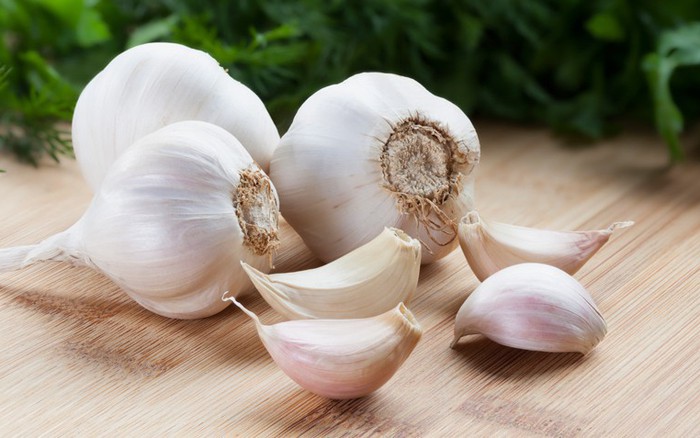
8. It May Support a Healthy Gut Environment
The gut and immune system are closely connected.
A large proportion of immune activity is associated with tissues around the gastrointestinal tract, and the gut microbiome interacts with immune signaling in complex ways.
Garlic contains sulfur compounds and other plant components that have been investigated for possible effects on gut microbes.
Some research suggests garlic-derived compounds may influence the composition or activity of certain microorganisms.
But the human microbiome is highly individual, and the science is still evolving. More research is needed before strong conclusions can be drawn about specific health outcomes.
In practical terms, garlic is best viewed as one part of a diverse diet that includes vegetables, fruits, whole grains, legumes, nuts, and other sources of plant compounds.
9. Garlic May Help Add Nutritional Variety to the Diet
Sometimes the simplest health benefit is also one of the most practical.
Garlic makes healthy meals more flavorful without requiring large amounts of added sugar or heavily processed sauces.
You can add it to vegetables, beans, lentils, soups, fish, whole grains, eggs, or homemade dressings.
This can make it easier to maintain a varied diet over time.
A healthy dietary pattern is not built around one “superfood.” It is built through repeated choices that provide adequate protein, fiber, vitamins, minerals, and beneficial plant compounds.
Garlic can contribute to that pattern while also making food more enjoyable.
10. Preparation Method Can Affect Garlic's Compounds
How you prepare garlic can influence the compounds it contains.
Fresh garlic generates allicin after the clove is chopped, crushed, or otherwise damaged. Cooking can change the amount of allicin and related compounds that remain.
Some food scientists and nutrition researchers have investigated whether allowing crushed garlic to sit briefly before heating can preserve more of the compounds involved in allicin formation.
That does not mean raw garlic is automatically healthier than cooked garlic.
Raw garlic can be harsh on the stomach and may be unpleasant for many people. Cooked garlic is still a nutritious ingredient and can contribute to a healthy diet.
The best preparation method is often the one that allows you to use garlic regularly and comfortably.
11. Garlic May Be Useful During the Cold and Flu Season—But With Realistic Expectations
Garlic is often promoted online as a natural defense against colds and flu.
Research into garlic supplements and respiratory infections has produced interesting findings, but the evidence is not strong enough to say that garlic reliably prevents or cures respiratory infections.
Some studies have suggested potential benefits from certain garlic preparations, while others have found limited or inconsistent effects.
Respiratory infection prevention still depends much more on established measures such as appropriate vaccination, hand hygiene, staying home when sick, ventilation, and following medical advice.
Think of garlic as a supportive food—not a protective shield.
12. Garlic Can Fit Into a Broader Healthy-Living Strategy
Perhaps the most realistic way to think about garlic is as one small piece of a much larger health picture.
Immune and respiratory health are influenced by sleep, nutrition, exercise, stress, smoking exposure, alcohol intake, age, underlying health conditions, and environmental factors.
Eating garlic while regularly smoking, sleeping poorly, or ignoring persistent symptoms will not cancel out those risks.
On the other hand, incorporating garlic into a balanced eating pattern can be a simple way to increase dietary variety and enjoy more plant-based foods.
Health rarely comes from one ingredient. It comes from consistent habits.
How Much Garlic Should You Eat?
There is no universally established amount of garlic that everyone should consume for immune or respiratory health.
For most people, using garlic as a normal food ingredient is a practical approach.
You might add a small amount to:
-
Vegetable stir-fries
-
Soups and stews
-
Roasted vegetables
-
Bean and lentil dishes
-
Pasta sauces
-
Homemade salad dressings
-
Fish or lean-protein recipes
-
Whole-grain dishes
More is not necessarily better.
Large amounts of raw garlic may cause heartburn, stomach discomfort, nausea, bloating, or unpleasant breath and body odor.
Garlic Supplements Are a Different Story
Garlic supplements can contain concentrated amounts of compounds that are not equivalent to eating a clove of garlic in a meal.
Different products may contain aged garlic extract, garlic powder, garlic oil, or standardized preparations. Their chemical composition and effects can vary considerably.
Some research has found benefits from specific standardized garlic products, but those findings should not automatically be applied to every supplement on the market.
Supplement quality can also vary.
That is why it is generally better to think of garlic first as a food rather than assuming a high-dose supplement is necessary.
Who Should Be Careful With Garlic?
Garlic is safe for most people when consumed in normal food amounts, but there are situations in which caution is appropriate.
Garlic and concentrated garlic supplements may affect platelet function and may increase bleeding risk, particularly when combined with certain anticoagulant or antiplatelet medications.
People preparing for surgery may also be advised to discuss garlic supplements with their healthcare team.
Garlic can also worsen digestive symptoms in some people, particularly when eaten in large quantities.
Anyone taking regular medication or considering a concentrated garlic supplement should discuss it with a qualified healthcare professional.
What Garlic Can—and Cannot—Do
It is easy to see headlines claiming that garlic “kills viruses,” “cleans the lungs,” or “prevents cancer.”
These statements often go far beyond what the available evidence can support.
Garlic contains biologically active compounds, and research suggests several potentially beneficial effects. But potential biological activity is not the same as a proven clinical treatment.
Garlic cannot replace:
-
Antibiotics when a bacterial infection requires them
-
Prescription medications for chronic diseases
-
Vaccination when recommended
-
Medical evaluation for persistent respiratory symptoms
-
Emergency care for severe breathing problems
This is especially important with respiratory symptoms. Difficulty breathing, chest pain, coughing up blood, bluish lips, severe weakness, or rapidly worsening symptoms require prompt medical attention.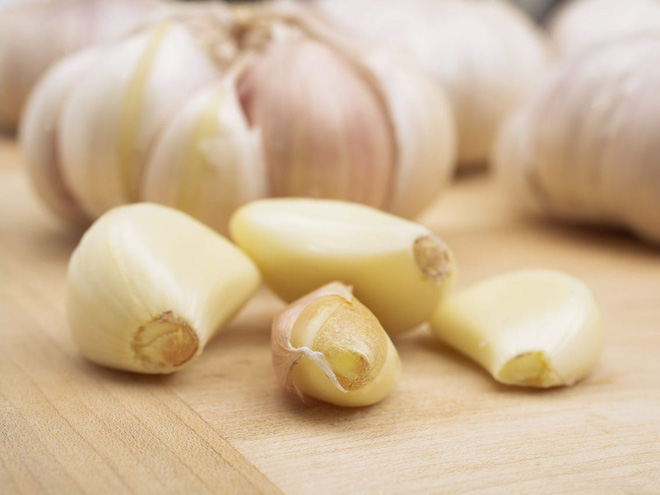
The Bottom Line
Garlic is a flavorful, nutrient-rich food with a fascinating collection of sulfur-containing compounds. Research has explored its potential antioxidant, antimicrobial, anti-inflammatory, cardiovascular, and immune-related effects.
That makes garlic a worthwhile addition to a varied diet.
But the healthiest way to think about it is simple: garlic may support overall wellness, but it is not a miracle cure.
Use it to flavor vegetables, soups, beans, whole grains, and other nutritious foods. Pair it with adequate sleep, regular movement, good nutrition, vaccination when appropriate, and sensible medical care.
The real power of garlic is not that one clove can solve every health problem. It is that a humble everyday food can contribute to a dietary pattern that supports the body over time.
And when it comes to health, those small, consistent choices are often the ones that matter most.