
Stroke Can Affect Young People Too: 5 Warning Signs That Should Never Be Ignored
Stroke Risk Isn’t Limited to Older Adults: Important Symptoms to Recognize Early
Health 13/05/2026 01:04
Garlic has been used for centuries as both a food ingredient and a traditional natural remedy. Known for its strong aroma and distinct flavor, garlic is commonly added to soups, sauces, stir-fries, and many home-cooked dishes around the world. In recent years, it has also gained popularity because of its potential health benefits, including support for heart health, immune function, and inflammation reduction.
Despite these advantages, doctors and nutrition specialists caution that garlic may not be suitable for everyone in large amounts. Certain groups of people can experience unwanted side effects or health risks when consuming excessive garlic, especially raw garlic or concentrated garlic supplements.


 6
6
The first group includes people with stomach sensitivity or digestive disorders. Garlic contains powerful sulfur compounds that may irritate the digestive system in some individuals. People who suffer from acid reflux, gastritis, stomach ulcers, or irritable bowel syndrome may experience bloating, burning sensations, nausea, or abdominal discomfort after eating large amounts of garlic.
Raw garlic can be especially strong on the stomach because its active compounds are more concentrated before cooking. Doctors often recommend consuming smaller portions or using cooked garlic instead of raw forms for individuals with sensitive digestion.
The second group includes people taking blood-thinning medication. Garlic has natural anticoagulant properties, meaning it may slightly reduce blood clotting. While this effect can support heart health in some cases, it may become dangerous for people already using medications such as warfarin or aspirin.
Health experts warn that combining excessive garlic intake with blood thinners could increase the risk of bruising or bleeding. Patients preparing for surgery are also commonly advised to avoid high amounts of garlic several days beforehand to reduce bleeding complications.


The third group includes individuals with low blood pressure. Research suggests that garlic may help relax blood vessels and support circulation, which can contribute to lower blood pressure levels. However, for people who already have naturally low blood pressure or take medication for hypertension, consuming too much garlic could potentially cause dizziness, weakness, or fatigue.
Doctors emphasize the importance of moderation and regular monitoring for anyone managing cardiovascular conditions. Natural foods can still interact with medications and influence the body in significant ways.
The fourth group includes people with allergies or sensitivities to garlic. Although less common, some individuals may develop allergic reactions after consuming garlic or handling it directly. Symptoms can include skin irritation, headaches, breathing difficulties, or digestive issues. In rare cases, severe allergic responses may require immediate medical attention.


Even with these warnings, nutrition experts continue to recognize garlic as a valuable ingredient when eaten appropriately. Garlic contains antioxidants, vitamins, and plant compounds that may support overall wellness. Many studies have linked moderate garlic consumption with potential benefits for heart health and immune support.
The key message from health professionals is balance rather than fear. Garlic is not “poisonous” for most people, but excessive intake or improper use may create health problems for individuals with certain medical conditions. Listening to the body, following medical advice, and maintaining moderation are the safest approaches.
In the end, garlic remains one of the world’s most respected natural foods. For most healthy people, adding garlic to meals can be part of a nutritious lifestyle. However, people with digestive disorders, blood-clotting concerns, low blood pressure, or garlic allergies should be more cautious and consult healthcare professionals if needed. Responsible eating habits and informed choices are always the foundation of long-term health.
Stroke Risk Isn’t Limited to Older Adults: Important Symptoms to Recognize Early

Why Some People Experience Frequent Yawning Beyond Normal Fatigue?
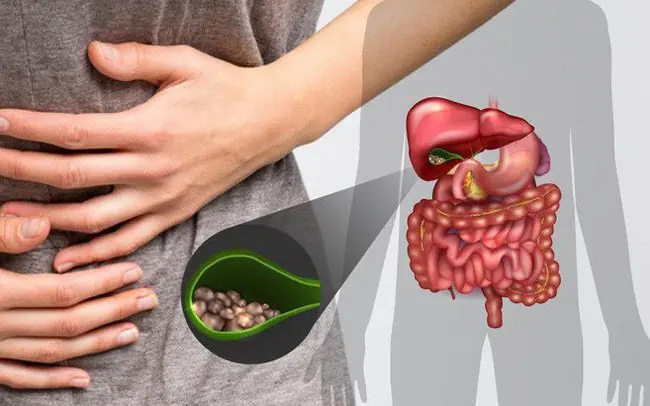
6 Subtle Warning Signals of Gallbladder Can.cer to Watch For
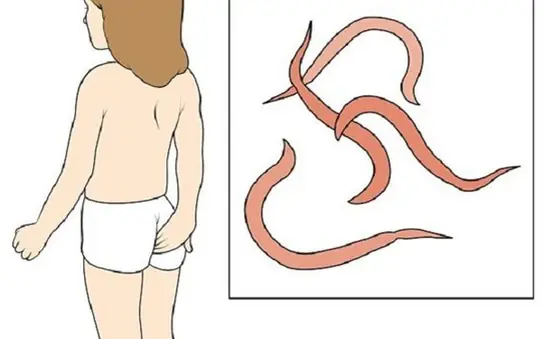
Pinworms: a stealthy nighttime parasite affecting children
What Science Says About the Potential Health Benefits of Eating Dates?

Pancreatic cancer warning signs you shouldn’t ignore
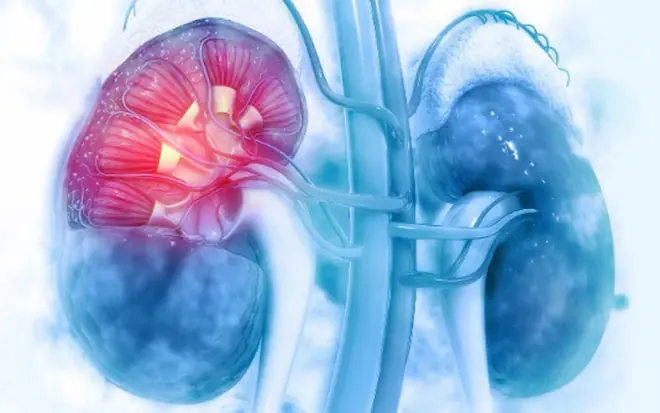
Lifestyle Habits That May Be Contributing to Kidney Problems in Younger People
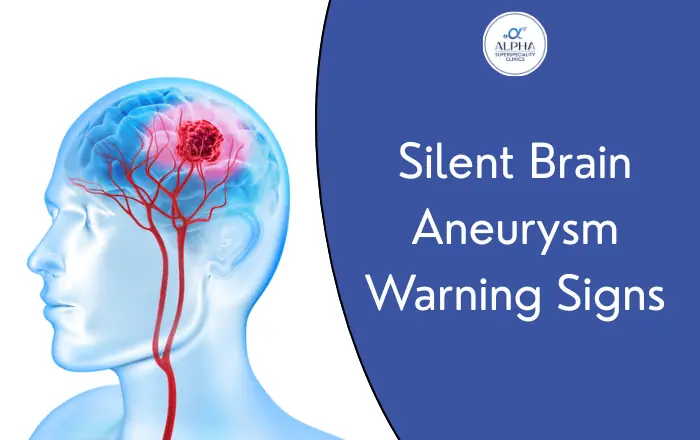
Aneurysm: Subtle Symptoms That Can’t Be Ignored
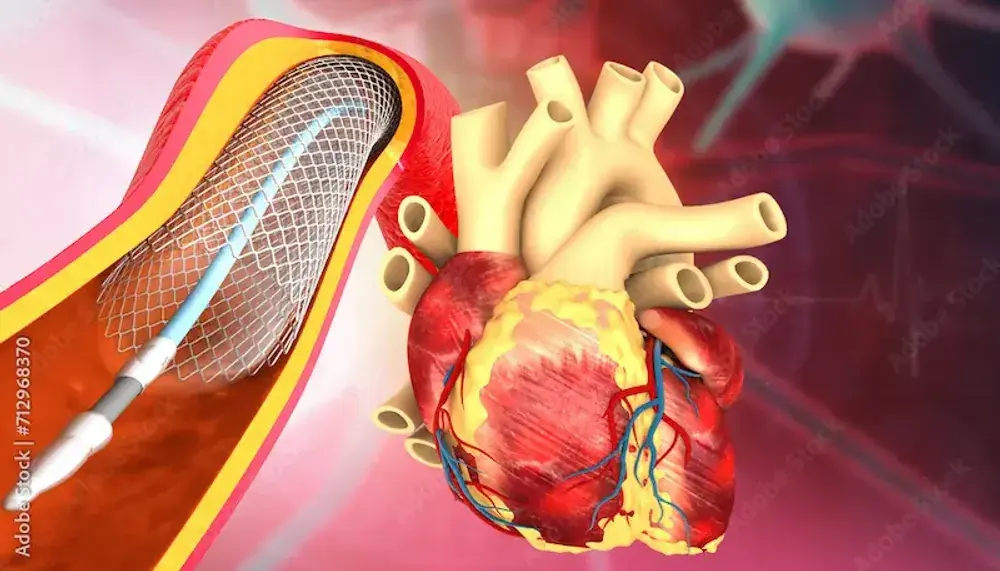
10 subtle symptoms that could point to clogged arteries

8 Important Signs That Could Indicate Cervical Health Problems

Spotting mini-stroke clues early may prevent serious complications
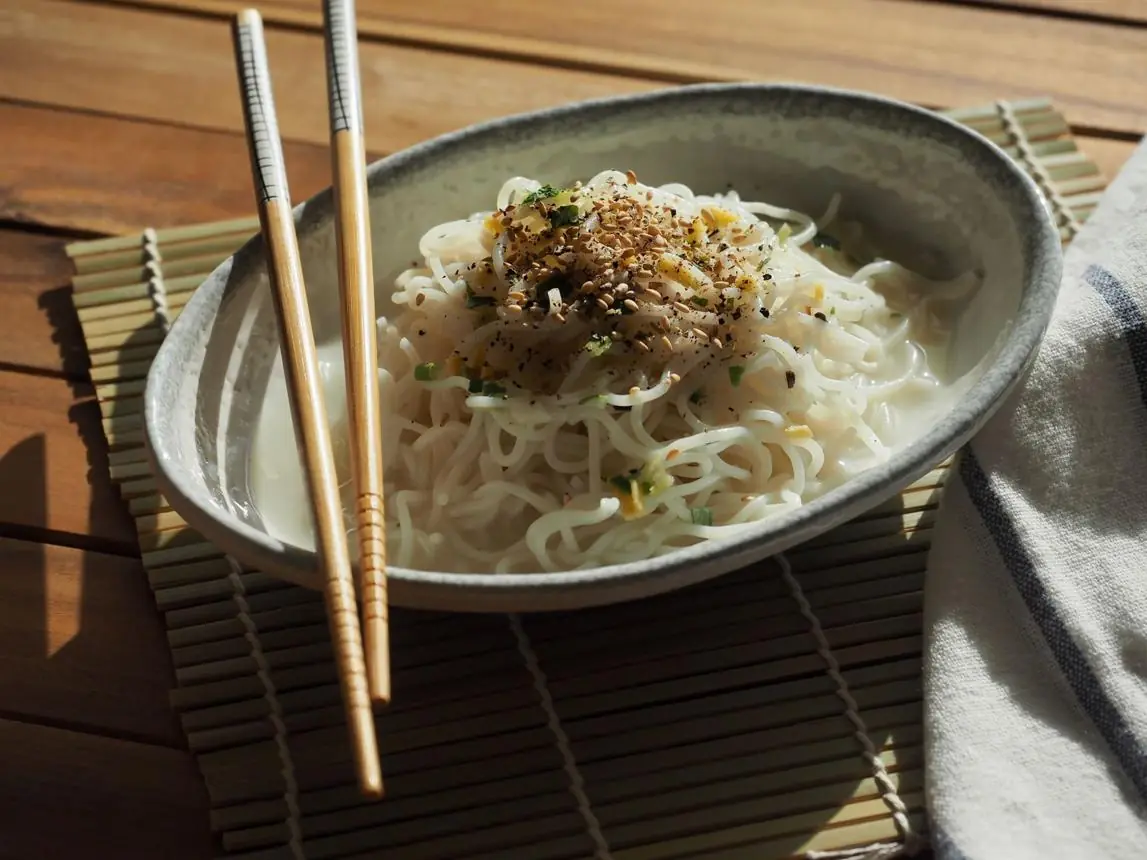
Rice noodles may affect blood sugar, digestion, and overall health.
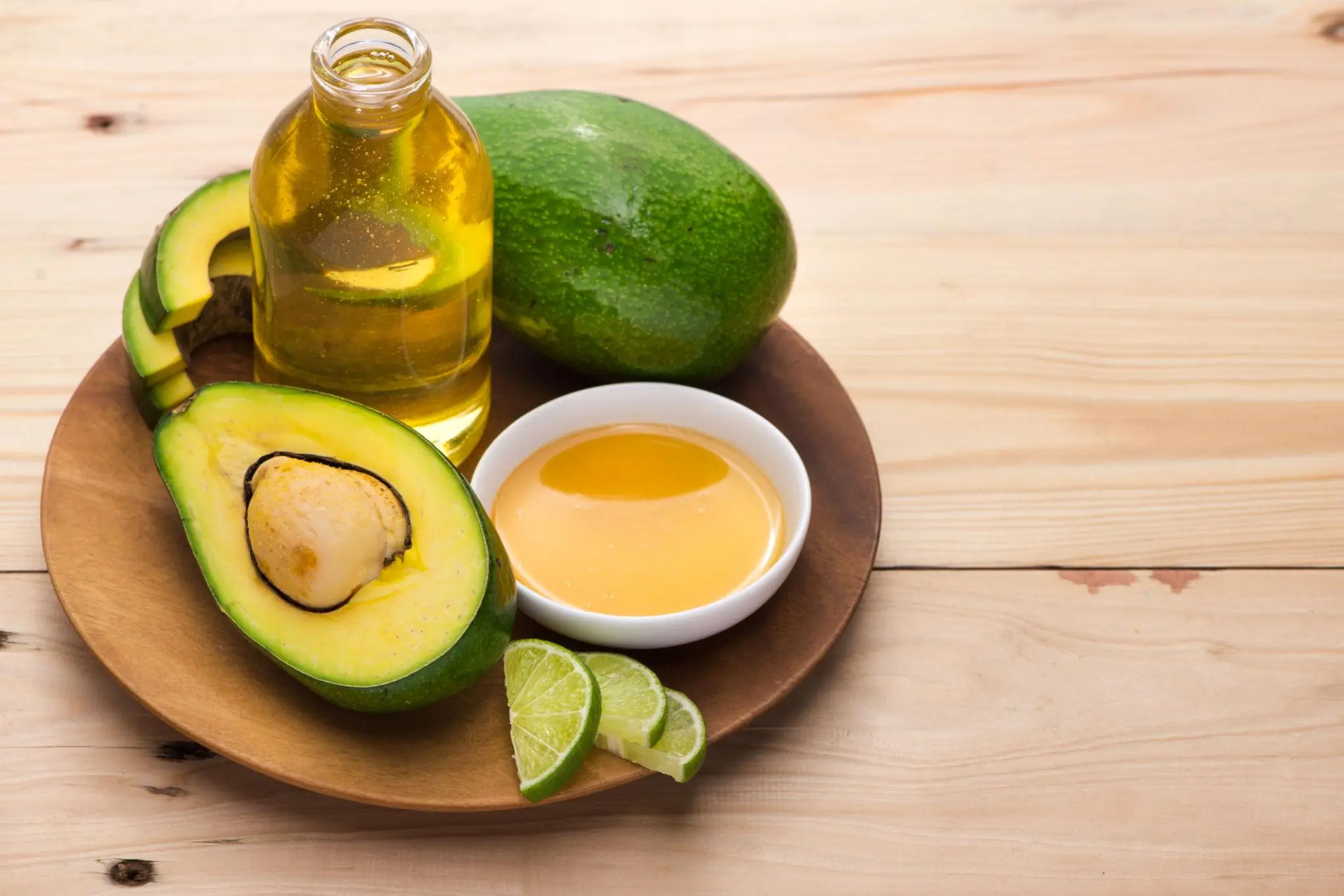
Doctors say eating avocados regularly may change

You may want to think twice before eating these popular chicken parts again.

Orange, purple, or white? The healthiest sweet potato color may not be the one you think.
5 Groups of People Who Should Be Cautious About Eating Beef

One small garlic clove before sleep could...
Experts warn some common foods may carry dangerous hidden parasites.

Many people think beef is always healthy — but experts say that’s not true for everyone 😳
Stroke Risk Isn’t Limited to Older Adults: Important Symptoms to Recognize Early
Why Some People Experience Frequent Yawning Beyond Normal Fatigue?
Red Peanuts vs White Peanuts: What Makes Them Different?
6 Subtle Warning Signals of Gallbladder Can.cer to Watch For
Pinworms: a stealthy nighttime parasite affecting children
What Science Says About the Potential Health Benefits of Eating Dates?

White Butterflies Have Long Been Connected to Spiritual and Emotional Symbolism
Pancreatic cancer warning signs you shouldn’t ignore
Lifestyle Habits That May Be Contributing to Kidney Problems in Younger People
Aneurysm: Subtle Symptoms That Can’t Be Ignored

The Fascinating Household Uses of Lemons Sprinkled With Salt
10 subtle symptoms that could point to clogged arteries
8 Important Signs That Could Indicate Cervical Health Problems
Spotting mini-stroke clues early may prevent serious complications
Rice noodles may affect blood sugar, digestion, and overall health.
Doctors say eating avocados regularly may change
You may want to think twice before eating these popular chicken parts again.
Orange, purple, or white? The healthiest sweet potato color may not be the one you think.
5 Groups of People Who Should Be Cautious About Eating Beef