Garlic has been valued for centuries as both a flavorful cooking ingredient and a traditional natural remedy. Found in kitchens around the world, garlic is often praised for its strong aroma, distinctive taste, and potential health-supporting properties. Many studies have explored garlic’s possible roles in supporting heart health, immune function, circulation, and inflammation balance.
Because of these benefits, garlic is commonly included in healthy diets and natural wellness routines. However, despite its reputation as a nutritious food, garlic may not be suitable for everyone in large amounts. Certain people may experience side effects, medication interactions, digestive irritation, or complications related to specific medical conditions.
Understanding who may need to use caution with garlic can help people enjoy its benefits more safely and appropriately.
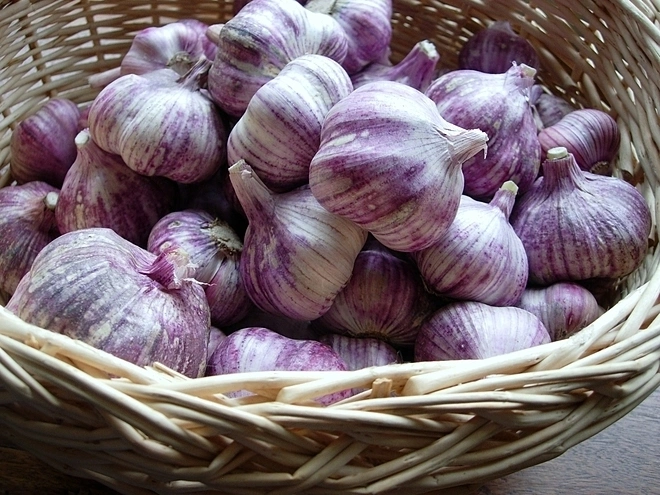
Why Garlic Is Considered Healthy
Garlic contains several sulfur-containing compounds, including:
- Allicin
These compounds are believed to contribute to garlic’s:
- Strong smell
- Antioxidant activity
- Potential antimicrobial effects
Garlic also contains:
- Vitamins
- Minerals
- Plant compounds
Researchers continue studying how garlic may influence:
- Cardiovascular health
- Immune responses
- Inflammation
- Metabolism
Garlic and Traditional Wellness
Throughout history, garlic has been used in many cultures to support:
- Digestion
- Circulation
- Respiratory health
- General wellness
Modern research has investigated some of these traditional uses, though garlic is not considered a cure for disease.
Garlic and Heart Health
Some studies suggest garlic may help support:
- Healthy cholesterol levels
- Blood vessel function
- Circulation
Garlic’s compounds may influence blood flow and cardiovascular function.
However, effects vary between individuals and depend on:
- Amount consumed
- Preparation methods
- Overall diet
- Medical conditions
Why Some People Need Caution
Although garlic is nutritious for many people, it may:
- Irritate digestion
- Thin the blood
- Trigger allergies
- Interact with medications
Certain individuals may experience stronger effects or complications.
1. People Taking Blood-Thinning Medications
One important group that should use caution includes people taking:
- Blood thinners
- Anticoagulant medications
Examples may include:
- Warfarin
- Aspirin
- Certain prescription anticoagulants
Garlic may have mild blood-thinning properties.
Large amounts of garlic or concentrated garlic supplements may increase bleeding risk in some individuals.
Why Garlic May Affect Bleeding
Garlic compounds may influence:
- Platelet activity
- Blood clotting processes
For healthy individuals, moderate dietary garlic is usually not a problem.
However, combining high garlic intake with blood-thinning medications may increase the risk of:
- Bruising
- Bleeding complications
Surgery and Garlic Intake
Doctors sometimes recommend reducing garlic supplements before surgery because of possible bleeding concerns.
People preparing for procedures should always follow medical guidance regarding supplements and diet.
2. People With Sensitive Stomachs or Digestive Disorders
Garlic may irritate the digestive tract in some individuals.
Possible symptoms include:
- Heartburn
- Bloating
- Gas
- Stomach pain
- Acid reflux
Raw garlic tends to be more irritating than cooked garlic for many people.
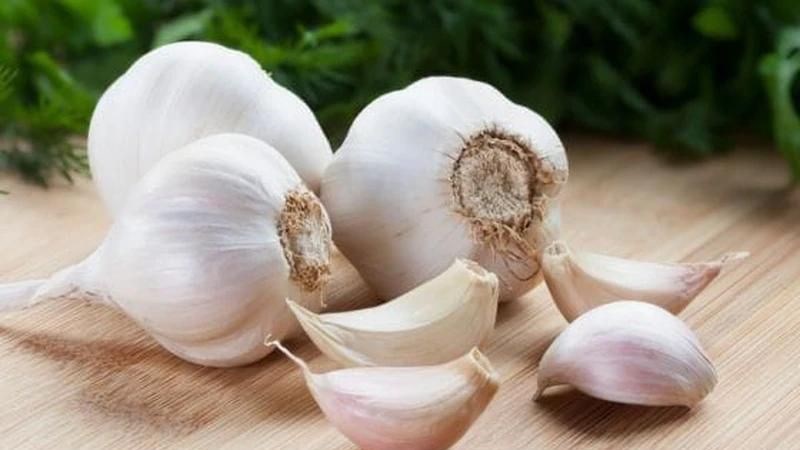
Garlic and Acid Reflux
People with:
- GERD
- Acid reflux
- Sensitive stomachs
may notice worsening symptoms after eating garlic.
Garlic may relax certain digestive muscles or irritate the esophagus in sensitive individuals.
Why Digestive Reactions Vary
Tolerance differs greatly between individuals.
Some people digest garlic easily, while others may experience:
- Burning sensations
- Nausea
- Indigestion
especially with large amounts.
3. People With Garlic Allergies or Sensitivities
Although uncommon, garlic allergies do exist.
Possible symptoms may include:
- Skin rash
- Itching
- Swelling
- Digestive upset
- Breathing problems
In severe cases, allergic reactions may become serious and require immediate medical attention.
Garlic Sensitivity vs Allergy
Some individuals have:
- Sensitivity or intolerance
rather than true allergy.
Sensitivity may still cause uncomfortable symptoms without triggering a full immune allergic response.
Skin Irritation From Garlic
Raw garlic may also irritate the skin when applied directly for prolonged periods.
Some people develop:
- Burns
- Redness
- Skin irritation
from strong garlic exposure.
4. People With Certain Medical Conditions or Medication Interactions
Garlic may interact with certain medications or medical conditions.
Possible interactions may involve:
- Blood pressure medications
- Diabetes medications
- HIV medications
- Anticoagulants
Garlic supplements are often more concentrated than normal dietary garlic and may have stronger effects.
Garlic and Blood Pressure
Garlic may slightly influence blood pressure in some individuals.
People already taking blood pressure medications should monitor changes carefully and follow medical advice.
Garlic and Blood Sugar
Some studies suggest garlic may affect:
- Blood sugar regulation
People with diabetes should use caution with supplements and monitor glucose carefully.
Raw Garlic vs Cooked Garlic
Preparation methods affect garlic’s strength and digestive effects.
Raw garlic contains higher levels of certain active compounds, including:
- Allicin
Cooking may reduce:
- Sharpness
- Irritation potential
- Strong odor
while still retaining nutritional value.
Garlic Supplements vs Food
Garlic supplements may contain concentrated compounds that affect the body differently than normal food portions.
Supplements are not always standardized and may vary widely in strength.
Medical guidance is especially important before using concentrated garlic products regularly.
The Difference Between Moderate and Excessive Intake
For most healthy individuals, moderate garlic consumption as part of meals is generally considered safe.
Problems are more likely with:
- Extremely large amounts
- Concentrated supplements
- Existing medical conditions
- Medication interactions
Balance and moderation matter.
Garlic and Immune Support
Garlic is often discussed for possible immune-supporting properties because of its plant compounds.
However, garlic does not:
- Prevent all infections
- Cure illnesses
- Replace medical treatment
Healthy immune function depends on many lifestyle factors.
Healthy Habits Matter More Than One Food
No single ingredient guarantees perfect health.
Long-term wellness depends on:
- Balanced nutrition
- Sleep
- Exercise
- Stress management
- Medical care
Garlic works best as one part of overall healthy eating patterns.
Why Natural Foods Are Not Automatically Safe for Everyone
People sometimes assume natural products are harmless simply because they come from plants.
In reality, even natural foods may:
- Cause side effects
- Trigger allergies
- Interact with medications
Individual health situations matter greatly.
Signs You May Be Sensitive to Garlic
Possible signs include:
- Burning stomach pain
- Severe bloating
- Reflux
- Rash
- Headaches
- Digestive discomfort
Persistent symptoms should be discussed with a healthcare professional.
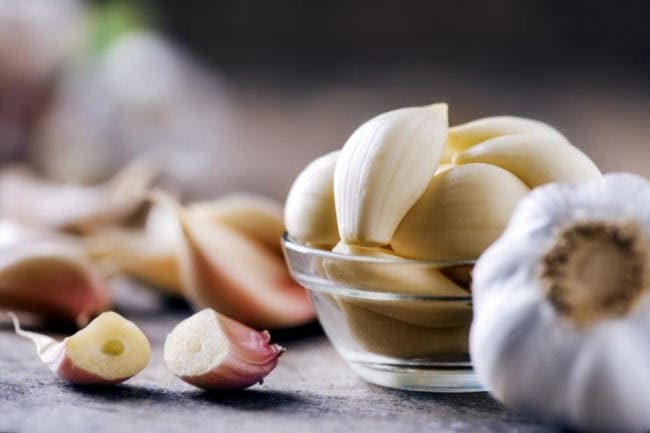
Nutritional Benefits of Garlic
Despite cautions, garlic remains a nutritious ingredient for many people.
It contains:
- Antioxidants
- Trace minerals
- Plant compounds
and may contribute flavor without excessive calories.
Healthy Ways to Include Garlic
Garlic may be enjoyed in:
- Soups
- Vegetables
- Sauces
- Stir-fries
- Mediterranean-style dishes
Combining garlic with balanced meals may support healthier eating habits overall.
The Importance of Personalized Nutrition
Dietary tolerance differs from person to person.
Factors influencing food tolerance may include:
- Age
- Medications
- Digestive health
- Genetics
- Existing conditions
There is rarely one perfect diet for everyone.
When to Seek Medical Advice
Medical guidance is important if garlic consumption leads to:
- Severe digestive symptoms
- Allergic reactions
- Bleeding problems
- Medication concerns
People with chronic conditions should discuss supplements with healthcare providers.
Final Thoughts
Garlic is a flavorful and nutritious food that may support heart health, circulation, and overall wellness when consumed moderately as part of a balanced diet. However, it may not be suitable for everyone, especially people taking blood thinners, those with digestive disorders, individuals with garlic allergies, or people managing certain medical conditions and medications.
Understanding personal tolerance, practicing moderation, and seeking medical guidance when needed may help people enjoy garlic’s potential benefits more safely while avoiding unnecessary complications.