Why Garlic Has Been Studied for Its Potential Health Benefits 🧄
Garlic has been valued for centuries as both a culinary ingredient and a traditional remedy. From ancient civilizations to modern laboratories, this pungent bulb has attracted attention for its potential effects on health.
Today, researchers continue to study garlic to better understand how its natural compounds may influence the body. While garlic is not a cure-all, scientific evidence suggests it may offer several health benefits when included as part of a balanced diet.
Here's what current research has revealed.

What Makes Garlic Unique?
Garlic contains a variety of biologically active compounds, but one of the most well-known is allicin.
Allicin is formed when fresh garlic is chopped, crushed, or chewed. This compound is responsible for garlic's distinctive smell and many of its potential health-promoting properties.
Garlic also contains:
- Sulfur compounds
- Flavonoids
- Antioxidants
- Trace minerals
- Vitamins such as vitamin C and vitamin B6
Together, these substances contribute to garlic's reputation as a functional food.
Potential Benefits for Heart Health
One of the most extensively studied areas of garlic research involves cardiovascular health.
Some studies suggest that garlic may help support:
- Healthy blood pressure levels
- Normal cholesterol balance
- Healthy circulation
Researchers believe that garlic's sulfur-containing compounds may help relax blood vessels and improve blood flow.
While garlic should never replace prescribed medications, it may complement an overall heart-healthy lifestyle.
Rich in Antioxidants
The body naturally produces unstable molecules known as free radicals.
Over time, excessive oxidative stress caused by free radicals may contribute to aging and various chronic diseases.
Garlic contains antioxidant compounds that may help neutralize some of these free radicals and support cellular health.
Although more research continues to emerge, antioxidants remain one reason garlic attracts scientific interest.
May Support the Immune System
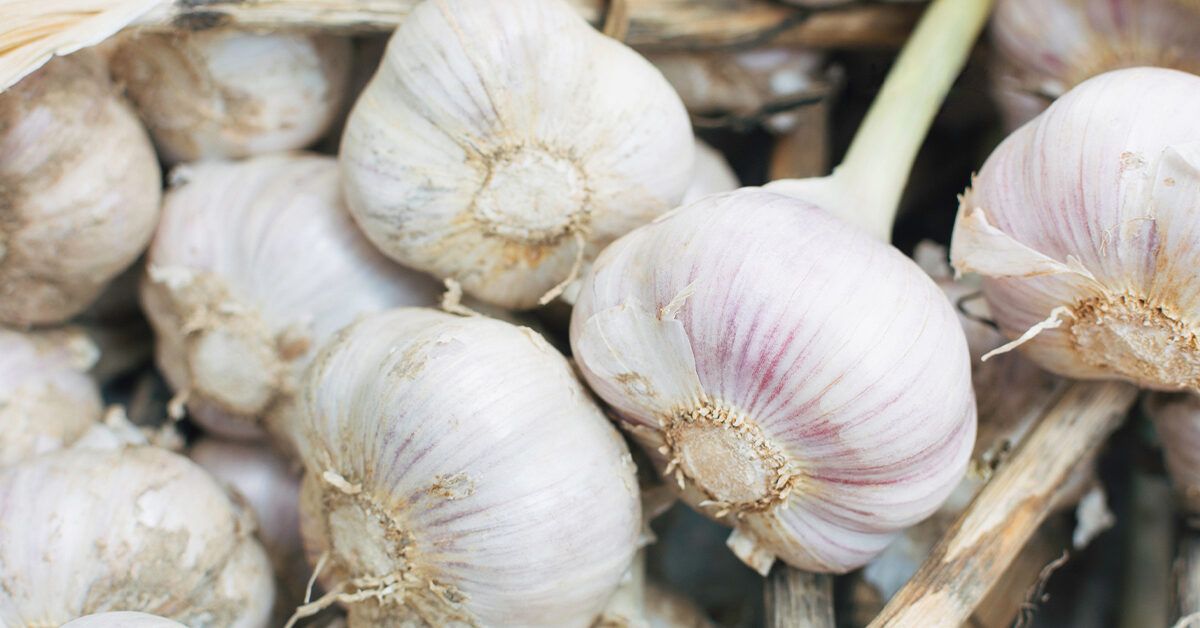
Many people consume garlic during cold and flu season.
Some research suggests that garlic may help support normal immune function through its bioactive compounds.
While garlic cannot prevent all illnesses, researchers have explored whether regular consumption may help the body's natural defense mechanisms function more effectively.
Maintaining a healthy immune system involves many factors, including sleep, exercise, nutrition, and stress management, but garlic may play a supportive role.
Potential Anti-Inflammatory Properties
Inflammation is a natural part of the body's defense system.
However, chronic inflammation has been associated with various long-term health concerns.
Certain compounds found in garlic have demonstrated anti-inflammatory effects in laboratory and animal studies, leading researchers to continue investigating their potential impact on human health.
Although more large-scale studies are needed, this remains one of the most promising areas of garlic research.
Raw Garlic vs. Garlic Supplements
One of the most common questions is whether raw garlic or garlic supplements are more effective.
Raw Garlic
Fresh garlic provides naturally occurring allicin and other compounds in their original form.
Many experts suggest that crushing or chopping garlic and allowing it to sit for several minutes before cooking may help maximize allicin formation.
Advantages include:
- Minimal processing
- Natural nutrient profile
- Easy incorporation into meals
However, some people find raw garlic difficult to tolerate due to its strong taste and potential digestive effects.
Garlic Supplements
Garlic supplements are widely available and may offer a convenient alternative.
Potential benefits include:
- Easier consumption
- Less noticeable odor
- Consistent dosing
However, the amount of active compounds can vary significantly among products.
Not all supplements are created equal, and some may not provide the same concentration of beneficial compounds as fresh garlic.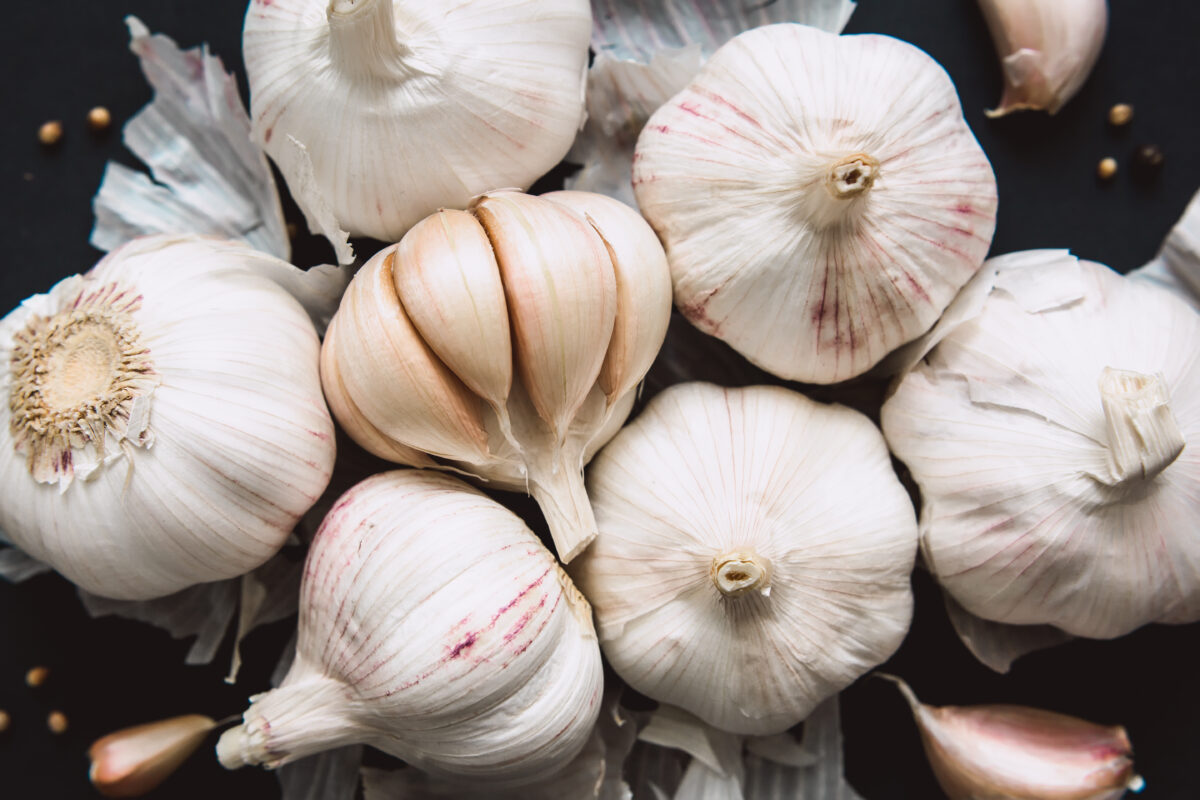
Can You Eat Too Much Garlic?
Although garlic is generally considered safe for most people when consumed in normal dietary amounts, excessive intake may cause side effects.
Possible issues include:
- Bad breath
- Digestive discomfort
- Heartburn
- Stomach irritation
Garlic may also interact with certain medications, particularly blood-thinning drugs.
Anyone taking prescription medications should consult a healthcare professional before using high-dose garlic supplements.
Easy Ways to Add Garlic to Your Diet
Adding garlic to meals is simple and affordable.
Popular options include:
- Mixing minced garlic into soups
- Adding it to roasted vegetables
- Incorporating it into sauces
- Using it in marinades
- Combining it with olive oil for dressings
These methods allow you to enjoy garlic's flavor while potentially benefiting from its nutritional compounds.
The Bottom Line
Garlic has earned its reputation as one of the most studied foods in nutrition science. Research suggests it may support heart health, provide antioxidant protection, promote normal immune function, and offer anti-inflammatory benefits.
Whether consumed raw, cooked, or as a supplement, garlic can be a valuable addition to a balanced diet. However, it should be viewed as one piece of a healthy lifestyle rather than a miracle cure.
As scientists continue exploring garlic's properties, one thing remains clear: this humble kitchen staple continues to prove that some of the most interesting health discoveries can come from everyday foods.