What You Can Do to Reduce Everyday Bruising
You can't prevent every bruise, but some habits may reduce accidental injuries.
Protect your skin
Be careful around furniture, sharp corners, and household equipment.
Exercise safely
Strength and balance exercises can help reduce falls and injuries, particularly as people age.
Maintain a balanced diet
Adequate protein, fruits, vegetables, and other nutrient-rich foods support healthy skin and blood vessels.
Review your medications
Don't stop prescribed blood thinners or other medications because you're bruising.
Instead, ask your healthcare professional whether your medication could explain the change.
Limit heavy alcohol consumption
Excessive alcohol can increase several factors associated with bruising and bleeding.
Protect fragile skin
Long sleeves and protective clothing can reduce minor trauma during gardening, housework, or outdoor activities.
Don't Automatically Blame a Vitamin Deficiency
One common mistake is assuming that every unexplained bruise means you need more vitamins.
It isn't that simple.
Taking high-dose vitamin supplements without knowing whether you're deficient can be unnecessary and, in some circumstances, harmful.
For example, supplements can interact with medications or create excessive intake of certain nutrients.
If your bruising is persistent or unusual, finding the underlying reason is more useful than randomly taking supplements.
A doctor can determine whether testing is appropriate.
What About "Detoxing" to Stop Bruising?
There's no need for a special detox diet simply because you've developed a bruise.
Your body already has systems for processing and removing blood products as bruises heal.
Instead of looking for a "detox" solution, focus on the basics:
-
Adequate nutrition
-
Good hydration
-
Moderate alcohol intake
-
Appropriate physical activity
-
Safe medication use
-
Regular medical care when needed
If bruising is caused by a medical problem, a detox drink won't address the underlying cause.
The Most Important Thing Is the Pattern
An unexplained bruise can be completely harmless.
You might have bumped your leg without noticing.
Your skin may simply be more fragile than it used to be.
A medication may be making minor injuries more visible.
But when bruising becomes new, frequent, unusually large, or associated with other bleeding, it deserves a closer look.
Think of the bruise as a clue—not a diagnosis.
Your body isn't necessarily warning you about something serious every time you see a purple mark.
But if the pattern has changed, it's worth paying attention.
Final Thoughts
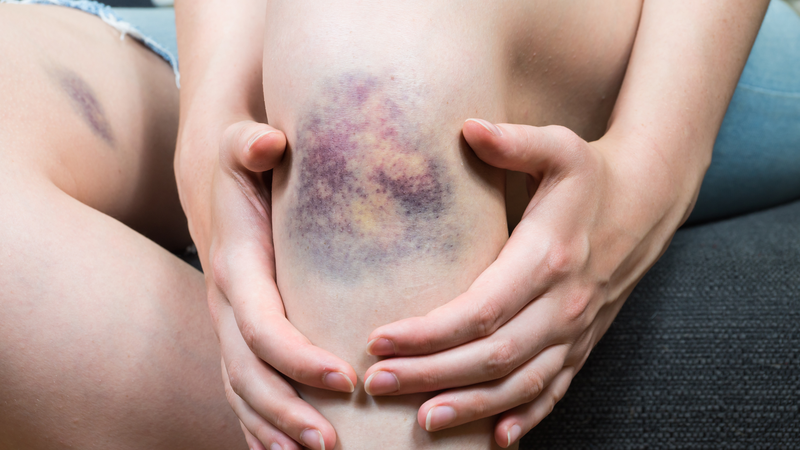
Bruises are one of the body's most visible responses to minor blood-vessel damage.
Most of the time, they heal naturally and disappear without treatment.
But unexplained or unusually frequent bruising can sometimes be associated with medications, aging-related skin changes, nutritional deficiencies, platelet abnormalities, clotting problems, liver disease, or other medical conditions.
The important distinction is between an occasional unexplained bruise and a persistent change in your normal bruising pattern.
If you're suddenly developing multiple large bruises, bruising very easily, or experiencing other unusual bleeding, don't simply ignore it.
And if bruising occurs alongside severe bleeding, neurological symptoms, fainting, significant trauma, or rapidly worsening swelling, seek urgent medical attention.
A bruise may be nothing more than a bruise.
But sometimes, paying attention to the pattern can help you recognize when your body deserves a closer look.