You wake up, get dressed, and notice a dark purple mark on your arm.
You don't remember bumping into anything.
A few days later, another bruise appears on your leg. Then another one seems to show up on your hand.
For many people, an occasional unexplained bruise is nothing serious. Minor bumps can happen without us noticing, especially during sleep, exercise, household chores, or everyday activities. As we get older, our skin and the small blood vessels beneath it can also become more fragile.
But if bruises suddenly become frequent, unusually large, painful, or difficult to explain, they may be worth paying attention to.
Bruising is usually a visible sign that small blood vessels beneath the skin have been damaged and leaked blood into surrounding tissue. The body normally repairs this damage on its own, causing the bruise to gradually change color before disappearing.
However, frequent or unusual bruising can sometimes be associated with medications, nutritional deficiencies, liver problems, platelet abnormalities, blood-clotting disorders, or other medical conditions.
The key is not to panic over one bruise but to recognize patterns that deserve medical attention.
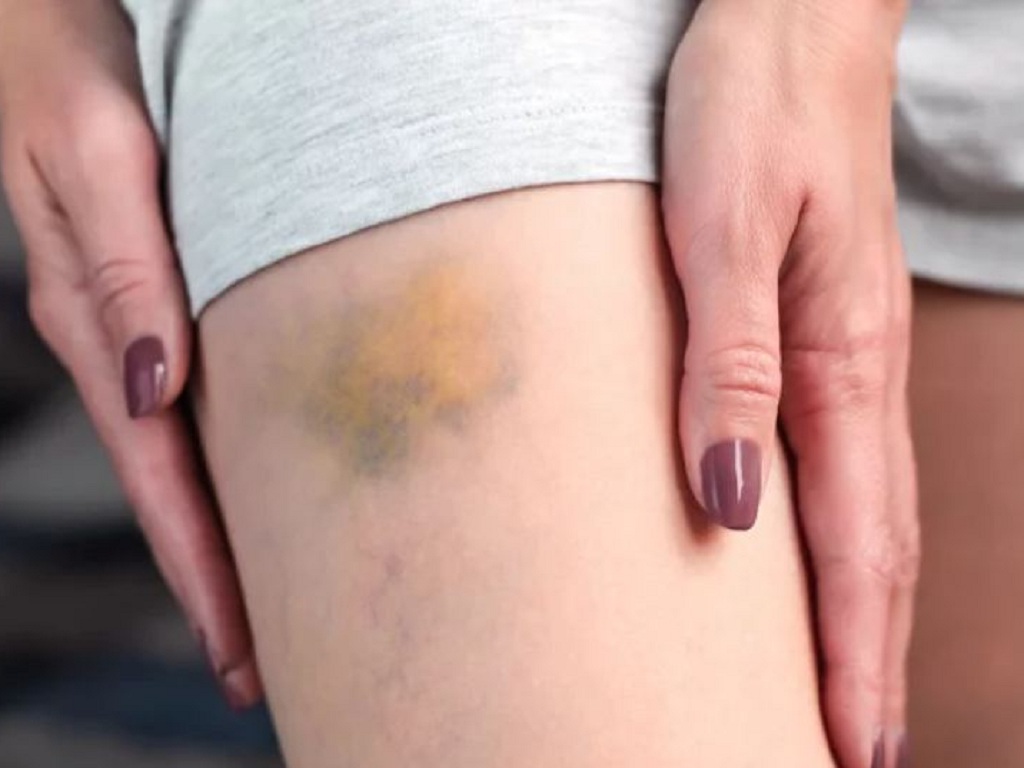
What Exactly Is a Bruise?
A bruise, medically called an ecchymosis, develops when small blood vessels called capillaries become damaged.
When these vessels break, a small amount of blood escapes into the tissues underneath the skin.
Because the blood is trapped beneath the surface, you see the familiar discoloration.
A fresh bruise may look:
-
Red
-
Pink
-
Purple
-
Blue
-
Dark brown
As the body breaks down and reabsorbs the blood, the color may change to greenish or yellowish before eventually returning to normal.
This changing color is generally part of the normal healing process.
Most ordinary bruises gradually improve over several days to a couple of weeks, although larger or deeper bruises can take longer.
Why Do Bruises Sometimes Appear Without You Remembering an Injury?
One of the most common explanations is surprisingly simple:
You probably bumped yourself and didn't notice.
Small impacts happen constantly.
You may hit your leg against a chair, bump your arm against a door frame, press against a countertop, or knock your knee against furniture.
If the injury is minor, you might not remember it at all.
This is especially common when bruises occur on areas such as:
-
Arms
-
Legs
-
Hands
-
Hips
-
Shins
People who are physically active may also develop bruises without remembering the exact moment of impact.
Exercise can involve repeated pressure, friction, or minor muscle and tissue injuries that aren't memorable individually.
So an isolated unexplained bruise doesn't automatically indicate an underlying disease.
The pattern is much more important.
1. Aging Can Make You Bruise More Easily
As people get older, bruising can become more common.
One reason is that the skin gradually becomes thinner and loses some of its protective fatty layer.
That layer normally provides cushioning between the skin and the small blood vessels underneath.
With less cushioning, minor bumps may cause more noticeable vessel damage.
Blood vessels themselves can also become more fragile with age.
As a result, an impact that would have caused little or no visible mark years earlier may produce a prominent bruise later in life.
This type of bruising is often seen on the backs of the hands and forearms.
It doesn't necessarily mean something is wrong.
However, a sudden dramatic increase in bruising should still be discussed with a healthcare professional, particularly if it occurs alongside other symptoms.
2. Your Medications Could Be Playing a Role
Certain medications can make bruising easier.
This is one of the most important explanations to consider when someone suddenly starts noticing more bruises.
Blood-thinning medications
Drugs such as anticoagulants and antiplatelet medications are designed to reduce the formation of harmful blood clots.
Examples include medications such as:
-
Warfarin
-
Apixaban
-
Rivaroxaban
-
Aspirin
-
Clopidogrel
Because these medications affect blood clotting or platelet function, even minor vessel damage can sometimes result in more visible bleeding beneath the skin.