Eating These 5 Foods for Dinner Regularly? Your Kidneys May Be Affected
5 Popular Dinner Choices That Could Put Extra Stress on Your Kidneys
⏱️ 1 min read 12/08/2026 10:56
Ginger has been used in cooking and traditional medicine for thousands of years. Its distinctive spicy flavor makes it a popular ingredient in teas, soups, stir-fries, marinades, and many other dishes.
Today, ginger is also widely studied for its potential health benefits. Researchers have investigated compounds in ginger for their effects on digestion, nausea, inflammation, blood sugar, and cardiovascular health.
But despite its long history and promising research, ginger should not be viewed as a miracle cure. It is best understood as a nutritious food that may support certain aspects of health when included as part of a balanced diet.
So what happens when you regularly include ginger in your meals or drinks?
Here are some of the potential benefits worth knowing.

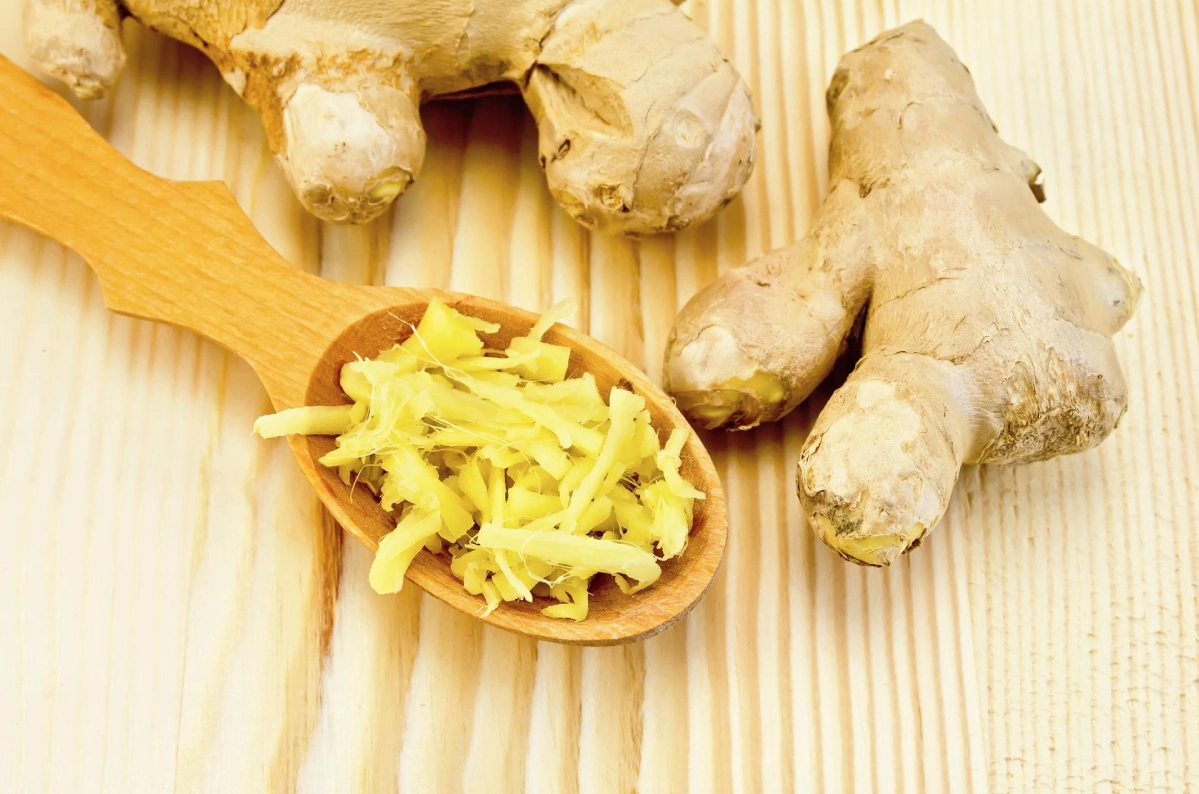
Ginger comes from the underground stem, or rhizome, of the plant Zingiber officinale.
Its characteristic flavor comes from several bioactive compounds, particularly:
Gingerols
Shogaols
Zingerone
Other naturally occurring plant compounds
These substances are responsible for much of ginger's flavor, aroma, and biological activity.
Fresh ginger and dried ginger can have somewhat different chemical profiles because processing can change the relative amounts of these compounds.
One of ginger's best-known traditional uses is for digestive discomfort.
Ginger may influence gastrointestinal movement and gastric emptying, which could help some people experience less:
Bloating
Fullness
Mild indigestion
Digestive discomfort
It has also been studied for its potential effects on nausea.
However, digestive symptoms have many possible causes. If bloating, abdominal pain, persistent nausea, or changes in bowel habits continue, ginger should not be used as a substitute for medical evaluation.
Perhaps the strongest area of evidence surrounding ginger involves nausea.
Research has investigated ginger for nausea associated with several situations, including:
Pregnancy-related nausea
Motion sickness
Postoperative nausea
Certain treatment-related nausea
Results vary depending on the situation, dose, and individual.
For pregnancy-related nausea in particular, people should discuss supplements with their healthcare professional before using them regularly.
Ginger may be useful for some people, but it isn't appropriate to assume that it will eliminate all forms of nausea.
Ginger contains bioactive compounds that have demonstrated anti-inflammatory activity in laboratory and experimental research.
Chronic inflammation is involved in many health conditions, including cardiovascular and metabolic disorders.
This has led researchers to investigate whether ginger could have meaningful effects in humans.
Some studies suggest potential benefits, but the evidence isn't strong enough to describe ginger as a treatment for inflammatory disease.
The practical takeaway is simpler:
Ginger can be one component of a diet rich in plant foods and naturally occurring phytochemicals.
Oxidative stress occurs when the production of reactive molecules exceeds the body's ability to neutralize them.
Ginger contains compounds with antioxidant activity.
These include gingerols and related substances.
Antioxidants are part of the body's defense systems, but eating an antioxidant-rich food doesn't mean you can completely prevent oxidative stress or disease.
A variety of fruits, vegetables, herbs, spices, nuts, seeds, and whole grains provides a much broader range of protective plant compounds.
Some research has examined ginger's potential effect on exercise-related muscle soreness.
Certain studies have reported modest reductions in muscle pain or soreness after consuming ginger regularly.
The effect, however, appears to be relatively modest and shouldn't be compared with medical treatment or recovery fundamentals.
If you're physically active, the most important factors remain:
Appropriate training
Adequate rest
Sufficient protein
Good hydration
Adequate calories
Gradual progression
Ginger may be a useful addition, but it isn't a substitute for recovery.
Researchers have investigated ginger's potential effects on:
Blood glucose
Insulin sensitivity
Blood lipids
Body composition
Some small clinical studies have reported favorable changes in certain metabolic markers.
However, the evidence remains mixed and isn't sufficient to say that ginger prevents or treats diabetes.
If you have diabetes, ginger should be considered a food—not a replacement for prescribed medication, blood-glucose monitoring, exercise, or a medically appropriate diet.
Ginger has also attracted research interest because cardiovascular health is closely connected with inflammation, blood sugar, and blood lipid levels.
Some studies have investigated whether ginger supplementation could influence:
Triglycerides
Total cholesterol
LDL cholesterol
Blood pressure
The findings are promising in some areas but inconsistent overall.
A much stronger strategy for cardiovascular health is still the combination of:
Regular exercise + healthy body weight + high-fiber foods + appropriate fat intake + limited sodium + no smoking + appropriate medical treatment.
Ginger can fit into that pattern without being treated as a miracle ingredient.

This benefit is easy to overlook.
Healthy eating becomes much easier to maintain when food actually tastes good.
Fresh ginger adds strong flavor without requiring large amounts of:
Salt
Sugar
Heavy sauces
Saturated fat
You can use it in:
Vegetable stir-fries
Soups
Fish dishes
Chicken
Tofu
Rice dishes
Homemade dressings
Herbal teas
For people trying to reduce sodium, herbs and spices can be particularly useful for making meals more flavorful.
One popular way to consume ginger is as a tea.
Simply slice or grate fresh ginger and steep it in hot water.
You can add:
Lemon
Mint
A small amount of honey
Keep in mind that adding large amounts of honey or sugar turns a simple ginger drink into a sugary beverage.
If you're watching blood glucose or calorie intake, use little or no added sweetener.
Both fresh and dried ginger can be useful.
Fresh ginger has a bright, pungent flavor and works well in:
Stir-fries
Soups
Sauces
Teas
Marinades
Ground ginger is convenient for:
Oatmeal
Baking
Spice blends
Smoothies
Warm beverages
The chemical composition differs between fresh and dried ginger, so they aren't nutritionally identical.
There's no need to choose one exclusively.
The biggest benefit of ginger may not come from a single compound.
Instead, it can help make a generally healthy diet more appealing.
Consider a meal containing:
Broccoli + carrots + tofu + ginger + garlic + brown rice
Compared with a heavily processed meal, this combination provides:
Fiber
Protein
Complex carbohydrates
Vitamins
Minerals
Plant compounds
Ginger adds flavor while contributing relatively little energy.
That makes it a useful ingredient in a nutrient-dense diet.
There is no universally recommended daily amount of ginger for healthy adults.
The amount used in cooking is generally modest.
Supplement studies often use substantially higher amounts than people would normally consume as a spice.
This distinction matters because more isn't automatically better.
If you're simply using ginger in cooking or making occasional tea, you generally don't need to measure it precisely.
If you're considering concentrated ginger supplements, discuss the appropriate amount with a healthcare professional.
Yes.
Large amounts of ginger can cause side effects in some people, including:
Heartburn
Stomach discomfort
Diarrhea
Mouth irritation
Abdominal discomfort
If ginger consistently causes digestive symptoms, reduce the amount or stop using it.
People with sensitive digestive systems may tolerate small culinary amounts better than concentrated supplements.
This is an important consideration.
Ginger may have effects on platelet aggregation, although the clinical significance at normal dietary amounts is uncertain.
People taking medications that affect blood clotting should be cautious with large supplemental doses of ginger.
If you take anticoagulants or antiplatelet medications, ask your healthcare professional before using concentrated ginger supplements.
Do not stop prescribed medication simply because you're concerned about a possible interaction.
Because concentrated ginger supplements may potentially influence bleeding, people preparing for surgery should discuss supplement use with their medical team.
Your doctor may recommend stopping certain supplements before an operation.
The exact recommendation depends on the procedure, medication list, and individual health status.
Again, ordinary culinary use is different from high-dose supplementation.
Ginger has been studied for pregnancy-related nausea and may help some people.
However, pregnancy is a situation where supplements should be discussed with a healthcare professional.
If you're pregnant, particularly if you have severe vomiting, dehydration, weight loss, or difficulty keeping food and fluids down, don't rely solely on ginger.
Persistent or severe pregnancy-related vomiting requires medical attention.
One of the most common claims surrounding ginger is that it can "flush toxins" from the body.
That's misleading.
Your body already has sophisticated systems involving the:
Liver
Kidneys
Digestive tract
Lungs
Skin
These organs continuously process and eliminate waste products.
Ginger can be part of a healthy diet, but there is no need to use ginger drinks as a detox treatment.
If you have:
Diabetes
High blood pressure
High cholesterol
Arthritis
Digestive disease
Cardiovascular disease
don't replace prescribed treatment with ginger.
A food can support a healthy lifestyle without being a medical treatment.
If you're considering ginger because you've heard it can lower blood sugar, blood pressure, or cholesterol, discuss it with your healthcare professional—especially if you're already taking medication.
You don't need complicated recipes.
Add a small amount of grated ginger to warm water or tea.
Add ground ginger to oatmeal with berries.
Use fresh ginger in a vegetable stir-fry.
Combine ginger with garlic, soy sauce or a lower-sodium alternative, and vegetables.
Add a small amount of ginger to a homemade yogurt or fruit-based dish.
The goal is regular culinary use rather than consuming large quantities.
Try this basic preparation:
Ingredients:
1–2 thin slices of fresh ginger
1 cup of hot water
Lemon, optional
Small amount of honey, optional
Method:
Place the ginger in a cup and pour hot water over it. Allow it to steep for several minutes.
Add lemon if desired.
If you're limiting added sugar, skip the honey.
This provides a simple way to enjoy ginger without turning it into a high-calorie drink.
Ginger is sometimes marketed as a "fat-burning" ingredient.
The evidence doesn't justify that claim.
Some research has explored possible effects on appetite, thermogenesis, and metabolism, but any effects appear to be modest.
Drinking ginger tea doesn't automatically cause body fat to disappear.
If you're trying to lose weight, focus on:
Appropriate calorie intake
Protein-rich foods
Fiber-rich foods
Regular physical activity
Adequate sleep
Sustainable eating habits
Ginger can add flavor to this lifestyle, but it isn't a shortcut.
The immune system requires adequate nutrients to function normally.
Ginger contains plant compounds that have demonstrated antioxidant and anti-inflammatory activity in experimental studies.
But saying that ginger "boosts immunity" can be misleading.
Your immune system isn't a switch that can simply be turned up.
A healthier way to think about it is:
Ginger can be part of a nutrient-rich diet that supports normal immune function.
Other important factors include:
Adequate sleep
Balanced nutrition
Physical activity
Vaccination where appropriate
Good hygiene
Management of chronic disease
Warm ginger tea can feel soothing when you're dealing with a cold or irritated throat.
The warmth and fluid may help with comfort and hydration.
However, ginger doesn't cure viral respiratory infections.
If symptoms are severe, persistent, or accompanied by difficulty breathing, chest pain, confusion, or other concerning signs, seek medical care.
Extra caution may be appropriate for people who:
Take anticoagulants or antiplatelet medications
Have a bleeding disorder
Are preparing for surgery
Have severe acid reflux
Develop significant digestive symptoms from ginger
Are pregnant and considering concentrated supplements
Take multiple medications that could interact with supplements
This doesn't mean these people can never consume ginger as food.
The main concern is often concentrated or high-dose supplementation.
No. Ginger may help some types of nausea or digestive discomfort, but persistent symptoms need evaluation.
Your liver already performs detoxification and metabolic functions. Ginger doesn't "flush" it.
Large amounts can cause side effects.
There is no basis for replacing prescribed medication with ginger.
There isn't strong evidence that ginger alone produces meaningful weight loss.
Natural products can interact with medications and can cause adverse effects.
Instead of asking:
"How much ginger do I need to take to become healthier?"
consider:
"How can I use ginger to make a healthy diet more enjoyable?"
That's a much more realistic approach.
Use it to add flavor to vegetables.
Add it to soups.
Combine it with garlic and herbs.
Make an unsweetened tea.
Use it in marinades.
Small culinary habits can be easier to maintain than extreme supplement routines.
Ginger is a flavorful and versatile root containing biologically active compounds such as gingerols and shogaols.
Research suggests it may have potential benefits related to:
Nausea
Digestion
Inflammation
Oxidative stress
Some aspects of metabolic health
But the evidence varies by condition, and ginger should not be presented as a cure or miracle treatment.
For most healthy adults, using moderate amounts of ginger in cooking or beverages can be a simple way to add flavor and variety to the diet.
If you're considering high-dose ginger supplements, especially while taking medication, talk with a healthcare professional first.
Ginger has earned its reputation as a versatile ingredient for good reason. Its distinctive flavor, long culinary history, and interesting bioactive compounds make it a worthwhile addition to many diets.
But the biggest lesson isn't that you need to consume huge amounts of ginger every day.
It's that small, sustainable dietary choices can add up.
Use fresh ginger in a vegetable stir-fry. Add a little to soup. Enjoy ginger tea without excessive sugar. Mix ground ginger into oatmeal or another nutritious breakfast.
At the same time, don't let online health claims convince you that ginger can replace medical treatment or "cleanse" your body.
Ginger can support a healthy lifestyle—but it works best as one ingredient in a much bigger picture that includes nutritious food, regular movement, adequate sleep, and appropriate medical care.
5 Popular Dinner Choices That Could Put Extra Stress on Your Kidneys
Curcumin and Turmeric: What This Powerful Spice May Do for Your Health
Your Kidneys May Be Warning You: Early Signs and Prevention Tips
6 Foods That May Support a Healthy Liver: 4 Vegetables and 2 Fruits


Tiny Red Spots on Your Skin? Understanding the Possible Causes

A simple boiled banana habit may support digestion, energy, and heart health.
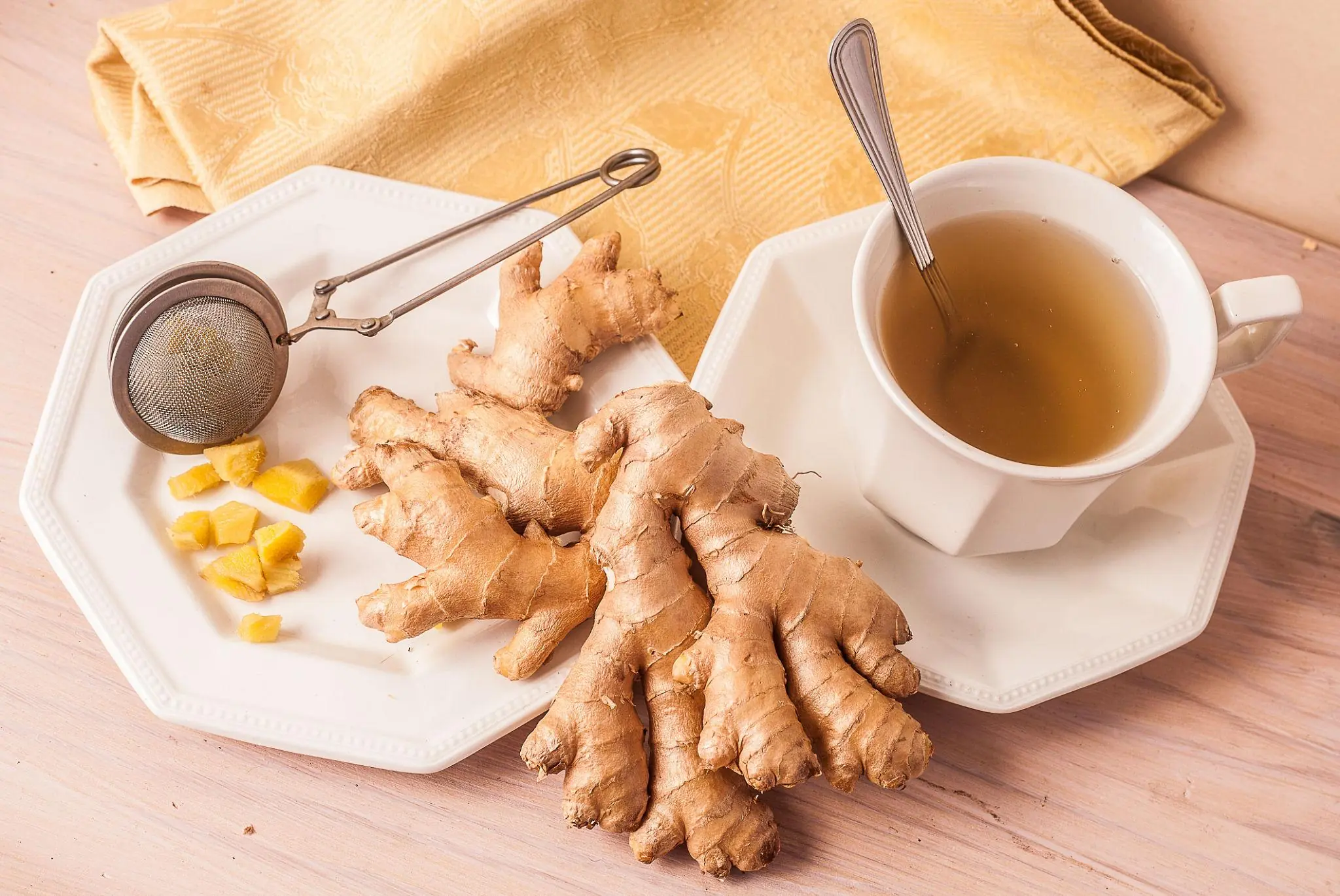
Ginger is widely praised for its health benefits, but consuming too much may cause unexpected side effects and health concerns.

What your skin may be trying to tell you
Strange to Some, Nutritious to Millions

A Simple Shopping Habit That Could Help Protect Your Family's Health

What to ask your doctor before a colonoscopy: The most important question

Waking up like this? You should pay attention

The Truth About Breast Size and Hormones May Surprise You

Japan’s Proven Approach to Drying Bulky Clothes Quickly and Effectively

That Buzzing Sound in Your Ear Could Mean More Than You Think
Cabbage Can Be Healthy—But Not for Everyone. Here's Why

3 Effective Ways to Prevent Snakes From Entering Your House That Everyone Should Know
You may already know cloves, but you probably haven’t discovered how powerful clove water really is
Loyalty is not staying when it is easy. It is returning when everyone else is leaving.
5 Popular Dinner Choices That Could Put Extra Stress on Your Kidneys
Curcumin and Turmeric: What This Powerful Spice May Do for Your Health
The Soldier Who Missed His Daughter’s Birthday
Your Kidneys May Be Warning You: Early Signs and Prevention Tips
The Rank Between Us
They laughed at the old soldie until he jumped into the flood.
THEY LAUGHED AT THE OLD MAN
6 Foods That May Support a Healthy Liver: 4 Vegetables and 2 Fruits
The Soldier and the Earthquake
Tiny Red Spots on Your Skin? Understanding the Possible Causes
The firefighters said everyone was out but one soldier heard a child crying.
The firefighters said everyone was out but one soldier heard a child crying.
A Simple Puzzle, A Surprising Look Into Your Personality
A simple boiled banana habit may support digestion, energy, and heart health.
Ginger is widely praised for its health benefits, but consuming too much may cause unexpected side effects and health concerns.
What your skin may be trying to tell you