Ginger is one of the most widely used spices in the world. Fresh ginger appears in soups, stir-fries, teas, smoothies, sauces, and countless traditional remedies. Ginger supplements and concentrated “ginger shots” have also become increasingly popular among people looking for natural ways to support digestion, reduce nausea, or improve general wellness.
And there are legitimate reasons for ginger's healthy reputation.
Ginger contains biologically active compounds such as gingerols and shogaols, which have been studied for antioxidant, anti-inflammatory, digestive, and metabolic effects. Research also supports ginger for certain types of nausea, and some studies suggest possible modest effects on blood glucose, blood pressure, and other metabolic markers.
But there's an important detail that often disappears from social-media health advice:
Natural doesn't automatically mean appropriate for everyone.
For most healthy adults, normal culinary amounts of ginger are generally well tolerated. Problems are more likely with large amounts, concentrated extracts, or supplements, particularly when someone has an underlying medical condition or takes medication.
Here are seven situations where extra caution may be appropriate.
First: Eating Ginger and Taking Ginger Supplements Aren't the Same Thing
This distinction matters throughout the article.
Adding a little fresh ginger to dinner isn't equivalent to swallowing several concentrated ginger capsules every day.
Supplements may deliver much larger quantities of ginger compounds than you would normally consume in food.
The higher the dose, the greater the possibility of:
-
Heartburn
-
Stomach discomfort
-
Diarrhea
-
Medication interactions
-
Other unwanted effects
So when we talk about being “careful with ginger,” it doesn't necessarily mean someone must completely eliminate ginger from their food.
Often, the bigger concern is high-dose or supplemental ginger.
1. People Taking Blood-Thinning Medications
One of the most frequently discussed concerns involves medications that affect blood clotting.
Ginger has been investigated for potential effects on platelet function and coagulation. The clinical importance of these effects at ordinary dietary doses isn't completely clear, but concentrated supplements deserve greater caution.
This becomes especially relevant for people taking anticoagulant or antiplatelet medications.
These medications may be prescribed to prevent:
-
Stroke
-
Heart attack
-
Deep-vein thrombosis
-
Pulmonary embolism
-
Blood clots associated with atrial fibrillation
-
Clotting after certain cardiovascular procedures
Examples include warfarin and various newer anticoagulants, as well as antiplatelet medications such as clopidogrel.
Why Could This Be a Problem?
Blood-thinning medications are carefully dosed to reduce inappropriate clot formation without creating excessive bleeding risk.
If a supplement also influences platelet activity or clotting, there is a theoretical or potential concern that the combination could increase bleeding risk.
This doesn't mean everyone taking an anticoagulant must avoid ginger-containing food.
A few slices of ginger in a meal are very different from concentrated ginger extract.
The practical rule is:
If you take medication affecting blood clotting, don't start high-dose ginger supplements without checking with your doctor or pharmacist.
Signs of Abnormal Bleeding
Seek medical advice if you develop unusual:
-
Bruising
-
Frequent nosebleeds
-
Bleeding gums
-
Blood in urine
-
Blood in stool
-
Black, tarry stools
-
Prolonged bleeding from small cuts
Vomiting blood or experiencing significant uncontrolled bleeding requires urgent medical attention.
Don't assume ginger is necessarily responsible, but these symptoms shouldn't be ignored.
2. People With Gallstones or Certain Gallbladder Problems
The gallbladder is a small organ located beneath the liver.
Its main job is to store and concentrate bile, a digestive fluid produced by the liver that helps the body digest fats.
Ginger has sometimes been discussed as potentially influencing bile production or gallbladder activity.
For most people, this isn't necessarily a problem.
But someone with known gallstones or certain biliary conditions may want to be cautious with large medicinal quantities or concentrated supplements.
What Are Gallstones?
Gallstones are hardened deposits that develop inside the gallbladder.
Many people have gallstones without symptoms.
Problems can occur when a stone blocks the flow of bile.
A gallbladder attack may cause:
-
Sudden upper-right abdominal pain
-
Pain after a fatty meal
-
Pain spreading toward the back or right shoulder
-
Nausea
-
Vomiting
Symptoms can last from minutes to several hours.
When Gallbladder Symptoms Become Urgent
Seek prompt medical care if abdominal pain is severe or accompanied by:
-
Fever
-
Chills
-
Yellow skin or eyes
-
Persistent vomiting
-
Dark urine
-
Pale stools
These symptoms may indicate complications such as gallbladder inflammation or bile-duct obstruction.
Ginger tea isn't an appropriate treatment for an obstructed bile duct.
3. People With Frequent Heartburn or Acid Reflux
Interestingly, ginger is often promoted as a digestive aid.
And for some people, it can indeed be soothing.
But other people experience exactly the opposite.
Larger amounts of ginger can sometimes cause:
-
Heartburn
-
Burning in the chest
-
Stomach irritation
-
Belching
-
General digestive discomfort
This may be particularly relevant for people with gastroesophageal reflux disease (GERD).
What Does GERD Feel Like?
Common symptoms include:
-
Burning behind the breastbone
-
Sour taste in the mouth
-
Acid coming into the throat
-
Chronic cough
-
Hoarseness
-
Symptoms worsening after large meals
-
Symptoms worsening while lying down
If ginger consistently makes these symptoms worse, there is no health benefit in forcing yourself to consume it.
Try reducing the amount or avoiding concentrated forms.
Raw Ginger May Be More Irritating
Some viral wellness routines encourage chewing large pieces of raw ginger first thing in the morning.
That's unnecessary.
Raw ginger can be intensely spicy and may irritate the mouth, throat, or stomach in sensitive individuals.
You can instead use a smaller amount:
-
Cooked into food
-
Steeped in tea
-
Mixed with meals
There is no proven advantage to making your stomach burn.
4. People Taking Diabetes Medication
Ginger has been investigated for potential effects on glucose metabolism.
Some clinical studies suggest that ginger supplementation may modestly improve certain measures of blood glucose control in people with type 2 diabetes.
That sounds beneficial—and potentially it can be.
But when someone is already taking glucose-lowering medication, the situation deserves more attention.
Why?
Diabetes medications are designed to lower blood glucose.
If a supplement also has glucose-lowering effects, combining the two could theoretically contribute to blood glucose becoming lower than intended in some circumstances.
This is particularly important for people taking medications that already carry a meaningful risk of hypoglycemia.
What Does Low Blood Sugar Feel Like?
Possible symptoms include:
-
Shaking
-
Sweating
-
Hunger
-
Dizziness
-
Weakness
-
Palpitations
-
Irritability
-
Difficulty concentrating
More severe hypoglycemia can cause:
-
Confusion
-
Seizures
-
Loss of consciousness
People taking diabetes medication should know how their medication affects hypoglycemia risk and how to treat low glucose appropriately.
Do People With Diabetes Need to Avoid Ginger?
Usually not automatically.
Using ginger as a spice or drinking unsweetened ginger tea may fit perfectly well into many diabetes-friendly eating patterns.
The greater concern is suddenly beginning high-dose ginger supplements while taking medication.
If you're interested in concentrated ginger products, discuss them with your healthcare professional and monitor blood glucose appropriately.
And never stop diabetes medication because an online post says ginger can “reverse diabetes.”
5. People With Low Blood Pressure or Those Taking Blood Pressure Medication
Some research has explored ginger's potential effects on blood pressure.
Results vary, but ginger supplementation may modestly lower blood pressure in some people.
For someone with hypertension, that might sound desirable.
However, someone who already has relatively low blood pressure—or who takes several blood-pressure-lowering medications—should be cautious about adding concentrated supplements that may have additional effects.
Symptoms of Blood Pressure That Is Too Low
Possible symptoms include:
-
Dizziness
-
Lightheadedness
-
Blurred vision
-
Weakness
-
Fatigue
-
Feeling faint
Some people particularly notice symptoms when standing up quickly.
This is known as orthostatic hypotension when blood pressure drops significantly with position changes.
Don't Replace Blood Pressure Medication With Ginger
This deserves emphasis.
Even if ginger has modest blood-pressure effects, it isn't a substitute for proven hypertension treatment.
Untreated high blood pressure increases the risk of:
-
Stroke
-
Heart attack
-
Heart failure
-
Kidney disease
If your blood pressure improves while you're taking medication, don't stop the medication without consulting the clinician managing it.
The medication may be exactly why the readings have improved.
6. People Preparing for Surgery
If you're scheduled for surgery, your medical team needs to know about all supplements and herbal products you're taking.
That includes ginger supplements.
Why?
Because supplements may potentially affect:
-
Blood clotting
-
Blood glucose
-
Blood pressure
-
Anesthesia
-
Other medications used around surgery
The effects can vary considerably depending on the supplement and dose.
Don't Assume Herbal Products Don't Count
When a surgeon or anesthesiologist asks:
“What medications are you taking?”
many people mention their prescription medications but forget:
-
Herbal supplements
-
Vitamins
-
Weight-loss products
-
Pre-workout products
-
Traditional remedies
That's a mistake.
Tell your medical team everything you regularly consume in supplemental form.
Should Ginger Be Stopped Before Surgery?
Don't choose an arbitrary number of days based on social-media advice.
Recommendations vary depending on:
-
Dose
-
Product
-
Procedure
-
Medical history
-
Other medications
Your surgeon or anesthesiology team can tell you exactly what to stop and when.
Normal amounts of ginger used in food are different from concentrated extracts.
7. People With Sensitive Stomachs or Those Consuming Large Amounts
Even if you have none of the conditions above, ginger can still cause side effects when consumed excessively.
Common gastrointestinal reactions may include:
-
Heartburn
-
Abdominal discomfort
-
Gas
-
Diarrhea
-
Mouth irritation
This is particularly likely with concentrated ginger shots, raw ginger, or high-dose supplements.
The “More Is Better” Trap
Imagine reading that ginger has anti-inflammatory compounds.
A reasonable response might be:
“I'll add some ginger to my meals.”
An unreasonable conclusion would be:
“If one teaspoon is healthy, ten tablespoons must be ten times healthier.”
Nutrition doesn't work that way.
Biologically active compounds can produce both benefits and side effects.
Dose matters.
What About Ginger Shots?
Ginger shots have become extremely popular on social media.
They often contain concentrated combinations of:
-
Ginger
-
Lemon
-
Turmeric
-
Cayenne pepper
-
Apple juice
A small shot may be fine for many healthy adults.
But concentrated drinks can be harsh on sensitive stomachs.
Some commercial products also contain significant amounts of fruit juice or added sugars.
If you're buying packaged ginger shots, check the ingredient label.
Do Ginger Shots “Detox” the Body?
No.
Your body already has sophisticated systems for processing and eliminating substances.
Your:
-
Liver
-
Kidneys
-
Lungs
-
Gastrointestinal tract
perform these functions continuously.
Ginger contains useful phytochemicals, but it doesn't physically flush toxins from your organs.
If a ginger drink helps you replace a sugary soda, that's a positive dietary change.
But the benefit isn't because your liver has been “cleansed.”
Is Ginger Safe During Pregnancy?
Ginger is commonly used to help manage pregnancy-related nausea, and research supports its usefulness in some circumstances.
However, pregnancy is also a situation where supplement use deserves additional caution.
Food-level quantities and ginger tea may differ considerably from concentrated extracts.
Pregnant individuals should discuss regular high-dose supplement use with their healthcare professional, especially if they:
-
Take medications
-
Have bleeding problems
-
Have pregnancy complications
The same principle applies here:
Dose and individual medical context matter.
What About Breastfeeding?
Culinary ginger is generally consumed in many cultures during breastfeeding.
But there is less reason to use highly concentrated supplements without a clear purpose.
If you're breastfeeding and considering a high-dose herbal product, discuss it with a healthcare professional.
Again, “natural” doesn't guarantee that a concentrated supplement has been extensively studied in every population.
Ginger and Kidney Disease
People with chronic kidney disease often need individualized dietary and medication plans.
Ginger itself isn't automatically prohibited for everyone with kidney disease.
But kidney disease changes how the body handles many substances and medications.
People with advanced kidney disease are also frequently taking multiple prescription drugs.
Therefore, concentrated supplements should be discussed with the healthcare team managing the kidney condition.
Don't assume that an herbal “kidney detox” containing ginger is beneficial.
Some unregulated herbal products can actually harm the kidneys.
Ginger and Liver Disease
Normal culinary ginger isn't generally considered harmful to the liver in healthy people.
But people with significant liver disease should be cautious about multi-ingredient herbal supplements.
A product marketed as:
“Ginger detox”
may contain many other compounds besides ginger.
Some herbal and dietary supplements have been associated with liver injury.
If you have cirrhosis, hepatitis, or another chronic liver condition, tell your healthcare provider about every supplement you take.
Can Ginger Interact With Other Supplements?
Potentially.
People often combine ginger with other supplements believed to influence inflammation or circulation, such as:
-
Turmeric
-
Garlic extracts
-
Ginkgo
-
Fish oil
The clinical significance varies depending on dose and product.
But taking multiple concentrated supplements simultaneously makes interactions harder to predict.
If you're taking prescription medication, show your pharmacist the complete supplement list rather than evaluating each product separately.
How Much Ginger Is Too Much?
There isn't a single perfect dose that applies to everyone.
Tolerance depends on:
-
Body size
-
Gastrointestinal sensitivity
-
Medications
-
Medical conditions
-
Whether ginger is consumed as food or extract
For most healthy people, ordinary culinary use is very different from taking high-dose supplements every day.
If ginger causes persistent:
-
Heartburn
-
Diarrhea
-
Abdominal pain
-
Mouth irritation
that's a pretty clear signal to reduce your intake.
You don't need to reach a specific numerical limit before listening to your body.
Fresh Ginger vs. Supplements
Here's an easy way to think about it.
Fresh Ginger
Typically used in relatively small amounts.
Examples:
-
Ginger tea
-
Soup
-
Stir-fries
-
Curries
-
Smoothies
For most healthy people, this is generally well tolerated.
Ginger Supplements
These may contain concentrated powders or extracts.
Because doses can be much higher, supplements deserve more caution—particularly if you take medication or have a chronic health condition.
Does Cooking Ginger Make It Safer?
Cooking can change some of ginger's chemical compounds and may make the flavor less intense.
For people with sensitive stomachs, cooked ginger may also feel gentler than chewing raw ginger.
But cooking doesn't eliminate every possible medication interaction.
If the issue is high-dose supplemental ginger, switching preparation methods isn't necessarily the solution.
Is Ginger Tea Safe Every Day?
For many healthy adults, moderate amounts of ginger tea can be part of a normal diet.
Problems often arise when people turn a simple drink into an extreme routine.
For example:
Small amount of ginger + hot water
is very different from:
Huge quantity of raw ginger + turmeric extract + cayenne + multiple supplements every morning.
More ingredients don't automatically mean more health benefits.
What About Ginger and Lemon Water?
Ginger and lemon water can be a pleasant beverage.
It provides flavor and can encourage hydration.
But it isn't necessary to drink it on an empty stomach.
And it doesn't become more effective because you consume it at exactly 7 AM.
If drinking ginger before breakfast causes reflux or nausea, have it with food or later in the day.
Timing is far less important than tolerance.
Signs Ginger May Not Agree With You
Consider reducing or stopping concentrated ginger if you repeatedly experience:
-
Heartburn
-
Burning in the stomach
-
Diarrhea
-
Abdominal discomfort
-
Mouth or throat irritation
-
Unusual dizziness
If you develop significant bleeding, fainting, severe abdominal pain, or other serious symptoms, seek medical care rather than assuming it is a normal “detox reaction.”
There Is No Such Thing as a “Detox Reaction” You Need to Endure
This is worth mentioning because it's common online.
Sometimes people experience diarrhea, vomiting, headaches, or severe abdominal discomfort after taking a concentrated herbal product and are told:
“That's just toxins leaving your body.”
That isn't a reliable medical explanation.
Symptoms may represent:
-
Irritation
-
Dehydration
-
Side effects
-
Medication interactions
-
An unrelated illness
Severe symptoms shouldn't be celebrated as proof that a remedy is “working.”
Who Can Usually Enjoy Ginger?
Most healthy adults can enjoy normal culinary amounts of ginger without problems.
A few easy options include:
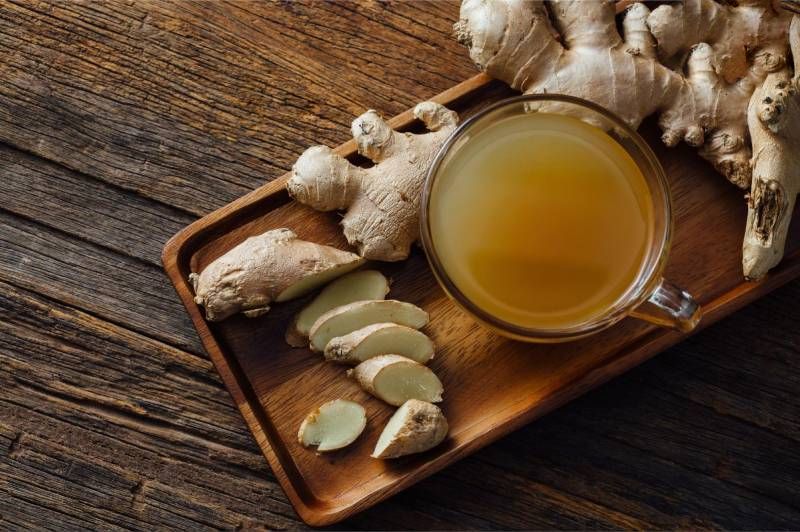
Fresh ginger tea
Grated ginger in oatmeal
Ginger added to soup
Ginger in vegetable stir-fries
Ginger in marinades
Small amounts in smoothies
You don't need expensive supplements to obtain ginger's plant compounds.
7 Situations to Remember
If you regularly consume ginger—especially concentrated supplements—extra caution may be appropriate if you:
1. Take blood-thinning medication
High-dose ginger may potentially influence bleeding risk.
2. Have gallstones or certain gallbladder problems
Discuss medicinal quantities with your healthcare professional.
3. Have frequent acid reflux or a sensitive stomach
Ginger may worsen heartburn or gastrointestinal irritation in some people.
4. Take diabetes medication
Concentrated ginger products may potentially affect glucose control.
5. Have low blood pressure or take blood-pressure medication
Be aware of possible additive effects, especially with supplements.
6. Are preparing for surgery
Tell your surgical team about all ginger supplements and other herbal products.
7. Experience digestive side effects from ginger
More ginger isn't better if it repeatedly causes heartburn, diarrhea, or abdominal discomfort.
Does This Mean Ginger Is Dangerous?
No.
That's not the takeaway.
For most healthy adults, ginger consumed in normal food quantities is generally considered safe and can be a nutritious part of the diet.
The issue is context.
A spice used in cooking isn't automatically equivalent to a concentrated supplement.
A healthy 25-year-old drinking occasional ginger tea isn't in the same situation as an older adult taking several cardiovascular medications plus high-dose ginger capsules.
Individual circumstances matter.
The Bigger Problem With Herbal Supplements
Supplements can sometimes create a false sense of safety because they're sold without looking like conventional medications.
But concentrated plant extracts contain biologically active chemicals.
If a compound is powerful enough to affect the body beneficially, it's also plausible that it could:
-
Produce side effects
-
Interact with medication
-
Be inappropriate in certain medical conditions
That's why supplements deserve the same thoughtful approach as other biologically active products.
Before Taking Ginger Supplements, Ask Three Questions
1. Why am I taking this?
Is there good evidence for your goal?
2. Does it interact with my medication?
Ask your pharmacist rather than relying solely on social media.
3. Could I simply use ginger as food instead?
For general wellness, culinary ginger may be all you need.
The Bottom Line
Ginger has a well-deserved place in a healthy diet.
Its active compounds, including gingerols and shogaols, have been studied for effects related to nausea, digestion, inflammation, and metabolic health.
But ginger isn't automatically appropriate in unlimited quantities.
Extra caution may be warranted for people taking blood-thinning medications, glucose-lowering drugs, or blood-pressure medication, as well as those with certain gallbladder problems, significant gastrointestinal sensitivity, or upcoming surgery.
The biggest distinction is between normal culinary ginger and concentrated supplements.
A few slices of ginger in tea generally pose far less concern than taking high-dose ginger extract every day.
Final Thoughts
You don't need to be afraid of ginger.
You simply shouldn't assume that because something comes from a plant, more is always better.
For most people, ginger can remain exactly what it has been for centuries:
A flavorful spice that can contribute useful plant compounds to a balanced diet.
If you're healthy and enjoy ginger, adding moderate amounts to food or tea is generally reasonable.
But if you take prescription medication, have chronic medical conditions, are preparing for surgery, or want to begin concentrated ginger supplements, check with a doctor or pharmacist first.
And if ginger consistently causes heartburn, diarrhea, abdominal discomfort, or other unpleasant symptoms, don't force yourself to continue because an online wellness trend says you should.
A healthy food should complement your health—not complicate it.