
Are You Eating Too Much Sugar? 10 Signs Your Body May Be Sending You
Eating Too Much Sugar? These 10 Body Changes May Be Worth Noticing
Health 31/07/2026 16:36
For many people, mornings begin with coffee. Others prefer green tea, lemon water, or simply a glass of water. But another drink has become increasingly popular in morning wellness routines: ginger tea.
Made by steeping fresh or dried ginger in hot water, ginger tea has a warm, spicy flavor and a long history of use in traditional food and medicine. Ginger contains naturally occurring compounds particularly gingerols and shogaols - that have been studied for their effects on nausea, digestion, inflammation, and several aspects of metabolic health.
Online, however, ginger tea is sometimes promoted as something much more dramatic. You may see claims that drinking it every morning will “detox” the liver, melt abdominal fat, clean the arteries, cure diabetes, or dramatically boost immunity.
The scientific picture is far more nuanced.
For most healthy adults, a moderate amount of ginger tea can be an enjoyable part of a balanced diet. It may offer several benefits, but it also has limitations and potential side effects.
So, what can you realistically expect if you drink ginger tea every morning?

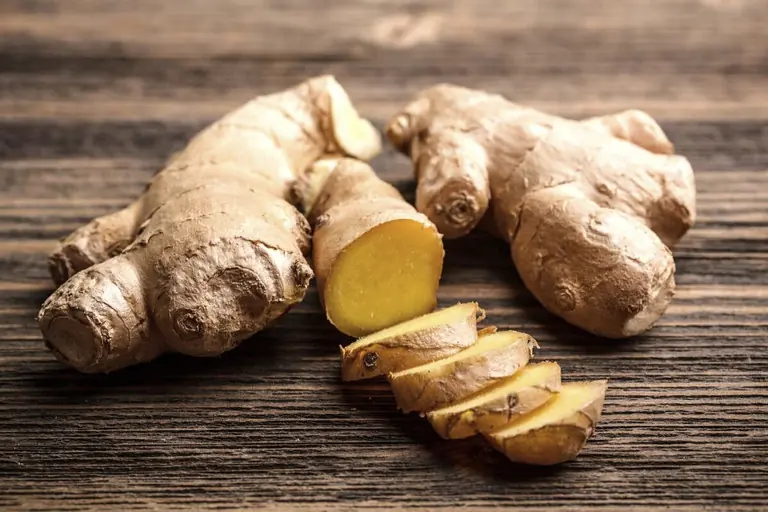
Ginger comes from the rhizome of Zingiber officinale.
Although it's commonly called ginger root, the part we eat is technically an underground stem called a rhizome.
Fresh ginger contains several bioactive compounds, including:
Gingerols
Shogaols
Zingerone
Various phenolic compounds
Gingerols are especially abundant in fresh ginger, while processing and heating can change the proportions of these compounds.
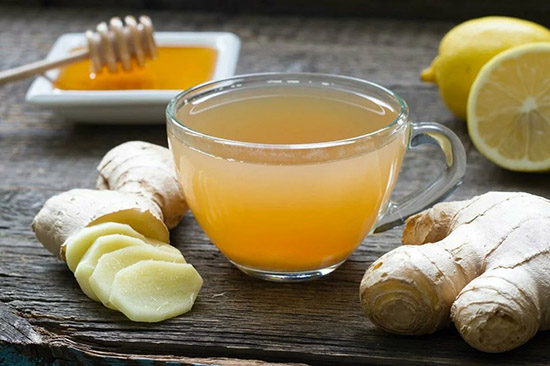
Traditional ginger tea is extremely simple.
Fresh ginger is sliced or grated, added to hot water, and allowed to steep.
Some people add:
Lemon
Honey
Cinnamon
Turmeric
Mint
None of these additions are required for ginger tea to be enjoyable.
One of ginger's best-known potential benefits involves the digestive system.
Ginger has been studied for its ability to influence gastric motility, meaning the movement of food through the stomach.
In some circumstances, ginger may help the stomach empty more efficiently.
For certain people, this may reduce sensations such as:
Fullness
Bloating
Mild nausea
Digestive discomfort
This is one reason ginger tea is commonly consumed after heavy meals.
Not necessarily.
There isn't strong evidence showing that ginger becomes dramatically more effective simply because you consume it on an empty stomach.
Some people enjoy ginger tea before breakfast.
Others find that strong ginger irritates their stomach when they haven't eaten.
If you're in the second group, have your ginger tea with or after food.
There's no reason to tolerate stomach discomfort just because a social-media routine says ginger must be consumed before breakfast.
This is one of the better-supported uses of ginger.
Research suggests ginger may help reduce nausea in certain situations, including pregnancy-related nausea and some other contexts.
Its effects appear to involve both gastrointestinal and nervous-system pathways.
That doesn't mean ginger can treat every cause of nausea.
Nausea may occur because of:
Viral infections
Food poisoning
Migraine
Pregnancy
Medications
Motion sickness
Gastrointestinal disease
Other medical problems
If nausea is severe, persistent, or accompanied by repeated vomiting, significant abdominal pain, blood, dehydration, or unexplained weight loss, medical evaluation is appropriate.
Sometimes the benefit of ginger tea isn't exclusively about ginger.
It's also about the water.
After several hours of sleep, having a cup of fluid in the morning contributes to your daily hydration.
Proper hydration supports:
Circulation
Normal kidney function
Digestion
Temperature regulation
Physical performance
If ginger makes water more enjoyable for you, you may naturally drink more fluids.
That's useful.
But you don't need ginger tea specifically to “rehydrate your organs.”
Plain water works perfectly well too.
Your cells continuously generate reactive molecules as part of normal metabolism.
The body has its own antioxidant systems to manage them.
Foods can also contribute antioxidant compounds.
Ginger contains multiple phytochemicals with antioxidant activity, including gingerols and related compounds.
These substances are one reason ginger has received considerable scientific attention.
However, antioxidant activity doesn't mean ginger tea literally washes toxins out of the body.
This is one of the most common misconceptions.
Your liver already performs numerous processes involved in metabolizing and processing substances.
Your kidneys continuously filter the blood and regulate fluid and electrolyte balance.
Your lungs, digestive tract, skin, and other systems also participate in waste elimination.
Ginger tea doesn't replace these processes.
There is no reservoir of vague “toxins” inside your liver that gets flushed out after drinking ginger water.
A more accurate statement is:
Ginger provides plant compounds that can fit into a nutrient-rich diet.
That's useful without needing to call it a detox.
Inflammation is essential to human survival.
When you're injured or infected, inflammatory responses help the body protect and repair itself.
The concern is persistent chronic inflammation, which is associated with many metabolic and cardiovascular conditions.
Ginger compounds have demonstrated anti-inflammatory activity in experimental research, and clinical studies have investigated ginger supplementation in several inflammatory conditions.
Some results are promising.
However, drinking one cup of ginger tea doesn't simply “switch off” inflammation throughout your body.
Instead of depending on one beverage, focus on the overall pattern:
Eat plenty of vegetables and whole fruits
Include legumes and whole grains
Exercise regularly
Maintain an appropriate body weight
Avoid smoking
Limit excessive alcohol
Get adequate sleep
Ginger can complement these habits.
It cannot replace them.
Ginger has also been studied in people with type 2 diabetes.
Some clinical trials and meta-analyses suggest ginger supplementation may modestly improve certain measures of glucose control.
Researchers have investigated potential effects on:
Fasting glucose
Insulin sensitivity
HbA1c
However, results vary, and many studies use supplemental doses, not simply one weak cup of ginger tea.
This distinction matters.
If you have diabetes, don't stop prescribed medication because you've started drinking ginger tea.
Diabetes management may involve:
Nutrition
Exercise
Weight management
Blood glucose monitoring
Oral medication
Injectable medication
Insulin
depending on individual circumstances.
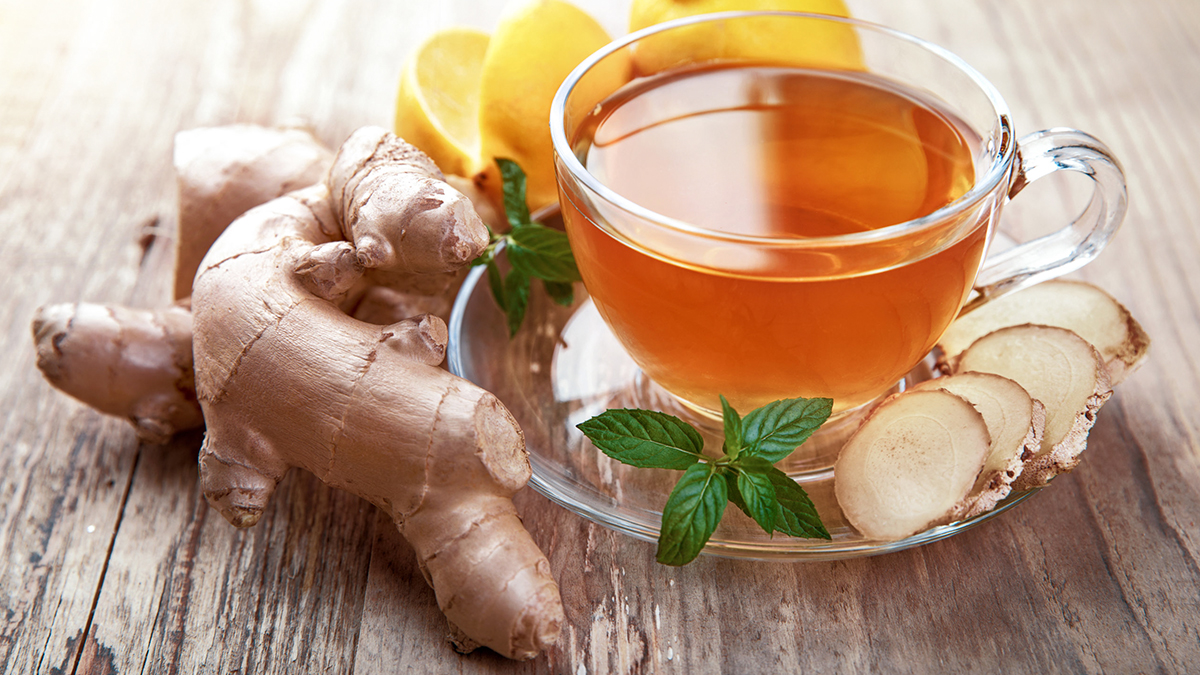
Ginger tea may fit into a diabetes-friendly diet, especially if it's unsweetened.
Here's where a supposedly healthy morning drink can become surprisingly sugary.
Imagine:
Ginger + hot water = almost no added sugar.
But then you add:
Three tablespoons of honey
Sweetened fruit juice
Sugar
Syrup
Now you've created a sweetened beverage.
Honey may be natural, but it still contains sugars.
If blood glucose or weight management is your goal, keep sweeteners modest.
Some research suggests ginger supplementation may modestly lower blood pressure in certain populations.
Possible mechanisms involve vascular function and other cardiovascular pathways.
But the effect isn't strong or predictable enough to replace hypertension treatment.
High blood pressure is one of the major modifiable risk factors for:
Stroke
Heart attack
Heart failure
Kidney disease
If you take blood-pressure medication, continue it as prescribed unless your clinician advises otherwise.
Researchers have also examined ginger in relation to blood lipids.
Some studies suggest ginger supplementation may have modest effects on measures such as:
Triglycerides
LDL cholesterol
Total cholesterol
But findings aren't perfectly consistent, and dosage matters.
A small amount of ginger steeped in water shouldn't be treated like a cholesterol medication.
If cardiovascular health is your goal, prioritize:
Not smoking
Regular physical activity
Controlling blood pressure
Managing LDL cholesterol
Maintaining healthy blood glucose
Eating a high-quality diet
Getting adequate sleep
Ginger tea can be one small component of that lifestyle.
This is where internet claims tend to get wild.
You may encounter headlines promising:
“Drink ginger water every morning and watch belly fat disappear.”
That's not supported by good evidence.
Some research suggests ginger supplementation may have modest effects on:
Appetite
Body weight
Waist circumference
Thermogenesis
in certain populations.
But ginger isn't a fat-burning shortcut.
Your body decides where it stores and removes fat according to:
Genetics
Hormones
Sex
Age
Overall energy balance
You cannot selectively burn abdominal fat by drinking a particular beverage.
Long-term fat loss primarily requires a sustained energy deficit.
There is one very practical scenario.
Suppose every morning you normally drink:
A large sweetened coffee containing 300 calories.
You replace it with:
Unsweetened ginger tea containing very few calories.
Over time, that substitution could meaningfully reduce calorie intake.
But the benefit comes largely from what you've replaced, not because ginger is melting fat.
Warm beverages can feel soothing when your throat is dry or irritated.
Ginger tea may be particularly pleasant because of its warming flavor.
Adding a small amount of honey may provide additional cough and throat comfort for appropriate adults and older children.
However:
Honey should never be given to infants under 12 months old because of the risk of infant botulism.
No.
Most common colds are caused by viruses.
Ginger tea may:
Keep you hydrated
Soothe your throat
Make you feel more comfortable
But it doesn't eliminate the virus.
Rest, hydration, symptom management, and time are usually what uncomplicated viral colds require.
Some research suggests regular ginger consumption may modestly reduce exercise-related muscle soreness.
The proposed explanation involves ginger's effects on inflammatory and pain-related pathways.
However, the effect isn't equivalent to taking an immediate pain medication.
And ginger isn't the foundation of muscle recovery.
For recovery, prioritize:
Adequate protein
Appropriate calorie intake
Sleep
Hydration
Sensible training volume
Rest
Ginger is optional.
If you're trying to cut back on coffee, ginger tea can be useful because traditional ginger tea is naturally caffeine-free.
Excessive caffeine can contribute to:
Anxiety
Trembling
Palpitations
Insomnia
Headaches
Acid reflux
Switching an afternoon or evening coffee to ginger tea may help reduce caffeine intake.
Just remember that caffeine itself isn't inherently unhealthy for everyone.
Moderate coffee and tea consumption can fit into a healthy diet for many adults.
There's also a psychological and behavioral component.
Morning routines can provide structure.
Preparing a warm drink, sitting down for several minutes, and beginning the day without immediately reaching for social media or rushing out the door may feel relaxing.
Not every benefit needs to come from a biochemical pathway.
If ginger tea helps you establish a calmer morning routine, that's still valuable.
Ginger is generally well tolerated in normal culinary amounts.
But it isn't side-effect-free.
Some people experience:
Heartburn
Abdominal discomfort
Diarrhea
Gas
Mouth or throat irritation
Side effects become more likely when larger or more concentrated amounts are consumed.
If ginger repeatedly makes you uncomfortable, reduce the amount or stop drinking it.
This surprises people because ginger is often described as a digestive remedy.
But foods affect individuals differently.
Strong ginger—particularly large amounts of raw or concentrated ginger—can cause a burning sensation or worsen reflux in some people.
If you have GERD and notice that ginger tea consistently triggers symptoms, don't force yourself to continue.
Another popular wellness rule says:
“Ginger must be consumed on an empty stomach or it won't work.”
There isn't good evidence supporting that claim.
If you tolerate it before breakfast, fine.
If you don't, drink it after eating.
The biologically active compounds don't suddenly become useless because you've had breakfast.
Ginger has been investigated for potential effects on platelet activity and blood clotting.
The clinical importance of normal dietary amounts remains uncertain, but caution becomes more relevant with high-dose supplements, particularly for people taking anticoagulant or antiplatelet medications.
Examples include medications prescribed after:
Blood clots
Stroke
Certain heart conditions
Cardiovascular procedures
If you take medication affecting clotting, discuss concentrated ginger supplements with your doctor or pharmacist.
Because ginger may influence glucose metabolism, people taking glucose-lowering medication should be more cautious with high-dose supplements.
The concern is that combining multiple glucose-lowering interventions could contribute to glucose becoming lower than intended in susceptible individuals.
Symptoms of hypoglycemia may include:
Shaking
Sweating
Hunger
Dizziness
Weakness
Palpitations
Confusion
Again, a mild cup of ginger tea isn't equivalent to a concentrated extract.
Dose matters.
Similarly, people taking several medications for hypertension should be cautious about suddenly adding large doses of supplements that may influence blood pressure.
Possible symptoms of blood pressure becoming too low include:
Dizziness
Lightheadedness
Weakness
Fainting
Don't stop blood-pressure medication in favor of ginger tea.
Ginger has sometimes been discussed in relation to bile production and gallbladder activity.
People with known gallstones or significant gallbladder disease should discuss high-dose ginger supplements with a healthcare professional.
A cup of ginger tea isn't a treatment for gallstones.
Severe right-upper abdominal pain, particularly with fever, vomiting, or jaundice, requires medical evaluation.
If you're preparing for surgery, tell your surgical team about all supplements and herbal products you use.
This includes ginger supplements.
Herbal products may potentially influence:
Blood clotting
Blood glucose
Blood pressure
Medication effects
Don't guess how many days before surgery you should stop a supplement.
Follow the instructions from your surgeon or anesthesia team.
Both can be used to make tea.
Provides a bright, spicy flavor and is naturally rich in gingerols.
Processing changes the chemical profile and may increase the relative amount of compounds such as shogaols.
Neither is automatically superior.
Choose the version you enjoy and tolerate.
Commercial ginger tea bags are convenient.
Check the ingredient list because some products contain:
Ginger alone
Ginger plus other herbs
Flavorings
Sweeteners
If you're trying to avoid added sugar, make sure the product isn't pre-sweetened.
Also remember that “ginger-flavored” doesn't necessarily mean the beverage contains a large amount of actual ginger.
You don't need an expensive wellness shot.
Fresh ginger
Water
Optional:
Lemon
Small amount of honey
Cinnamon
Slice or grate a small amount of ginger.
Add it to hot water.
Allow it to steep for several minutes.
Strain if desired.
Drink warm.
That's it.
You can.
Simmering ginger for longer generally creates a stronger beverage.
If you're new to ginger, start with a weaker preparation.
There's no advantage to making your tea so concentrated that it causes stomach irritation.
Lemon adds:
Flavor
Acidity
Some vitamin C
The combination can be refreshing.
But lemon doesn't transform ginger tea into a detox treatment.
If you enjoy it, use it.
If acidic drinks worsen your reflux, skip it.
Ginger and cinnamon pair well together.
Both contain interesting plant compounds and provide strong flavor without much energy.
This combination can be particularly useful if it helps you reduce added sugar.
But again:
Two healthy ingredients combined do not create a miracle medicine.
Ginger and turmeric belong to the same botanical family.
Turmeric contains curcuminoids, while ginger provides gingerols and shogaols.
Combining them in food or tea is generally reasonable for many healthy adults.
However, concentrated turmeric and ginger supplements may require more caution, especially for people taking medication.
Ginger shots usually contain a much more concentrated amount of ginger than ordinary tea.
Some include:
Lemon juice
Turmeric
Cayenne
Fruit juice
Added sweeteners
They aren't necessarily healthier than ginger tea.
In fact, concentrated shots may be more likely to cause:
Heartburn
Mouth irritation
Stomach discomfort
You don't need to feel your throat burning for ginger to provide dietary value.
For many healthy adults, moderate culinary amounts of ginger tea can fit into a daily diet.
The key word is:
Moderate.
There is little reason to consume enormous quantities.
If one cup feels good, you don't automatically gain ten times the benefit by drinking ten cups.
There isn't strong evidence showing that morning ginger tea has unique health effects compared with drinking it later.
Morning may simply be convenient.
At night, caffeine-free ginger tea may also be a pleasant alternative to coffee or caffeinated tea.
However, if ginger worsens your reflux, drinking it immediately before lying down may not be ideal.
That depends on what you're expecting.
If you're drinking warm ginger tea for throat comfort or mild nausea, you may notice a subjective difference relatively quickly.
If you're expecting major changes in:
Cholesterol
Blood pressure
Blood glucose
Body weight
those are much more complicated.
Any potential metabolic effects are likely to be modest and shouldn't be expected after one or two cups.
Despite viral claims, don't expect ginger tea to suddenly:
Melt belly fat
Clean your arteries
Flush toxins from your liver
Reverse diabetes
Boost testosterone dramatically
Cure arthritis
Eliminate respiratory infections
Prevent cancer
Those claims go well beyond current evidence.
Consider discussing regular high-dose ginger use with a healthcare professional if you:
Take anticoagulant or antiplatelet medication
Take several diabetes medications
Take multiple blood-pressure medications
Have significant gallbladder disease
Have severe gastrointestinal sensitivity
Are preparing for surgery
Are considering concentrated ginger supplements
Normal culinary use and medicinal-dose supplementation are not the same thing.
Ginger has been studied for pregnancy-related nausea and can be helpful for some people.
However, pregnancy is also a time when supplements deserve additional caution.
If you're pregnant and want to use large amounts of ginger or concentrated supplements regularly, discuss the dose with your healthcare professional.
A food-level amount is different from a high-dose extract.
Water is natural.
Salt is natural.
Caffeine is natural.
Ginger is natural.
All can cause problems in inappropriate quantities.
The word “natural” tells you where something came from.
It doesn't tell you whether every dose is safe.
Instead of expecting ginger tea to transform your health by itself, make it part of a stronger routine.
Ginger tea or water can both work.
Options include:
Eggs
Plain Greek yogurt
Cottage cheese
Tofu
Beans
Try:
Oatmeal
Whole fruit
Whole grains
Nuts
Seeds
Even a morning walk contributes to daily activity.
Now ginger complements your routine instead of carrying unrealistic expectations.
If your goal is long-term health, these habits have far stronger evidence:
Don't smoke.
Exercise regularly.
Eat plenty of minimally processed plant foods.
Get enough protein.
Manage blood pressure.
Manage LDL cholesterol.
Control blood glucose if you have diabetes.
Maintain an appropriate body weight.
Get adequate sleep.
Participate in recommended health screenings.
Ginger tea can fit into this picture.
It isn't the picture itself.
Regular ginger tea may potentially contribute to:
Digestive comfort
Reduced nausea in certain circumstances
Hydration
Intake of antioxidant plant compounds
A dietary pattern containing anti-inflammatory phytochemicals
Possible modest metabolic benefits
Throat comfort
Reduced caffeine intake when replacing coffee
These are reasonable expectations.
Some people may experience:
Heartburn
Stomach irritation
Diarrhea
Gas
Mouth or throat irritation
Extra caution may be appropriate when high-dose ginger is combined with certain medications.

Drinking ginger tea every morning can be a simple, enjoyable wellness habit for many people.
Ginger contains biologically active compounds—particularly gingerols and shogaols—that have been studied for effects related to nausea, digestion, inflammation, oxidative stress, blood glucose, and cardiovascular health.
The strongest practical benefits may be surprisingly simple.
Ginger tea can help you stay hydrated.
It may soothe mild nausea or digestive discomfort.
It provides plant compounds without many calories.
And if unsweetened ginger tea replaces a sugary beverage, that's another meaningful advantage.
But ginger tea isn't a miracle cure.
It won't detox your liver, melt abdominal fat overnight, reverse diabetes, clean blocked arteries, or compensate for smoking, poor sleep, inactivity, or an unhealthy diet.
If you enjoy ginger tea, there's no need to make the routine complicated.
A little fresh ginger + hot water is enough.
Add lemon if you like the flavor.
Use a small amount of honey if you want sweetness.
Drink it before breakfast if your stomach tolerates it—or after breakfast if that feels better.
Most importantly, pay attention to how your body responds.
If ginger repeatedly causes heartburn, diarrhea, or stomach discomfort, reduce the amount rather than assuming those symptoms are evidence of “detoxification.”
And if you take prescription medication or want to use concentrated ginger supplements every day, check with a doctor or pharmacist about possible interactions.
Ginger tea can be a healthy addition to your morning. The key is treating it as a useful beverage not a cure-all.
Eating Too Much Sugar? These 10 Body Changes May Be Worth Noticing
Where Does Kidney Pain Occur? 5 Areas and Symptoms Worth Knowing
Warm Water Isn’t Just Comforting - Here Are the Potential Health Benefits You Should Know

A 70-Year-Old's Experience Is a Wake-Up Call for Anyone With Hypertension

Doctors Reveal the Potential Benefits—and Possible Downsides—of Eating Avocados… See More
Sweet Potato Lovers, Take Note! Doctors Warn About What Eating Too Much May Cause… 👀

Don’t Squeeze That Lump! What You Should Know About Sebaceous Cysts 👀

This Common Vegetable May Help Keep Blood Sugar in Check - Here’s Why It’s Worth Adding to Your Diet

That High-Pitched Ringing in Your Ears Could Be a Sign Worth Paying Attention To… See More 👇

Your Refrigerator Isn’t as Clean as It Looks: 5 Food-Safety Mistakes to Avoid

Don’t Ignore Persistent Itching in These 10 Areas - It Could Be a Sign Your Body Is Trying to Warn You

DON’T IGNORE “FISH EYES”! Here’s Why They Appear and What May Be Causing Them
Start Your Morning With Ginger? Here’s What Men Should Know

Is Your Bl00d Sugar Too High? 9 Possible Signs to Know

3 Warning Signs in Your Feet That Could Point to an Underlying Health Issue

The Secret to Healthier Knees Could Be in Your Grocery Cart

Food Safety Experts Explain the Real Cancer Risks

Doctors Reveal What Was Really Causing Her Months of Itching

Frequent night leg cramps may signal habits or conditions worth checking.
Eating Too Much Sugar? These 10 Body Changes May Be Worth Noticing
Where Does Kidney Pain Occur? 5 Areas and Symptoms Worth Knowing

When I Finally Understood My Sister

He Thought She Was Betraying Him, But She Was Saving His Brother 💔

Respect Should Not Depend on a Last Name


Warm Water Isn’t Just Comforting - Here Are the Potential Health Benefits You Should Know


He Chose His Mother Every Time


The Day She Realized She Was Never Family
A 70-Year-Old's Experience Is a Wake-Up Call for Anyone With Hypertension

He Lost Her in a Fire… and Found Her Again 20 Years Later
Doctors Reveal the Potential Benefits—and Possible Downsides—of Eating Avocados… See More
Sweet Potato Lovers, Take Note! Doctors Warn About What Eating Too Much May Cause… 👀
Don’t Squeeze That Lump! What You Should Know About Sebaceous Cysts 👀

The Storm That Brought a Family Back Together
This Common Vegetable May Help Keep Blood Sugar in Check - Here’s Why It’s Worth Adding to Your Diet