Pennyroyal Oregano: Nutrition, Traditional Uses, and Potential Health Benefits
Can Pennyroyal Oregano Support Eye Health? Here's What the Evidence Shows
Health 02/08/2026 17:03
To many people, goosegrass is simply another common weed growing along roadsides, in gardens, fields, and empty lots. It is often pulled out and discarded without a second thought. Yet, for generations, this humble plant has been valued in traditional herbal medicine across Asia, Africa, and parts of the Americas. Known by various local names, goosegrass has been used in traditional practices to support general wellness, soothe minor ailments, and promote overall health.
Although modern scientific research is still exploring many of its potential properties, goosegrass remains a fascinating example of how ordinary plants can hold an important place in traditional healing systems. Like many herbal remedies, however, its traditional uses should not be viewed as proven medical treatments, and more high-quality research is needed to confirm its safety and effectiveness.
Let's explore the history, traditional uses, nutritional value, and what current science says about this remarkable yet often overlooked plant.
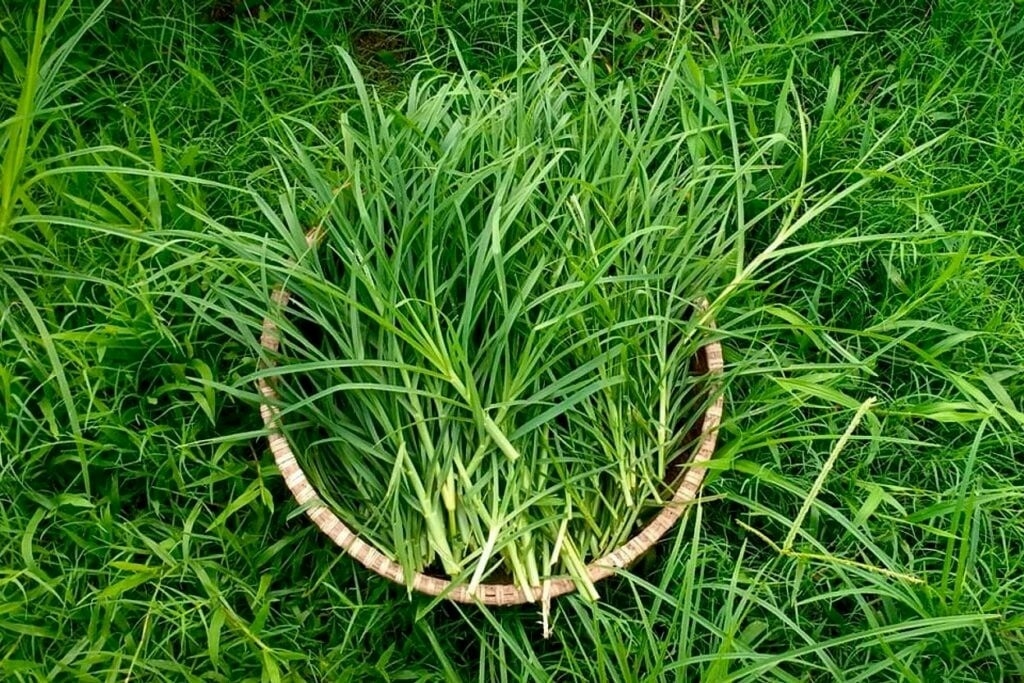
Goosegrass (Eleusine indica) is a hardy annual grass belonging to the Poaceae family. It thrives in warm climates and grows naturally in tropical and subtropical regions around the world.
Characteristics of goosegrass include:
Flat, narrow green leaves
A low-growing tufted appearance
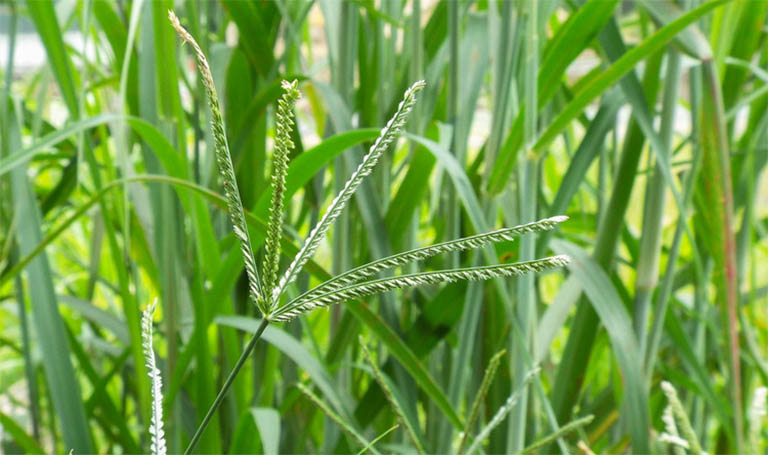
Finger-like seed heads that spread from the top of the stem
Strong adaptability to different soil conditions
Because it grows easily with little care, goosegrass is commonly considered a weed by gardeners and farmers. However, traditional herbal practitioners have long recognized it as a useful medicinal plant.
For centuries, goosegrass has been used in various traditional healing systems.
Different cultures have prepared the plant as:
Herbal teas
Decoctions
Poultices
Fresh juices
Herbal compresses
Traditional practitioners have used goosegrass to support:
Urinary health
Digestive comfort
Minor skin irritations
Fever management
General wellness
These traditional applications are based largely on historical use and cultural knowledge rather than definitive clinical evidence.
Researchers have identified several naturally occurring plant compounds in goosegrass that have attracted scientific interest.
These include:
Flavonoids
Phenolic compounds
Alkaloids
Terpenoids
Dietary fiber
Chlorophyll
Minerals
Antioxidants
Many of these compounds are also found in other edible plants and herbs known for their antioxidant properties.
One of the best-known traditional uses of goosegrass is promoting healthy urination.
In many cultures, herbal infusions made from goosegrass have traditionally been consumed to support normal urinary function.
Researchers continue investigating whether certain compounds in the plant may contribute to these traditional uses.
However, goosegrass should not be used as a substitute for medical treatment of urinary tract infections, kidney disease, or other urinary disorders.
Oxidative stress occurs when unstable molecules known as free radicals accumulate faster than the body can neutralize them.
Laboratory studies suggest goosegrass contains antioxidant compounds that may help reduce oxidative stress under experimental conditions.
Antioxidants play an important role in protecting cells from everyday damage caused by normal metabolism and environmental factors.
Eating a diet rich in plant-based foods remains one of the best-supported ways to increase antioxidant intake.
In traditional herbal medicine, goosegrass has sometimes been consumed to support digestive wellness.
Historical uses have included promoting comfort during:
Mild stomach upset
Occasional bloating
Temporary digestive discomfort
Scientific evidence supporting these uses in humans remains limited.
Anyone experiencing persistent digestive symptoms should seek medical evaluation.
Fresh goosegrass has historically been crushed into poultices and applied externally for minor skin concerns.
Traditional applications have included:
Minor insect bites
Small scratches
Mild skin irritation
These practices have been passed down through generations in many rural communities.
Open wounds, burns, or serious skin infections should always be evaluated by a healthcare professional.
In some traditional healing systems, goosegrass is classified as a "cooling" herb.
People have traditionally consumed goosegrass tea during hot weather or when experiencing feverish feelings.
Although staying hydrated is important during illness, there is currently insufficient clinical evidence to confirm goosegrass as an effective treatment for fever.
Persistent or high fever should always receive appropriate medical evaluation.
Inflammation is a natural immune response that helps the body heal after injury or infection.
Laboratory studies have identified compounds in goosegrass that may influence inflammatory pathways under experimental conditions.
These findings are promising but preliminary.
More human clinical studies are needed before conclusions can be drawn regarding its effects on inflammatory conditions.
Many traditional herbal systems value goosegrass not because it treats one specific condition, but because it is considered a supportive herb for overall health.
People have traditionally incorporated it into seasonal herbal preparations intended to support:
General vitality
Daily wellness
Hydration
Balanced nutrition
As with many traditional herbs, these practices are rooted in cultural experience rather than definitive medical evidence.
Scientists have become increasingly interested in goosegrass because of its naturally occurring bioactive compounds.
Laboratory and animal studies have explored its potential:
Antioxidant activity
Anti-inflammatory effects
Antimicrobial properties
Diuretic effects
Blood sugar regulation
Liver-protective potential
While these early findings are encouraging, they should be interpreted with caution.
Most studies have been conducted in laboratory settings or animals, and high-quality human clinical trials remain limited.
Although goosegrass is not widely consumed as a vegetable, it contains several naturally occurring nutrients, including:
Dietary fiber
Potassium
Calcium
Magnesium
Iron
Chlorophyll
Plant antioxidants
The exact nutritional profile varies depending on growing conditions and maturity.
Across different cultures, goosegrass has traditionally been prepared in several ways.
These include:
Fresh or dried leaves are steeped in hot water.
The plant is simmered in water for a longer period to extract additional plant compounds.
Young plants are blended with water and strained.
Fresh leaves are crushed and applied to the skin in traditional practices.
Preparation methods vary widely by region and cultural tradition.
Although goosegrass has a long history of traditional use, "natural" does not always mean "safe."
Potential concerns include:
Plant misidentification
Contamination with pesticides or pollutants
Allergic reactions
Unknown interactions with medications
Pregnant or breastfeeding women, young children, and individuals with chronic medical conditions should consult a healthcare professional before using herbal preparations.
No single herb can replace the foundations of good health.
For long-term wellness, experts continue to recommend:
Eating a balanced diet rich in fruits and vegetables.
Exercising regularly.
Staying hydrated.
Sleeping 7–9 hours each night.
Managing stress.
Avoiding tobacco.
Limiting excess alcohol.
Attending routine medical checkups.
Herbs such as goosegrass, when used appropriately, should be viewed as complementary rather than primary treatments.
There is no reliable clinical evidence that goosegrass can cure kidney disease or replace medical treatment.
Natural products can still cause side effects, allergic reactions, or interact with medications.
Excessive consumption of any herbal preparation may carry risks.
Moderation and professional guidance are important.
Goosegrass may look like nothing more than an ordinary weed, but its long history in traditional herbal medicine tells a different story. For generations, it has been used in various cultures to support urinary health, digestive comfort, skin care, and overall wellness. Modern research has identified several bioactive compounds with antioxidant and anti-inflammatory properties, offering intriguing possibilities for future scientific study.
At the same time, much of the evidence for goosegrass comes from laboratory research and traditional practice rather than large, well-designed human clinical trials. While it remains an interesting medicinal plant with cultural significance, it should not be considered a cure for disease or a replacement for evidence-based medical care.
When combined with a nutritious diet, regular physical activity, adequate sleep, and routine healthcare, traditional herbs such as goosegrass may continue to play a supportive role in overall wellness. As always, consult a qualified healthcare professional before using herbal remedies, especially if you are pregnant, breastfeeding, have chronic health conditions, or take prescription medications.
Can Pennyroyal Oregano Support Eye Health? Here's What the Evidence Shows

The Simple Habit of Adding Cinnamon to Coffee or Tea: Potential Benefits Explained

Drink Your Way to Healthier-Looking Skin With These 5 Juices
Everything You Should Know About the Purple Maguey Plant: Traditional Uses and Preparation

10 Early Stroke Symptoms That Could Save Your Life

6 People Who Should Limit Coconut Water Intake

These Symptoms Aren't Always Just Part of Aging

Two Spoons In The Morning And you'll thank me forever

Doctors Warn: These 4 Popular Foods May Hide Dangerous Parasites

No matter how hungry you are, don't touch these 5 breakfast foods.
Doctors Warn: These 3 Groups Shouldn't Eat Too Much Okra
Doctors reveal that consuming ginger causes in... see more

When you see a green ring around an egg yolk, it’s a sign that...

If You Have Gout, These Foods May Be Worth Limiting...

If You Drool While Sleeping Often, It Could Be a Warning Sign of These 6 Health Conditions

Your Diet Can Influence Thyroid Health - Here's What to Know About These 6 Foods..

Second-Grader Diagnosed with Colon C.anc.er After Regularly Eating These 2 Foods Since Childhood

I had no idea

Thought It Was Just an Allergy, but Doctors Discovered an Unexpected Truth
Can Pennyroyal Oregano Support Eye Health? Here's What the Evidence Shows
The Simple Habit of Adding Cinnamon to Coffee or Tea: Potential Benefits Explained
Drink Your Way to Healthier-Looking Skin With These 5 Juices
Everything You Should Know About the Purple Maguey Plant: Traditional Uses and Preparation

Why a Snake Plant Might Be a Great Addition to Your Bedroom?


10 Early Stroke Symptoms That Could Save Your Life


Vaseline and Natural Ingredients: Simple Ways to Support Soft, Hydrated Skin
The Amazing Ways Rice Water Has Been Traditionally Used
6 People Who Should Limit Coconut Water Intake
These Symptoms Aren't Always Just Part of Aging
Two Spoons In The Morning And you'll thank me forever
Doctors Warn: These 4 Popular Foods May Hide Dangerous Parasites

No matter how hungry you are, don't touch these 5 breakfast foods.
Doctors Warn: These 3 Groups Shouldn't Eat Too Much Okra