The Hidden Power of Goosegrass (Cỏ Mực) You Probably Didn’t Know 🌿✨
You’ve likely walked past it in your yard or garden without a second thought — a green, humble plant growing quietly at your feet. Most people see goosegrass (known in Vietnam as cỏ mực or cỏ nhọ nồi), and think of it as just another common weed. But this unassuming plant holds more power than you might imagine — especially in traditional medicine and natural health. 😲👇
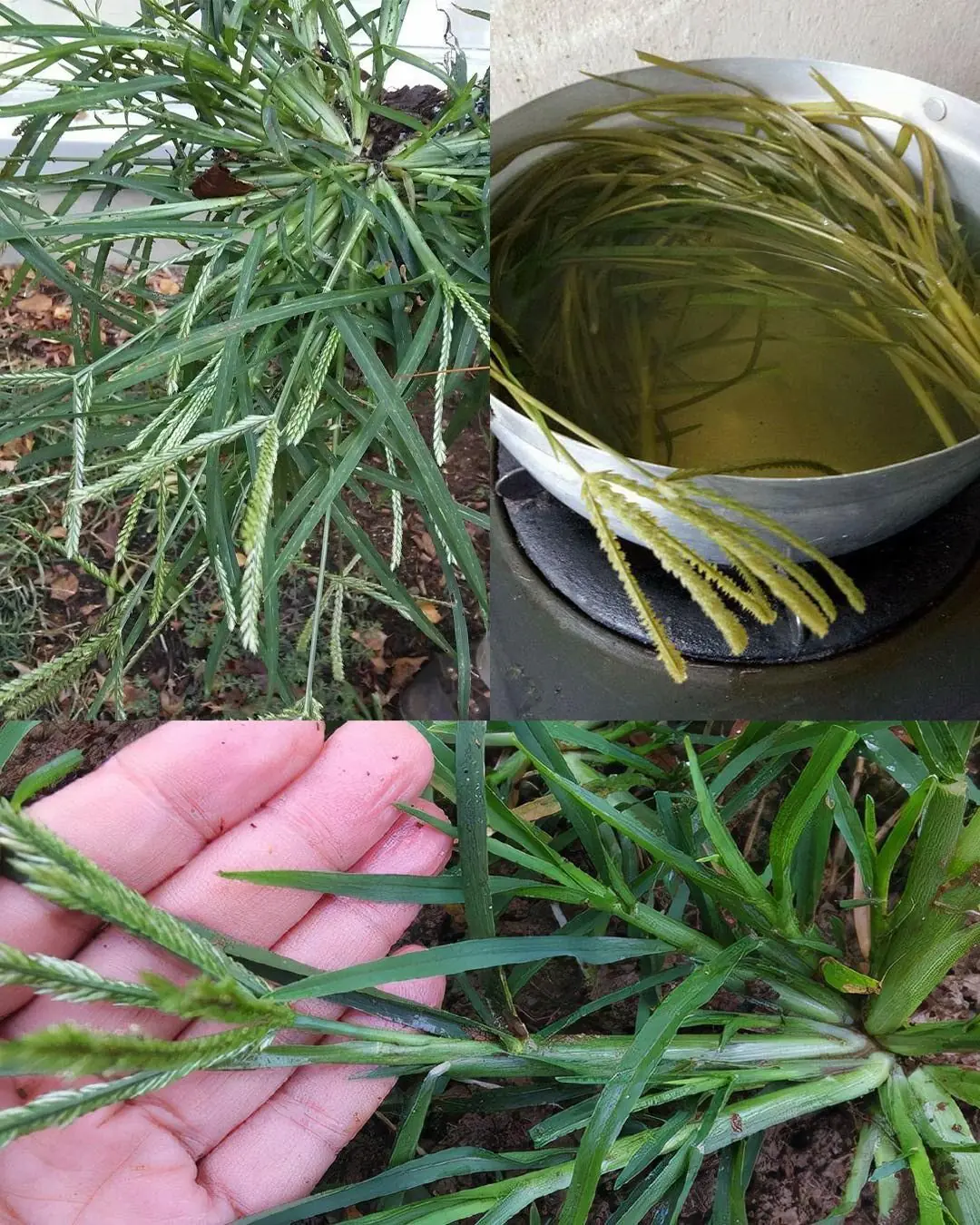
🌱 What Is Goosegrass?
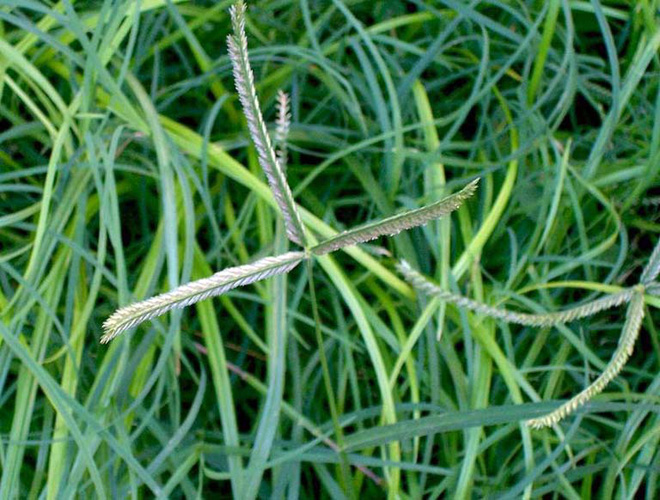
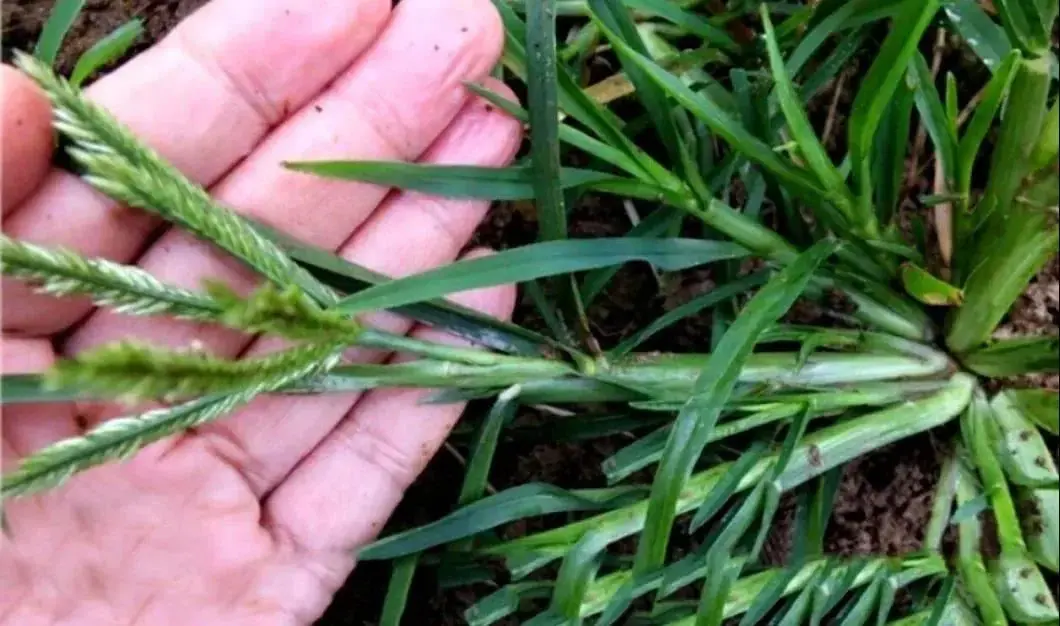
Goosegrass (Eclipta alba or Eclipta prostrata) is a low-growing herb that sprouts in moist soil and grassy areas. Locals call it “cỏ nhọ nồi” because when you crush its leaves, a dark liquid resembling ink is released — a distinctive feature that gives the plant its name. It’s part of the daisy family (Asteraceae) and has been used as a traditional remedy across many Asian cultures for centuries.
🌿 Why Goosegrass Is More Than Just a Weed
🩹 1. Naturally Helps Stop Bleeding
Goosegrass contains tannins, which may help with blood clotting. Traditionally, people crush fresh leaves and apply them to small cuts or wounds to help stop bleeding quickly.
🦠 2. Antibacterial & Anti‑Inflammatory Properties
Research shows that goosegrass has compounds that can fight against bacteria, including those that cause common infections. It has traditionally been used to help with inflamed skin, sores, and minor infections.
🧠 3. Immune Support & Antioxidants
This plant contains antioxidants and phytochemicals that may help protect cells from oxidative stress, supporting general health and possibly helping the immune system function better.
💇♀️ 4. Good for Hair & Skin
In traditional remedies, goosegrass is used to nourish hair and skin. Herbal decoctions or infusions made from the plant are sometimes applied to help maintain natural hair color and improve scalp health — a practice rooted in folk medicine across Asia.
🍵 5. Supports Digestive & Liver Health
Traditional herbal medicine often uses goosegrass to support digestion and help relieve symptoms associated with stomach discomfort or liver imbalance. Some studies suggest it may have a role in protecting liver cells and promoting detoxification, though modern clinical evidence in humans is still limited.
🍖 6. Used in Traditional Remedies for Other Ailments
Across cultures, goosegrass has also been used historically for:
- Easing hemorrhages like nosebleeds
- Treating symptoms of gastrointestinal bleeding
- Reducing swelling and itchiness of skin
- Providing natural support for urinary or digestive complaints
These uses are mostly based on traditional wisdom and herbal knowledge rather than on conclusive modern clinical trials.
🧪 Important Note on Safety
Although goosegrass is safe for many people when used in traditional forms, it’s not a substitute for medical treatment. If used improperly or in large amounts, like any herbal remedy, it could have unwanted effects. Always consult a healthcare provider — especially if you are pregnant, nursing, on medication, or have a medical condition.
🌿 Final Thought
What seems like a common weed might actually be a powerful natural ally growing right in your own yard. Goosegrass has been part of traditional healing practices for generations, and its range of beneficial effects — from wound care to immune support — shows why ancient cultures respected this humble plant. Sometimes nature hides its blessings in the simplest places! 🌱✨