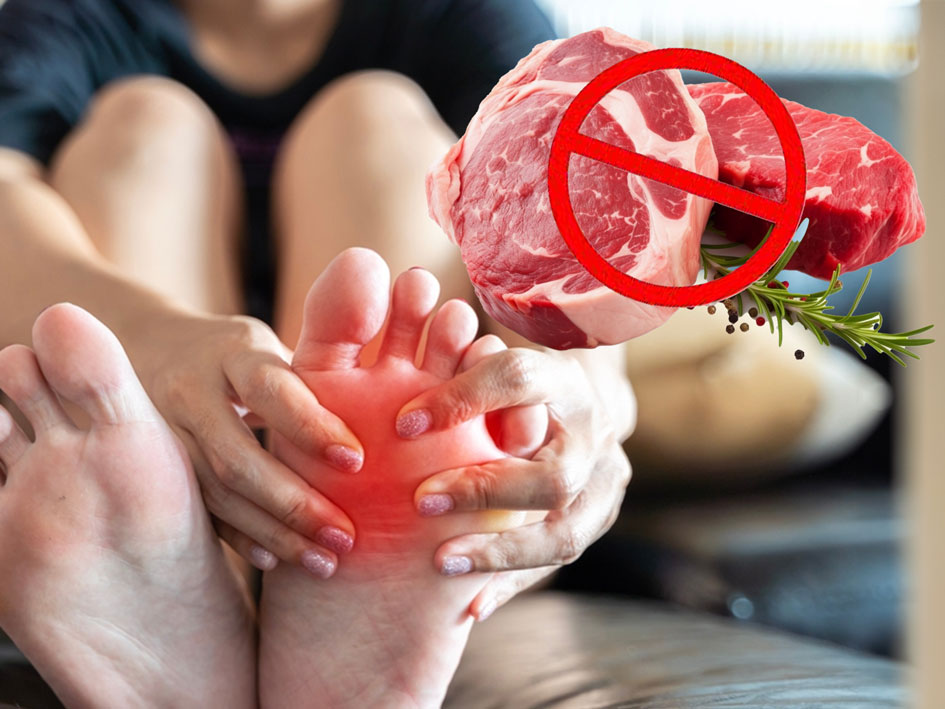
Gout Diet: Experts Recommend 4 “Uric Acid Fighters”—Tofu Is One of Them
For many people living with gout, food choices can feel confusing—what should you eat, and what should you avoid?
A recent health report highlights that adjusting your daily diet can significantly reduce the risk of gout attacks and help lower uric acid levels, offering benefits not only for joints but also for heart health and metabolism.
Small Dietary Changes, Big Health Impact
According to research cited in the report, following a structured eating pattern can:
- Reduce gout risk by over 50%
- Lower the risk of high blood pressure and stroke
- Support better blood sugar control
This approach is based on a dietary model developed by researchers at Harvard T.H. Chan School of Public Health, focusing on foods that help maintain healthy uric acid levels.
The Core Principle
The recommended diet emphasizes:
- Low purine intake
- Low fructose consumption
- High antioxidant foods
These factors help reduce uric acid buildup and support the body’s natural elimination processes.
4 Foods That Help Lower Uric Acid
1. Low-Fat Dairy Products
Low-fat milk and dairy products are considered powerful allies.
They contain proteins such as casein and whey, which:
- Promote the excretion of uric acid through the kidneys
- Help reduce substances that lead to uric acid formation

2. Antioxidant-Rich Fruits
Fruits like cherries, strawberries, and blueberries are especially beneficial.
They are rich in:
- Vitamin C
- Anthocyanins
- Flavonoids
These compounds help:
- Reduce inflammation
- Support lower uric acid levels
- Decrease the frequency of gout flare-ups
3. Whole Grains
Whole grains such as oats and wheat bran play a supportive role.
Research shows they may:
- Reduce gout risk by up to 38%
- Improve overall metabolic health
They are also a healthier alternative to refined carbohydrates.
4. Soy Products (Including Tofu)
Soy foods—especially tofu—have long been misunderstood.
While raw soybeans contain purines, processing reduces these levels significantly. Experts note that:
- Soy products can promote uric acid elimination
- Their benefits outweigh concerns about purine content
This makes tofu a safe and even helpful option for many gout patients.
Important Lifestyle Tips
In addition to diet, experts recommend:
- Drinking at least 2 liters of water daily
- Avoiding alcohol and sugary drinks
- Limiting high-purine foods like organ meats and certain seafood
- Maintaining a healthy weight
- Engaging in regular, low-impact exercise
These habits help reduce uric acid levels and prevent flare-ups.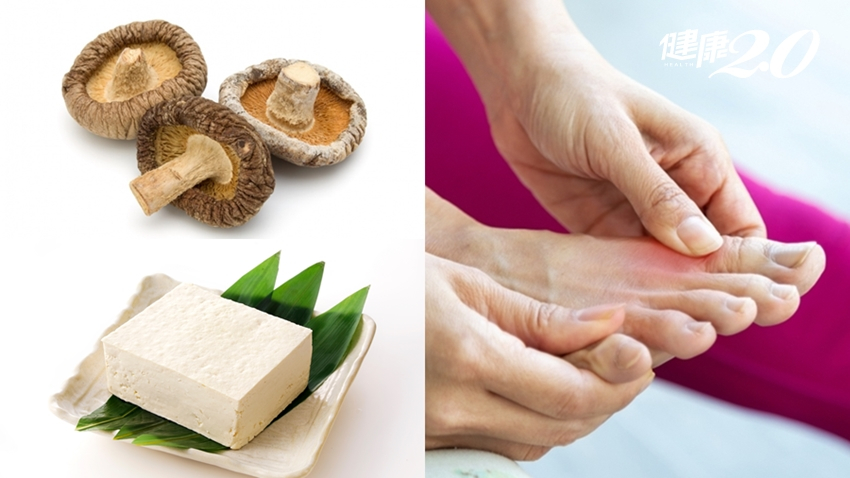
What to Avoid
To control gout effectively, it’s important to limit:
- Red and processed meats
- Organ meats
- Shellfish
- Sugary beverages
- Alcohol
These foods can increase uric acid production and trigger attacks.
The Bottom Line
Managing gout isn’t about avoiding everything—it’s about choosing the right foods consistently.
With a balanced diet that includes low-fat dairy, fruits, whole grains, and soy products, it’s possible to:
- Lower uric acid levels
- Reduce flare-ups
- Improve overall health