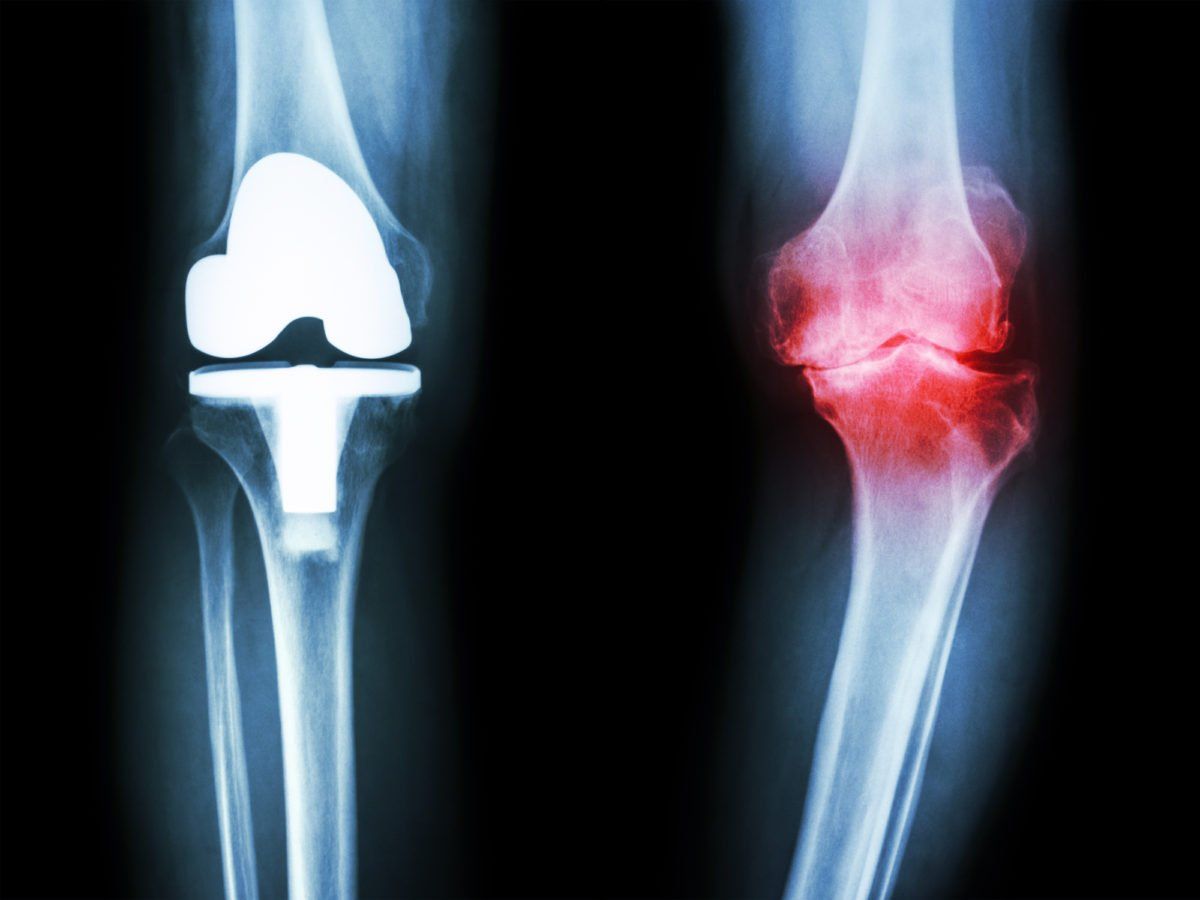
Knee Osteoarthritis: Recognize These 5 Common Symptoms Early
Knee pain is often dismissed as a normal part of aging—but in many cases, it could be an early sign of something more serious.
Health experts warn that knee osteoarthritis, a degenerative joint condition, develops gradually and may go unnoticed in its early stages. Recognizing the warning signs early can help slow progression and improve quality of life.
What Is Knee Osteoarthritis?
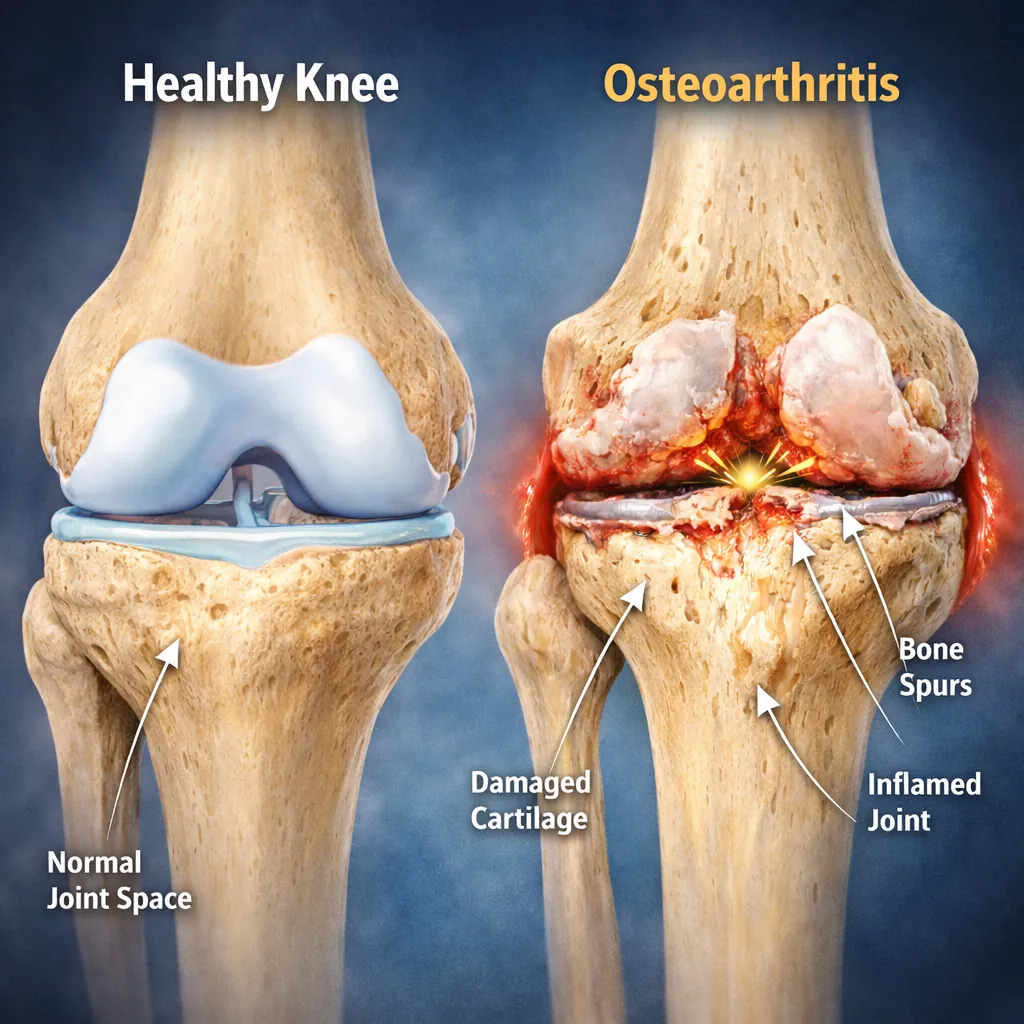
Knee osteoarthritis occurs when the cartilage that cushions the joint begins to break down. Over time, this causes bones to rub against each other, leading to pain, stiffness, and reduced mobility.
Because symptoms often develop slowly, many people ignore the early signals—until the condition worsens.
1. Persistent Knee Pain
The most common early symptom is pain in or around the knee.
At first, the pain may:
- Appear during movement or physical activity
- Ease with rest
- Come and go
Over time, it can become more frequent and even occur at rest.
2. Stiffness, Especially After Rest
Many people notice their knee feels stiff when they wake up or after sitting for a long time.
This stiffness may:
- Improve after movement
- Return after periods of inactivity
It’s one of the earliest and most noticeable warning signs.
3. Swelling Around the Knee
Inflammation can cause the knee to appear swollen or puffy.
This happens because:
- The body produces extra fluid in response to joint irritation
- Damaged cartilage triggers inflammation
Swelling may come and go, especially after activity.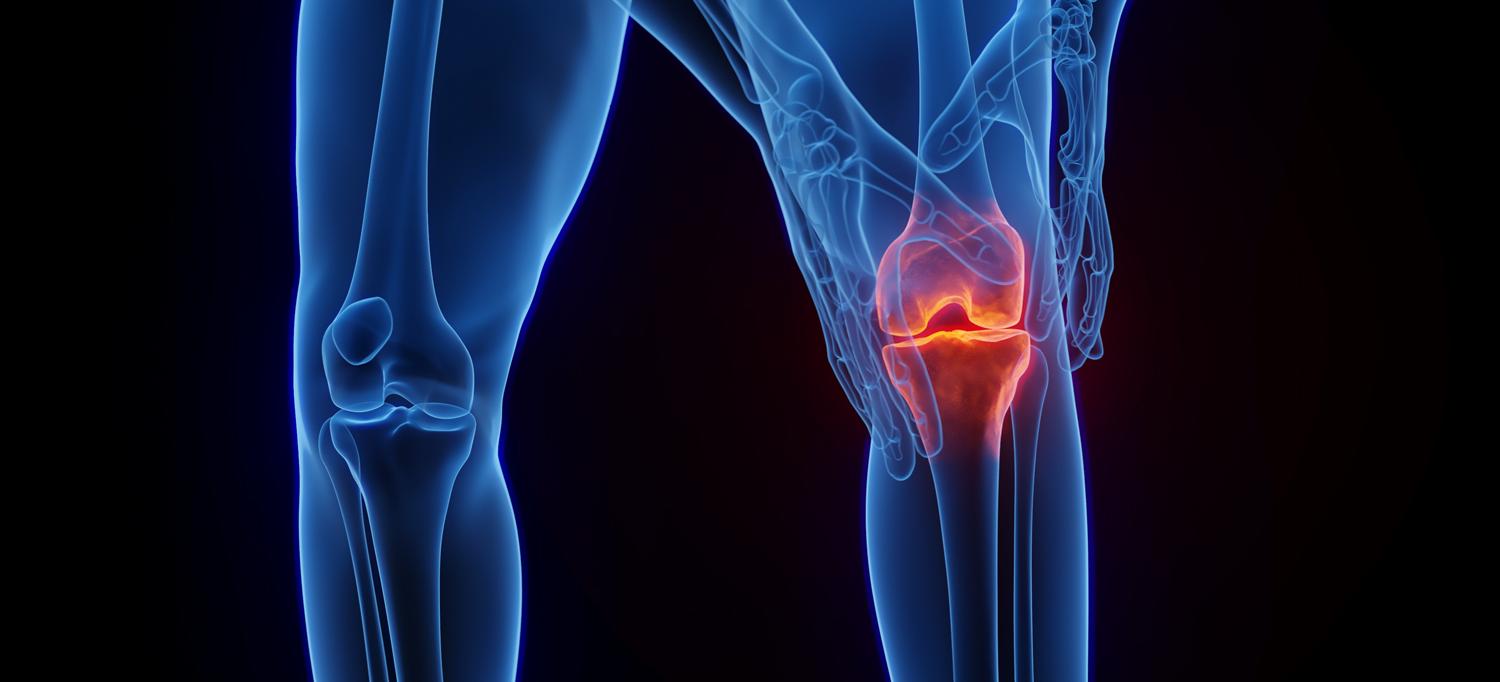
4. Cracking or Grinding Sensation
Some people hear or feel a clicking, cracking, or grinding sound when moving their knee.
This occurs when:
- Cartilage wears down
- Bones begin to rub together
It may not always be painful at first, but it’s an important early sign.
5. Reduced Mobility or Weakness
As the condition progresses, the knee may:
- Feel unstable or “give way”
- Become harder to bend or straighten
- Limit daily activities like walking or climbing stairs
In some cases, the joint may even feel like it’s locking or stuck.
Why Early Detection Matters
Knee osteoarthritis is a progressive condition—but early action can make a difference.
Recognizing symptoms early may help:
- Reduce pain
- Maintain mobility
- Slow joint damage
Ignoring these signs can lead to worsening symptoms and more limited movement over time.
The Bottom Line
Knee discomfort isn’t always “just aging.”
If you notice persistent pain, stiffness, or unusual sensations in your knee, it may be your body signaling the early stages of osteoarthritis.
Paying attention early—and taking action—can help protect your joint health in the long run.