Gout has long been considered a condition that mainly affects middle-aged or older adults, particularly those with certain dietary habits or metabolic conditions. However, in recent years, doctors have begun noticing a surprising trend: younger patients developing gout, sometimes even during childhood or adolescence.
One case that drew attention involved a 13-year-old boy who was diagnosed with gout, a painful form of arthritis traditionally associated with adults. After careful medical evaluation, doctors discovered that one of the contributing factors may have been frequent consumption of a sugary drink that many children enjoy every day.
This case has sparked discussion among health professionals about modern dietary habits and the growing role that sugary beverages may play in metabolic health problems among young people.
Understanding how gout develops and why certain drinks may increase risk can help families make more informed choices about daily nutrition.

What Is Gout?
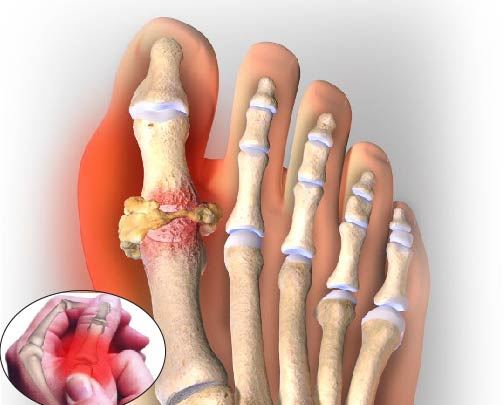
Gout is a type of inflammatory arthritis that occurs when uric acid builds up in the bloodstream and forms sharp crystals inside joints.
Uric acid is produced when the body breaks down substances called purines, which naturally occur in many foods and beverages. Normally, uric acid dissolves in the blood and is removed through the kidneys in urine.
However, when the body produces too much uric acid or the kidneys cannot remove enough of it, uric acid levels rise. This condition is known as hyperuricemia.
When uric acid levels become too high, crystals may form in the joints, leading to:
-
Sudden joint pain
-
Swelling
-
Redness
-
Warmth in the affected area
Gout attacks most commonly affect the big toe, but they can also occur in the ankles, knees, wrists, and other joints.
A Surprising Case: Gout in a Teenager
In the reported case, a 13-year-old boy began experiencing intense pain and swelling in his big toe. At first, the symptoms were mistaken for a minor injury. However, the pain continued to worsen, and the joint became increasingly inflamed.
Medical tests later revealed that the boy had elevated uric acid levels, and doctors diagnosed him with gout.
This diagnosis surprised both the family and the medical team because gout is uncommon in children.
Doctors began examining the boy’s diet and lifestyle habits to understand what may have contributed to such high uric acid levels at a young age.
One factor quickly stood out.
The Role of Sugary Drinks
According to doctors, the boy had developed a habit of drinking large amounts of sugary beverages, particularly sweetened soft drinks and packaged juices.
Many of these drinks contain high levels of fructose, a type of sugar that can significantly affect how the body processes uric acid.
Unlike other sugars, fructose is metabolized in a way that can increase uric acid production in the body.
When consumed frequently, high-fructose beverages may:
-
Increase uric acid levels
-
Promote fat accumulation in the liver
-
Contribute to insulin resistance
-
Affect kidney function
Over time, these metabolic changes can increase the risk of gout.
For children and teenagers who consume sugary drinks daily, this may gradually lead to elevated uric acid levels.
Why Sugary Drinks Are a Concern for Children
Sugary beverages are widely available and heavily marketed to young people. Many children consume them without realizing their potential long-term health effects.
These drinks may include:
-
Soft drinks and sodas
-
Sweetened fruit juices
-
Energy drinks
-
Flavored milk drinks
-
Bottled sweet teas
Although these beverages taste appealing, they often contain large amounts of added sugar with very little nutritional value.
Regular consumption may contribute to several health concerns, including:
-
Obesity
-
Type 2 diabetes
-
Fatty liver disease
-
Tooth decay
-
Metabolic disorders
In some cases, excessive sugar intake may also contribute to high uric acid levels, which increase the risk of gout.
Why Gout Is Increasing in Younger People
Doctors have noticed that gout is no longer limited to older adults.
Several lifestyle factors are contributing to its appearance in younger populations.
High-Sugar Diets
Modern diets often include large amounts of sweetened beverages and processed foods, which may increase uric acid production.
Sedentary Lifestyle
Less physical activity can contribute to obesity and metabolic imbalances that affect uric acid levels.
Increased Processed Food Consumption
Many processed foods contain ingredients that influence metabolism and inflammation.
Rising Childhood Obesity Rates
Excess body weight is associated with higher uric acid levels and increased risk of gout.
When these factors combine, the risk of metabolic disorders—including gout—can appear much earlier in life.
Symptoms of Gout to Watch For
Although gout in children is rare, recognizing symptoms early can help prevent complications.
Common signs of gout include:
-
Sudden joint pain, especially at night
-
Swelling in the affected joint
-
Redness or warmth around the joint
-
Limited movement due to pain
The big toe joint is the most common location, but gout can affect other joints as well.
Gout attacks may last several days and can recur if uric acid levels remain high.

How Doctors Diagnose Gout
To confirm a gout diagnosis, doctors may perform several tests.
These may include:
Blood Tests
Blood tests measure uric acid levels in the bloodstream.
Joint Fluid Analysis
Doctors may examine fluid from the affected joint to detect uric acid crystals.
Imaging Tests
Ultrasound or other imaging techniques may help identify crystal deposits or joint inflammation.
Early diagnosis allows doctors to recommend lifestyle changes and treatments that help manage symptoms and prevent future attacks.
Preventing High Uric Acid Levels in Children
Although some genetic factors may influence uric acid levels, diet and lifestyle play a major role.
Parents can help reduce risk by encouraging healthier habits.
Limit Sugary Drinks
Reducing consumption of high-sugar beverages can significantly lower fructose intake.
Water and unsweetened drinks are healthier alternatives.
Encourage Balanced Meals
A diet rich in vegetables, fruits, whole grains, and lean proteins supports healthy metabolism.
Promote Physical Activity
Regular physical activity helps regulate body weight and metabolic health.
Maintain Healthy Weight
Managing body weight can help keep uric acid levels within a normal range.
A Wake-Up Call for Modern Diets
The case of a teenager developing gout serves as an important reminder that dietary habits formed during childhood can influence long-term health.
While occasional sugary drinks are unlikely to cause immediate harm, frequent and excessive consumption may gradually affect metabolism.
Health experts increasingly recommend limiting sugary beverages and choosing more nutritious options whenever possible.
These small daily decisions can have a meaningful impact on long-term wellbeing.

Final Thoughts
Gout has traditionally been seen as a condition affecting older adults, but changing lifestyles and dietary patterns are altering that reality.
The case of a 13-year-old boy diagnosed with gout linked to heavy consumption of sugary drinks highlights how modern dietary habits may influence health earlier than expected.
Raising awareness about the effects of excessive sugar intake can help families make healthier choices for children and teenagers.
By encouraging balanced nutrition, reducing sugary beverages, and promoting active lifestyles, it may be possible to protect young people from metabolic health problems and support healthier futures.