
Age Spots on Your Hands: What They Mean and When You Should Pay Attention
Most hand spots are harmless, but some deserve a closer look by a doctor.
Health 16/07/2026 00:44
Gout is one of the most common forms of inflammatory arthritis, affecting millions of people worldwide. It occurs when high levels of uric acid in the blood lead to the formation of sharp urate crystals inside the joints. These crystals trigger sudden, intense episodes of pain, swelling, redness, and warmth—most commonly in the big toe. While medications are often necessary to control gout, your diet can play an important role in reducing flare-ups. Understanding which foods are more likely to raise uric acid levels can help you better manage this condition.
Gout develops when the body either:
When uric acid levels remain elevated over time (a condition called hyperuricemia), needle-like crystals may accumulate in the joints.
The result can be a sudden gout attack characterized by:
Although the big toe is the classic location, gout can also affect the ankles, knees, wrists, elbows, and fingers.
Contrary to popular belief, people with gout do not have to avoid every high-protein food. Instead, the focus should be on limiting foods that are particularly high in purines, substances the body breaks down into uric acid.
Organ meats contain some of the highest levels of purines.
Examples include:
Regular consumption may increase uric acid levels and raise the likelihood of gout flare-ups.
Some seafood is naturally high in purines.
Foods to limit include:
This does not mean every type of fish must be avoided. Many people with gout can still enjoy fish in moderation as part of a balanced diet.
Large portions of:
may contribute to increased uric acid production.
Lean cuts consumed occasionally are generally preferable to frequent large servings.
Sugar-sweetened beverages are among the strongest dietary risk factors for gout.
Examples include:
Fructose increases uric acid production, making these drinks particularly problematic.
Alcohol can both increase uric acid production and reduce the kidneys' ability to remove it.
Certain alcoholic beverages—especially beer and spirits—are more strongly associated with gout attacks.
If you have gout, discuss alcohol intake with your healthcare provider.
Ultra-processed foods often contain:
These foods may contribute to obesity and metabolic syndrome, both of which increase the risk of gout.
Examples include:
Even nutritious foods can become problematic when consumed in excessive amounts.
Moderation is often more important than complete elimination.
A registered dietitian can help create an eating plan that balances nutrition with gout management.
Many foods support healthy uric acid levels and overall joint health.
Consider including:
Research suggests that low-fat milk and yogurt may help reduce uric acid levels in some individuals.
Most vegetables—including those containing moderate amounts of purines, such as spinach, asparagus, mushrooms, and cauliflower—do not appear to increase gout risk and should not be avoided unless advised by your healthcare provider.
Fruits provide vitamins, antioxidants, and fiber.
Cherries, in particular, have been studied for their potential to reduce the frequency of gout attacks, although they should not replace prescribed treatment.
Healthy options include:
These foods support overall metabolic health.
Staying well hydrated helps the kidneys remove uric acid more efficiently.
Many experts recommend drinking adequate fluids throughout the day unless fluid intake is restricted for another medical condition.
In addition to diet, healthy habits can make a significant difference.
Consider:
Gradual, sustainable weight loss is generally preferable to rapid weight loss, which may temporarily increase uric acid levels.
False.
Although gout is more common in men, women—especially after menopause—can also develop the condition.
Current scientific evidence does not support avoiding tomatoes for most people with gout.
False.
Most people with gout can safely consume lean poultry, eggs, legumes, and low-fat dairy in appropriate portions.
Diet is an important part of management, but many people require medication to keep uric acid at a healthy level and prevent joint damage.
Seek medical evaluation if you experience:
Your healthcare provider may recommend blood tests, joint fluid analysis, ultrasound, or imaging to confirm the diagnosis.
Gout is a manageable condition, and diet is just one piece of the puzzle. While limiting foods high in purines, sugary drinks, and excessive alcohol may help reduce flare-ups, complete avoidance of every "gout food" is usually unnecessary. A balanced diet, healthy lifestyle, proper hydration, and—when indicated—medications are the most effective strategies for controlling uric acid levels and preventing painful attacks.
If you experience frequent gout attacks or elevated uric acid levels, work with your healthcare provider to develop a personalized treatment plan rather than relying solely on dietary restrictions.
Disclaimer: This article is for educational purposes only and should not replace professional medical advice, diagnosis, or treatment. Always consult a qualified healthcare professional before making significant changes to your diet or medications, especially if you have gout, kidney disease, or other chronic medical conditions.
Most hand spots are harmless, but some deserve a closer look by a doctor.

Why Are Your Feet and Ankles Swollen? These Possible Reasons Could Explain It 👇
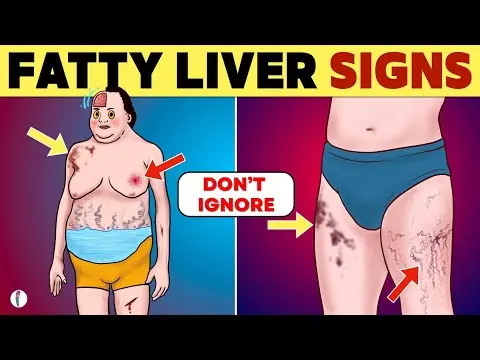
Your Body May Be Warning You About Fatty Liver Disease—Don't Ignore These 6 Signs 👇

Always Waking Up Between 3 and 4 AM? Experts Say It Could Be Worth Paying Attention To 😮👇
The Truth About Intimate Odor: 4 Common Causes Every Woman Should Know 💗👇

Drinking Coconut Water Could Change More Than Your Hydration—Doctors Explain 🥥👇

⚠️ 4 Early Warning Signs That Could Show Up Minutes Before a Stroke — Don’t Ignore The
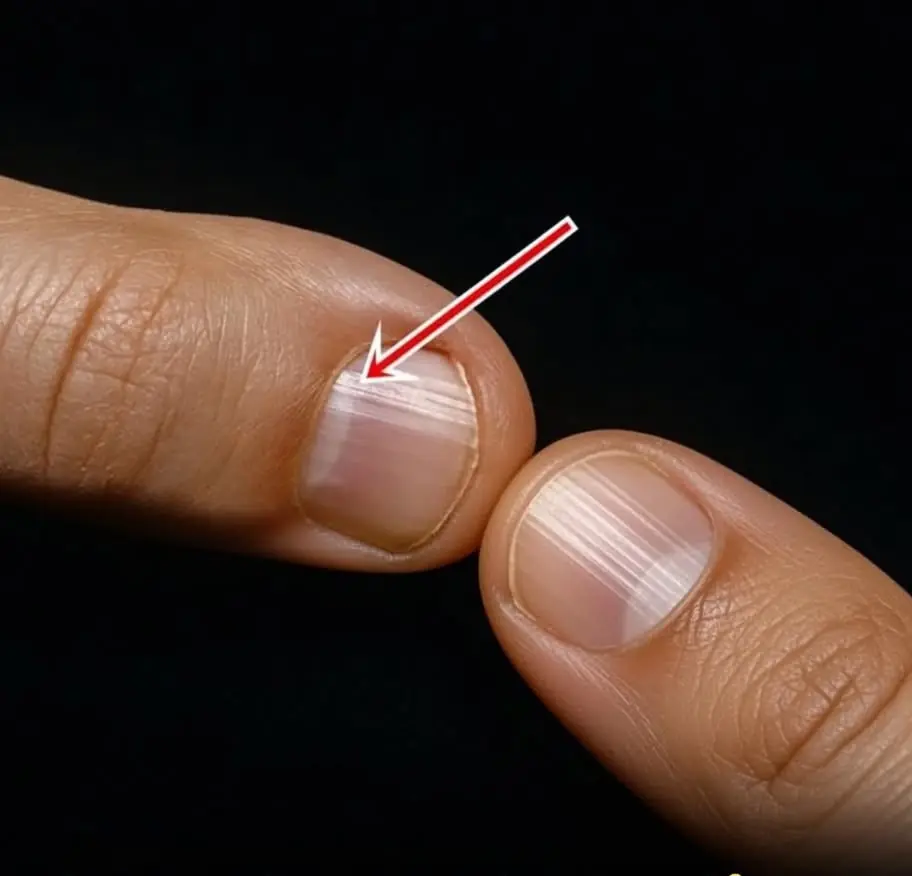
After 40, Your Nails Can Reveal Hidden Changes in Your Body—Don’t Ignore Thisa
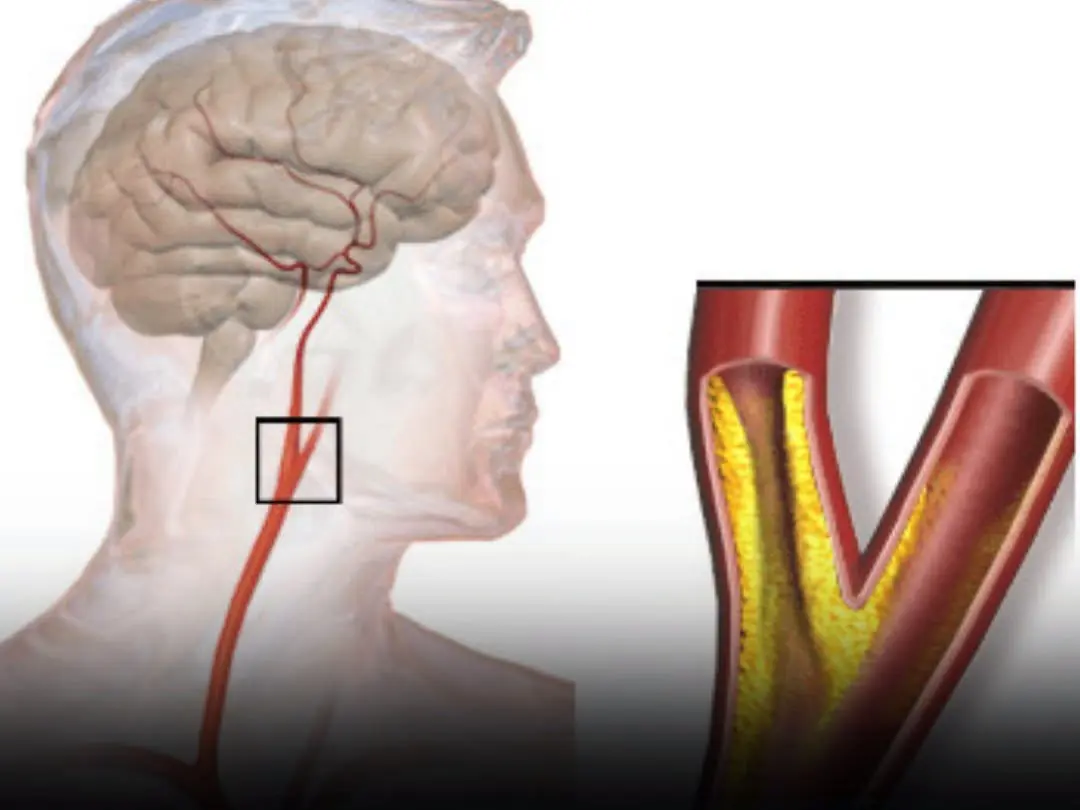
10 Warning Signs Your Arteries Might Be Clogged (Don’t Ignore These)
9 Subtle Symptoms That Could Be Early Signs of Diabetes

Your nails can reveal hidden health problems — don’t ignore these signs
Nighttime Bathroom Visits: What Frequent Urination Could Reveal About Your Healt

Your Body May Show These 7 Signs When Fa:tty Liver Disease Is Developing
Discover what truly sets farm-raised and store-bought beef apart today.

A rare newborn tooth left parents stunned but doctors offered reassurance.

Don't Ignore These Vein Changes If They Come With...
Doctors Reveal the Warning Signs of Low Blood Sugar
What Happens to Your Body When You Eat Peanuts

Moringa Seeds May Offer More Health Benefits Than Most People Realize
Most hand spots are harmless, but some deserve a closer look by a doctor.
Safe whitening tips that help brighten your smile without harming enamel.
Why Are Your Feet and Ankles Swollen? These Possible Reasons Could Explain It 👇
Your Body May Be Warning You About Fatty Liver Disease—Don't Ignore These 6 Signs 👇
Always Waking Up Between 3 and 4 AM? Experts Say It Could Be Worth Paying Attention To 😮👇
The Truth About Intimate Odor: 4 Common Causes Every Woman Should Know 💗👇
Drinking Coconut Water Could Change More Than Your Hydration—Doctors Explain 🥥👇
⚠️ 4 Early Warning Signs That Could Show Up Minutes Before a Stroke — Don’t Ignore The
After 40, Your Nails Can Reveal Hidden Changes in Your Body—Don’t Ignore Thisa
10 Warning Signs Your Arteries Might Be Clogged (Don’t Ignore These)
9 Subtle Symptoms That Could Be Early Signs of Diabetes
Your nails can reveal hidden health problems — don’t ignore these signs
Nighttime Bathroom Visits: What Frequent Urination Could Reveal About Your Healt
Your Body May Show These 7 Signs When Fa:tty Liver Disease Is Developing
Discover what truly sets farm-raised and store-bought beef apart today.
A rare newborn tooth left parents stunned but doctors offered reassurance.
Don't Ignore These Vein Changes If They Come With...
Doctors Reveal the Warning Signs of Low Blood Sugar
What Happens to Your Body When You Eat Peanuts