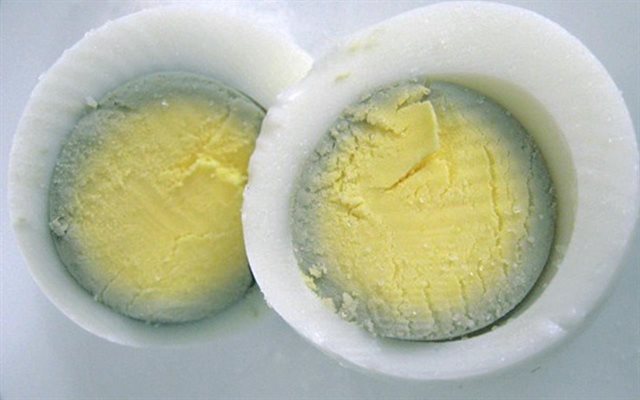
Have you ever peeled a hard-boiled egg, cut it in half, and noticed a strange green or grayish ring surrounding the yellow yolk?
At first glance, it can look alarming.
You might wonder whether the egg has spoiled, whether it was contaminated, or whether it's safe to eat. Some people even throw the entire egg away as soon as they see that unusual discoloration.
Fortunately, in most cases, a green ring around the yolk is not a sign that the egg has gone bad.
Instead, it's usually the result of a harmless chemical reaction that occurs when an egg is cooked for too long or at too high a temperature.
Understanding what causes this color change can help you avoid unnecessary food waste—and help you cook hard-boiled eggs with bright yellow yolks and a more appealing appearance.

What Causes the Green Ring Around a Hard-Boiled Egg?
The green ring forms because of a reaction between sulfur in the egg white and iron in the egg yolk.
Eggs naturally contain sulfur-containing compounds in the whites and iron in the yolks.
When an egg is exposed to prolonged heat, these compounds can react near the boundary between the white and yolk.
The reaction produces ferrous sulfide, a compound that has a greenish-gray appearance.
That's what creates the familiar ring around the yolk.
In other words, the green color isn't necessarily coming from mold, bacteria, or spoilage.
It's usually a consequence of overcooking.
Is a Green Ring a Sign That the Egg Has Spoiled?
Generally, no.
A green ring by itself doesn't mean that a hard-boiled egg is unsafe to eat.
If the egg was fresh before cooking, properly refrigerated afterward, and doesn't have any other signs of spoilage, the discoloration is generally harmless.
The color may look strange, but it doesn't automatically indicate contamination.
This is one of those situations where appearance can be misleading.
The egg may look unusual while still being perfectly edible.
Why Does the Ring Form Around the Yolk?
You may notice that the green color appears almost exactly where the egg white meets the yolk.
That's not a coincidence.
The chemical reaction happens at this boundary because sulfur-containing compounds from the white interact with iron-containing compounds associated with the yolk.
As the egg cooks, hydrogen sulfide can form in the white.
Under prolonged heating, it can react with iron near the surface of the yolk.
The result is a thin layer of greenish-gray ferrous sulfide.
That's why you often see a distinct ring rather than the entire yolk turning green.
Does Overcooking Cause It?
One of the most common causes is overcooking.
The longer an egg remains exposed to heat, the more opportunity there is for the chemical reaction to occur.
If you've ever boiled eggs for much longer than necessary, you may have noticed that the yolks become:
-
Dry
-
Crumbly
-
Pale
-
Greenish around the edges
The texture can also become less pleasant.
A perfectly cooked hard-boiled egg generally has a firm white and a yolk that is cooked through but still relatively moist and creamy.
Can High Heat Make the Ring More Noticeable?
Yes.
Temperature plays an important role.
Cooking an egg at excessively high heat can increase the likelihood of the discoloration, particularly when the egg remains in the hot water for an extended period.
You don't need violently boiling water to cook an egg.
A gentler cooking process can produce a more attractive result.
This is particularly useful if you're preparing eggs for:
-
Salads
-
Sandwiches
-
Meal preparation
-
Deviled eggs
-
Party platters
-
Lunch boxes
Does the Age of the Egg Matter?
The age of the egg can influence how easily the green ring develops, although cooking conditions are generally the more obvious factor.
Egg composition changes gradually during storage.
Older eggs can behave somewhat differently during cooking because their internal chemistry changes over time.
However, don't assume that a green ring means the egg was old.
A fresh egg can also develop the ring if it is overcooked.
The most important factors are generally time and temperature.
Why Do Some Eggs Get a Green Ring and Others Don't?
You might cook six eggs in the same pot and notice that only some have a visible green ring.
There are several possible reasons.
The eggs may differ slightly in:
-
Size
-
Age
-
Composition
-
Starting temperature
-
Position in the pot
-
Cooking time
-
Exposure to heat
Even small differences can influence how pronounced the reaction becomes.
The ring may also be extremely thin in one egg and much more noticeable in another.
Is the Green Color Dangerous?
For most people, the green ring itself isn't considered dangerous.
The chemical reaction responsible for the discoloration is not the same thing as bacterial spoilage.
That distinction is important.
A cooked egg can look unusual because of a harmless chemical reaction.
At the same time, an egg can look completely normal and still become unsafe if it has been improperly stored.
That's why color alone shouldn't be your only food-safety check.
How Can You Tell If a Hard-Boiled Egg Has Actually Gone Bad?
Instead of focusing only on the green ring, pay attention to other signs.
A spoiled hard-boiled egg may have:
An Unpleasant Sulfur-Like Odor
A strong rotten-egg smell is a major warning sign.
A normal hard-boiled egg can have a mild sulfur aroma, but an intensely unpleasant odor is different.
Slimy Texture
If the egg white feels unusually slimy or sticky, don't eat it.
Unusual Mold
Visible mold is a clear reason to discard the egg.
Strange Discoloration
While a green ring around the yolk can be harmless, unusual colors throughout the egg combined with other signs of spoilage should be treated cautiously.
Improper Storage
Even an egg that looks and smells normal can become unsafe if it has been left unrefrigerated for too long.
When in doubt, it's safer to discard it.
What Does a Green Ring Taste Like?
The green ring itself doesn't necessarily make the egg unsafe or dramatically change its flavor.
However, overcooked eggs can taste different.
The yolk may become:
-
Dry
-
Chalky
-
Crumbly
-
Slightly sulfurous
The texture is often more noticeable than the flavor.
That's why preventing the green ring isn't only about appearance.
It can also help you achieve a better-tasting egg.
How to Cook Hard-Boiled Eggs Without a Green Ring
If you want bright yellow yolks, controlling the cooking process is the key.
A simple method is to place the eggs in a pot and cover them with cool water.
Bring the water to a boil.
Once the water reaches a boil, reduce or turn off the heat depending on your preferred cooking method and allow the eggs to finish cooking in the hot water.
The exact timing can vary depending on:
-
Egg size
-
Starting temperature
-
Altitude
-
Desired yolk texture
-
Cooking method
The goal is to avoid unnecessarily prolonged exposure to intense heat.
Don't Leave the Eggs Sitting in Hot Water Too Long
One common mistake is cooking the eggs and then simply forgetting about them.
You might put them on the stove, walk away, and return much later.
By that point, the eggs may be thoroughly overcooked.
Even if they remain edible, the yolks may develop the green ring and a dry texture.
Using a timer is a simple way to prevent this.
The Ice Bath Trick
After cooking, transferring the eggs to an ice bath or very cold water can help stop the cooking process quickly.
This has several advantages.
It can:
-
Stop residual cooking
-
Reduce the chance of overcooking
-
Help preserve a bright yellow yolk
-
Make the eggs easier to peel
-
Cool the eggs quickly for refrigeration
Leave them in the cold water until they are sufficiently cooled.
Then dry them and refrigerate them.
Why Does an Ice Bath Help?
Even after you remove an egg from the stove, it remains extremely hot internally.
The cooking process doesn't immediately stop.
Residual heat can continue cooking the yolk.
Rapid cooling helps bring the temperature down much faster.
That means the egg spends less time at high temperatures after cooking.
This can help preserve both texture and appearance.
Does the Green Ring Mean You Cooked the Egg Wrong?
Not necessarily.
It's better to think of it as a sign that the egg was exposed to more heat than necessary.
The egg isn't automatically ruined.
If everything else about the egg is normal and it has been handled safely, you can generally still eat it.
You simply may not have achieved the ideal texture.
Cooking eggs is partly about finding the timing that works best for your kitchen and preferences.
What About Green Eggs in Deviled Eggs?
A green ring can be particularly noticeable when making deviled eggs.
Because you cut the egg in half, the discoloration becomes immediately visible.
If you're serving guests, the appearance may be less appealing.
To get a cleaner presentation:
-
Cook the eggs until fully set.
-
Avoid excessive cooking time.
-
Cool them quickly.
-
Refrigerate them properly.
-
Peel them carefully.
-
Cut them cleanly in half.
Bright yellow yolks tend to make deviled eggs look much more appetizing.
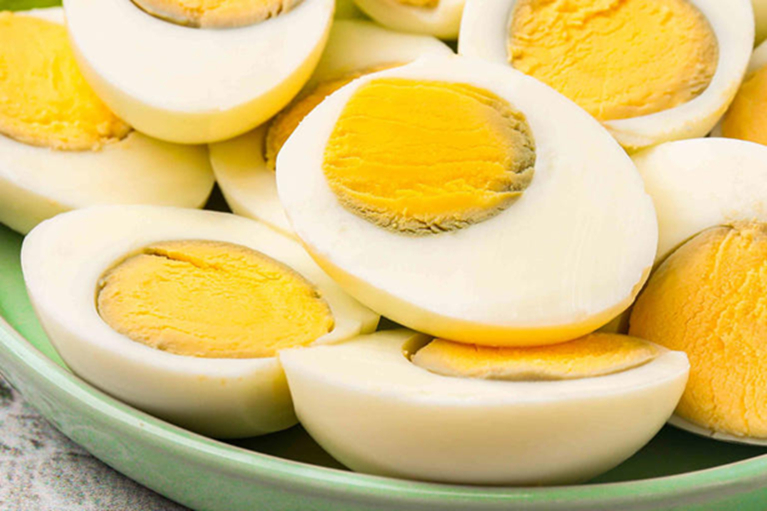
Can You Prevent the Green Ring Completely?
You can reduce the likelihood, but you may not always eliminate it completely.
Eggs naturally vary.
The most effective strategies are:
-
Avoid overcooking
-
Don't use unnecessarily high heat
-
Use a timer
-
Cool the eggs quickly
-
Don't leave cooked eggs sitting in hot water
-
Refrigerate them properly
These steps can significantly improve the appearance and texture.
Does Adding Salt or Vinegar Prevent the Green Ring?
You'll find many home-cooking tips suggesting that adding salt or vinegar to the cooking water prevents the green ring.
These ingredients may have other benefits, such as making peeling easier in certain circumstances, but they aren't the primary solution to the green discoloration.
The main factor is still controlling cooking time and temperature.
Don't rely on kitchen myths when a simple adjustment to the cooking process can solve the problem.
Why Does the Yolk Sometimes Turn Completely Green?
A thin green ring is the classic result of overcooking.
But occasionally, the discoloration can extend further into the yolk.
This can happen when the egg has been subjected to particularly prolonged or intense heating.
The same basic chemical reaction is involved.
It may look dramatic, but the color itself doesn't necessarily mean the egg has spoiled.
Again, evaluate the egg based on its smell, texture, storage history, and overall condition.
What About Gray Rings?
The ring may not always look bright green.
Depending on the egg and cooking conditions, you might see:
-
Gray
-
Greenish-gray
-
Dark green
-
Slightly blue-green
The appearance can vary.
The underlying process is still generally related to the interaction between sulfur and iron during cooking.
Why Do Hard-Boiled Eggs Smell Sulfurous?
Eggs naturally contain sulfur.
When heated, sulfur-containing compounds can produce volatile substances that give cooked eggs their characteristic smell.
This is why a hard-boiled egg may have a mild sulfur aroma.
Overcooking can make that smell more noticeable.
So if your kitchen smells strongly of boiled eggs after you've left them cooking for a long time, that's another clue that they may have been exposed to excessive heat.
Is a Mild Egg Smell Normal?
Yes.
A mild sulfur smell can be completely normal for cooked eggs.
The important distinction is intensity.
A normal cooked egg may have a recognizable eggy aroma.
A spoiled egg tends to have a much stronger, unpleasant odor.
If you open the container and immediately notice a powerful rotten smell, it's best not to take chances.
How Long Can Hard-Boiled Eggs Be Stored?
Proper storage is extremely important.
Once eggs are cooked, they should be refrigerated promptly rather than being left at room temperature for extended periods.
Hard-boiled eggs are generally best consumed within about one week when properly refrigerated.
If the eggs have been sitting out for an extended period, especially in warm conditions, don't rely on smell or appearance alone.
Food safety should always come first.
Should You Peel Eggs Before Refrigerating Them?
You can refrigerate hard-boiled eggs either peeled or unpeeled.
Keeping the shell intact can help protect the egg from exposure and can make storage convenient.
If you've already peeled the eggs, place them in a clean, covered container and refrigerate them.
Whatever method you use, keep the eggs properly chilled.
Can You Freeze Hard-Boiled Eggs?
Freezing whole hard-boiled eggs generally isn't recommended because the texture can become unpleasant.
The whites can become rubbery or watery after freezing and thawing.
If you need to prepare eggs ahead of time, refrigeration is generally the better option.
Is the Green Ring a Sign of Extra Nutrients?
No.
You may encounter claims that the green ring means the egg has "extra iron" or is somehow more nutritious.
That's not a reliable interpretation.
The green color comes from a chemical reaction involving sulfur and iron.
It doesn't mean the egg suddenly contains a special concentration of nutrients.
Does the Green Ring Mean the Egg Has Too Much Iron?
No.
The presence of the green ring doesn't indicate that the egg contains an unusually high amount of iron.
Iron is naturally present in egg yolks.
The discoloration occurs because of how the iron interacts chemically with sulfur during prolonged cooking.
It's about chemistry—not a nutritional warning.
What If a Child Eats a Green-Ringed Egg?
If the egg was properly cooked and stored and the only unusual feature is a green ring around the yolk, the discoloration itself isn't generally a reason to panic.
The bigger food-safety concern is whether the egg was properly handled and stored.
Children can be more vulnerable to foodborne illness, so it's especially important to follow safe food-handling practices.
What If the Egg Has a Green Ring but Smells Fine?
If the egg has been properly refrigerated and the only unusual feature is the green ring, the discoloration is usually due to overcooking rather than spoilage.
The ring can be unattractive, but it isn't automatically dangerous.
Still, if you're uncertain about how long the egg has been stored or whether it was kept at a safe temperature, it's better to discard it.
What If the Egg Looks Normal but Smells Bad?
This is the opposite situation.
Don't assume an egg is safe just because the yolk looks perfectly yellow.
If the egg has a strong, unpleasant odor or other signs of spoilage, throw it away.
A normal appearance does not guarantee safety.
The Difference Between Appearance and Food Safety
This is one of the most useful lessons from the green-ring phenomenon.
Not every unusual appearance means an egg is unsafe.
And:
Not every normal-looking egg is necessarily safe.
Food safety depends heavily on:
-
Freshness
-
Cooking
-
Storage
-
Temperature control
-
Hygiene
-
Time
That's why it's important to evaluate the entire situation rather than focusing on one visual characteristic.
A Simple Way to Remember It
If you cut open a hard-boiled egg and see:
Yellow yolk
Usually exactly what you want.
Greenish ring
Usually a sign of overcooking.
Dry, crumbly yolk
Likely overcooked.
Strong rotten odor
Discard it.
Slimy texture
Discard it.
Unknown storage history
When in doubt, throw it out.
How to Get Perfect Hard-Boiled Eggs
If your goal is a bright yellow yolk with a firm but pleasant texture, consistency is everything.
Try this basic approach:
Step 1: Place the eggs in a saucepan.
Step 2: Cover them with cool water.
Step 3: Bring the water to a boil.
Step 4: Reduce the heat or remove the pot from direct heat according to your preferred cooking method.
Step 5: Allow the eggs to cook until the yolks are fully set.
Step 6: Immediately transfer the eggs to very cold water.
Step 7: Allow them to cool thoroughly.
Step 8: Refrigerate any eggs you're not eating immediately.
The exact timing may require a little experimentation because stoves, pots, egg sizes, and starting temperatures vary.
Why Perfect Eggs Take a Little Practice
Cooking eggs isn't quite as simple as setting one universal timer.
A large egg straight from the refrigerator behaves differently from a smaller egg at room temperature.
A shallow saucepan heats differently from a deep pot.
A high-powered stove can bring water to a boil faster.
Altitude can also affect boiling temperature.
That's why the best approach is to start with a reliable method and then adjust the cooking time based on your results.
If your yolks repeatedly develop green rings, shorten the cooking time or cool the eggs more quickly.
Don't Let a Green Ring Scare You
The next time you see that strange green circle around an egg yolk, there's no need to immediately assume something is wrong.
In most cases, you're simply looking at the result of sulfur and iron reacting during prolonged cooking.
It's one of those fascinating examples of food chemistry happening right in your kitchen.
The egg may not look perfect, but the green ring itself isn't generally a sign of spoilage.
What matters much more is whether the egg was properly cooked, cooled, stored, and handled.
Final Thoughts
A green ring around the yolk of a hard-boiled egg can certainly look strange.
But the explanation is actually quite simple.
When an egg is cooked for too long or exposed to excessive heat, sulfur-containing compounds in the egg white can react with iron near the yolk. This produces a greenish-gray compound called ferrous sulfide, creating the familiar ring.
In most cases, the green ring is harmless and simply means the egg was overcooked.
It doesn't automatically mean the egg is rotten, contaminated, or unsafe.
If you want to prevent it, focus on controlling cooking time and temperature, then cool the eggs quickly after cooking.
And remember: a green ring is usually a cooking issue - not a spoilage warning.
So the next time you slice open a hard-boiled egg and see a thin green circle around the yolk, don't panic.
You probably didn't discover a dangerous egg.
You simply discovered a little bit of kitchen chemistry.