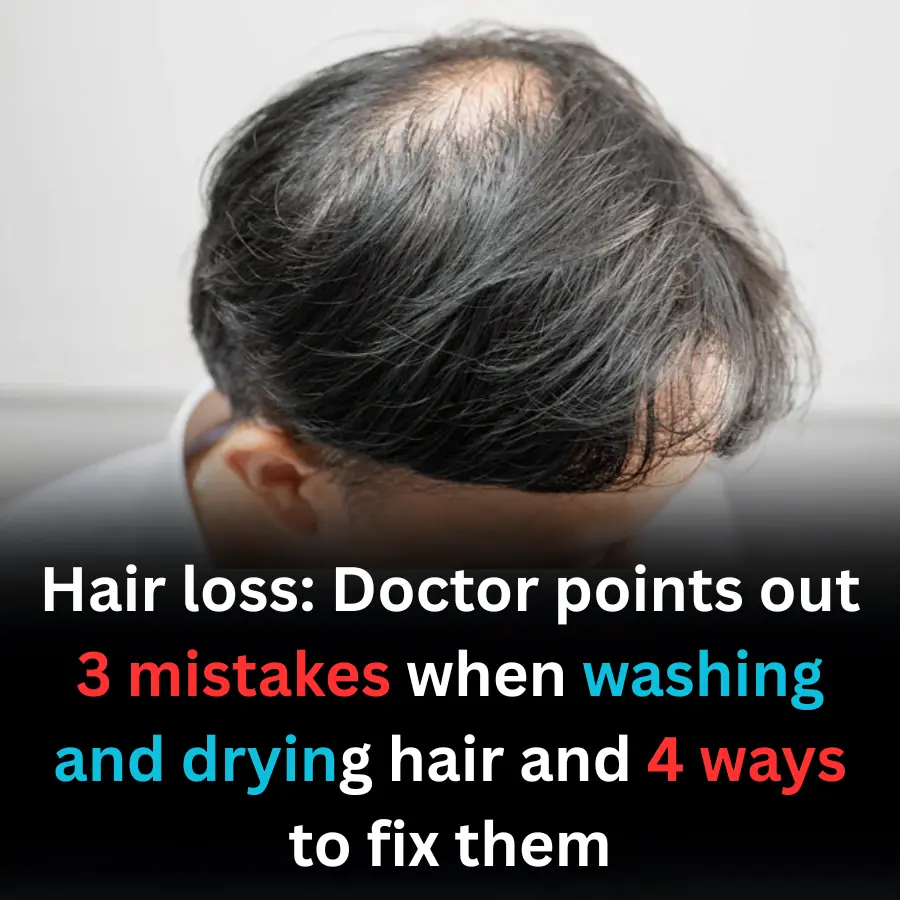
Dry winter air, low humidity, and the habit of washing hair with hot water all contribute to increased hair loss, dryness, and breakage. However, doctors say that simply adjusting a few care habits and nutritional choices can significantly improve winter hair shedding.
How to treat hair loss during winter
Why does winter cause more hair loss?
When winter arrives, many people notice their hair becoming dry, brittle, and shedding more than usual. This is a common phenomenon resulting from several combined factors.
Cold air naturally has low humidity. Indoors, heaters are used more often, causing the air to become even drier, pulling moisture from both the skin and hair. Without adequate moisture, the outer protective cuticle becomes fragile, making hair more prone to damage and breakage.
Hair also loses elasticity, becomes static, and breaks more easily from mechanical friction (such as brushing or tying hair). Moreover, lifestyle changes during colder months unintentionally worsen the shedding problem.
Experts emphasize that this condition can be managed effectively if you understand the underlying causes and apply the right protective measures.
Three hair-washing and drying mistakes that worsen hair loss
During winter, many people change their washing habits, which directly weakens hair follicles and increases shedding.
Using water that is too hot
This is the most common and harmful mistake. While hot water feels relaxing, it is the number-one cause of scalp dryness and hair loss. High temperatures strip away the natural oils (sebum) that protect the scalp.
Once this protective barrier is removed, the scalp becomes dry, flaky, and itchy. More importantly, hair follicles lose their natural protection and become weak and prone to shedding. Therefore, lukewarm water is the ideal temperature for washing hair without causing hair loss.
Washing hair too frequently
Frequent washing—especially with hot water—further strips away essential oils. The drier the scalp becomes, the more fragile the hair. In winter, you should reduce washing frequency to 2–3 times per week.
Overusing high heat when blow-drying
Blow-drying hair at high temperatures causes already dry strands to lose moisture quickly, becoming brittle and breaking mid-shaft. Always use the cool or low-warm setting. Also minimize the use of flat irons and curling irons during winter to reduce damage.
How to care for your hair properly and reduce shedding in winter
Aside from eliminating damaging habits, protecting and nourishing your hair from within is essential for maintaining strong, healthy strands during dry seasons.
Protect your hair when going outside
Always wear a hat or scarf in cold weather. This protects hair from cold winds, prevents excessive moisture loss, and reduces frizz and breakage.
Reduce mechanical stress on the hair
Winter hair is fragile. Tight hairstyles pull excessively on the roots, causing mechanical hair loss. Opt for loose styles or use soft fabric hair ties.
What to eat to reduce hair loss from within?
Hair is primarily made of protein (keratin). To strengthen hair and promote healthy growth, incorporate the following nutrients into your daily meals:
Increase protein intake: eggs, fish, poultry, legumes, and nuts
Increase omega-3 fatty acids: salmon, avocado, flaxseeds
Drink enough water: keeps the scalp and hair hydrated from the inside out
Scalp massage to stimulate hair growth
Gently massaging the scalp each day boosts blood circulation, delivering oxygen and nutrients to the hair follicles. This simple technique strengthens roots and reduces hair loss.