Colon polyps are surprisingly common, especially as people get older. Many are discovered during routine screening colonoscopies before they cause any noticeable symptoms.
That is one reason colon polyps can be easy to overlook.
A person may feel perfectly healthy while a polyp is quietly growing inside the colon. In many cases, there are no changes in bowel movements, no abdominal pain, and no obvious warning signs at all.
However, some polyps—particularly larger polyps or those that bleed - can be associated with changes in bowel habits or stool.
If you already know that you have colon polyps, or you've previously had polyps removed, it's important to understand which changes deserve attention.
Four bowel-related changes are particularly worth knowing:
-
Blood in or on the stool
-
A persistent change in bowel habits
-
Unusual changes in stool appearance or consistency
-
Mucus or other unexplained changes accompanying bowel movements
These symptoms don't automatically mean that a polyp is becoming cancerous. They can have many other causes, including hemorrhoids, constipation, infections, inflammatory bowel disease, medications, and dietary changes.
Still, persistent or unexplained changes should not simply be dismissed.
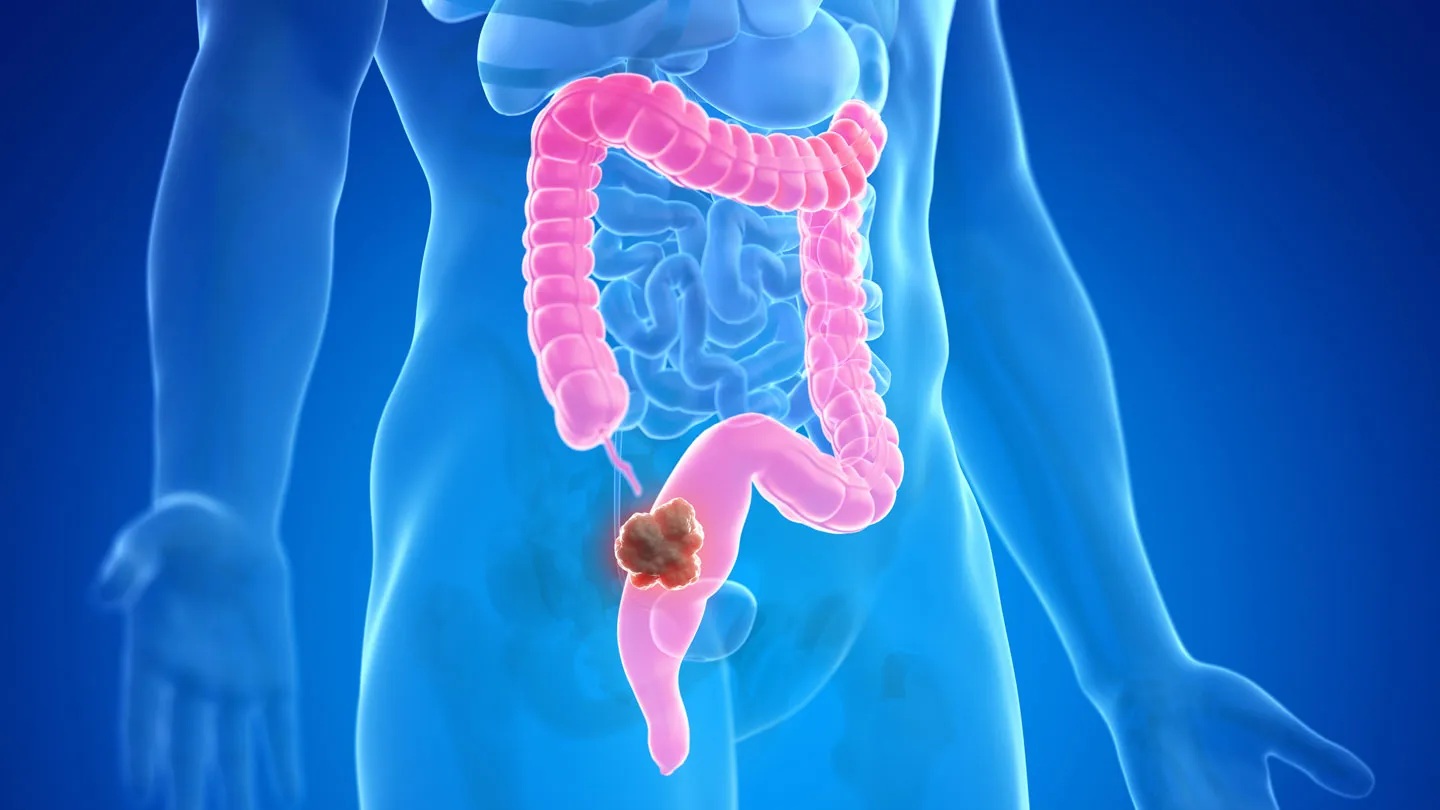
What Exactly Is a Colon Polyp?
A colon polyp is a growth that develops from the lining of the colon.
Polyps can vary considerably in:
-
Size
-
Shape
-
Number
-
Location
-
Microscopic appearance
-
Potential to become cancerous
Some polyps are considered precancerous, meaning they have characteristics associated with a higher future risk of colorectal cancer.
Others have little or no potential to become cancerous.
This distinction is important because the word “polyp” doesn't automatically mean cancer.
In fact, one of the major reasons colonoscopy screening is valuable is that doctors can often find and remove certain polyps before they have the opportunity to develop into cancer.
Most Colon Polyps Don't Cause Symptoms
This is perhaps the most important thing to understand.
You shouldn't rely on bowel movements alone to determine whether you have a colon polyp.
Many polyps cause no symptoms whatsoever.
A person can have a polyp and experience:
-
Normal bowel movements
-
Normal appetite
-
No abdominal pain
-
No weight loss
-
No visible blood
This is why age-appropriate colorectal cancer screening and follow-up after polyp removal are so important.
A symptom-free person can still have a polyp.
Likewise, having bowel symptoms doesn't automatically mean that you have one.
1. Blood in or on the Stool
One of the most important changes to recognize is rectal bleeding or blood associated with bowel movements.
Blood may appear:
-
Bright red on toilet paper
-
Bright red on the surface of stool
-
Mixed into the stool
-
Darker than usual
-
As black or tarry stool in certain circumstances
Polyps can sometimes bleed, particularly when they become larger or are located in areas where stool repeatedly passes over them.
But blood in the stool has many possible causes.
Common possibilities include:
-
Hemorrhoids
-
Anal fissures
-
Constipation
-
Diverticular disease
-
Inflammatory bowel disease
-
Intestinal infections
-
Polyps
-
Colorectal cancer
-
Other gastrointestinal conditions
So seeing blood doesn't mean you have cancer.
But it also shouldn't automatically be blamed on hemorrhoids.
Why the Color of Blood Matters
The appearance of blood can provide clues about where bleeding might be occurring.
Bright-red blood often comes from somewhere closer to the rectum or anus, although this isn't always the case.
Dark or maroon-colored blood can sometimes indicate bleeding farther inside the gastrointestinal tract.
Black, tarry stool, known as melena, can indicate bleeding higher in the digestive tract and warrants medical attention.
However, food and medications can sometimes change stool color.
For example, iron supplements and certain foods can make stool appear darker.
Because of these variations, the appearance of stool alone cannot establish the source of bleeding.
Don't Assume Rectal Bleeding Is “Just Hemorrhoids”
Hemorrhoids are extremely common.
They can cause bright-red blood, particularly after straining or passing a hard stool.
But if you already have known colon polyps, new or persistent bleeding deserves discussion with your healthcare professional.
The reason is simple:
More than one condition can exist at the same time.
A person can have hemorrhoids and a colon polyp.
Therefore, discovering hemorrhoids doesn't automatically explain every episode of rectal bleeding.
2. A Persistent Change in Bowel Habits
Another change worth paying attention to is a persistent alteration in your normal bowel pattern.
Everyone's bowel habits are different.
Some people have bowel movements several times a day.
Others go once a day or every couple of days.
What matters is a significant change from your personal baseline that persists without an obvious explanation.
Examples can include:
-
New constipation
-
New diarrhea
-
Alternating constipation and diarrhea
-
More frequent bowel movements
-
Less frequent bowel movements
-
A persistent feeling that you haven't completely emptied your bowel
Occasional changes are common.
Your diet, stress level, travel, illness, hydration, exercise, and medications can all affect bowel habits.
The concern increases when the change is persistent or accompanied by other symptoms.
What Does “Persistent” Mean?
There isn't one exact number of days that applies to every person.
A temporary change after eating differently or experiencing a stomach infection may resolve on its own.
But if your bowel habits remain noticeably different for an extended period—especially if the change is unexplained—it's reasonable to talk with a healthcare professional.
For someone with a history of colon polyps, this becomes particularly relevant because their medical history may influence the appropriate follow-up.
Don't wait for symptoms to become severe before asking questions.
3. Unusual Changes in Stool Shape or Consistency
You may also notice that your stool looks different from normal.
Possible changes include:
-
Persistently loose stools
-
Persistent constipation
-
Very hard stools
-
Narrower-than-usual stools
-
Changes in stool texture
-
Stool that appears unusually fragmented
A commonly discussed warning sign is persistently narrow or pencil-thin stool.
However, this symptom is often misunderstood.
A narrow bowel movement does not automatically mean that a tumor or polyp is blocking the colon.
Stool shape can change because of:
-
Constipation
-
Diet
-
Stool consistency
-
Temporary intestinal changes
-
Irritable bowel syndrome
-
Changes in how the bowel contracts
So an occasional narrow bowel movement is usually not enough to indicate a serious problem.
The more important issue is a persistent, unexplained change, especially when it occurs together with bleeding, abdominal pain, weight loss, or anemia.
Why Can a Growth Affect Bowel Movements?
Large lesions in the colon can sometimes interfere with the normal passage of stool.
However, not every polyp is large enough to affect the shape or movement of stool.
Many polyps are small and cause no obstruction whatsoever.
This is why you shouldn't think of bowel changes as a direct “test” for the size or danger of a polyp.
A colonoscopy or other appropriate medical evaluation is far more informative.
4. Mucus or Other Unexplained Changes
Mucus is naturally produced by the intestines and helps stool move through the digestive tract.
A small amount may not be noticeable.
But if you begin seeing persistent or unusually large amounts of mucus, particularly when accompanied by other bowel changes, it's worth discussing with a healthcare professional.
Mucus can occur with many conditions, including:
-
Irritable bowel syndrome
-
Inflammatory bowel disease
-
Intestinal infections
-
Rectal irritation
-
Hemorrhoids
-
Other gastrointestinal conditions
Polyps aren't the most common explanation for mucus.
Nevertheless, an unexplained persistent change should be evaluated in context.
What About the Feeling That You Still Need to Go?
Another bowel-related symptom is a persistent sensation that you need to have another bowel movement even after you've already gone.
This feeling is sometimes called tenesmus.
It can occur for several reasons, including inflammation or irritation in the rectum and colon.
In some cases, a growth in the colorectal area can contribute to this sensation.
But again, it's not specific to polyps.
Infections, inflammatory bowel disease, hemorrhoids, and other conditions can cause similar symptoms.
If the sensation continues or repeatedly interferes with normal bowel movements, medical evaluation is appropriate.
Abdominal Symptoms Can Matter Too
Although this article focuses on bowel movements, symptoms elsewhere in the abdomen can provide important context.
Possible concerning symptoms include:
-
Persistent abdominal discomfort
-
Cramping
-
Bloating
-
A feeling of fullness
-
Unexplained abdominal pain
-
Increasing difficulty passing stool or gas
Most abdominal discomfort isn't caused by colon polyps.
Gas, constipation, food intolerance, and many other common conditions can cause similar symptoms.
But persistent or worsening abdominal symptoms should be evaluated, particularly when they occur alongside bowel changes or rectal bleeding.
Unexplained Weight Loss Is Another Important Clue
Unintentional weight loss is not a typical consequence of every colon polyp.
However, unexplained weight loss can be a warning sign of various medical conditions, including some gastrointestinal diseases and cancers.
If you're losing weight without deliberately changing your diet or activity level, tell your healthcare professional.
The combination of:
bowel changes + bleeding + unexplained weight loss
deserves particular attention.
That combination doesn't prove cancer, but it warrants appropriate medical evaluation.
What About Fatigue?
Fatigue may seem unrelated to bowel movements, but there can be a connection.
A polyp or another gastrointestinal lesion that bleeds slowly over time may contribute to iron-deficiency anemia.
The bleeding may be too small to see.
Over time, however, repeated blood loss can reduce iron stores and eventually lower hemoglobin.
Possible symptoms of anemia include:
-
Fatigue
-
Weakness
-
Reduced exercise tolerance
-
Shortness of breath with exertion
-
Dizziness
-
Pale skin
-
Headaches
-
Difficulty concentrating
Iron-deficiency anemia doesn't automatically mean colorectal cancer or a bleeding polyp.
There are many possible causes.
But unexplained iron-deficiency anemia—especially in an older adult—should be investigated.
