Ginger has been used for centuries in cooking and traditional medicine. Its distinctive flavor makes it a popular ingredient in teas, soups, sauces, and countless dishes around the world.
Modern research has also investigated ginger for several potential benefits, including its possible effects on nausea, digestion, and inflammation. For many healthy adults, consuming ordinary amounts of ginger as part of food is generally well tolerated.
But there is an important point that is sometimes overlooked:
Natural does not automatically mean risk-free.
Ginger contains biologically active compounds that can affect the body. In some people—particularly those with certain medical conditions or those taking specific medications—large amounts of ginger or concentrated ginger supplements may not be appropriate.
That does not necessarily mean you need to eliminate ginger from your diet. In many cases, the concern is more about quantity, concentrated supplements, and individual circumstances.
Here are five situations in which you may want to limit ginger or talk with a healthcare professional before using it regularly in medicinal amounts.
1. You Have a Bleeding Disorder or Take Blood-Thinning Medication
One of the most important considerations involves blood clotting.
Ginger has been studied for possible effects on platelet aggregation, which is part of the body's normal clotting process. Although evidence about the real-world significance of this effect is not completely consistent, caution may be appropriate when ginger is consumed in concentrated amounts alongside medications that affect blood clotting.
Examples include anticoagulant and antiplatelet medicines.
If you take a blood thinner, don't assume that a ginger supplement is automatically safe simply because it is labeled “natural.”
The risk may be different between using a small amount of fresh ginger in cooking and taking a concentrated extract or supplement.
If you are taking medication that affects clotting, ask your doctor or pharmacist whether regular medicinal doses of ginger are appropriate for you.
What Should You Do?
You generally do not need to panic about a little ginger in a meal.
However, avoid starting high-dose ginger supplements without professional advice if you take medication that affects blood clotting.
If you are preparing for surgery, it is also wise to tell your healthcare team about any supplements or concentrated herbal products you use.
2. You Have Gallstones or Gallbladder Problems
Ginger can influence digestive activity, and some traditional uses of ginger involve supporting digestion.
For people with certain gallbladder conditions, however, stimulating digestive processes may not always be desirable.
Gallstones can sometimes cause significant pain when the gallbladder contracts and a stone obstructs a bile duct. Because individual circumstances vary, people with known gallstones or other gallbladder problems should discuss concentrated ginger use with their healthcare provider rather than assuming that more is better.
This is particularly relevant if you are considering ginger supplements, ginger shots, or medicinal preparations rather than ordinary culinary amounts.
Watch for Symptoms
If you have known gallstones and experience:
- Severe or persistent pain in the upper right abdomen
- Pain after eating that does not go away
- Fever or chills
- Yellowing of the skin or eyes
- Persistent vomiting
you should seek medical attention rather than attempting to manage the symptoms with ginger or other home remedies.
3. You Have Diabetes or Take Blood-Sugar-Lowering Medication
Ginger has attracted attention for its possible effects on blood glucose and insulin-related processes.
Some studies have reported potentially beneficial effects, but research findings are not consistent enough to treat ginger as a diabetes medication.
The other side of this issue is that if ginger does have a glucose-lowering effect, consuming large quantities or concentrated supplements alongside diabetes medication could potentially contribute to blood sugar becoming too low in some people.
This is particularly important for anyone using medication that can cause hypoglycemia.
If you have diabetes, ginger can still be part of your diet. The important thing is to avoid assuming that a larger dose will produce greater health benefits.
Food vs. Supplements
A small amount of ginger used to flavor a meal is very different from taking a concentrated ginger extract every day.
If you monitor your blood glucose regularly, pay attention to changes after introducing a new supplement and discuss unexpected changes with your healthcare professional.
Never change or stop prescribed diabetes medication simply because you have started consuming ginger.:quality(75)/meo_bao_quan_gung_tuoi_9213d5fadb.jpg)
4. You Have Frequent Heartburn, Acid Reflux, or a Sensitive Stomach
Ginger is often associated with digestive comfort, and some people find ginger tea soothing.
However, not everyone's digestive system reacts the same way.
Ginger can cause gastrointestinal symptoms in some people, particularly when consumed in large quantities. Possible effects include stomach discomfort, heartburn, diarrhea, or irritation.
If you already suffer from frequent acid reflux or a sensitive stomach, concentrated ginger shots, large amounts of raw ginger, or strong ginger preparations may make symptoms worse for you.
This does not mean that everyone with reflux must avoid ginger.
It simply means that your individual response matters.
If you notice that heartburn consistently becomes worse after consuming ginger, reduce the amount or stop using it and see whether your symptoms improve.
Persistent or severe reflux should be evaluated by a healthcare professional rather than treated exclusively with dietary changes.
5. You Are Pregnant or Have Special Medical Considerations
Ginger is commonly used to help manage nausea, including nausea during pregnancy, and some evidence suggests that it may help certain people with pregnancy-related nausea and vomiting.
However, pregnancy is also a time when supplement use deserves additional caution.
The amount and form of ginger matter. Using ginger as a normal food ingredient is different from taking high-dose supplements or concentrated extracts.
If you are pregnant, breastfeeding, or have a complicated medical history, talk with your healthcare professional before taking concentrated ginger products.
The same principle applies to people with multiple health conditions or those taking several medications.
Your doctor or pharmacist can consider your individual circumstances and determine whether a particular product or dose is appropriate.
Why Does the Amount of Ginger Matter?
One of the biggest misunderstandings surrounding herbal remedies is the assumption that if a small amount is beneficial, a larger amount must be even better.
That is not necessarily true.
Ginger contains active compounds such as gingerols and related substances. These compounds are part of the reason researchers are interested in ginger, but they can also produce unwanted effects when consumed in excessive amounts.
Think about the difference between:
A small piece of fresh ginger in a meal
and
A concentrated ginger extract taken every day.
They are not equivalent.
The second product may deliver a much higher dose of active compounds in a shorter period.
This is why caution is especially important with supplements, extracts, powders, and highly concentrated drinks.
Ginger Tea, Fresh Ginger, Powder, or Supplements?
The form of ginger can make a significant difference.
Fresh Ginger
Fresh ginger is commonly used in cooking and beverages. For most people, moderate culinary consumption is generally well tolerated.
Ginger Tea
Ginger tea can be a relatively simple way to consume ginger. However, the strength of homemade or commercial preparations can vary considerably.
Dried Ginger Powder
Powdered ginger is more concentrated by weight than fresh ginger because much of the water has been removed.
That means portion size matters.
Ginger Supplements
Supplements can provide concentrated amounts of ginger compounds and may have a greater potential for interactions or side effects.
If you take prescription medication, don't assume a ginger supplement is harmless simply because it is sold without a prescription.
Possible Side Effects of Too Much Ginger
Even people without the health conditions mentioned above can experience side effects if they consume large amounts of ginger.
Possible symptoms include:
- Heartburn
- Stomach discomfort
- Abdominal irritation
- Diarrhea
- Mouth or throat irritation
- Increased digestive discomfort
The amount that causes problems varies from person to person.
If you experience unusual symptoms after starting a ginger supplement, consider stopping the supplement and speaking with a healthcare professional.
What About Ginger Shots?
Ginger shots have become increasingly popular because they are convenient and often marketed as powerful wellness drinks.
But concentrated does not necessarily mean healthier.
A ginger shot can contain substantially more ginger than someone would normally consume in a meal. Some products also contain citrus juice, cayenne, sweeteners, or other ingredients that may affect people with sensitive stomachs.
If you have reflux, diabetes, take blood-thinning medication, or have another medical condition, check the ingredients and consider discussing concentrated ginger products with your healthcare provider.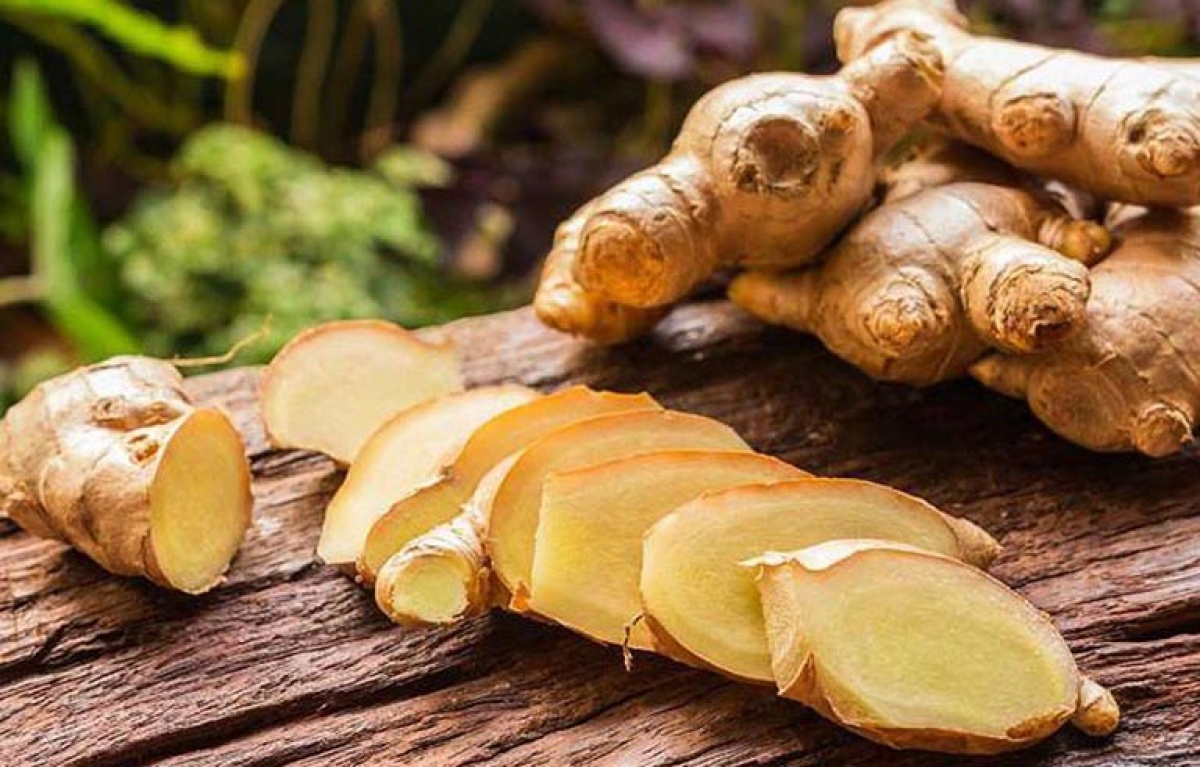
Should You Stop Eating Ginger Completely?
For most people, the answer is not necessarily.
There is a big difference between saying “be cautious with ginger” and saying “never eat ginger.”
Many people can enjoy ginger in ordinary food amounts without problems.
The concern becomes greater when someone has a relevant medical condition, takes medications that may interact with ginger, or consumes unusually large amounts through supplements and concentrated products.
Instead of thinking in terms of “ginger is good” or “ginger is bad,” it is more useful to ask:
How much am I consuming, in what form, and how does it fit with my health situation?
A Simple Rule to Remember
If you are healthy and enjoy ginger as a food, moderate culinary use is generally very different from taking high-dose supplements.
If you have a medical condition or take prescription medication, don't automatically assume that increasing your ginger intake will improve your health.
And if you are considering ginger for a specific health problem, discuss it with a qualified healthcare professional before using it as a treatment.
The Bottom Line
Ginger is a flavorful and nutritious ingredient with a long history of traditional use and growing scientific interest.
It may offer useful benefits for some people, particularly in areas such as nausea and digestive symptoms. But it is not a universal remedy, and more is not always better.
People with bleeding or clotting concerns, gallbladder problems, diabetes, frequent acid reflux or sensitive stomachs, or special circumstances such as pregnancy may need to be more careful with medicinal doses or concentrated ginger products.
The safest approach is simple:
Enjoy ginger as part of a balanced diet, pay attention to how your body responds, and be cautious with concentrated supplements.
If you take medication or have a chronic health condition, a doctor or pharmacist can help you determine whether a particular amount or form of ginger is appropriate for you.
Natural remedies can have real biological effects—which is exactly why they deserve the same thoughtful approach we give to any other active substance.