Have You Ever Felt Paralyzed While Sleeping? Here’s What’s Really Happening
6
Waking up but unable to move. Trying to scream—but no sound comes out. Feeling like something is in the room… or even sitting on your chest.
If that sounds familiar, it’s not something supernatural.
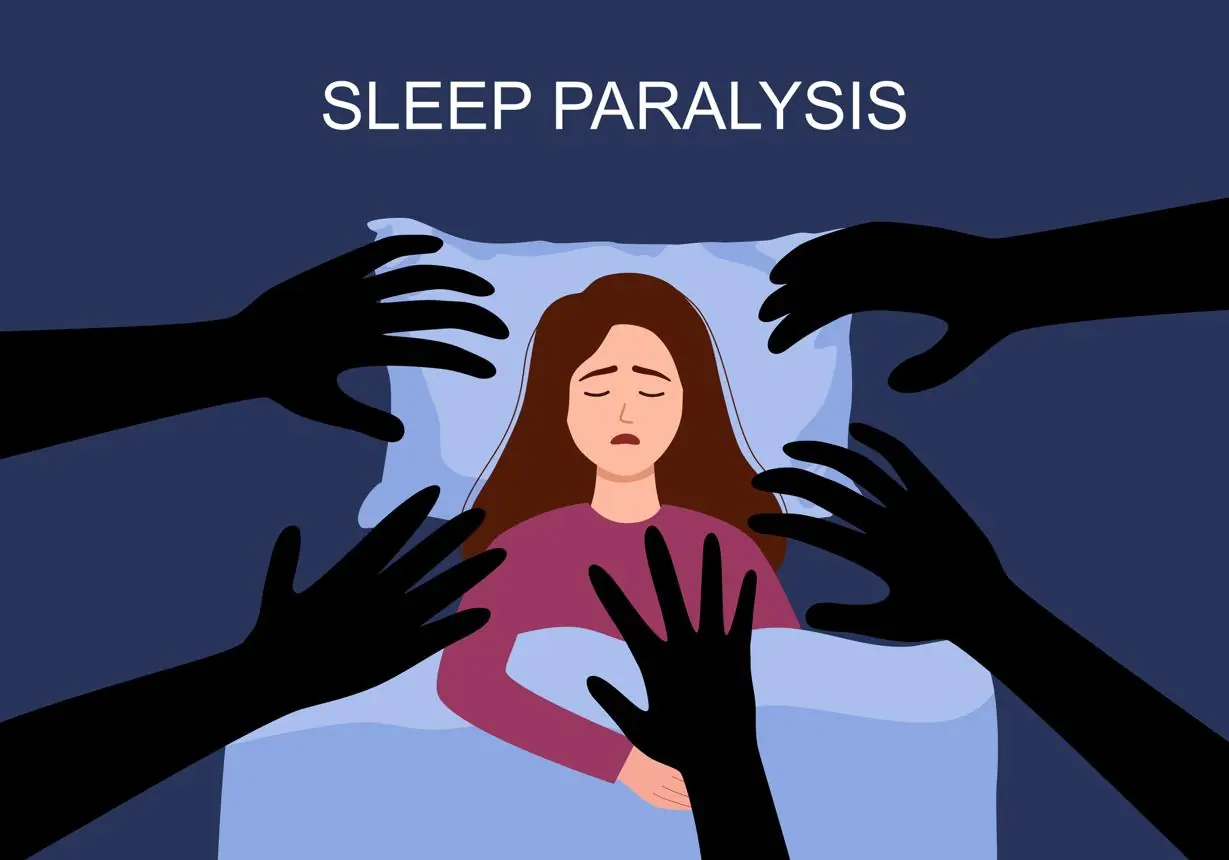
It’s a real and well-documented condition called sleep paralysis.
And honestly? It feels terrifying—but it’s usually harmless.
What Is Sleep Paralysis?
Sleep paralysis happens when your mind wakes up… but your body doesn’t.
During sleep (especially REM sleep), your brain intentionally disables muscle movement. This prevents you from acting out dreams. It’s a built-in safety system.
But sometimes, the timing glitches:
- Your brain becomes conscious
- Your body is still “locked” in sleep mode
Result: you’re awake, aware… but completely unable to move or speak
Why Does It Feel So Real and Scary?

7
This is where it gets intense.
During this state, your brain may still be partially dreaming. That’s why many people experience:
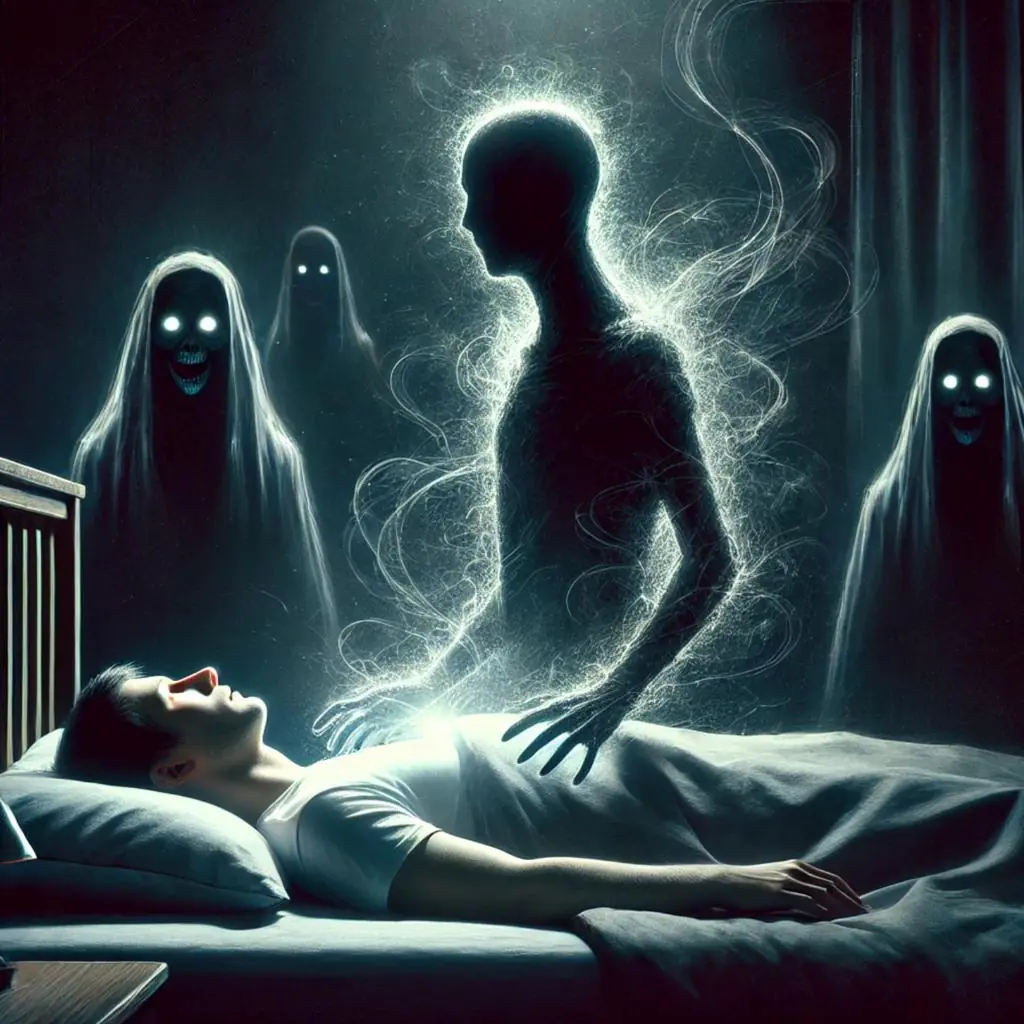
- A “shadow figure” or presence
- Pressure on the chest (feels like being held down)
- Whispering, footsteps, or breathing sounds
- A strong sense of fear or danger
Your brain is mixing dream imagery with real awareness—and your fear response is fully active.
So even though nothing is physically there, it feels 100% real.
What Triggers Sleep Paralysis?


6
It doesn’t happen randomly. Common triggers include:
- Lack of sleep
- Irregular sleep schedule
- High stress or anxiety
- Sleeping on your back
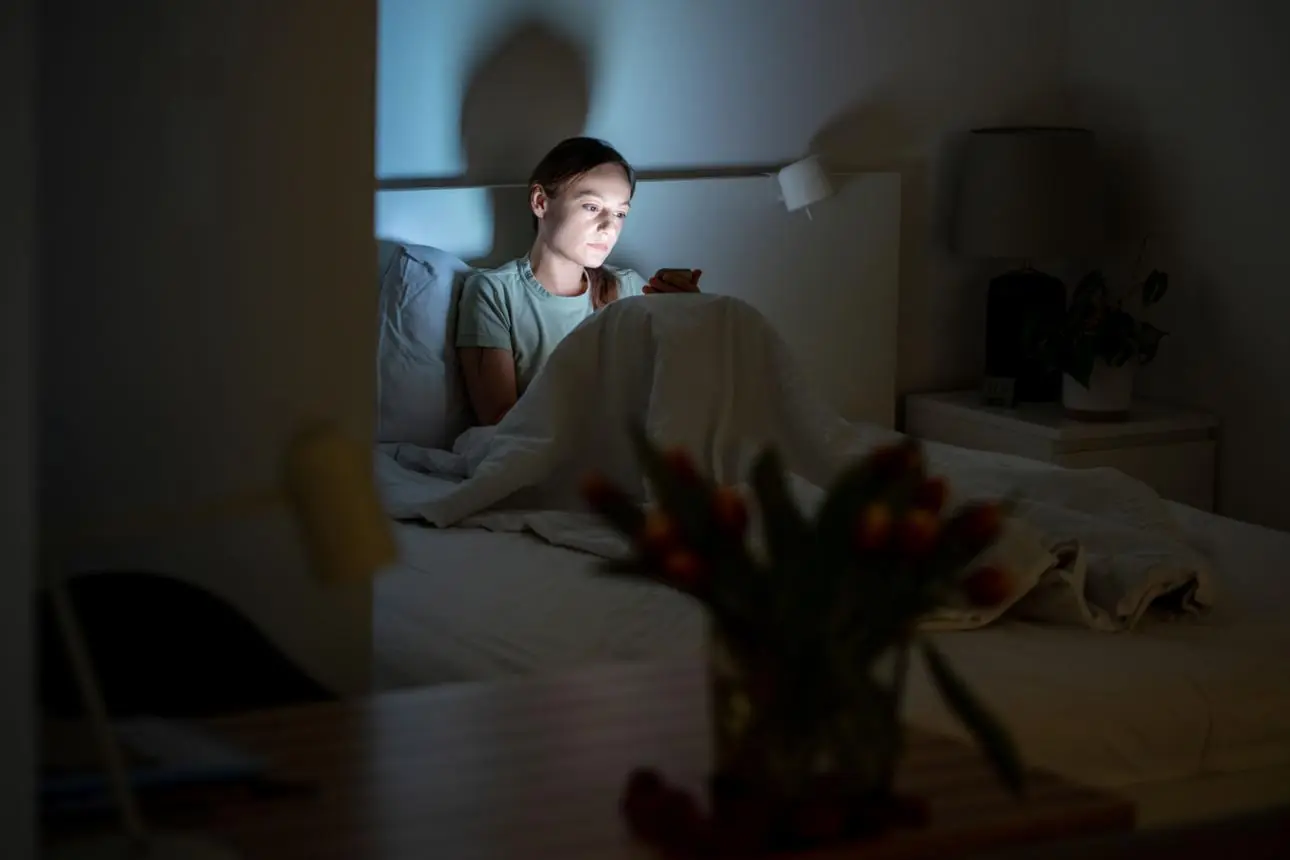
- Overuse of screens before bed
Basically, anything that disrupts normal sleep cycles can increase the chances.
Is It Dangerous?
Short answer: No, but it feels like it is.
Sleep paralysis itself doesn’t harm your body. You will eventually regain movement—usually within seconds to a couple of minutes.
The real issue is the fear and confusion it causes, especially if you don’t know what’s happening.
How to Break Out of It (When It Happens)

7
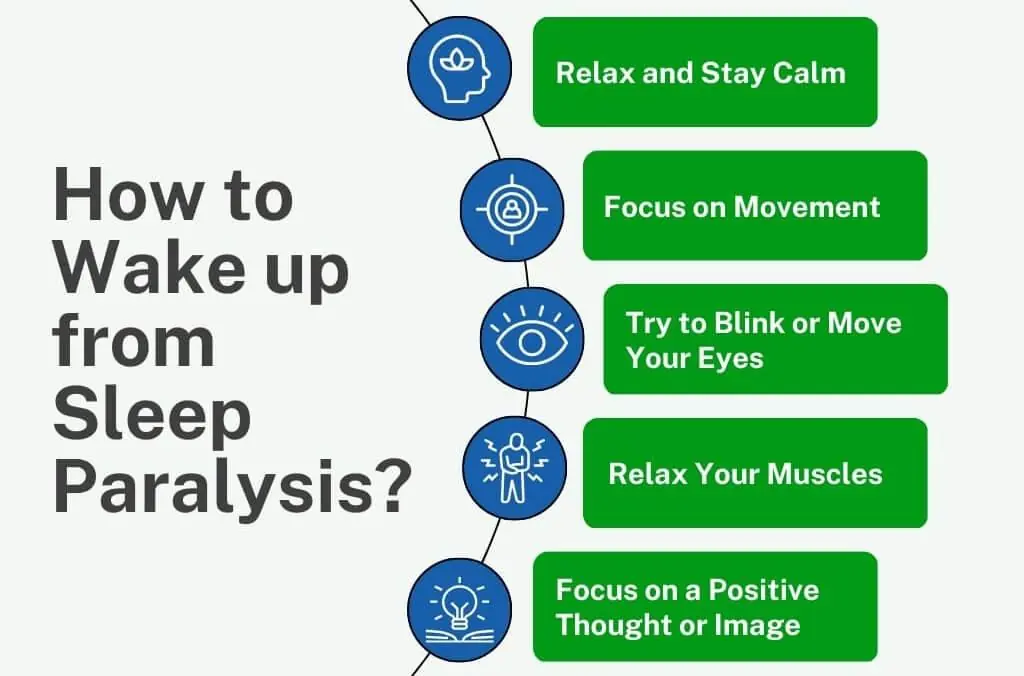
When you’re stuck in it:
- Focus on wiggling your fingers or toes
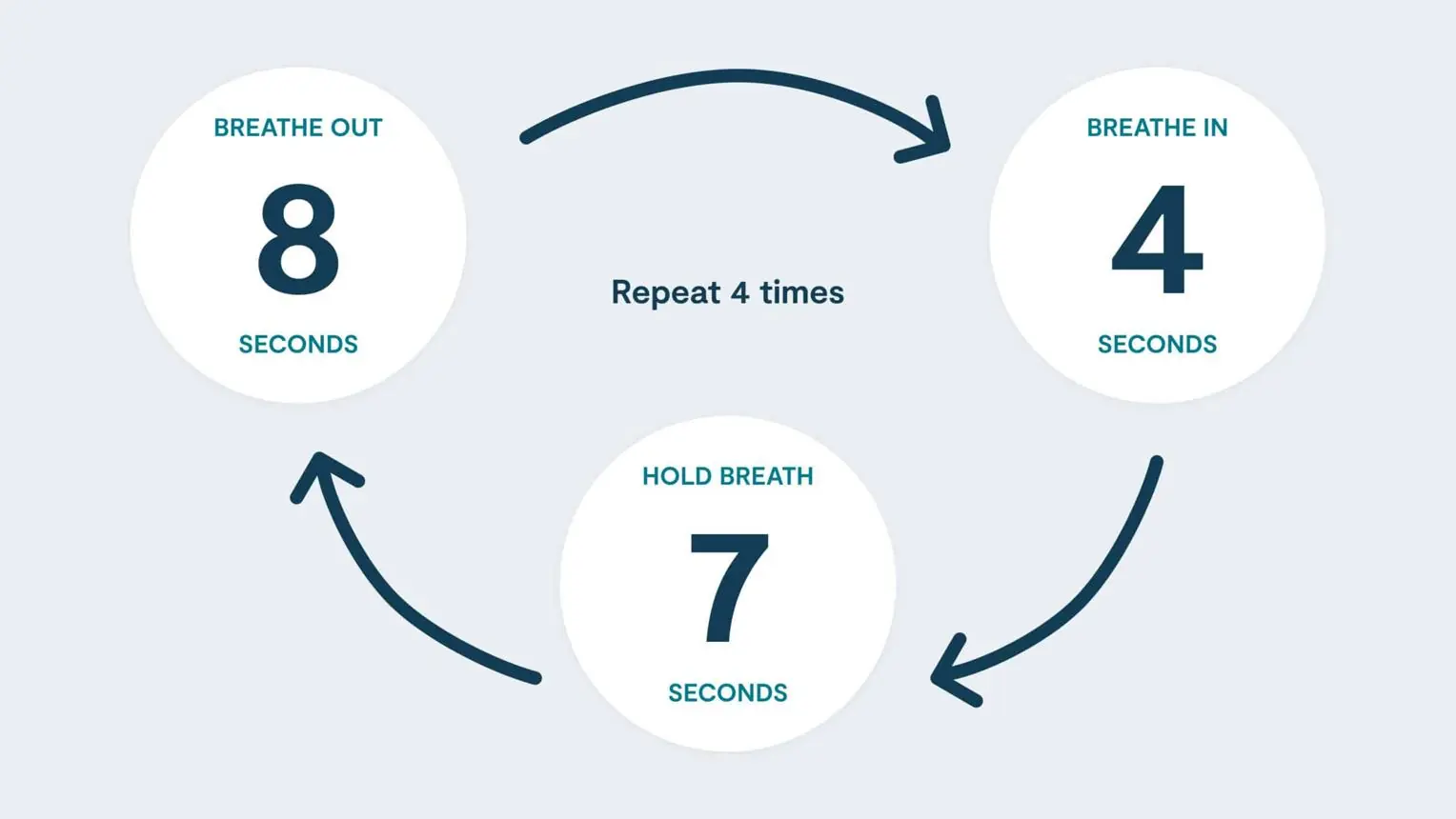
- Try to control your breathing slowly
- Remind yourself: this will pass
Panicking makes it feel longer and worse. Staying calm shortens the episode.
How to Prevent It
6
To reduce the chances:
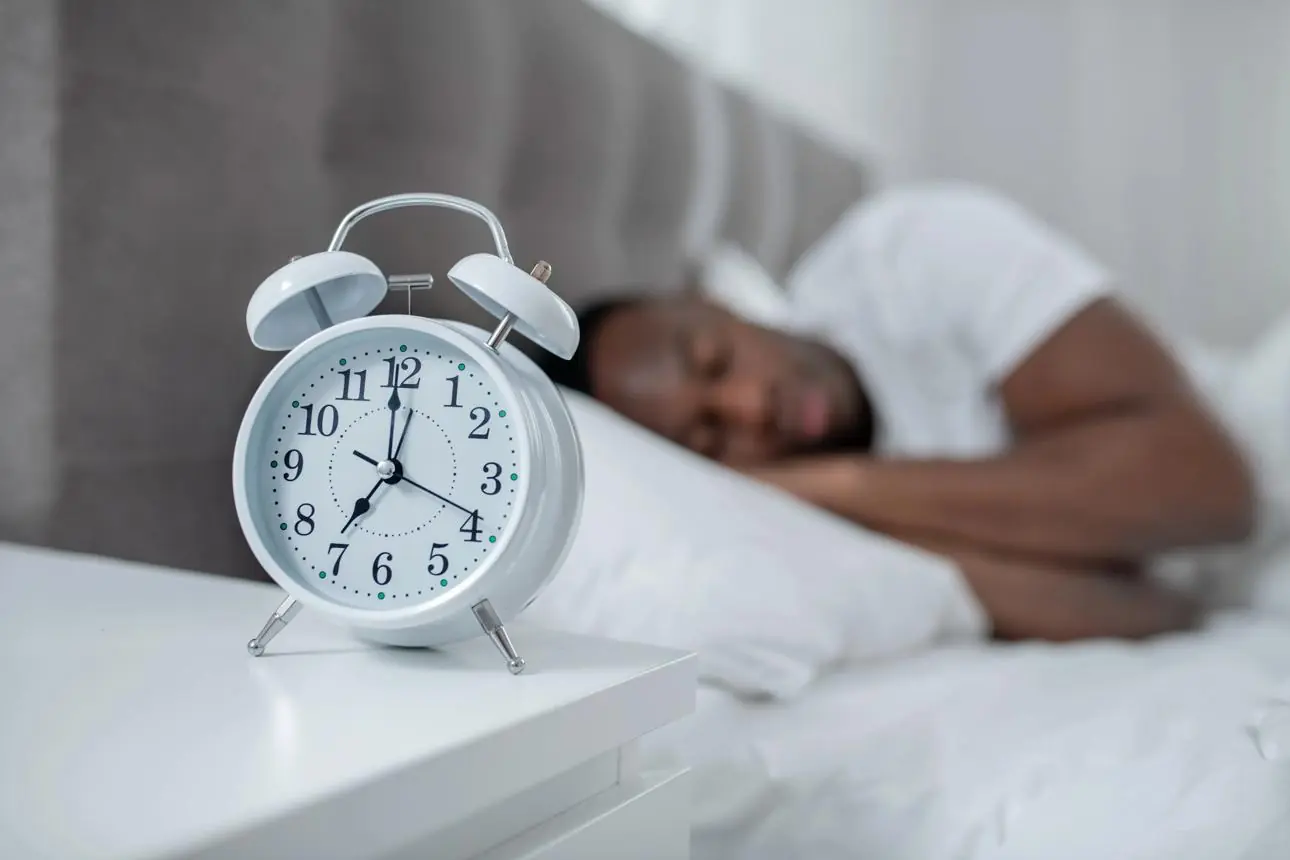
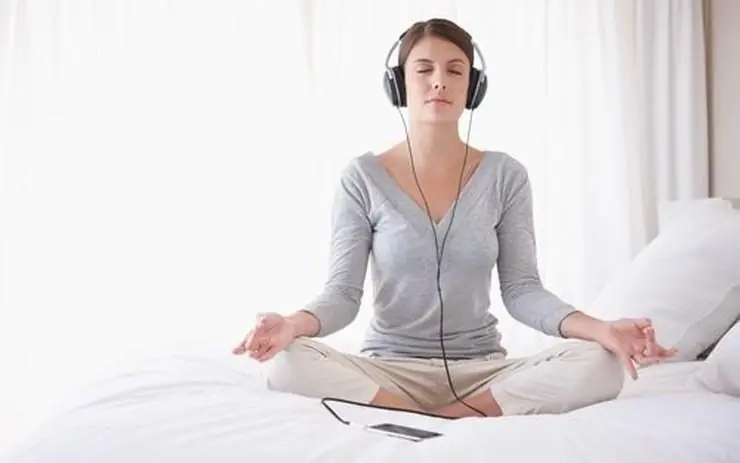
- Sleep at consistent times
- Get enough rest (7–8 hours)
- Avoid screens before bed
- Manage stress levels
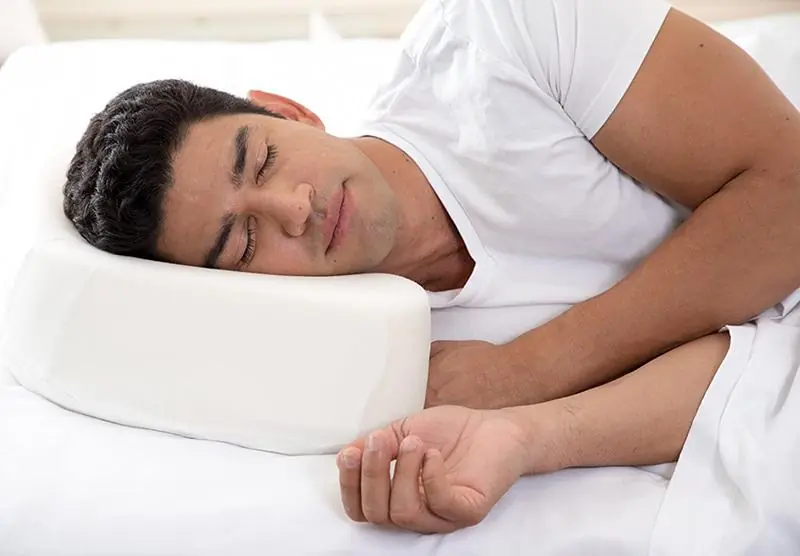
- Try sleeping on your side instead of your back
The Truth Behind the Fear
For centuries, people thought this experience was:
- A demon sitting on the chest
- A ghostly presence
- Something supernatural
But now we know—it’s just the brain and body out of sync for a moment.
The Bottom Line
That feeling of being trapped, unable to move, sensing something in the room…
It’s not something “coming for you.”
It’s your brain temporarily caught between sleep and wakefulness.
Final Thought
The experience is intense—but understanding it changes everything.
Because once you know what it is,
the fear loses its powe
Understanding Sleep Paralysis: What Happens Inside Your Brain and Body?
Sleep paralysis can be one of the most frightening experiences a person has while sleeping. You may feel completely awake, recognize your bedroom, hear sounds around you, and even sense someone standing nearby. Yet, despite trying with all your strength, you cannot move your arms, turn your head, or call for help.
For some people, the experience lasts only a few seconds. For others, it seems to continue much longer. The fear can be so intense that they become anxious about going to sleep again.
But understanding the science behind sleep paralysis can make a significant difference. It helps explain why the experience happens, why the sensations can feel so convincing, and what you can do to reduce the likelihood of another episode.
Let's take a closer look at some important facts that many people do not know.
1. Sleep Paralysis Is Closely Connected to REM Sleep
To understand sleep paralysis, it helps to understand the different stages of sleep.
Sleep is not simply a period when the brain switches off. Throughout the night, your brain moves through several stages, including non-rapid eye movement sleep (NREM) and rapid eye movement sleep (REM).
During NREM sleep, the body gradually relaxes, and brain activity changes as you move into deeper stages of rest.
REM sleep is different. This is the stage most strongly associated with vivid dreaming. Your brain becomes highly active, and your eyes move rapidly beneath your closed eyelids.
At the same time, most of your voluntary skeletal muscles experience a temporary reduction in activity known as REM atonia.
This natural process is important because it prevents you from physically acting out many of your dreams.
Imagine dreaming that you are running away from danger. Without the normal muscle inhibition of REM sleep, your body might attempt to reproduce those movements while you are still asleep.
During sleep paralysis, the awareness associated with waking returns before the temporary muscle inhibition has completely ended.
The result is an unusual overlap between two states:
-
Your mind is becoming conscious.
-
Your voluntary muscles remain temporarily inhibited.
-
Dream-related sensations or images may continue.
-
You may be aware of your surroundings but unable to respond physically.
This is why sleep paralysis is often described as a temporary mismatch between sleep and wakefulness.
2. There Are Two Main Types of Sleep Paralysis
Not every episode happens at the same point in the sleep cycle.
Sleep specialists generally distinguish between two forms of sleep paralysis.
Hypnagogic sleep paralysis
This occurs while you are falling asleep.
You may notice that your body is becoming relaxed, but your awareness remains present. Suddenly, you realize that you cannot move.
Some people describe hearing a noise, seeing a figure, or feeling as though someone is approaching them.
Because the experience occurs while entering sleep, it can be confusing. You may wonder whether you are dreaming or still awake.