For decades, the idea of eating according to your blood type has fascinated millions of people around the world. Books, websites, and social media posts have claimed that people with blood types A, B, AB, or O should eat completely different foods to improve digestion, lose weight, boost energy, and even reduce the risk of chronic diseases.
Some diets recommend that people with Type O eat a high-protein diet, those with Type A follow a mostly vegetarian lifestyle, Type B consume more dairy products, and Type AB combine elements of both A and B diets.
But is there scientific evidence to support these recommendations?
The short answer is: current research has not found convincing evidence that matching your diet to your blood type improves health.
That doesn't mean your blood type is unimportant - it plays a critical role in blood transfusions, pregnancy, and, in some cases, disease risk. However, when it comes to choosing the healthiest foods, your age, medical history, genetics, activity level, and overall eating pattern appear to matter much more than your ABO blood type.
Let's take a closer look at what blood types are, where the blood type diet originated, and what the scientific evidence actually says.
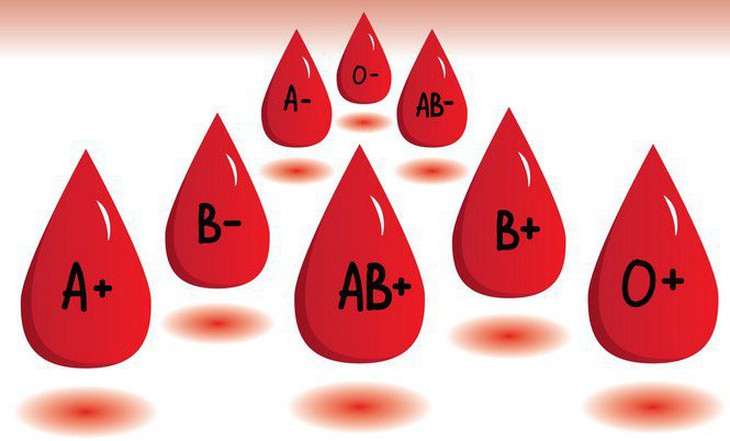
What Is Blood Type?
Your blood type is determined by genes inherited from your parents.
The most common blood group system is the ABO system, which includes:
-
Type A
-
Type B
-
Type AB
-
Type O
Each blood type is defined by specific proteins, called antigens, found on the surface of red blood cells.
Another important blood group is the Rh factor, which determines whether your blood type is positive (+) or negative (-).
For example:
-
A+
-
O-
-
AB+
-
B-
Blood type is extremely important during blood transfusions because receiving incompatible blood can cause serious, potentially life-threatening reactions.
Where Did the Blood Type Diet Come From?
The blood type diet became widely known after the publication of "Eat Right 4 Your Type" by naturopath Peter D'Adamo in the 1990s.
According to the theory:
Type O
Should eat:
-
Lean meat
-
Fish
-
Vegetables
And limit:
-
Grains
-
Legumes
-
Dairy
Type A
Should emphasize:
-
Vegetables
-
Fruits
-
Whole grains
-
Legumes
While limiting:
-
Red meat
Type B
Should include:
-
Dairy
-
Eggs
-
Meat
-
Vegetables
While avoiding certain foods such as corn and wheat.
Type AB
Should combine aspects of both A and B eating patterns.
These recommendations became extremely popular.
However, popularity and scientific evidence are not the same thing.
What Does Research Say?
Scientists have carefully studied whether eating according to blood type actually improves health.
So far, the evidence has been largely negative.
Several reviews have concluded that:
There is currently no convincing scientific evidence that blood type-specific diets provide health benefits because of a person's blood type.
Some people do lose weight while following these diets.
But that's usually because:
-
They eat more vegetables.
-
They reduce processed foods.
-
They consume fewer added sugars.
-
They become more mindful of portion sizes.
These improvements can benefit almost anyone—regardless of blood type.
Why Do Some People Feel Better on a Blood Type Diet?
This is an interesting question.
Many people genuinely report:
-
More energy
-
Weight loss
-
Better digestion
But these improvements may not be related to blood type itself.
Instead, they may occur because people begin eating:
-
More whole foods
-
More fruits
-
More vegetables
-
Less fast food
-
Less added sugar
-
Less ultra-processed food
In other words, healthier eating habits—not blood type—may explain the benefits.
Can Blood Type Affect Disease Risk?
Although blood type probably doesn't determine your ideal diet, it may be associated with certain health conditions.
Researchers have identified statistical associations between blood type and several diseases.
However, association does not mean blood type directly causes these conditions.